Autonomous Breakthrough
Russia has taken a decisive step toward the future of transport. The country is moving beyond isolated autonomous vehicle trials and toward the systematic integration of self-driving technologies into the broader economy.
The Scale of Change
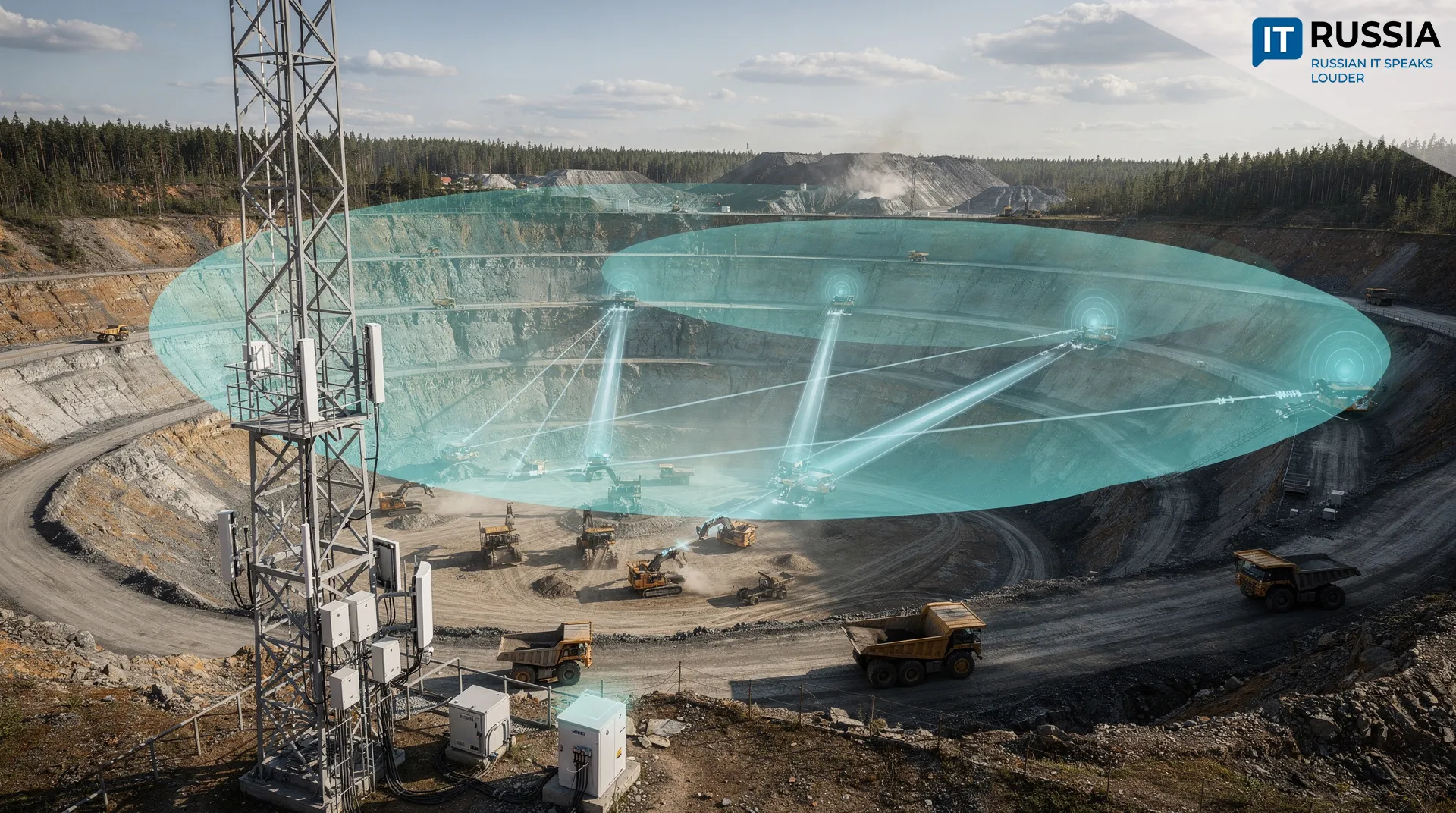
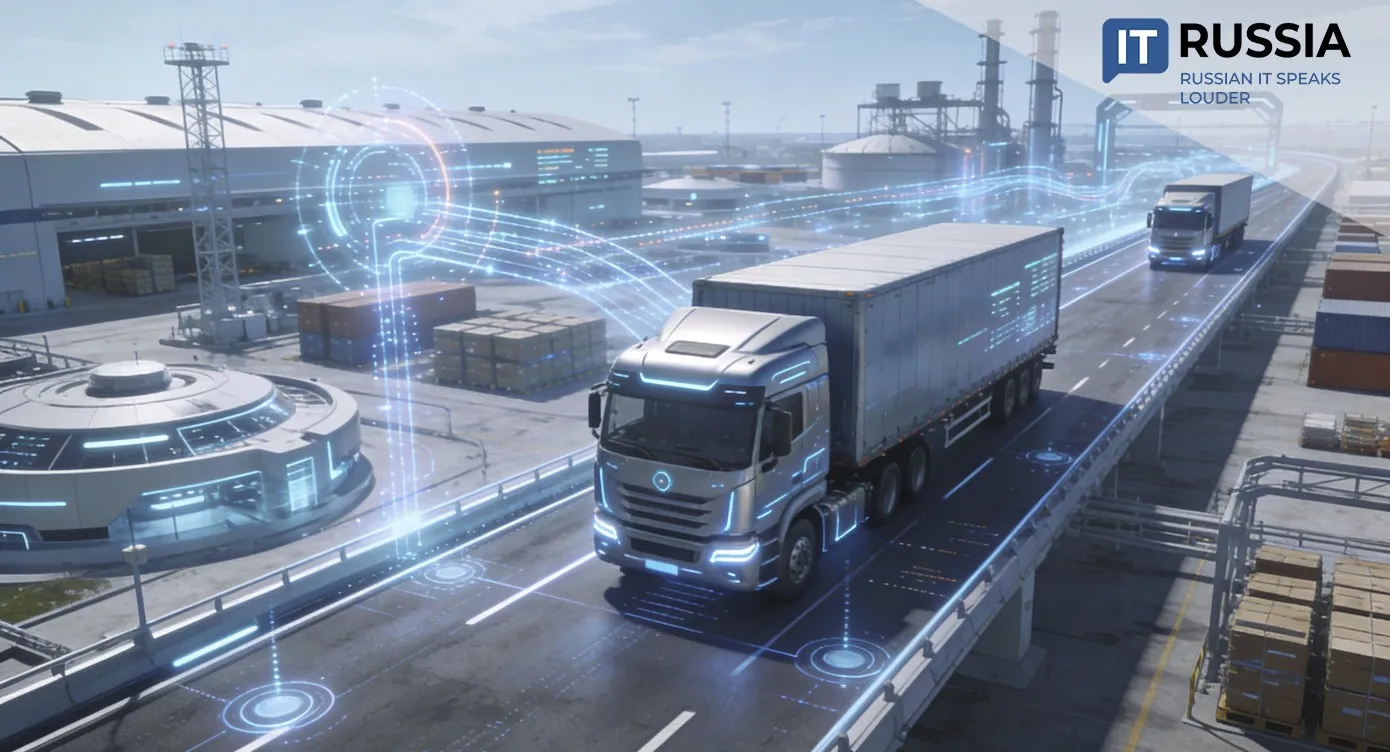
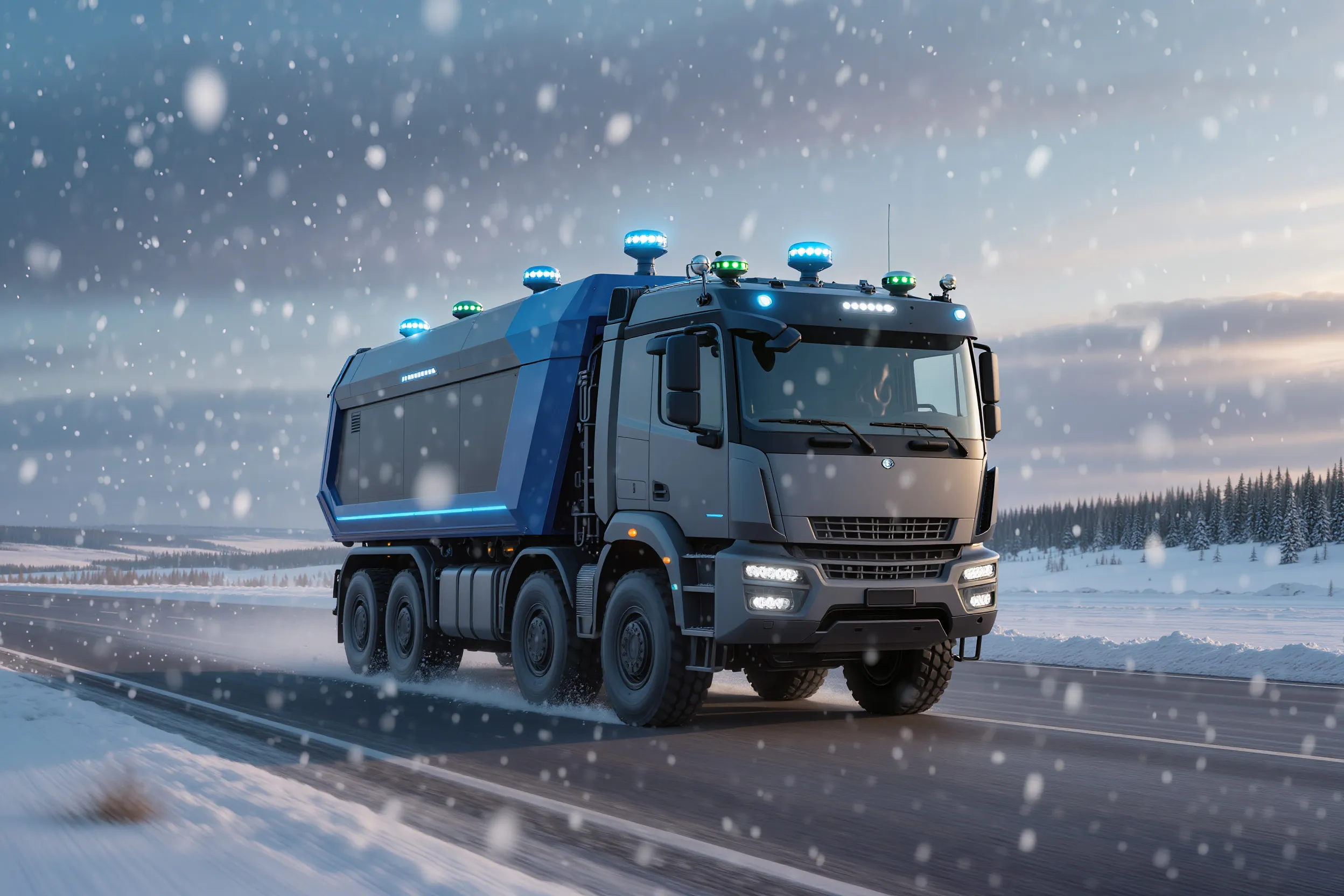
Over the past several years, business interest in artificial intelligence and automation across the transport sector has reached record levels. According to data from EnergyLand.info, nearly half of companies – 45 percent to be precise – plan to deploy AI in the coming years. These are not just intentions on paper. Real-world deployment is already delivering measurable results. Today, 95 autonomous trucks are operating on Russian roads, with a combined mileage exceeding 9.5 million kilometres.
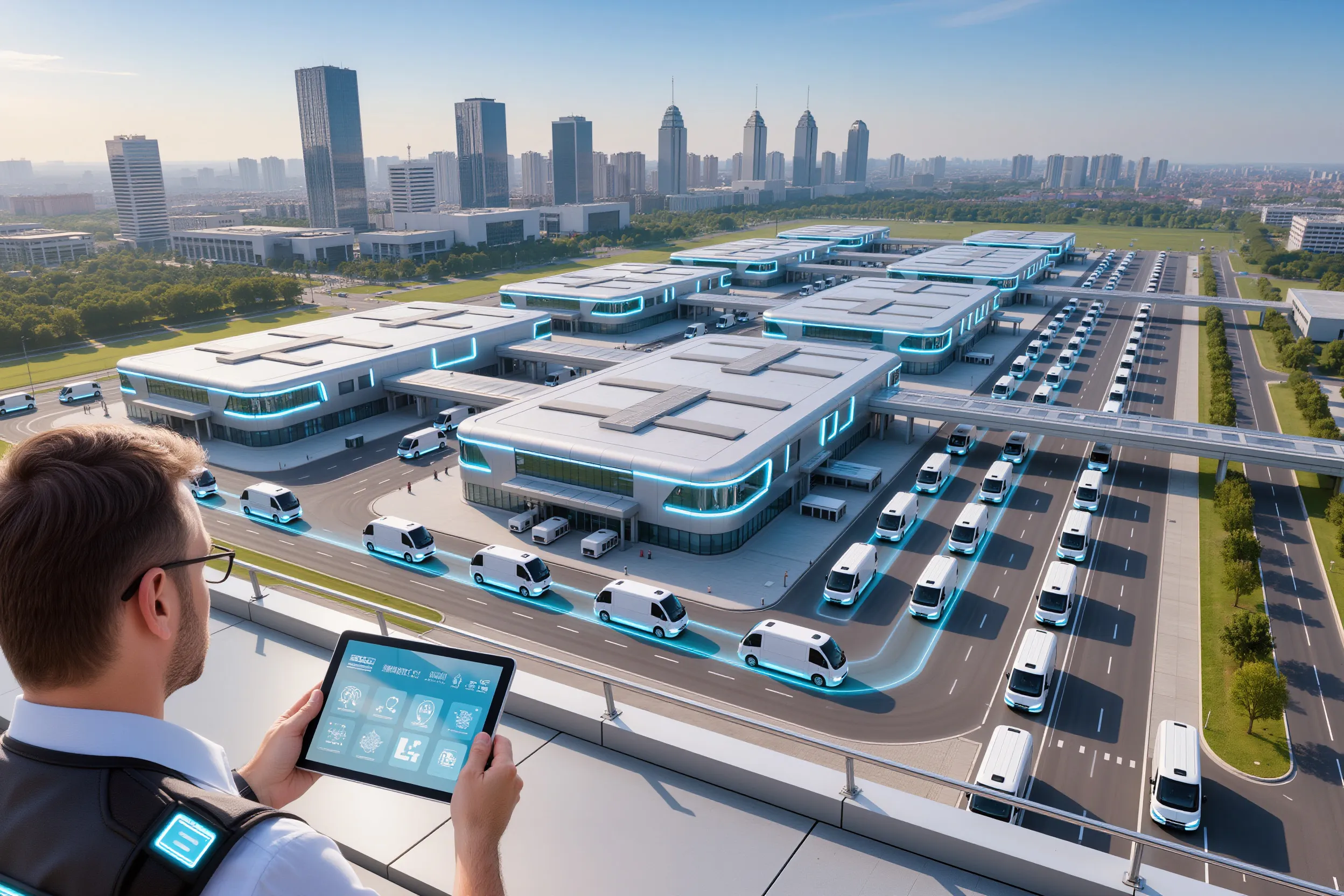
A major milestone was the release of the White Paper on the Application of AI in Logistics and Transport. Developed as a public-private partnership, the document plays a central role in reshaping the sector. It establishes a clear path toward standardising technologies and methods, making it possible to turn fragmented pilot projects into a unified digital transport and logistics ecosystem.
The significance of these changes for Russia is difficult to overstate. First, they create a solid technological foundation for large-scale automation of the transport sector. This directly translates into faster logistics processes, lower transportation costs, and increased throughput across transport networks. At the same time, the development of domestic solutions strengthens technological sovereignty within the digital economy and reduces dependence on foreign IT products. Just as importantly, adjacent segments receive a strong boost – including robotics, telematics, smart road technologies, and transport management platforms.
Export Potential
The White Paper extends beyond domestic priorities. Plans are in place to translate the document into English and to discuss it within BRICS countries. This opens up broad opportunities to promote Russian standards for transport automation at the international level.
Export prospects for Russian solutions look increasingly promising. Autonomous freight transport technologies, in particular, could see strong demand in the CIS, Southeast Asia, and Latin America – regions where logistics infrastructure is still developing rapidly. At the same time, transport management platforms can significantly enhance the competitiveness of Russian IT products in global markets. Moreover, Russia’s accumulated experience in standardising the use of AI in transport could serve as a reference model for other countries pursuing digital transformation of their transport systems.


Domestically, large-scale deployment of autonomous transport promises tangible benefits. A substantial reduction in logistics costs is expected, especially in long-haul and interregional freight. These technologies also align closely with Russia’s Smart Transport Systems strategy, which runs through 2030. Safety is another critical dimension. Automation sharply reduces the impact of human error, improving overall road safety.
At the same time, fully unlocking this potential requires addressing several key challenges. Chief among them is the development of robust supporting infrastructure, along with a well-designed regulatory framework for operating highly automated transport systems. Without these conditions, large-scale adoption could face serious constraints.
Looking Back to Move Forward
The current breakthrough in autonomous transport did not emerge in isolation. It is built on two years of systematic groundwork. As early as 2024, the energy sector was actively debating pathways for IT import substitution. The focus was on developing domestic management and analytics platforms, laying the groundwork for broader digitalisation. By 2025, the momentum had become clear – up to 70 percent of companies in the fuel and energy sector were planning to adopt AI.
In parallel, the civilian unmanned aerial vehicle market has been gaining momentum. Forecasts suggest annual growth of up to 25 percent through 2028. This rapid expansion creates a strong synergy with progress in autonomous ground transport, broadening the application of AI and robotics technologies.
Taken together, the transition to widespread use of autonomous transport is not a single event but a logical stage in an ongoing chain of technological change. Each previous step reinforced the foundation for the next, forming a resilient platform for innovation.
The Future on Autopilot
Today, Russia is confidently moving from pilot projects toward full-scale integration of autonomous transport into the economy. Government support plays a significant role in this process, delivered through expanded legal frameworks, joint development programmes, and consistent standardisation. These measures are strengthening Russia’s position among global leaders at the intersection of transport and digitalisation.
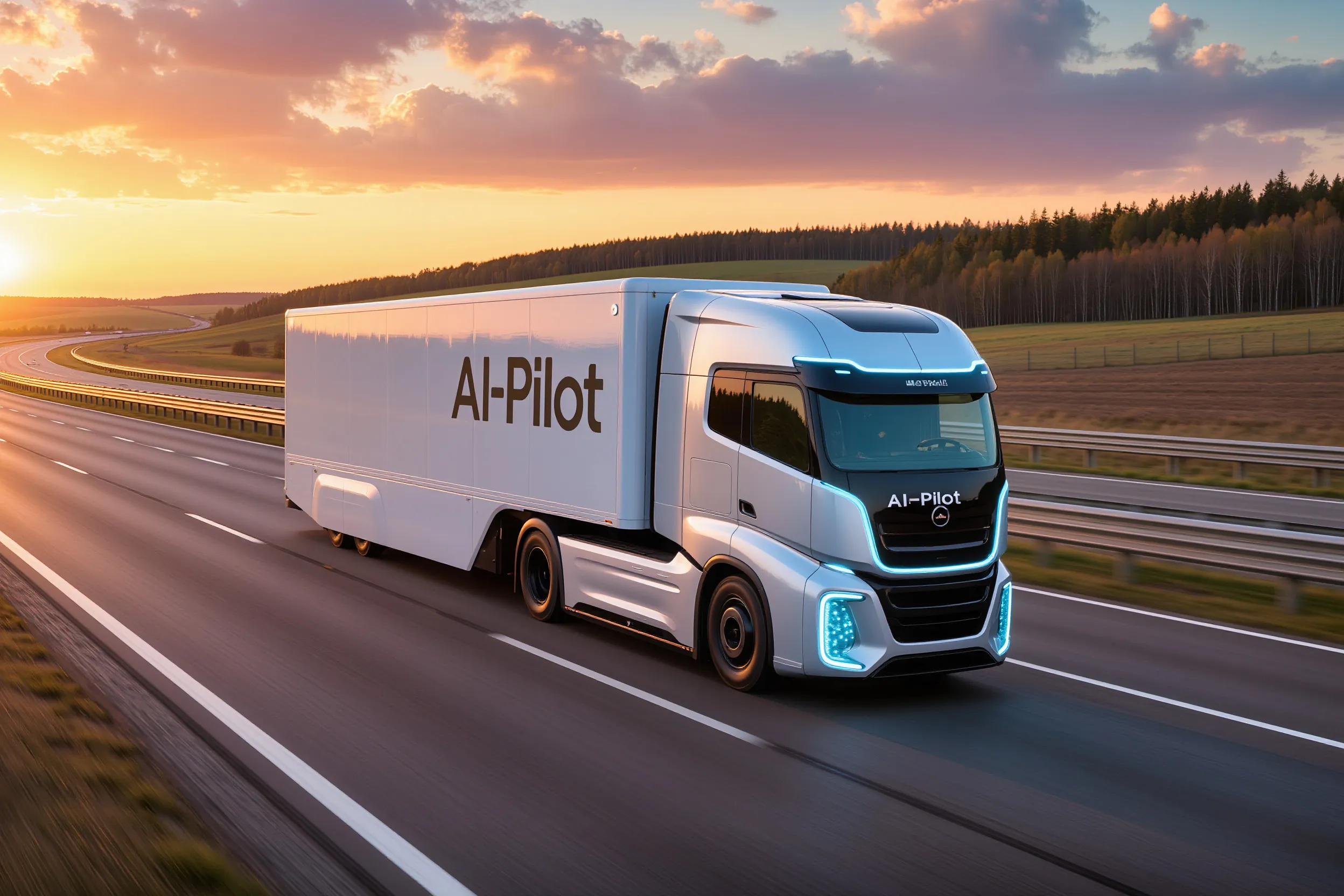
What changes can be expected in the coming years? First and foremost, automated freight transport will be deployed at scale along key Russian highways. This shift has the potential to fundamentally reshape the logistics landscape, making it more efficient and predictable.
Equally important will be the establishment of national standards for autonomous transport based on the principles set out in the White Paper. These standards could not only bring order to the domestic market but also serve as a benchmark for other countries developing similar technologies.
A noticeable increase in exports of Russian IT solutions for artificial intelligence and logistics management is also expected. The CIS and BRICS countries stand out as particularly promising markets, where demand for advanced transport solutions continues to grow.
In addition, the market for complementary technologies will expand rapidly. Robotics, sensing systems, and telematics will form an integrated innovation ecosystem, driving the emergence of new products and services. This will create additional opportunities for economic growth and diversification.
Autonomous transport is no longer the domain of science fiction. It is becoming an integral part of modern reality, reshaping both the economy and everyday life. By prioritising system-wide implementation and standardisation, Russia is positioning itself not merely to follow global trends, but to actively influence how they evolve on the international stage.