Gubkin University Trains Neural Networks to Protect Energy Infrastructure
About 8,000 fires break out at industrial facilities across Russia every year, causing more than 12 billion rubles in property damage (about $140 million). Worst of all, people die. That is why every second gained literally means a life saved.
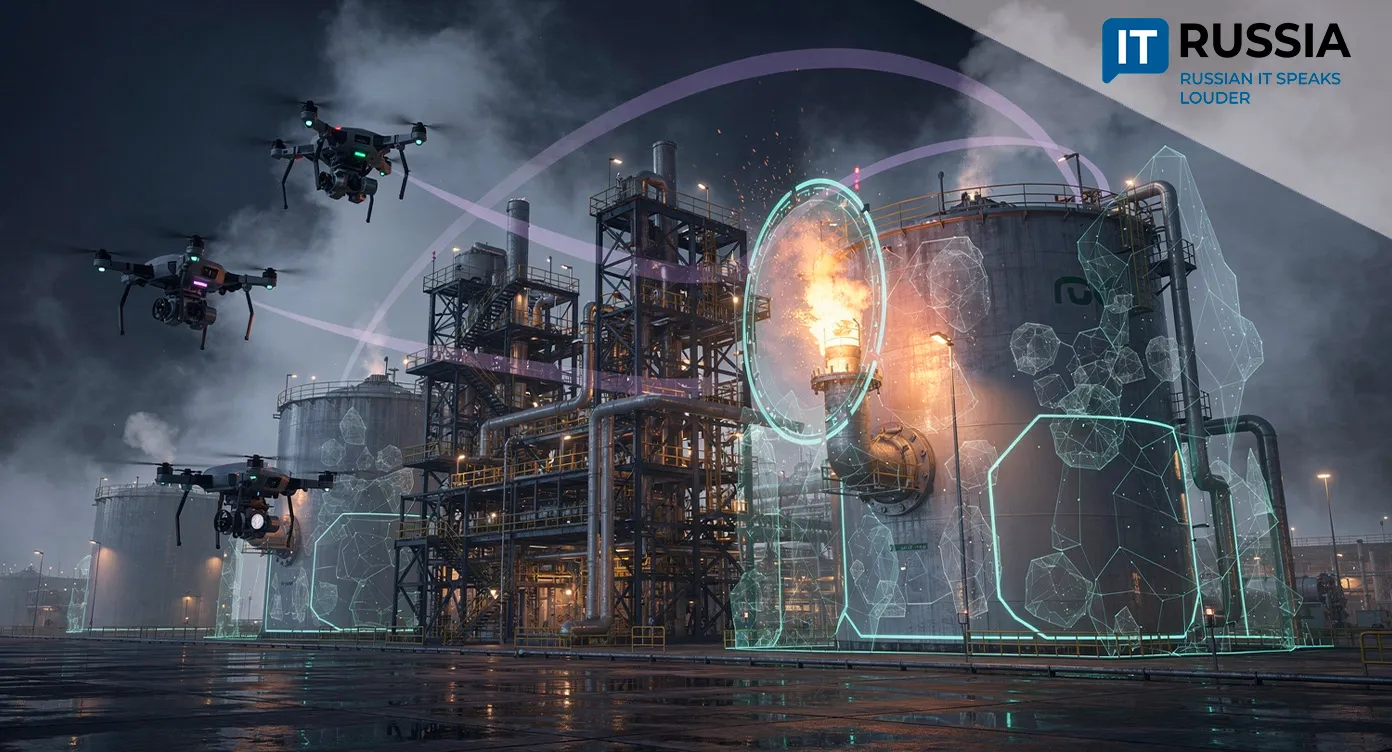
Researchers at the National University of Oil and Gas “Gubkin University” have developed the II-pozharny (AI Firefighter) system. The neural network cuts the response time to fires at fuel and energy facilities from several minutes to 10 seconds.
“AI Firefighter”
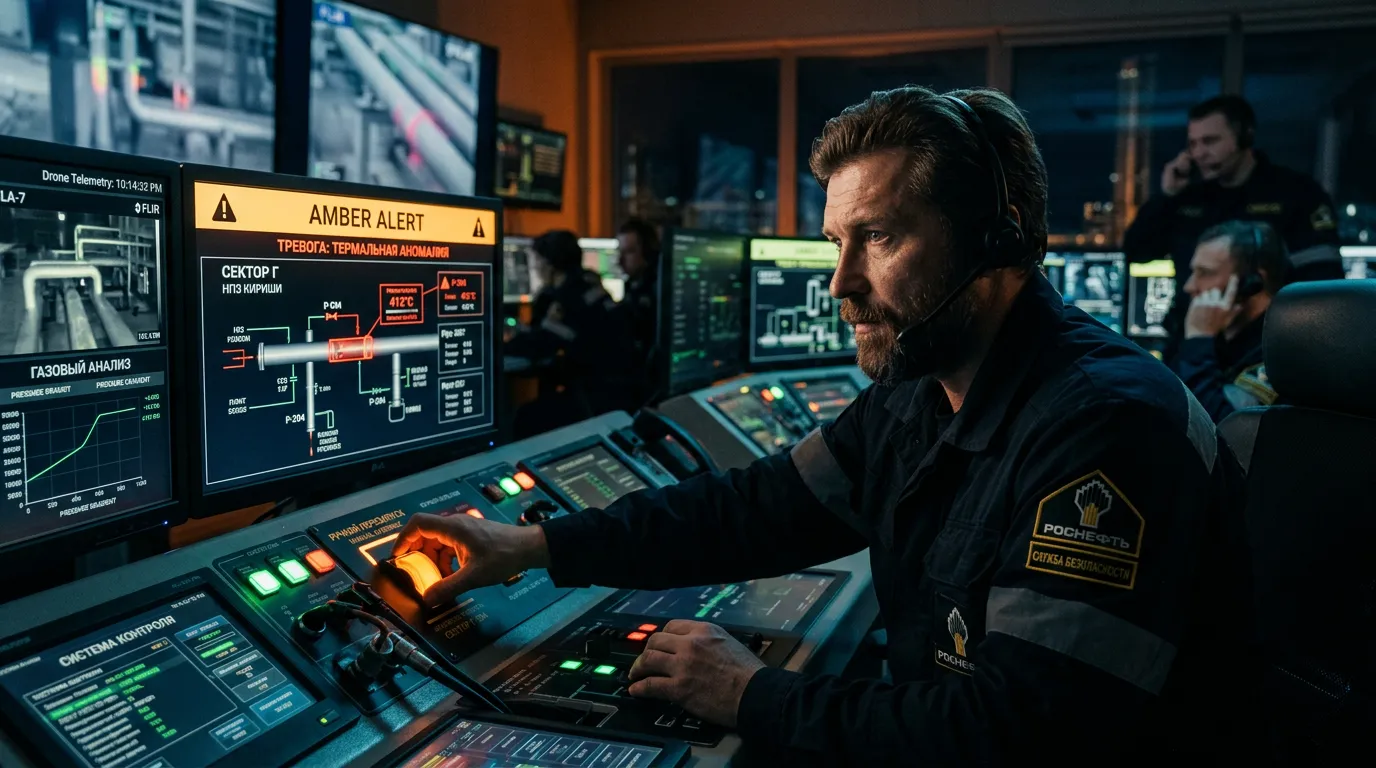
Safety systems at hazardous industrial facilities generally operate on a simple principle: “a fire has been detected.” Smoke detectors, thermal imaging systems and cameras only signal that an emergency has occurred. The new neural network developed by Gubkin University researchers goes further: it analyzes camera footage, classifies the type of fire, assesses the level of danger and gives the operator a structured set of recommended actions.
The model doesn’t just say “fire.” It answers questions such as: “What type of incident is this?” “How dangerous is it?” and “What exactly should the operator do?” explained Andrey Evsikov, a Gubkin University graduate student involved in the project.
In this setup, AI becomes an intelligent assistant that can assess a critical situation and act faster than a human. Last year’s research showed that when a fire is detected within 10.8 seconds and quickly extinguished, the risk to human life falls by 75.6%, while property damage is reduced by 58%, Andrey Evsikov noted.
Robots at Work
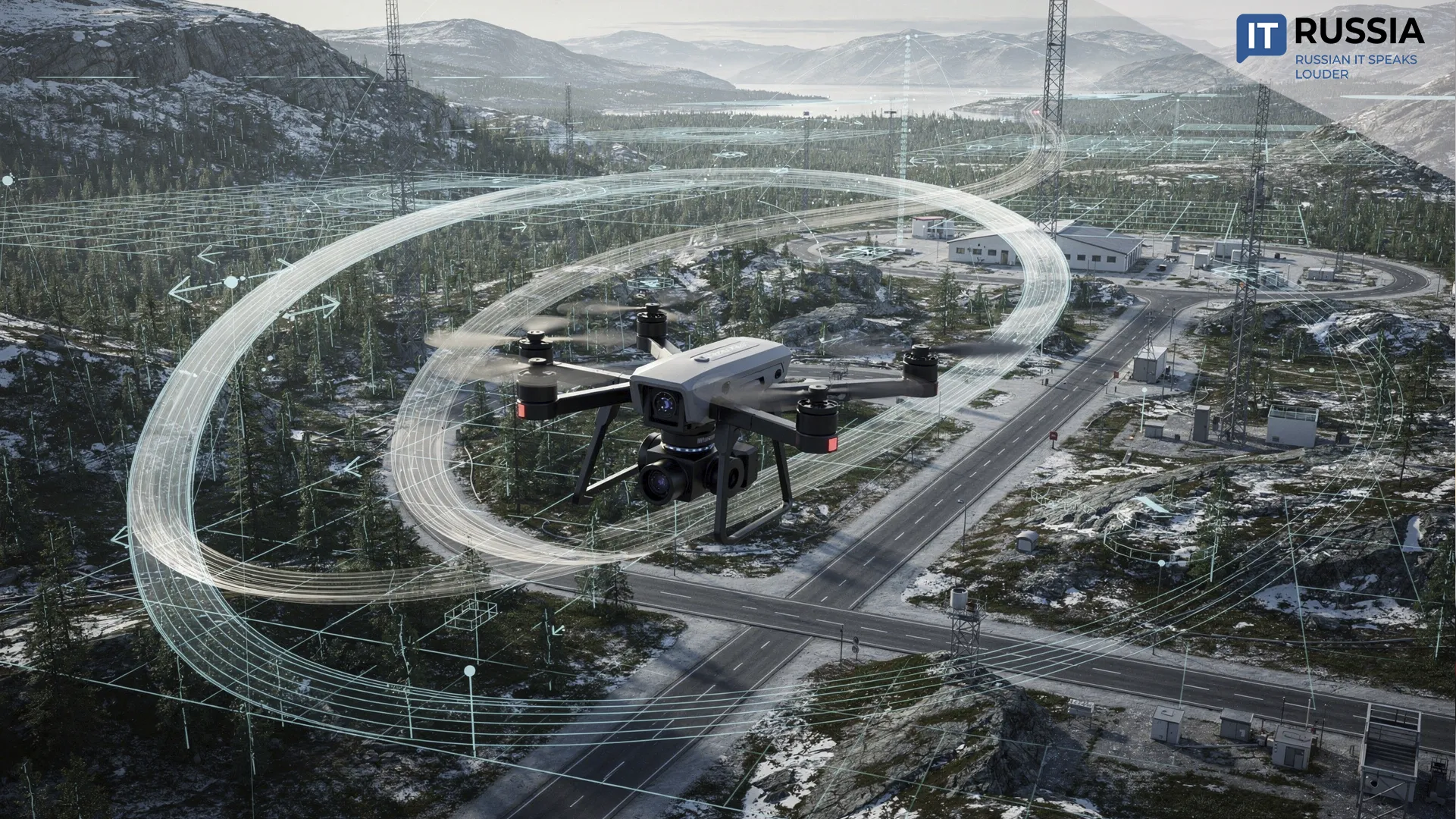
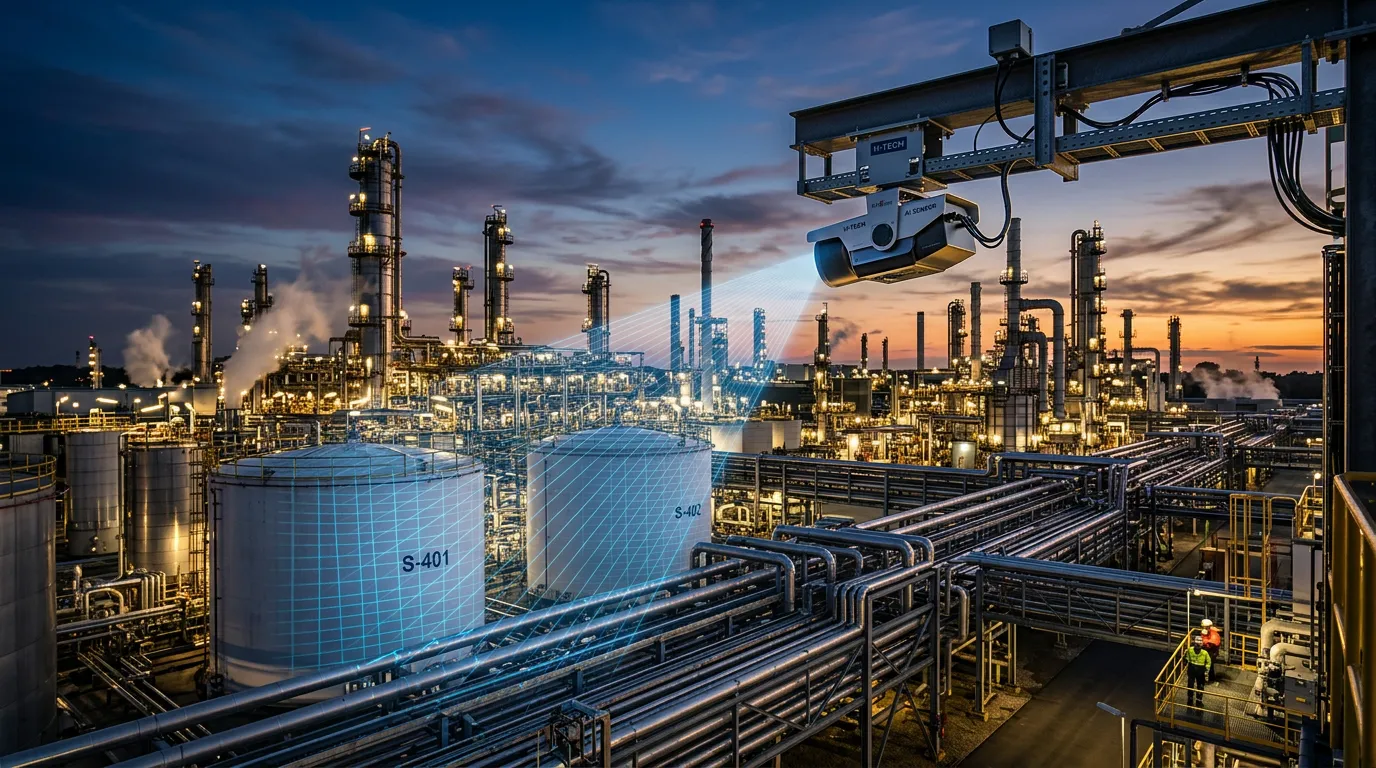
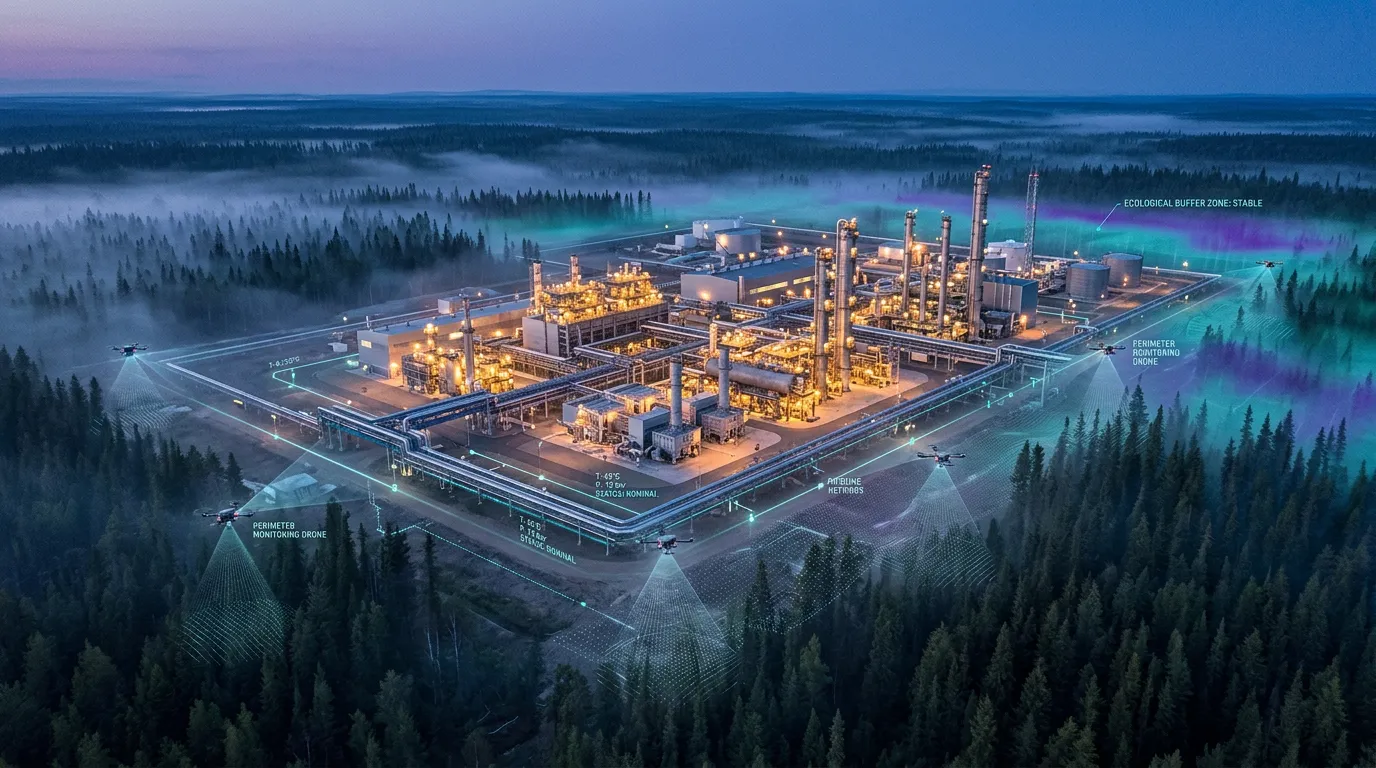
Gazprom Neft uses its own neural network to monitor infrastructure. Drones conduct aerial photography and video surveys and send the data to a server, where AI processes it. Analyzing a single image takes just three seconds. When the system detects a potential loss of pipeline integrity, it immediately alerts an operator. Rosneft is also developing video analytics to automatically monitor compliance with industrial safety and occupational safety rules at its production facilities.
Robots are also being deployed at fuel and energy facilities. By the end of 2025, there were about 600 of them, and that number is expected to reach 6,600 by 2030. Russia has also tested the Gruzovik M-500 (Truck M-500), an unmanned system designed to fight complex industrial fires. It can extinguish a fire within minutes while operating at heights of up to 100 meters and in densely built-up urban areas. The drone can take over firefighting at hazardous sites, including facilities handling petroleum products and areas affected by chemical contamination or radiation hazards.
The Rescuers of the Future
Russia’s energy-development strategy through 2050 calls for the industry to reach a qualitatively new state, with a strong emphasis on digitalization. In the past, AI in industry was associated mainly with predicting equipment wear or analyzing large datasets. Now, it is moving into intelligent safety systems for critical infrastructure.
The energy sector currently ranks third in AI adoption. The share of fuel and energy companies using artificial intelligence rose from 29% in 2021 to 58% in 2024. By the end of 2030, that figure is expected to reach 70%. Using Russian AI solutions can address several goals at once: improving industrial safety, reducing dependence on foreign software and building domestic expertise in industrial artificial intelligence. The government’s digital transformation strategy for the fuel and energy sector also calls for broader use of AI, big data and homegrown digital products.
An Important Task
Comprehensive safety at an industrial facility depends on detecting and containing a fire at the earliest possible moment. An effective monitoring system can reduce the number of serious accidents, improve employee safety and limit financial losses. For the fuel and energy sector, intelligent decision-support systems are particularly important because the speed of the response directly affects the scale of the consequences.
According to the developers, II-pozharny could serve as the foundation for a broader class of industrial analytics systems, including tools for monitoring compliance with safety requirements, tracking the use of personal protective equipment, analyzing equipment behavior and identifying potentially dangerous situations. Integration with existing enterprise systems would also improve efficiency without requiring a complete replacement of equipment.
In the coming years, these technologies are expected to spread across the oil and gas industry, energy, chemical manufacturing and other critical-infrastructure facilities.