Science Moves Beyond the Capitals: How Business and Universities Are Building the Future of IT Together
The T-Technologies Group, the parent structure of T-Bank, has opened its first regional research laboratory at Ural Federal University in Yekaterinburg. The move signals a broader shift in how Russia is aligning academic research with industry needs beyond Moscow and St. Petersburg.
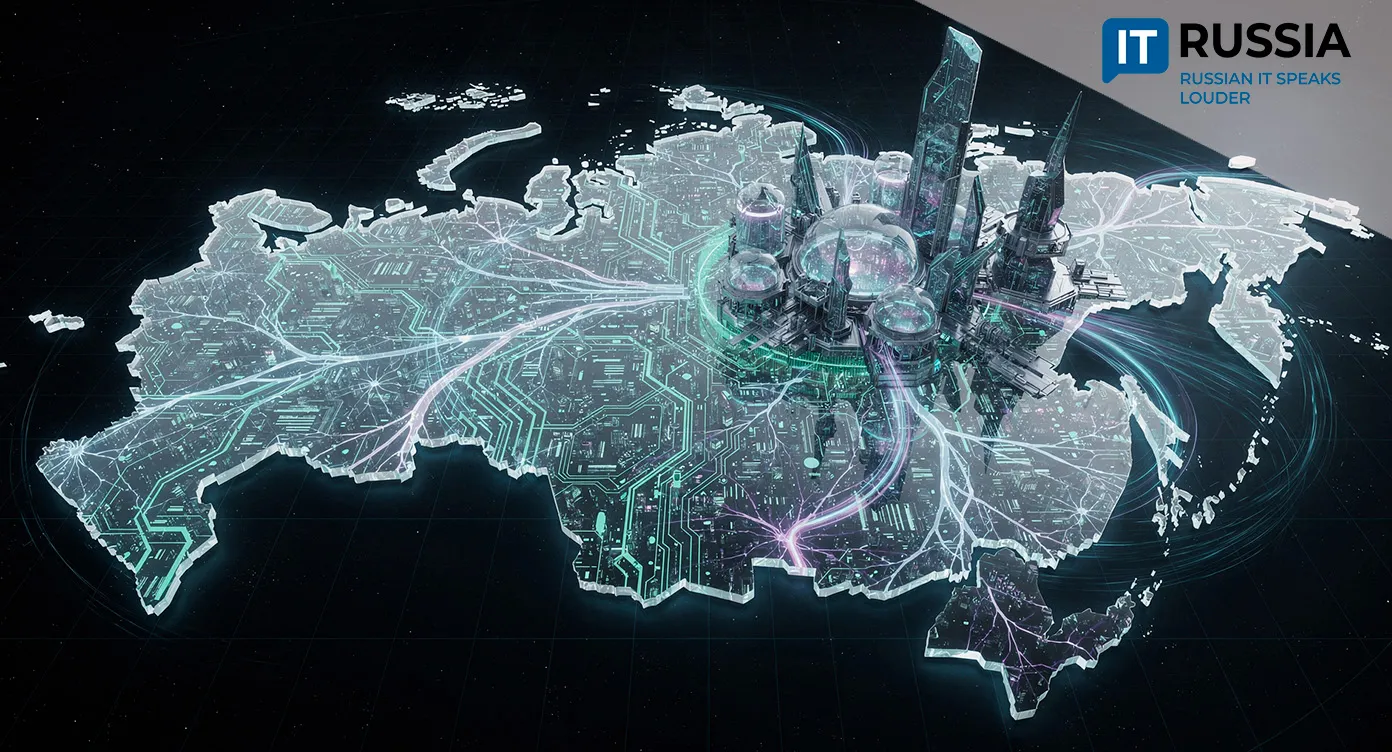
Regions as New Growth Engines
T-Technologies Group has opened a research laboratory at Ural Federal University, a move that goes well beyond a routine regional announcement. It represents a systemic step toward closing the long-standing gap between academic theory and industrial practice.
Students at the university are now working on real-world projects in artificial intelligence and computer science while simultaneously preparing research papers for field-specific conferences. The format challenges the traditional “ivory tower” model. Instead of remaining detached from industry, the university becomes an active platform for technological breakthroughs.
Until recently, Russia’s IT ecosystem was heavily concentrated in Moscow and St. Petersburg, creating a structural imbalance. Talented students from the regions often had little choice but to relocate to the capitals to pursue a career. The new laboratory serves as a pilot project within T-Technologies’ broader strategy to build a nationwide network of IT hubs.
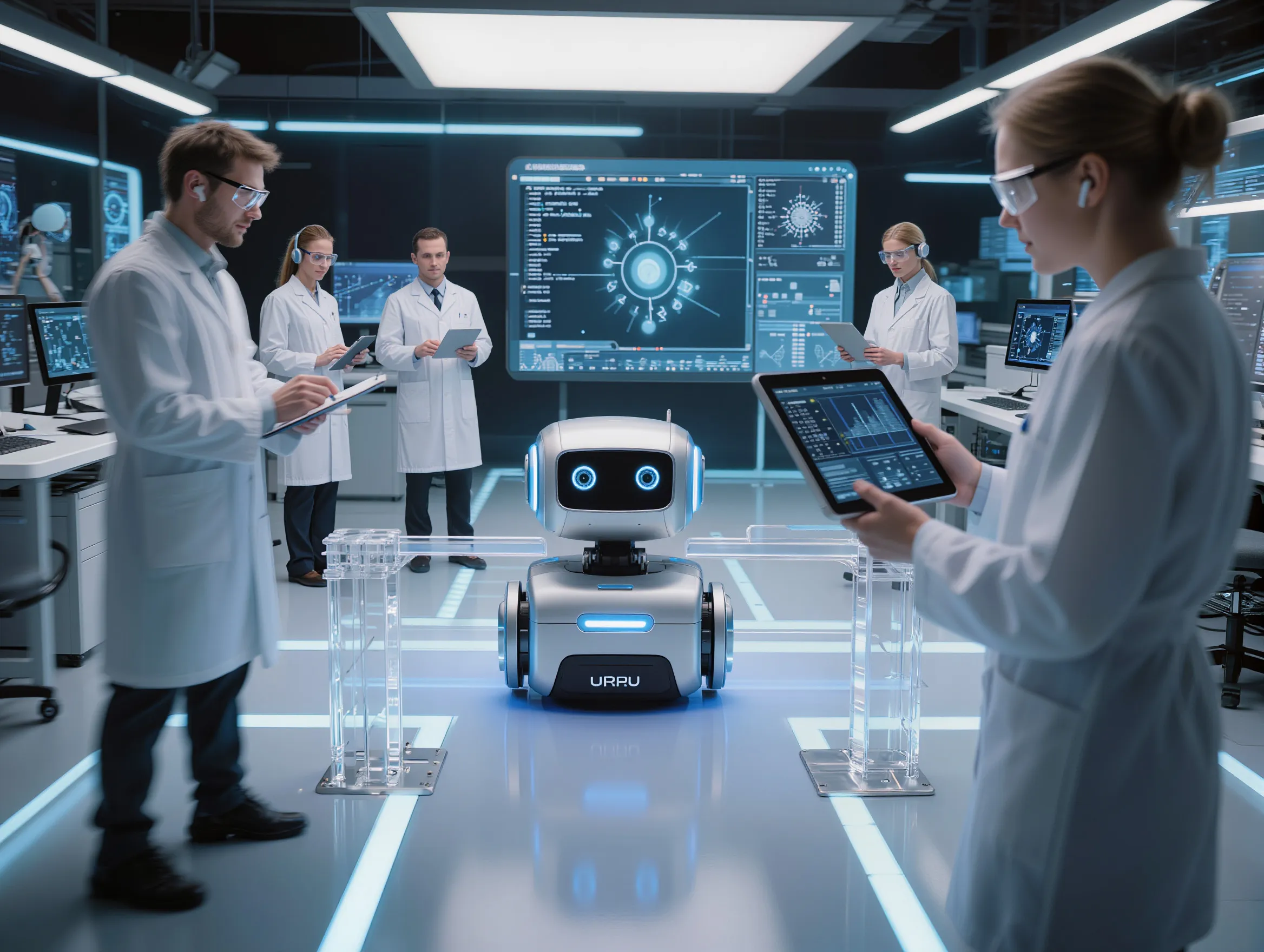
With more than 25 sites already operating across Russia and Belarus, the company is betting on the decentralization of innovation. The Urals, with their strong engineering tradition and industrial base, emerge as a natural starting point. This is not philanthropy but a strategic investment in the talent pipeline of the digital economy, where skills shortages remain acute.


From Lectures to Products
At the core of the new model is the fusion of education and production. Students are no longer solving abstract textbook problems. Instead, they take part in research projects shaped by real market demand. The approach builds not just theoretical knowledge but applied competencies – the ability to work with real data, operate in teams, and deliver results under time constraints.

For business, this provides early access to fresh ideas and well-prepared specialists. For the university, it updates academic programs and strengthens research output. For students, it offers a pathway to employment even before graduation. This three-way benefit turns the laboratory into a sustainable element of the innovation infrastructure rather than a one-off experiment.
Development Horizons
The initiative’s implications extend beyond education. Over the next one to three years, a network of similar laboratories could spread across Russia’s key federal universities, reducing regional inequality in access to advanced technological training.
Research results generated in these centers may form the basis for commercial AI solutions, opening up export potential for Russian technologies. In a globally competitive AI landscape, such alliances between academia and industry are increasingly decisive for technological sovereignty.

The launch of the Ural laboratory marks a starting point that sends a clear message: the future of science and technology is built not in isolation but through dialogue – between generations, disciplines, and, most importantly, between theory and practice. That dialogue is now taking place not only in the capitals but in the industrial heart of the Urals.