ROSBIOTECH Launches Department of Digital Technologies and Intelligent Systems
At ROSBIOTECH – the Russian Biotechnological University, digital skills are no longer treated as an add-on to students' primary fields of study. They are becoming the foundation of academic preparation.

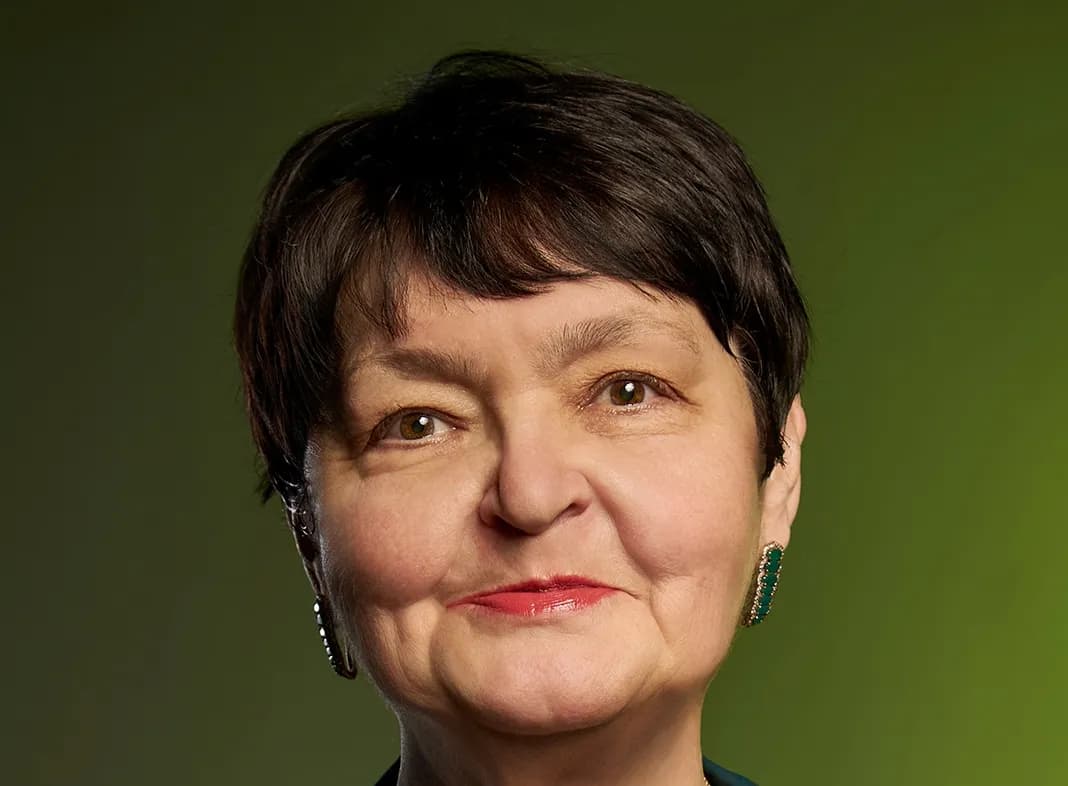
The university's Academic Council approved the creation of the new department at its June meeting. According to Rector Natalya Zhukova, the department's academic focus reflects the university's mission and is designed to prepare IT professionals for the bioeconomy, one of Russia's national development priorities.
Elena Lomakina, Director of the Institute of Industrial Engineering, Information Technology and Mechatronics, outlined the changes. She emphasized that the university has built a modern digital learning environment to prepare future professionals.
The new department marks a shift from teaching IT subjects as separate disciplines to creating a unified interdisciplinary digital learning environment. Previously, digital skills supplemented students' primary specializations. Now they form the core of the curriculum. Students work with real industrial data while learning artificial intelligence technologies and digital twin development.

A Fresh Momentum for the Bioeconomy
ROSBIOTECH already operates the "Tsifrovoye prostranstvo ROSBIOTECH" (ROSBIOTECH Digital Space), a virtual environment that provides services and databases accessible from any device at any time. The university is also testing shared access to high-performance computing resources for machine learning and artificial intelligence projects. The Institute of Industrial Engineering, Information Technology and Mechatronics will offer 542 state-funded full-time and part-time enrollment slots for the 2026 academic year.
The department will prepare professionals capable of solving applied challenges across a wide range of bioeconomy sectors. That includes designing and deploying technologies in real production environments, from machine vision and data analytics systems to digital twins and intelligent control systems.

Neural Networks on the Factory Floor
The department is developing its academic programs in close collaboration with industrial software developers and digital solution integrators. Those partnerships include internships and practical training at manufacturing facilities, industry-sponsored student projects, and direct participation by technology experts in designing the curriculum.
"It is important to us that graduates arrive at an enterprise already understanding how it operates and what challenges it faces. That is why our industry partners participate in education at every stage," says Elena Lomakina.
One example of that collaboration is the university's partnership with Albiga, a system integrator specializing in machine vision systems and neural network deployment for food manufacturing companies. Company experts have recorded 12 hours of lectures for ROSBIOTECH students covering data science and neural networks for image processing while demonstrating how these technologies are applied in real manufacturing environments. Another example is AXELOT's participation in a conference marking the university's 95th anniversary, where educators and industry representatives discussed preparing professionals for the digital era.

22,000 Future Professionals
According to estimates by Minpromtorg (Ministry of Industry and Trade of the Russian Federation), Russia's economy will require more than 22,000 bioeconomy professionals by 2036. Most of those positions will require a university degree. Graduates who combine expertise in biology, chemistry, engineering, and information technology are expected to become the workforce that enables the development of Russian industrial automation systems, enterprise digital twins, and management platforms for biotechnology production.
Exporting these integrated solutions, including software, technology platforms, and even workforce training programs, is likely only a matter of time. Meanwhile, the Russian Biotechnological University continues to expand its educational offerings. Together with MGIMO University, it has launched the master's program "Informatsionnye tekhnologii i biznes-analitika v sfere biotekhnologiy" (Information Technology and Business Analytics in Biotechnology). The program includes data lake architecture, neural network analytics, and machine learning. Graduates are being prepared for careers as digital transformation architects, data researchers, and AI program leaders.