Digital Twin for Oilfields Gains New Optimization Algorithms
Researchers at Novosibirsk State Technical University have developed an algorithm for the oil and gas industry that reduces engineering calculations for designing and upgrading field power infrastructure from three to five months to about one week.
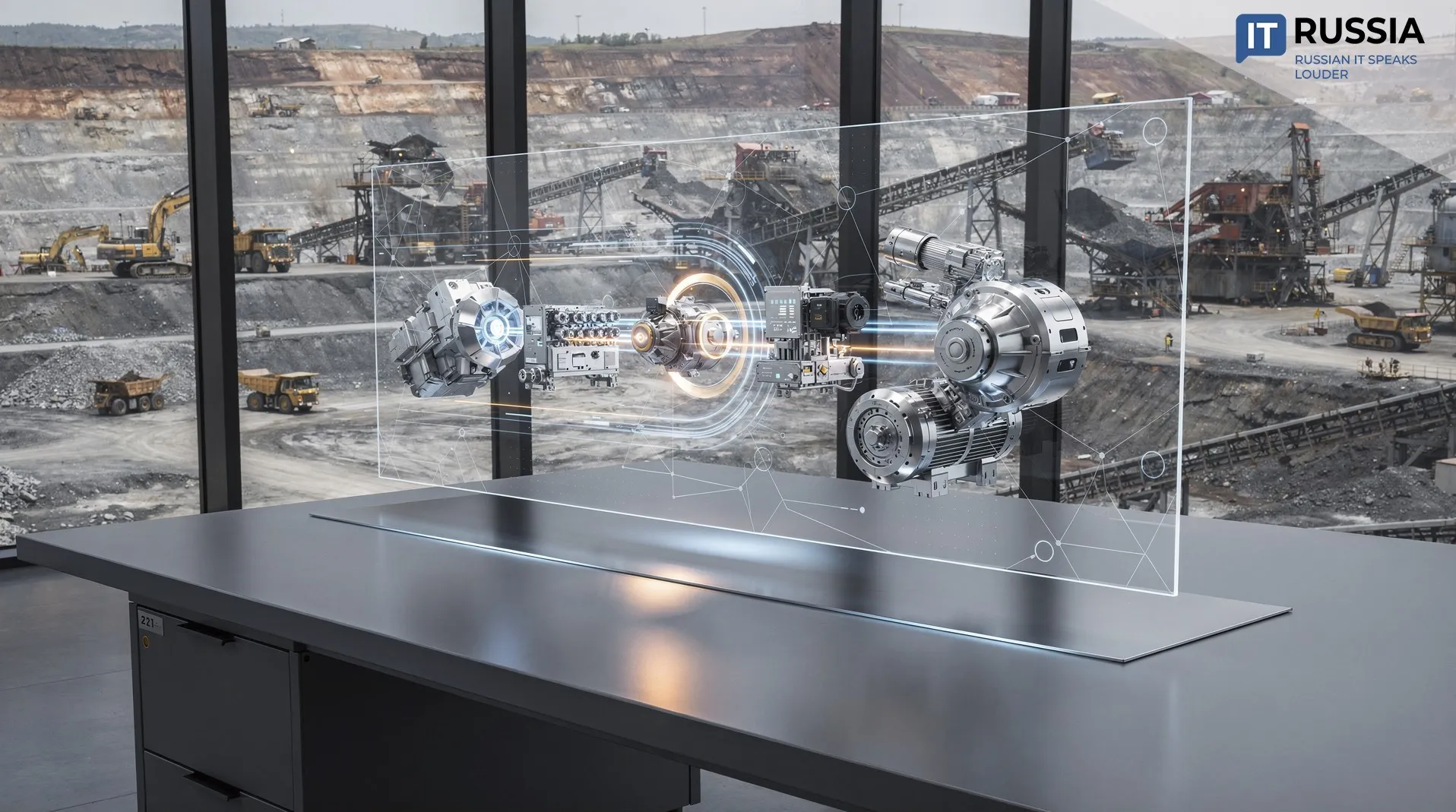
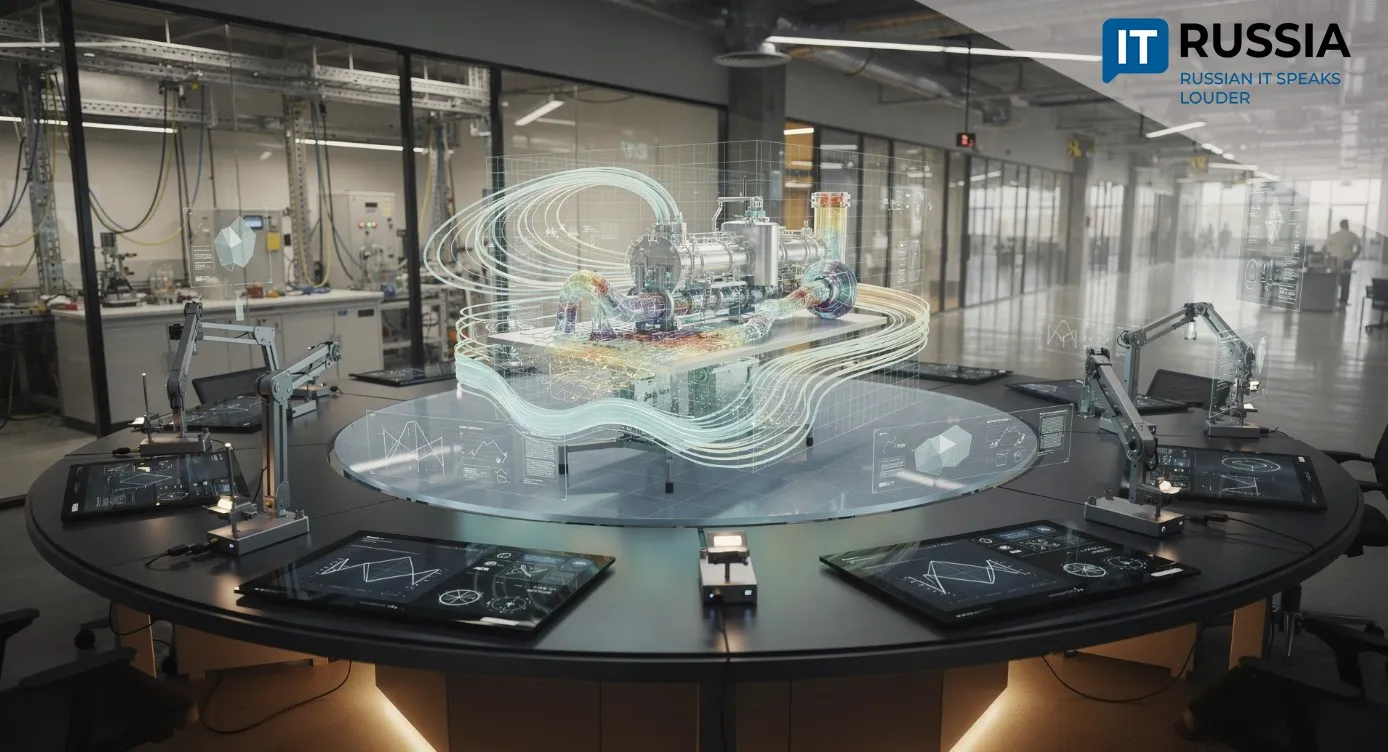
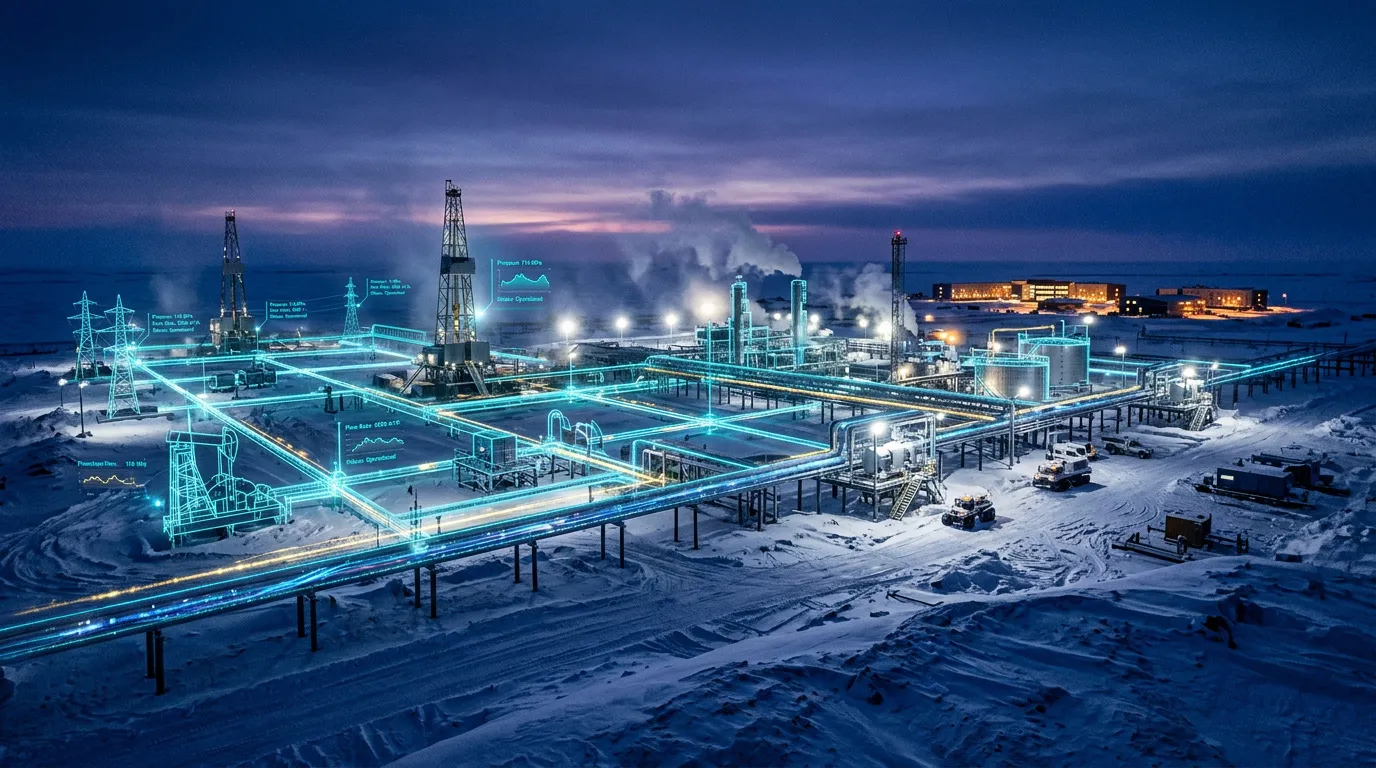
The new technology developed by researchers at Novosibirsk State Technical University (NSTU) is designed to become part of an oilfield digital twin, a virtual model that integrates geological data, production metrics, power supply information, grid conditions, and electricity demand into a unified operating environment.
The application-specific algorithm is designed to accelerate engineering calculations while making oilfield power system management more transparent. That addresses a pressing industry challenge: power infrastructure at many producing fields has aged significantly, while new generating capacity has not kept pace with rising demand. Estimating future electrical loads for modernizing existing assets or designing new facilities remains both time-consuming and resource-intensive. Until now, the market has lacked a dedicated tool for solving this problem.
An equally important capability is the system's ability to generate multiple infrastructure design scenarios tailored to specific operational objectives. It does so through automated data collection, processing, and simulation. But the platform's capabilities extend well beyond engineering design. Operating in real time, the platform monitors infrastructure conditions, evaluates system performance, and continuously adapts power supply to changing operating conditions.
A New Level of Planning
If the technology delivers the expected performance in broader deployment, it could find applications not only in engineering design but also in energy audits of operating oil and gas fields. For Russia, where producing assets are often located in remote regions, the technology could become particularly valuable.
The algorithm was tested on operating oil and gas assets rather than only under laboratory conditions. One of the principal case studies involved the Romanovskoye field, where the system processed data from 51 well pads and 243 wells. That made it possible to evaluate how effectively the algorithm handles large volumes of heterogeneous information, including geological data, production parameters, and power network conditions, under operating conditions that closely resemble real field environments.
The technology also arrives at an opportune moment, aligning with Russia's initiative to develop digital twins across the fuel and energy sector, first announced in 2025. The country has set a long-term goal of creating KiberTEK (Cyber Fuel and Energy Complex) by 2050. At the same time, the Ministry of Energy has outlined plans for an industry-wide digital twin spanning the entire value chain, from crude oil production through petrochemical manufacturing. The ministry also intends to use digital twins to help determine tax regimes for oil and gas fields. In that sense, digital twins are expanding beyond operational modeling to support economic modeling and regulatory decision-making.

A Valley of Digital Twins
Gazprom Neft was among the industry's early pioneers in adopting digital twin technology. In 2021, the company developed a digital twin of the A. Zhagrin oilfield. The virtual model replicated production operations, logistics, reservoir pressure maintenance, and crude oil treatment, representing one of the earliest deployments of digital twin technology at a large-scale oil and gas asset.
That same year, Messoyakhaneftegaz launched a digital operations center for its Arctic oilfield. Its digital twins were synchronized with live production processes and reproduced the production cycle with 97% accuracy. The technology was used to support real-time production management.
Gazprom Neft has since expanded its digital twin portfolio. The company developed a digital twin for seismic exploration, creating an online platform for planning, executing, and analyzing oil and gas exploration projects during the upstream exploration phase. It is also developing a digital twin of permafrost conditions for fields on the Yamal Peninsula. The platform integrates data from engineering and geological boreholes, satellite imagery, and field surveys to forecast permafrost behavior and assess risks to industrial infrastructure.

Taken together, these developments suggest that digital twins are evolving beyond broad representations of industrial operations toward specialized tools designed to solve increasingly specific operational and engineering challenges.