Amber Room Comes to Life in VR at a Museum in Yekaterinburg
The Yekaterinburg Museum of Fine Arts (YMFA) has opened a virtual reality version of the Amber Room as part of its Tsarskoye Selo: Masterpieces of the Imperial Residence exhibition. Visitors can explore the iconic interior at the museum's main building through August 16.
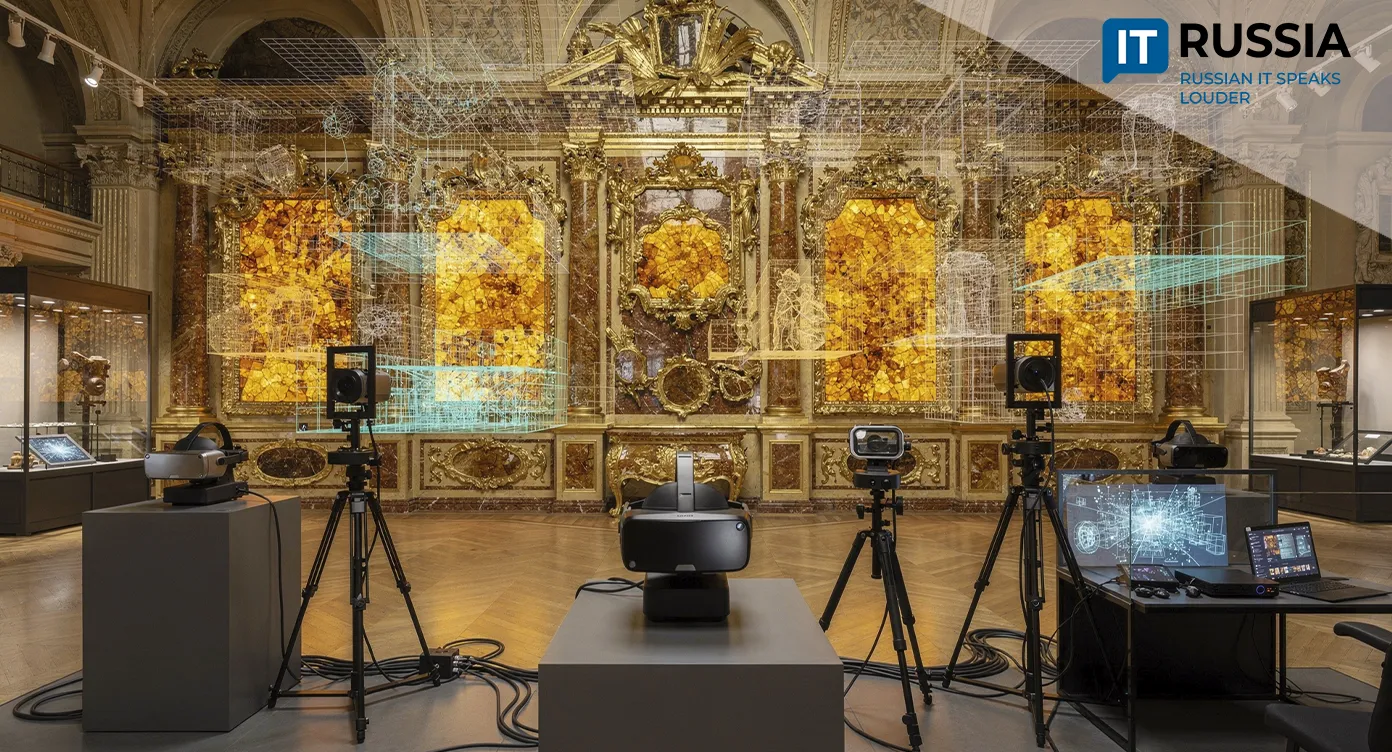
The Amber Room is often called the "Eighth Wonder of the World" by the staff of the Catherine Palace. The historic chamber, decorated with amber panels and mosaics, was created by Prussian craftsmen under King Frederick I as a gift to Emperor Peter the Great. During World War II, German forces looted the Catherine Palace and removed the Amber Room. The masterpiece was taken to Germany, where parts of its decorative panels disappeared. In the second half of the twentieth century, Russian restorers undertook a painstaking reconstruction using amber from Kaliningrad, completing the restoration in 2003.
A few years earlier, in 2000, Germany officially returned surviving original elements of the Amber Room - the Florentine mosaic Touch and Smell and the amber chest of drawers that had occupied one of the room's central positions.
The exhibition Tsarskoye Selo: Masterpieces of the Imperial Residence was organized jointly with the Tsarskoye Selo State Museum-Preserve to mark the 90th anniversary of the Ural museum. The museum-preserve's collections include more than 57,000 artifacts, ranging from amber artworks, paintings, and graphic art to artistic bronze, Eastern art, Chinese and Japanese porcelain, and personal belongings of Russian emperors. The exhibition in Yekaterinburg features 360 exhibits, including one of its highlights - the original Florentine mosaic Touch and Smell from the Amber Room.
Virtual Room
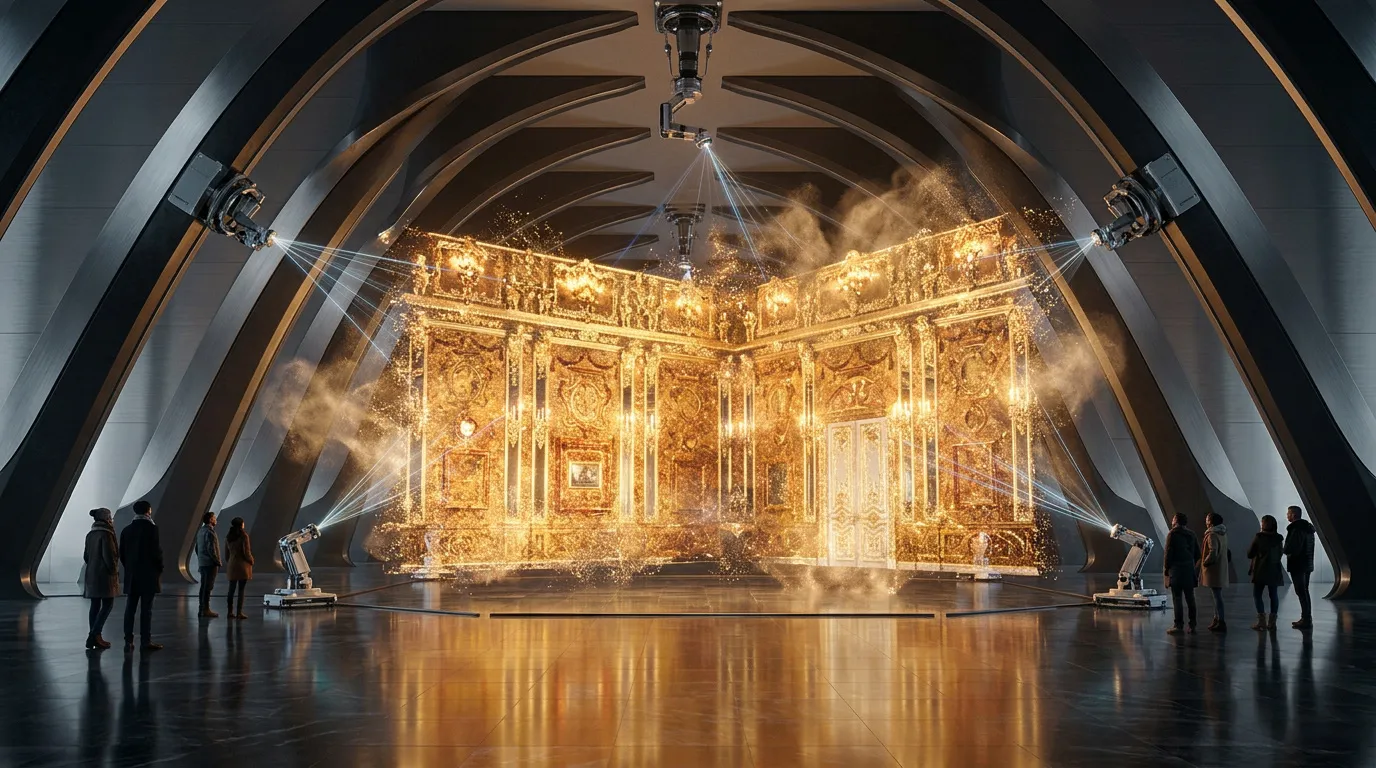
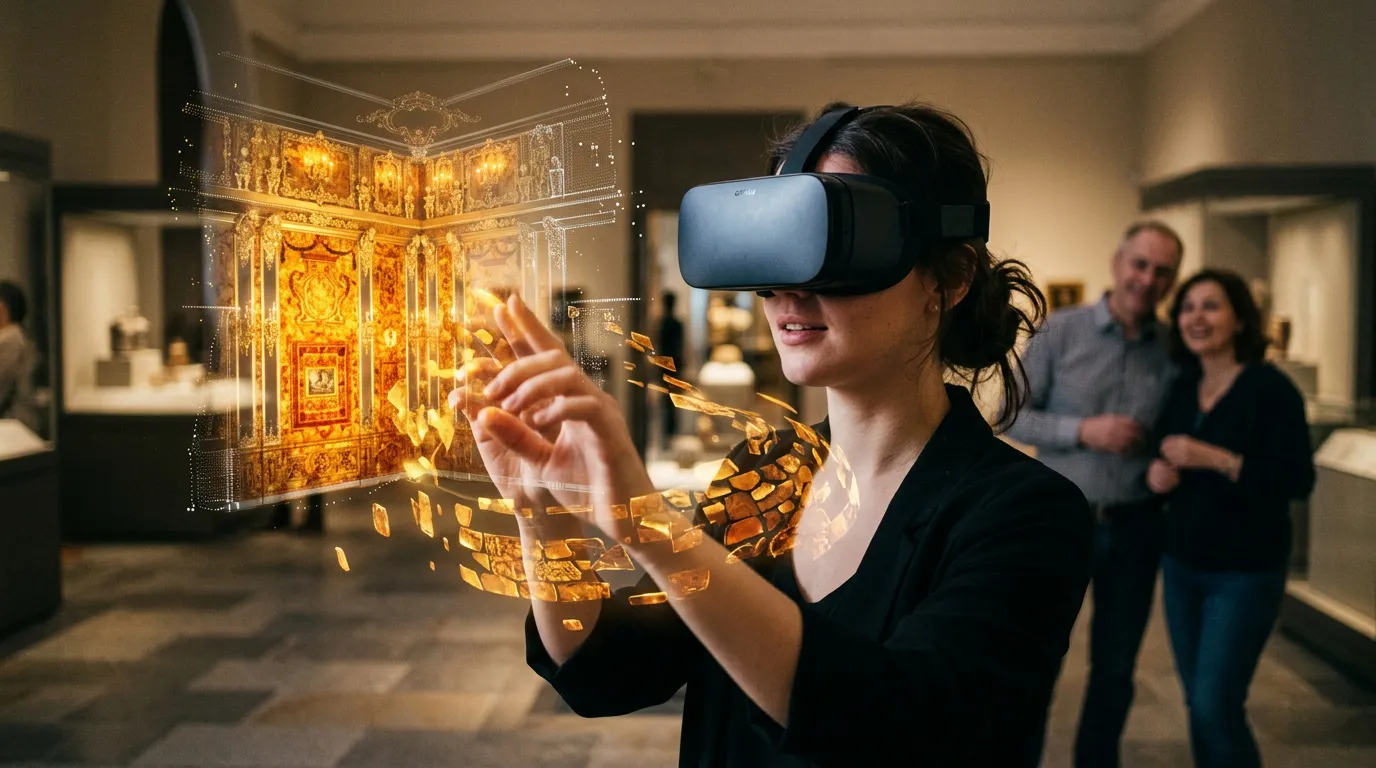
The Amber Room. VR Version project was created by the Tsarskoye Selo State Museum-Preserve in 2022. It recreates the world-famous Catherine Palace interior as a highly accurate interactive virtual reality experience. Special equipment brought to Yekaterinburg allows visitors to examine the Amber Room's interior in extraordinary detail, zoom in on individual objects and decorative elements, and closely study its Florentine mosaics and intricate carvings.
Unlike a traditional museum visit, the virtual environment allows visitors to examine exhibits from extremely close range while also learning more about the room's history, artistic techniques, and materials.
Creating the project took about a year. Building a virtual tour of the Amber Room proved particularly challenging because roughly 70% of the interior consists of surfaces that are notoriously difficult to digitize, including mirrors, gilded carvings, and translucent amber. Even so, Russian professionals succeeded by combining advanced 3D scanning and VR modeling technologies. Today, no comparable VR reconstruction of the Amber Room exists anywhere in the world.
VR Modeling Becomes a New Museum Tool
Russian museums are moving beyond simply digitizing collections toward more immersive experiences. VR modeling is emerging as one of the sector's most promising technologies. It can support traveling exhibitions, educational programs, regional tourism initiatives, and long-term preservation of cultural heritage sites.
For residents of Yekaterinburg and visitors alike, the project offers a rare opportunity to experience a masterpiece from the Catherine Palace in Tsarskoye Selo without leaving the city. At the same time, it strengthens Yekaterinburg's appeal as a tourist destination and reinforces its position as one of Russia's major cultural centers.
Digital cultural initiatives expand public access to heritage collections and make exhibitions available remotely, which is why they receive government support. The Yekaterinburg Museum of Fine Arts demonstrates how national museum collections can be brought to regional audiences not only through physical exhibitions but also through more accessible digital experiences.
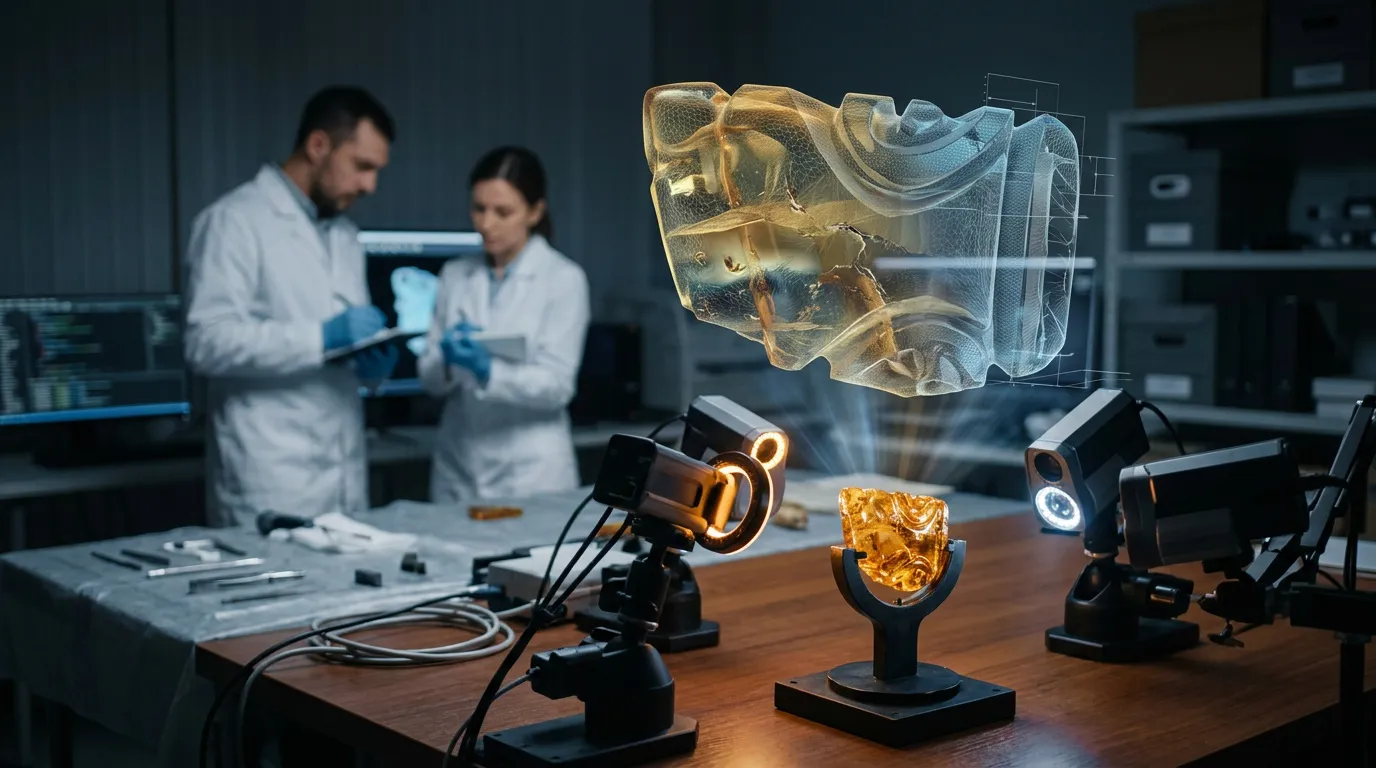
Experts expect projects of this kind to become increasingly common. VR technologies are likely to be used for museum exhibitions, K-12 and university education, tourism routes, and the international presentation of Russian cultural heritage.