Russian Schools to Teach Students Prompt Engineering for AI
The Kodik Obrazovanie program aims to train students to work with artificial intelligence tools

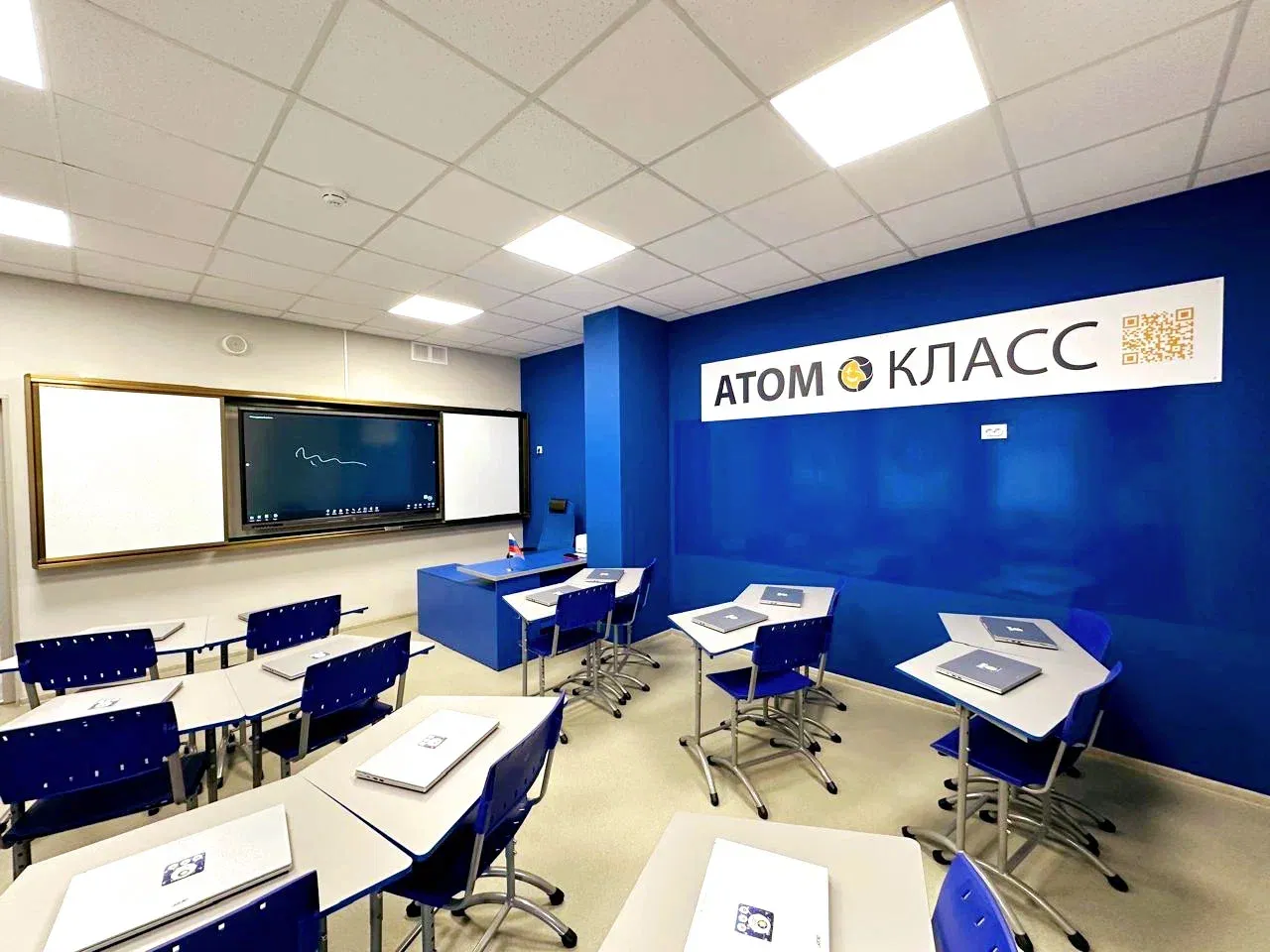
Russian company ArkhiTekh AI has launched an educational program to teach school and university students how to interact with language models. The project has already reached more than 70 classes and nearly 1,000 students across the country.
The initiative places particular focus on northern regions. Hundreds of students in the Yamalo-Nenets Autonomous Okrug, Yakutia, and the Khanty-Mansi Autonomous Okrug have joined the program, where demand for such skills is growing.
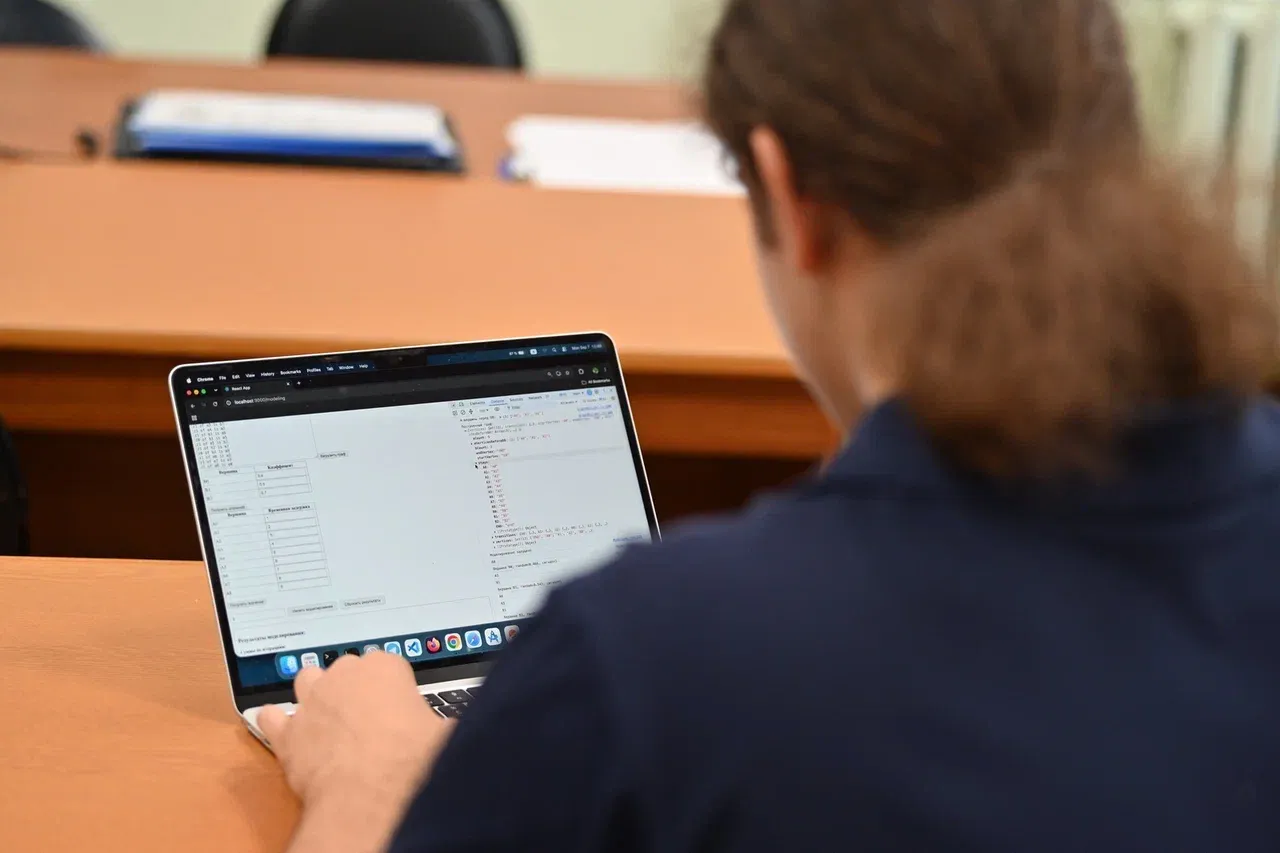
The curriculum introduces students to the basic principles of working with artificial intelligence. Participants learn how to formulate prompts, understand how models operate, and use the technology safely.
For Real-World Use
Course developers emphasize practical application. Students are taught to use neural networks as tools for data analysis and problem-solving.
The program’s authors say AI skills are becoming part of the standard toolkit required for in-demand professionals. Companies are increasingly looking for employees who can integrate neural networks into organizational workflows.
From Megacities to the Arctic
The project also includes schools in major cities such as Moscow, Novosibirsk, Yekaterinburg, and Rostov-on-Don.
Courses have also launched in regions with rapidly developing industrial sectors, including the Amur region, Primorye, and the Urals. Businesses there face acute labor shortages, and the new courses aim to help close the skills gap.
Developers stress that the project is built on collaboration between technology companies and educational institutions. This model helps train specialists with practical, industry-relevant skills.
AI Teaching AI
The Kodik Obrazovanie program is designed to prepare students for real-world work. Participants study not only how neural networks function but also how they are applied in business and the broader economy.
The program’s authors say the use of language models has already become routine. Teaching students to use them deliberately and understand their professional applications is now essential.