Russia Develops an Underwater Cargo Vehicle Capable of Multi-Stop Autonomous Delivery
Russia's Kuznetsov Naval Academy has patented the design of an autonomous unmanned underwater vehicle capable of delivering cargo sequentially to multiple locations without human intervention.
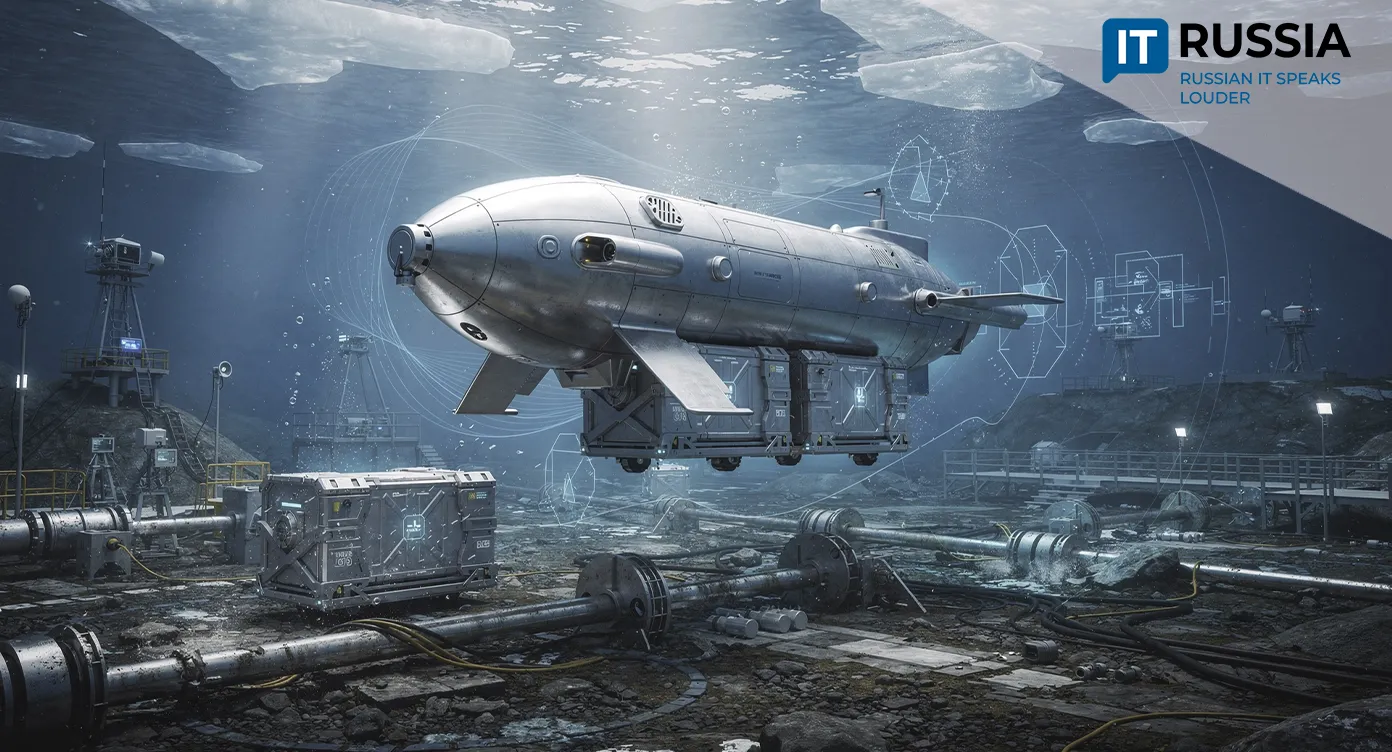
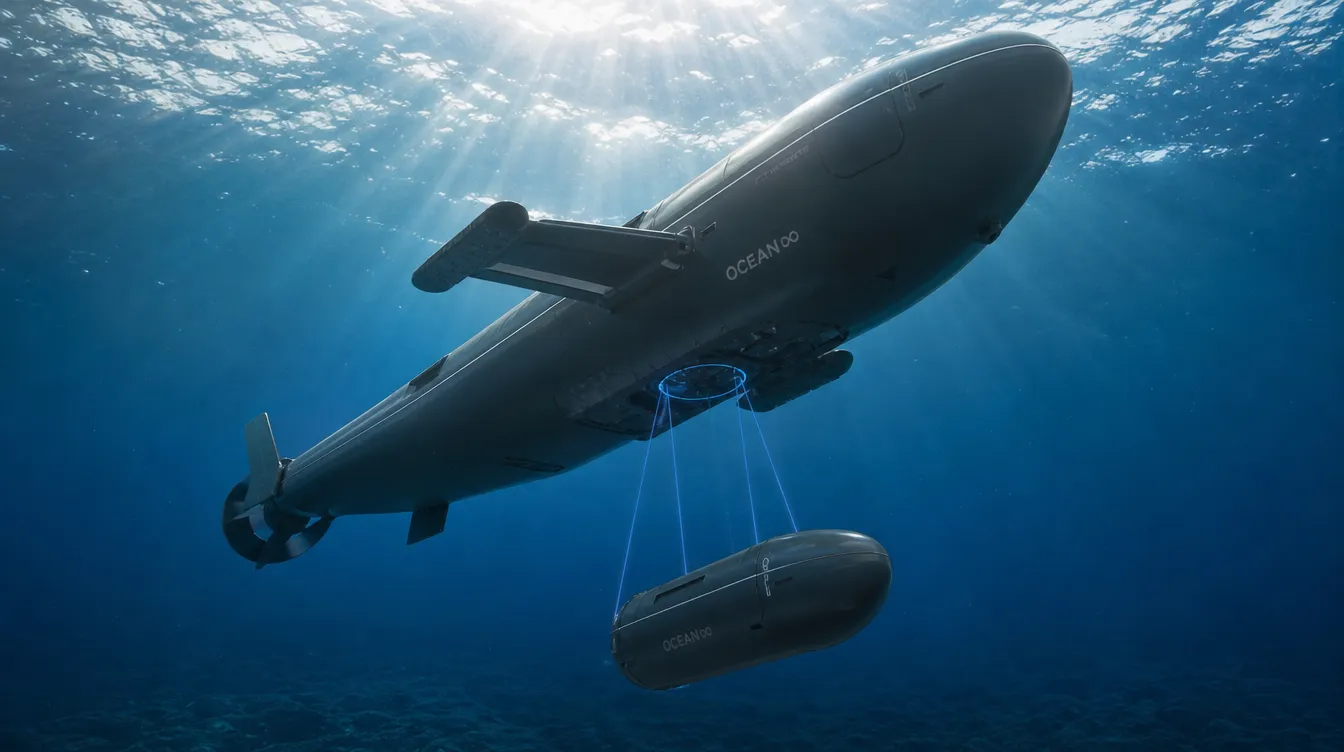
The academy's team has designed an underwater vehicle featuring a detachable cargo module and a retractable lifting surface – essentially a wing that generates lift when traveling at low speed. A key feature of the design is that the wing can move along the hull to compensate for shifts in the vehicle's center of mass after cargo has been released. The control system is designed to receive data wirelessly from its carrier platform, plan its own route, regulate buoyancy, and control trim – the vessel's longitudinal pitch. After releasing one payload, the vehicle can continue autonomously to its next destination.
The significance of the development lies in combining several sophisticated capabilities within a single platform: sequential cargo delivery, automatic compensation for shifts in the center of gravity, and continuation of the mission without external intervention. The key IT component consists of algorithms that recalculate motion parameters in real time as the vehicle's mass changes.
From Prototype to a Logistics Network
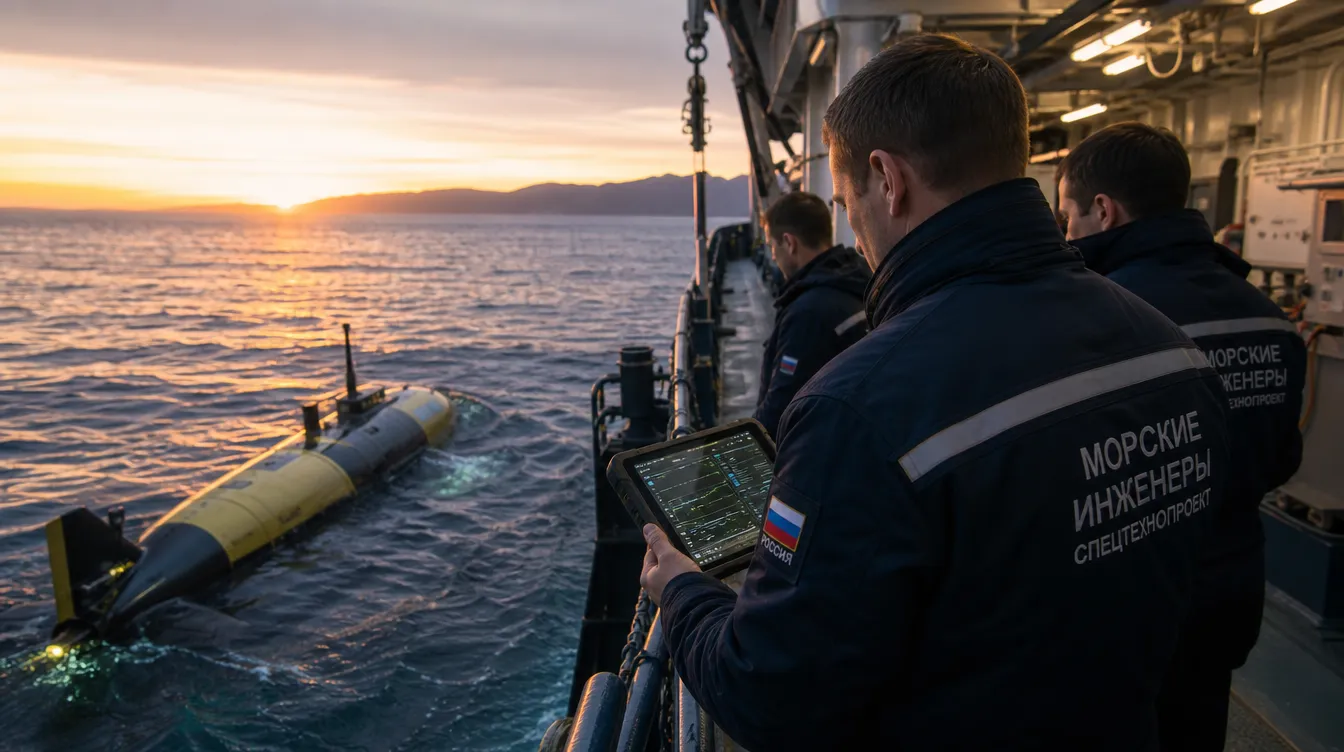
The project's immediate priorities involve building an experimental prototype and validating three critical systems: the reliability of underwater cargo release, the vehicle's stability after changes in mass, and the effectiveness of the retractable wing. Without these tests, it will be impossible to determine whether the more sophisticated design delivers meaningful improvements in range and energy efficiency.
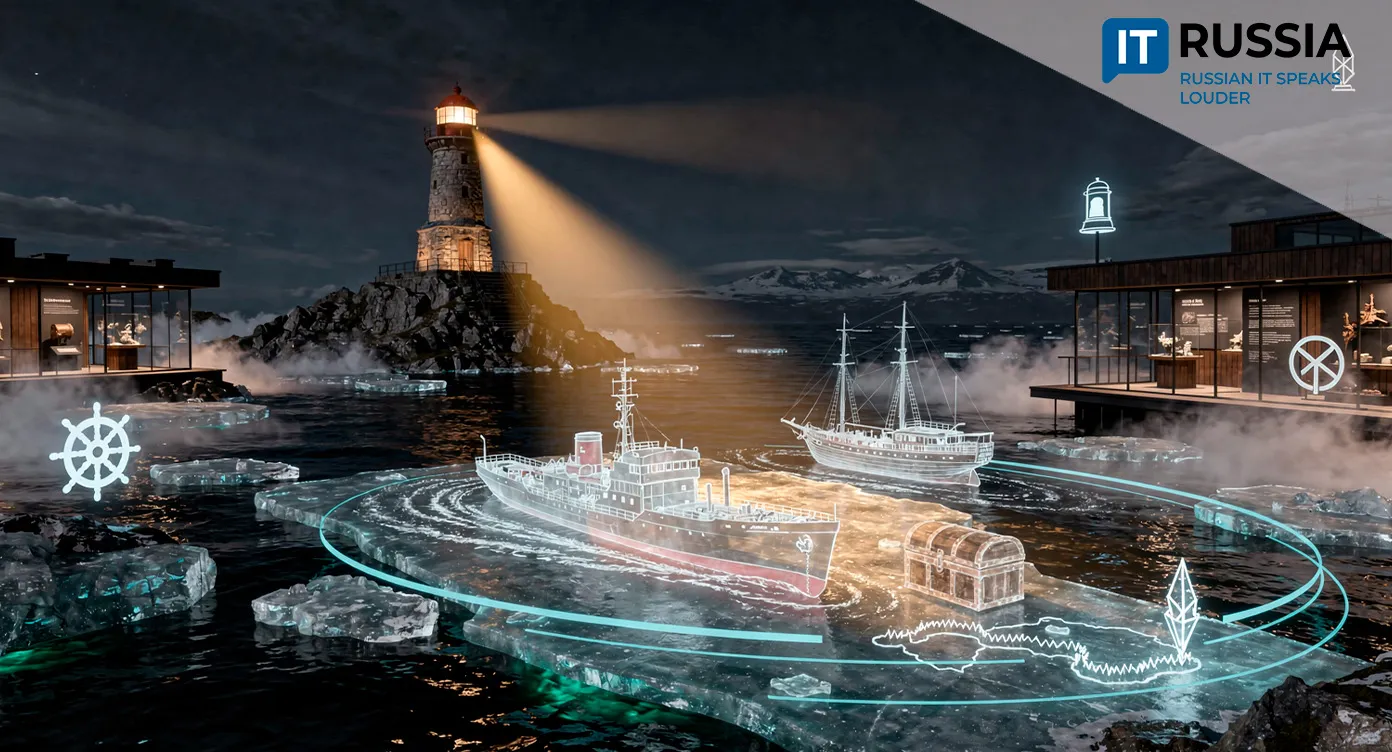
Potential customers include operators of offshore oil and gas projects, hydrographic services, emergency response organizations, research institutes, and agencies responsible for safeguarding and monitoring maritime infrastructure. Another important driver is the continued development of the Northern Sea Route. In regions with severe ice conditions, autonomous underwater vehicles could perform missions that are either seasonal or too hazardous for conventional surface vessels.
The development of underwater infrastructure is providing additional momentum for the sector. For example, the Oktavis project from Rubin Central Design Bureau envisions underwater stations capable of recharging and hosting marine robots. Combined with autonomous cargo vehicles, such stations could become the foundation of future underwater logistics networks.
A Rising Tide of Innovation
The academy's development reflects growing interest in autonomous marine platforms. In 2022, the St. Petersburg International Economic Forum featured a system combining underwater and wave gliders for detecting oil pollution. In 2023, engineers upgraded the Vityaz-D deep-sea vehicle, which had previously completed a fully autonomous mission to the bottom of the Mariana Trench.
In 2024, Rubin Central Design Bureau for Marine Engineering introduced Argus-D, Russia's first underwater robotic vehicle designed with a deployable payload. That same year, Rubin also unveiled the Oktavis station concept, marking a shift from standalone underwater vehicles toward integrated infrastructure for basing and recharging them. During the same period, United Shipbuilding Corporation presented an Arctic robotic system designed for year-round seismic exploration and underwater resource extraction.
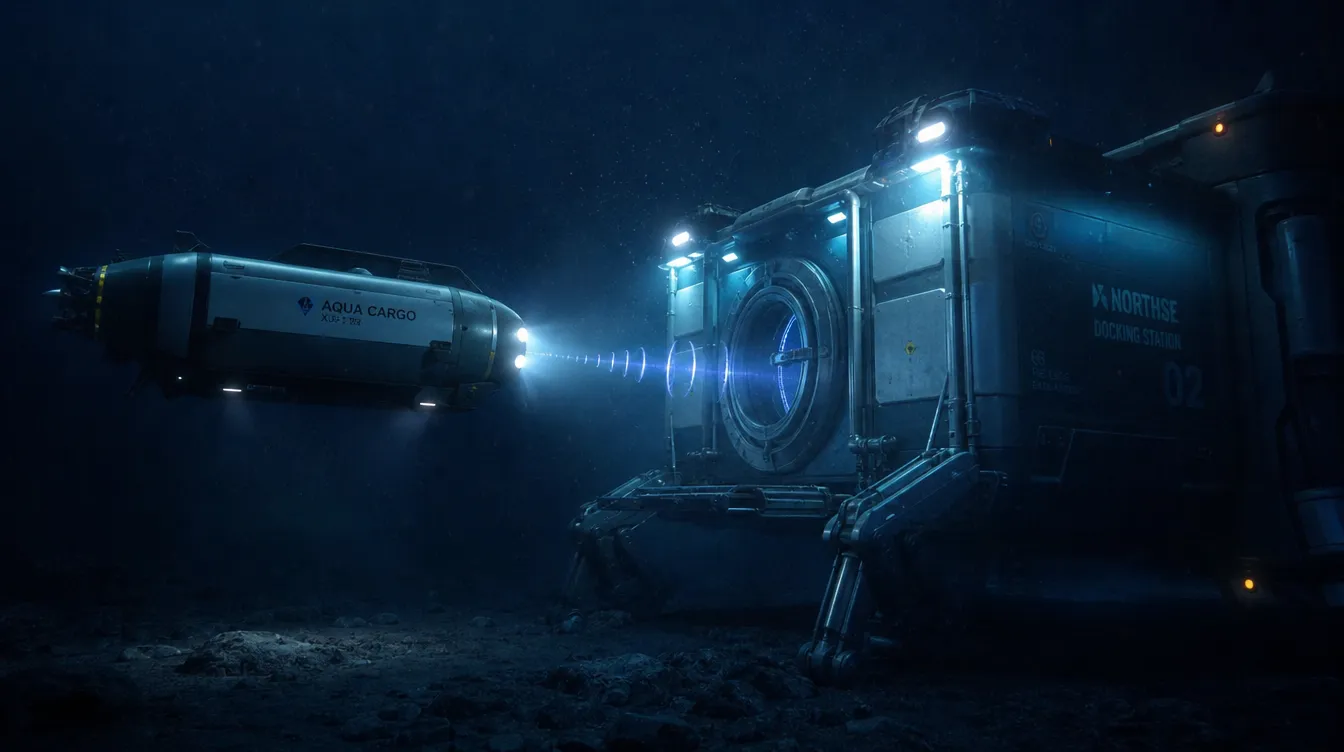
Will the Vehicle Become Part of Underwater Logistics?
The Naval Academy's patent stands out because it combines cargo transportation, automatic compensation for changes in the center of mass, and the ability to continue an autonomous mission after unloading. In the near term, the project will most likely remain at the experimental prototype stage, with its future depending on testing results and the emergence of customers.
If the claimed performance characteristics are confirmed, the technology could find applications in the Arctic, offshore oil and gas operations, hydrography, underwater infrastructure maintenance, and specialized missions. Its greatest value may come not as a standalone vehicle, but as part of an integrated system that includes underwater stations, communications networks, automated control systems, and coordinated groups of robotic platforms.
In other words, this is a promising patented design rather than the world's first operational underwater cargo vehicle. If testing confirms the system's stability and energy efficiency, Russia could take another step toward building its own autonomous underwater logistics capability, where cargo is transported beneath the surface without crews and routes are recalculated dynamically while the vehicle is underway.