Young Agronomists in Stavropol Explore Smart Greenhouses
At School No. 3 in the village of Sovetskaya, in the Kirovsky district of Russia’s Stavropol region, students are learning hands-on agriculture using a robotics-based “Umnaya Teplitsa” (Smart Greenhouse) training complex.
Digital Agriculture Classrooms
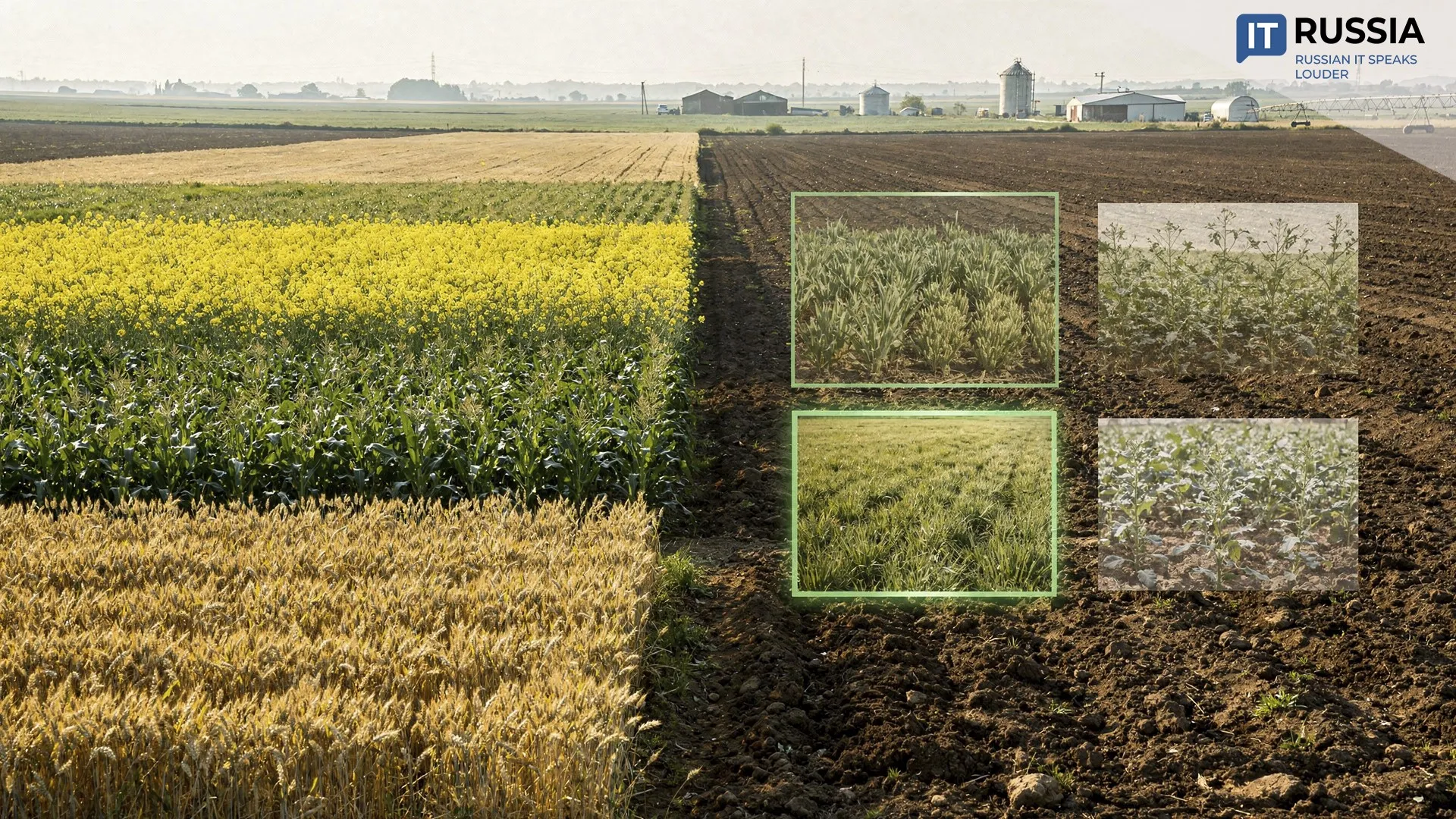
Since September 1, 2025, Russian schools have introduced an agrotechnology education track, including specialized agriculture-focused classes. Designed for upper secondary students in grades 10 and 11, the program emphasizes in-depth study of agriculture, agrotechnologies, ecology, and related sciences. Participation is free of charge.
These agriculture classes are part of the federal project Kadry v APK (Workforce for the Agro-Industrial Complex), which falls under the national program Technological Support for Food Security. The initiative is overseen by Russia’s Ministry of Agriculture. Its core goal is to build long-term human capital by creating a continuous pathway from school to college or university and onward to industry. Given the rapid digitalization of Russian agriculture, information technologies and their application in farming play a central role in the curriculum.
The project is expanding rapidly in the Stavropol region, often described as one of Russia’s key agricultural hubs. School No. 3 in the village of Sovetskaya has received a robotics-based Umnaya Teplitsa complex. Students will work with the equipment as part of supplementary education programs run through the Tochka Rosta (Growth Point) education center.
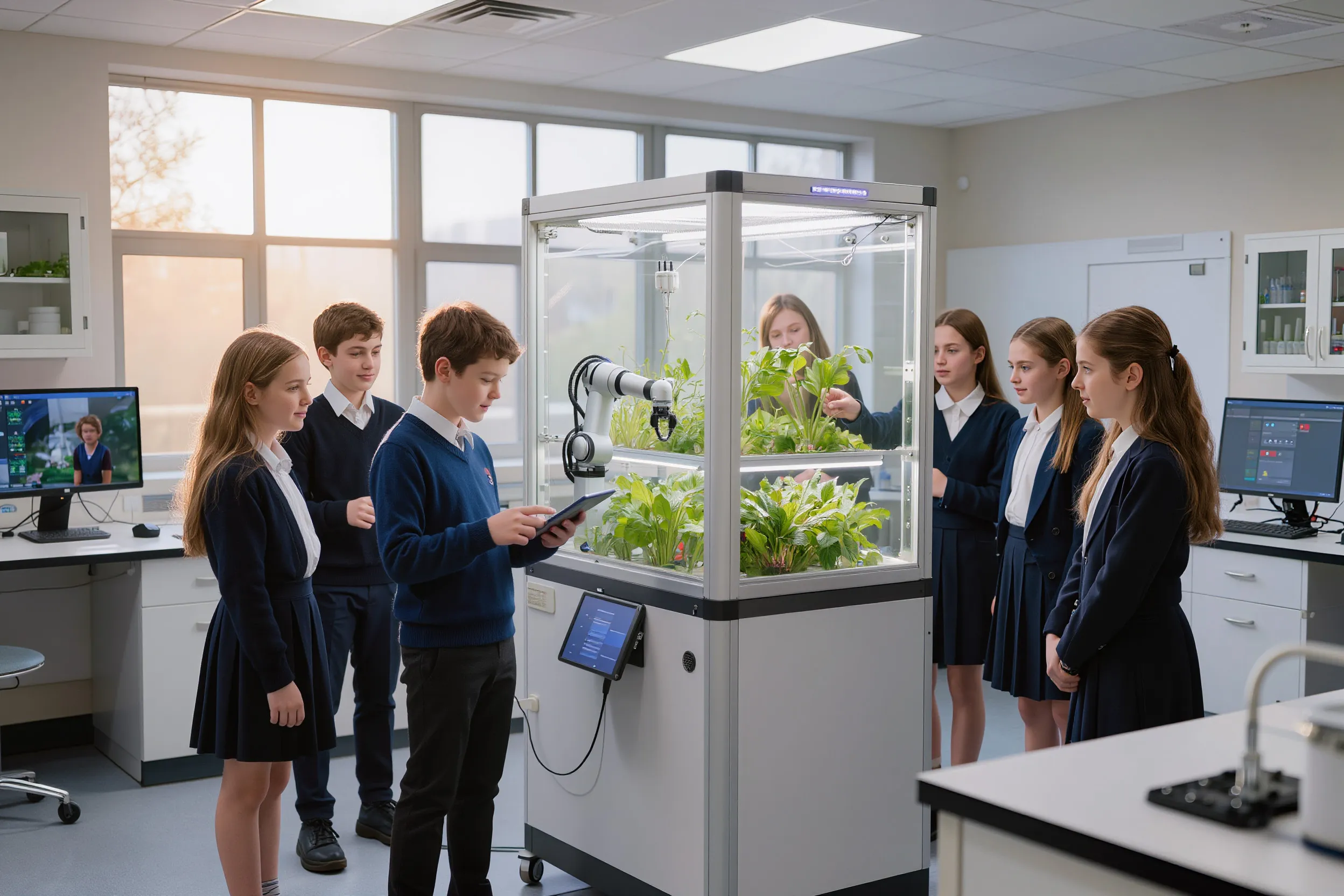
With the new equipment, students can not only study agronomy in greater depth but also apply their knowledge in practice. The Umnaya Teplitsa functions as a mobile laboratory, significantly expanding opportunities for hands-on learning.
A Greenhouse Powered by JavaScript
Lessons in the new educational space are led jointly by an agronomist and a biologist. The modern laboratory setup of the Umnaya Teplitsa allows students to move step by step from theory to real-world application.


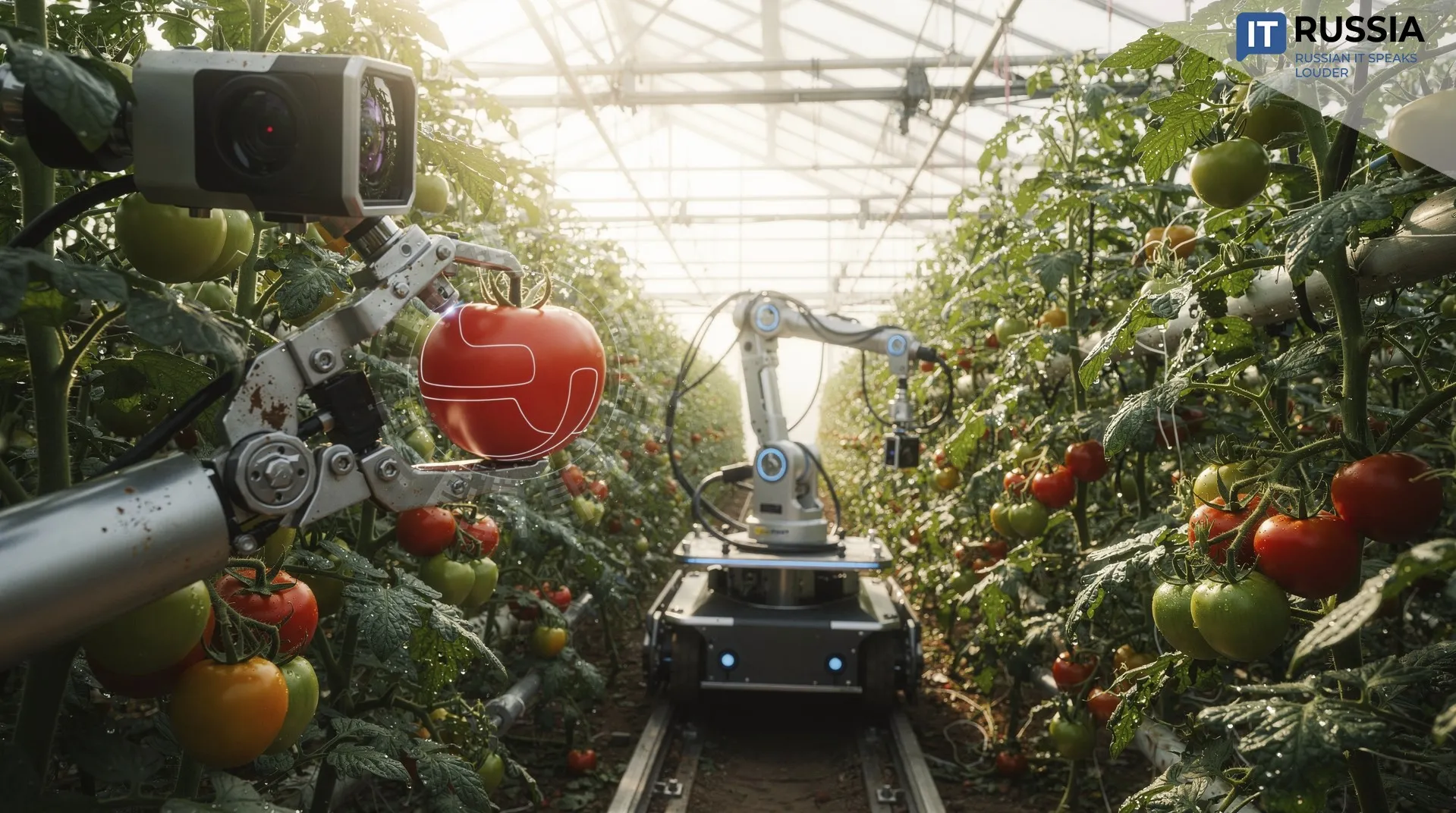
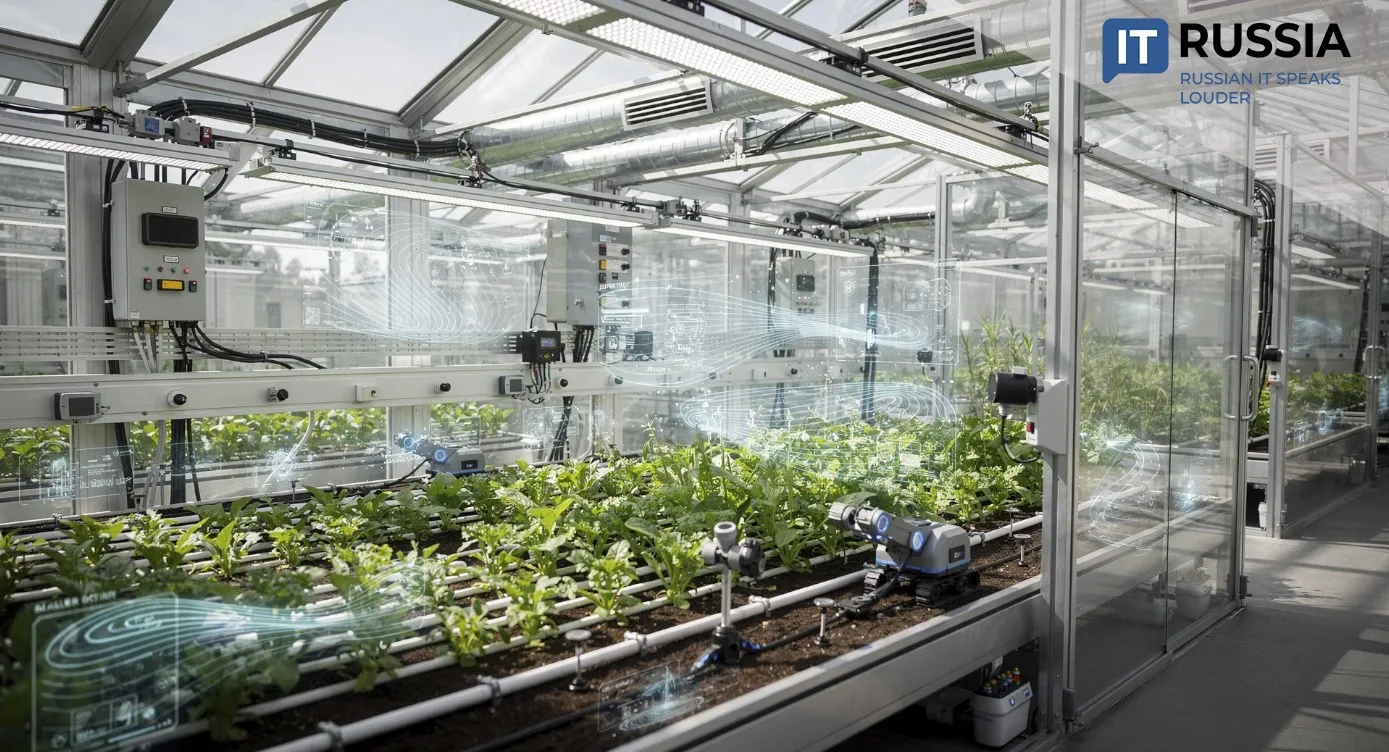
The robotics complex is delivered as a modular kit for assembling a greenhouse model with a robotic control system. During training, students learn how to assemble structural components, wire electrical circuits, and use IoT sensors to monitor internal environmental parameters. They also design automated control algorithms to manage temperature, soil moisture, and lighting for growing biological crops.
A dedicated part of the curriculum focuses on programming in JavaScript using the NodeJS framework, alongside HTML and CSS.
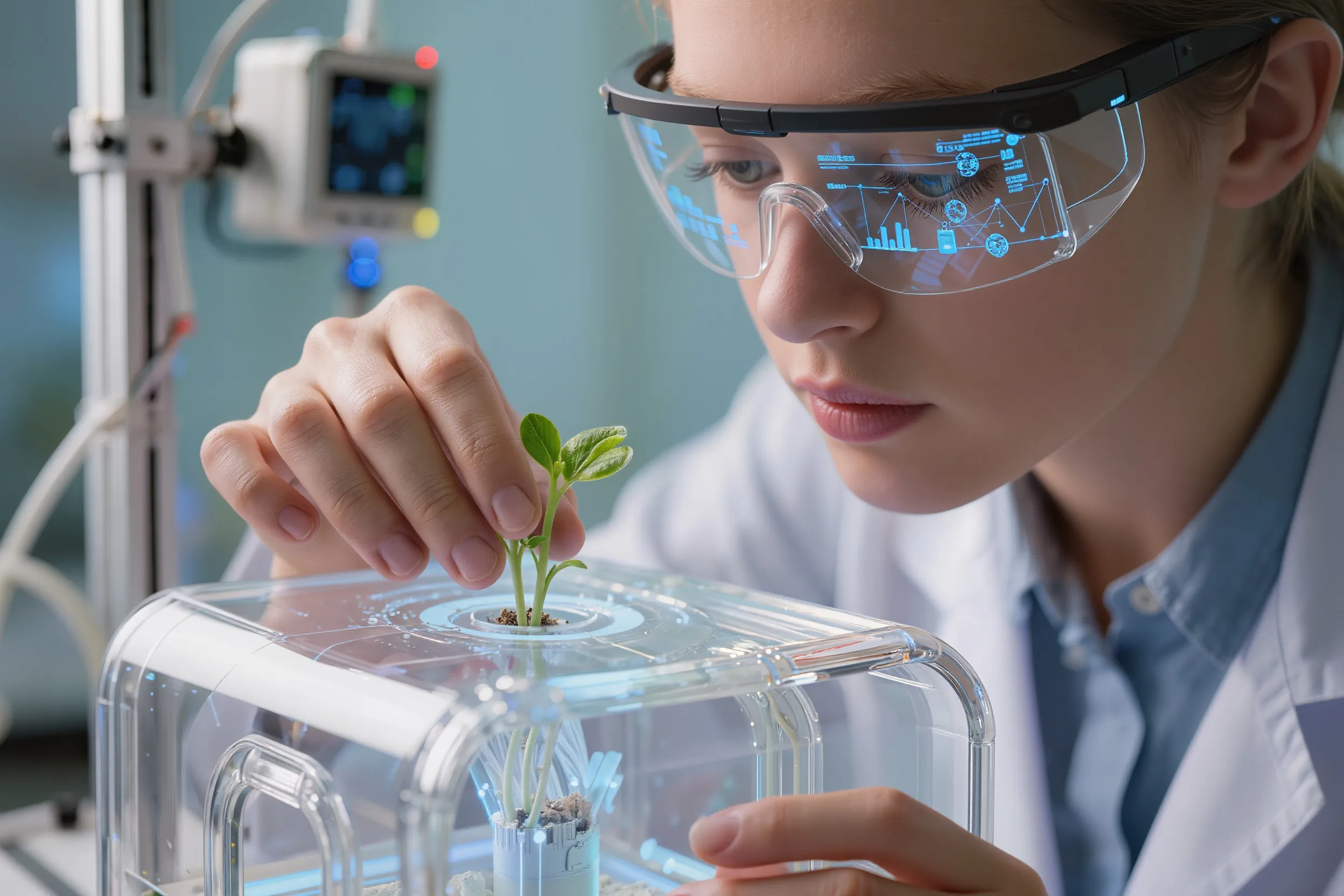
Using the Umnaya Teplitsa, students can study how temperature, soil moisture, and light levels affect plant growth and observe development in real time. This gives them early exposure to the realities of modern, data-driven agriculture.
The program also includes environmental lectures and summer practical training. The complex provides room for both scientific exploration and applied projects, while teaching students to work collaboratively.
Digital Education for a Digital Agro-Industrial Sector
Using IoT sensors to monitor climate parameters in educational greenhouses offers a clear demonstration of how foundational digital agrotechnologies are applied within the school system. These are the same tools already used in commercial agricultural projects. Further integration with remote monitoring and automated control platforms will help students understand the principles behind smart farming.
The Umnaya Teplitsa robotics complex increases student interest in natural sciences and agriculture, improves learning outcomes, and helps build agrotechnology competencies. The project reflects a broader trend toward digital laboratories and IoT-based solutions in Russian schools, aligning with modern educational standards. Over time, the system could serve as a foundation for interdisciplinary programs combining biology, computer science, and engineering.
Agriculture-focused school programs equipped with smart laboratories are already being replicated across regions and incorporated into federal education initiatives. They are supported by nationwide programs aimed at modernizing education and digitizing schools, including Tochka Rosta and Kvantorium centers, as well as other supplementary education hubs.
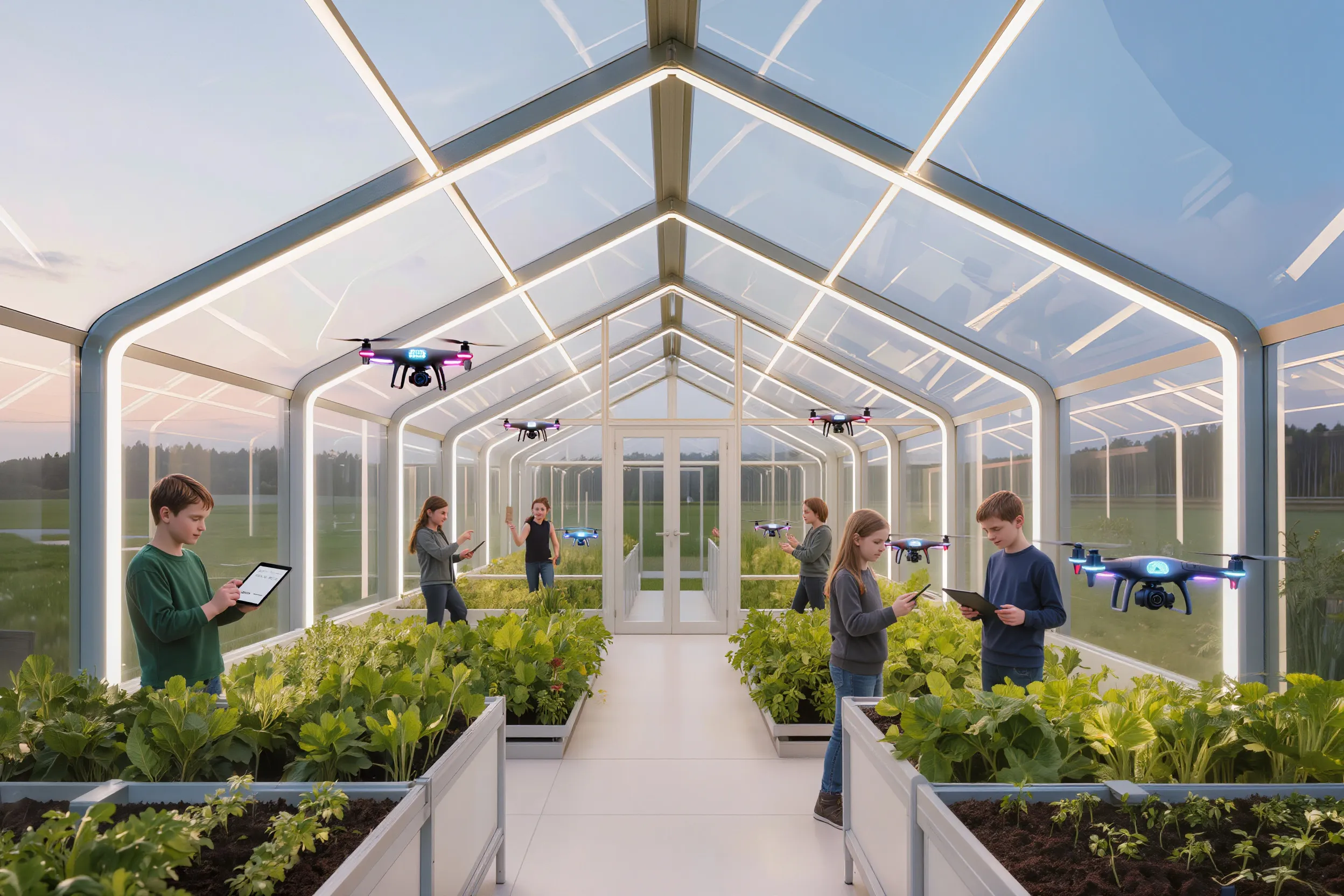
Looking ahead, the methodology and experience gained through digital agriculture education could be of interest to CIS and BRICS countries seeking to develop digital agro-industrial sectors and introduce early career orientation for young people.