Gazprom Neft Scales Up Autonomous Aerial Monitoring
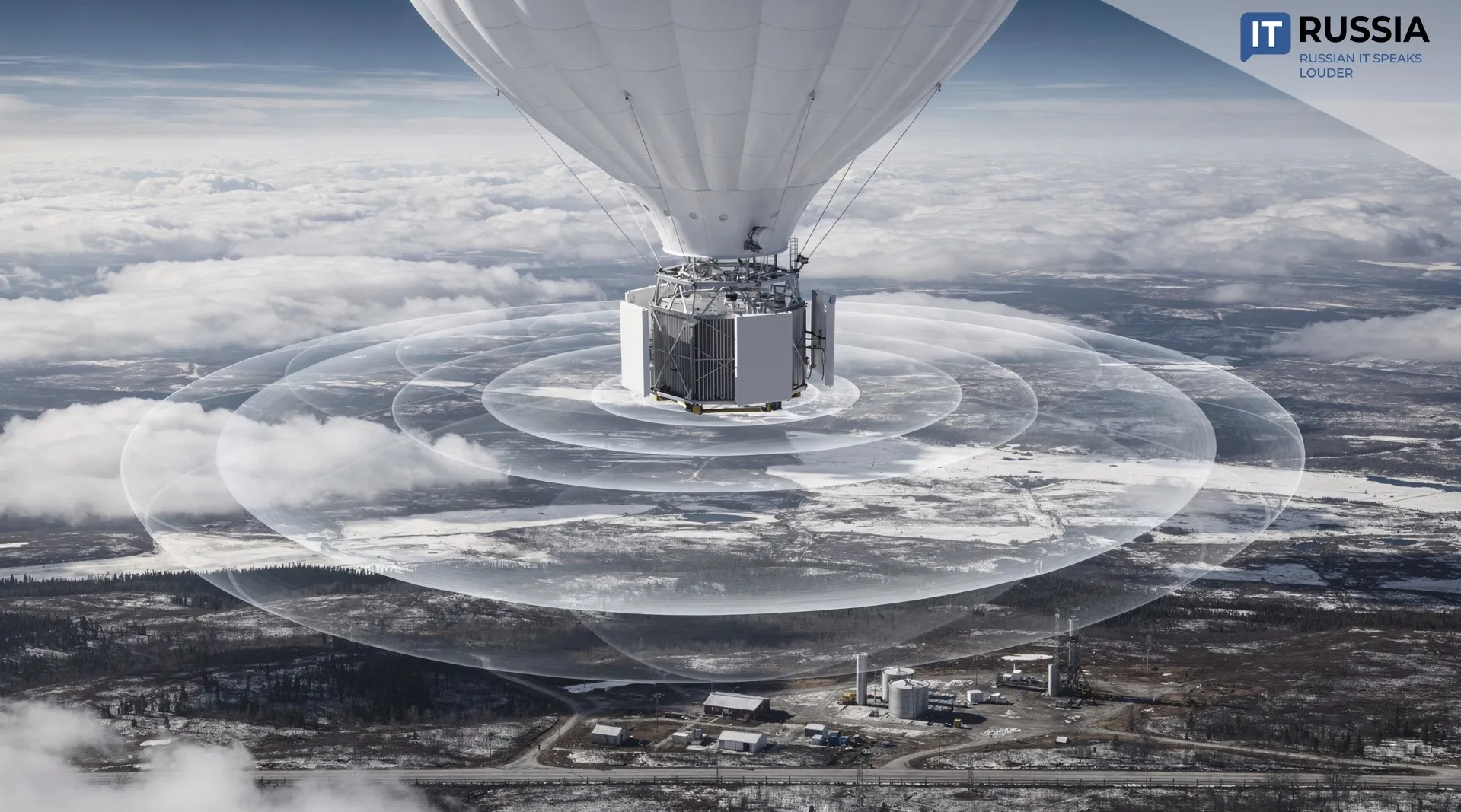
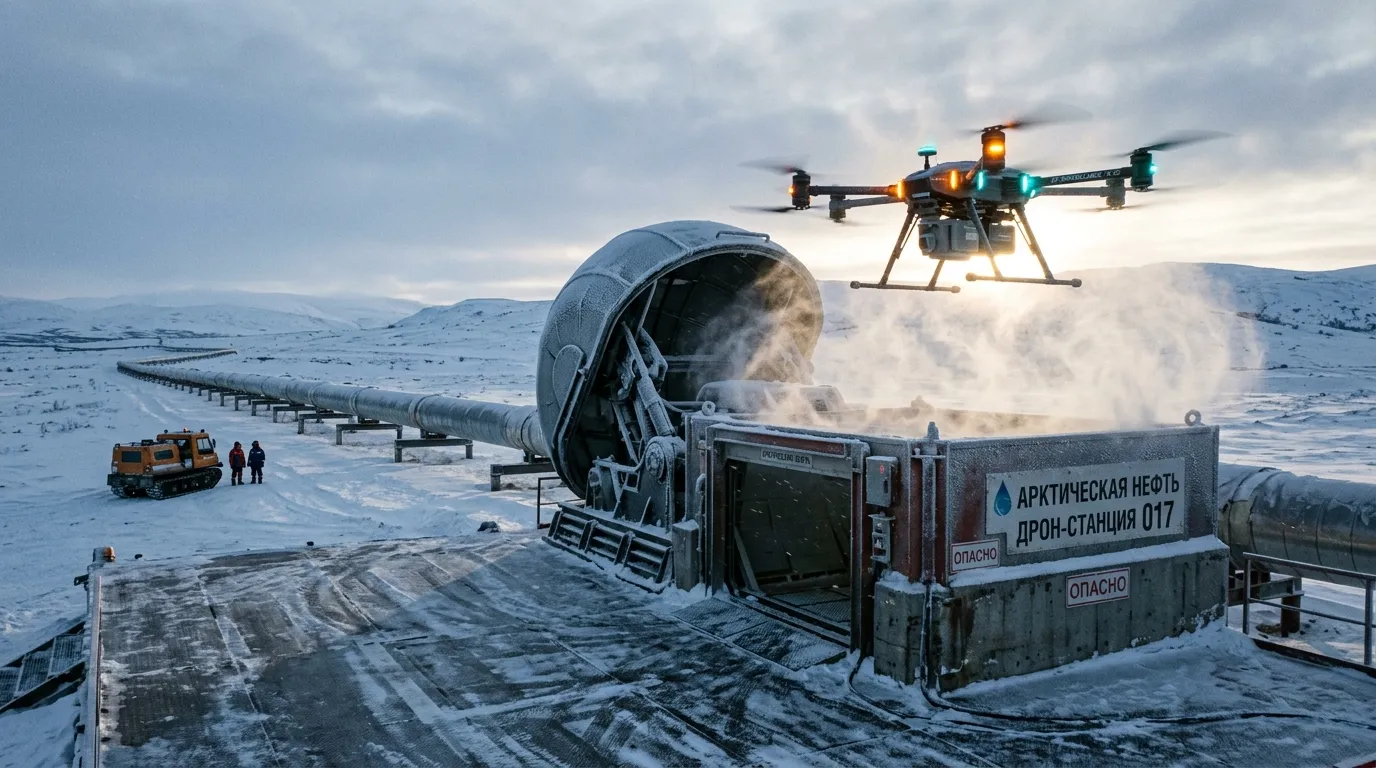
Gazprom Neft has deployed autonomous engineering stations to support unmanned aerial systems at remote oil and gas fields in the Yamalo-Nenets Autonomous Okrug and Yakutia. The technology enables around-the-clock automated monitoring.
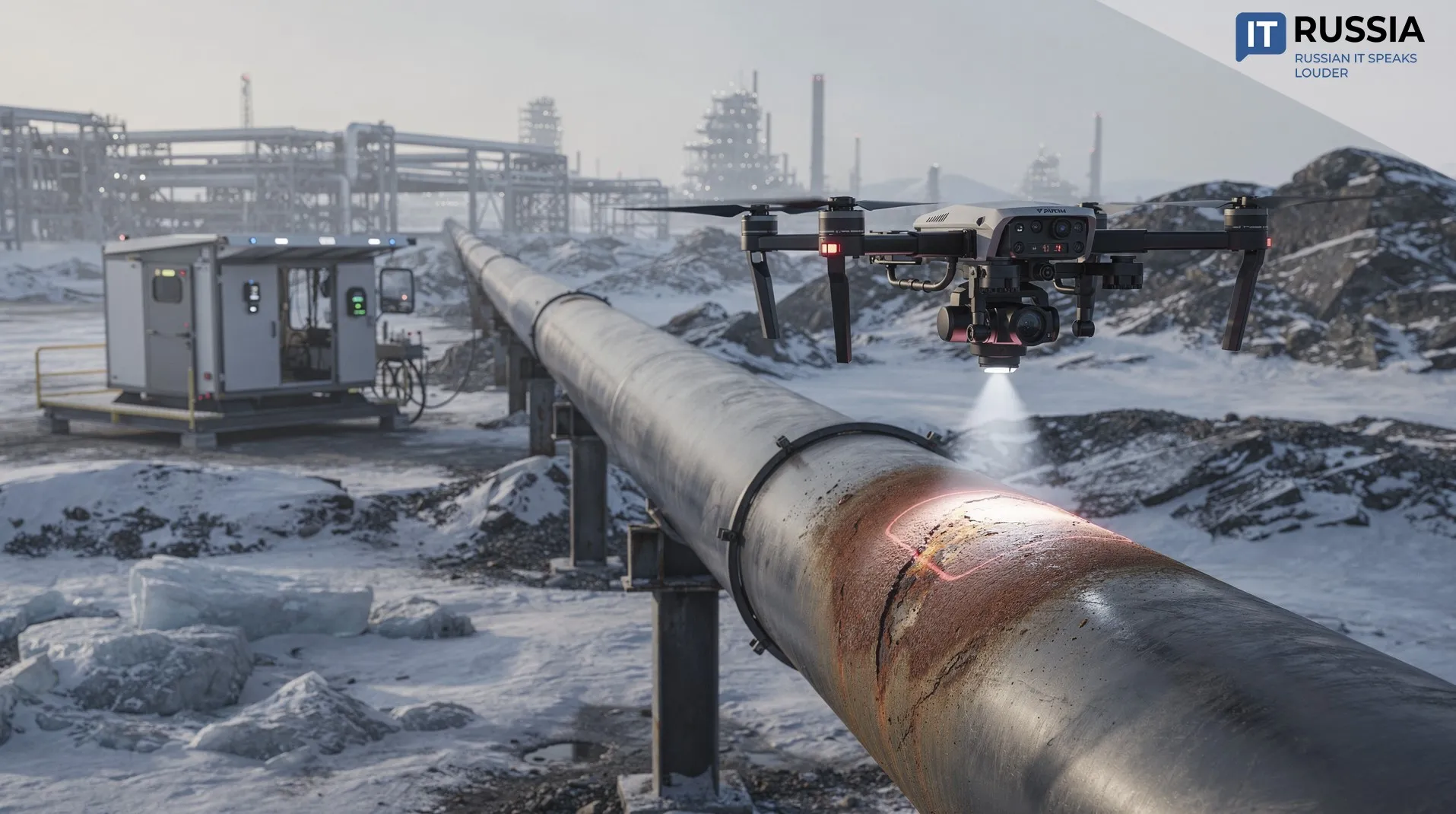
The production infrastructure covered by the system includes pipelines, construction sites, and field equipment. Drones monitor physical assets as well as compliance with environmental safety standards. Their operations are supported by autonomous stations equipped with charging systems and takeoff and landing pads.
In effect, remote sites are getting “mini-airports” for drones. The result is round-the-clock, almost fully automated infrastructure monitoring. The system precisely aligns the drone for “parking,” while contactless charging through a magnetic field eliminates the need to align physical contacts. Data from the drone, including photos, video, and telemetry, is transmitted in real time. Notably, the drones and engineering-station housings are sealed and designed to withstand extreme conditions common in Russia’s Far North, including freezing temperatures, wind, moisture, and dust.
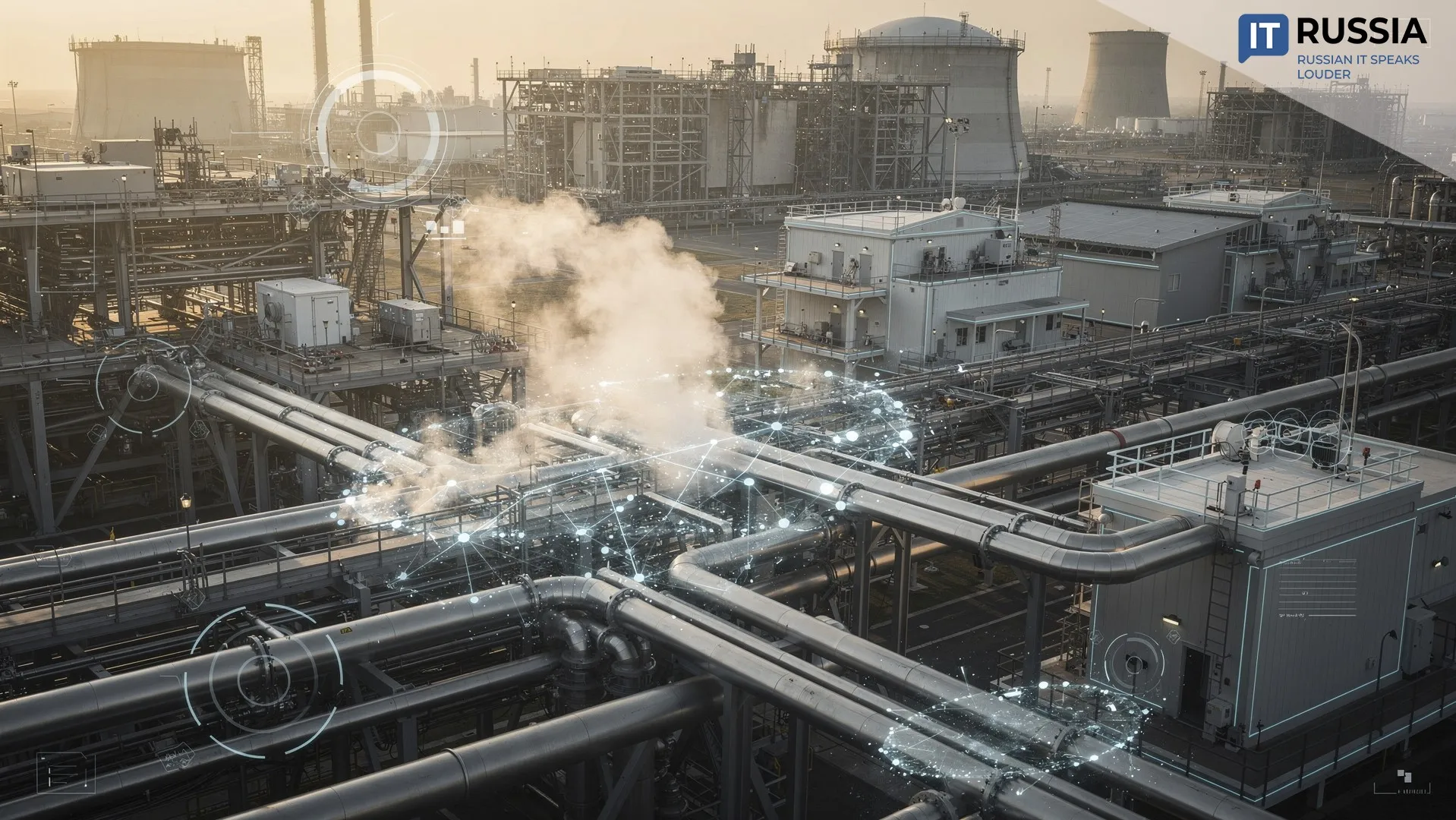
The drones perform a wide range of tasks: checking pipelines for corrosion, leaks, and illegal taps; tracking construction progress at sites; and assessing industrial safety. For environmental monitoring, they detect oil-product spills, assess soil and water conditions, and identify unauthorized dumps near facilities. The drones carry not only standard cameras but also thermal imagers capable of detecting leaks at night. Other sensors can also be installed.
New Regions and New Tasks
After successful testing and the start of industrial operations in the Yamalo-Nenets Autonomous Okrug and Yakutia, the company plans to deploy similar systems at other fields in different regions. Gazprom Neft representatives say the results will serve as a foundation for developing entire digital services for aerial monitoring.
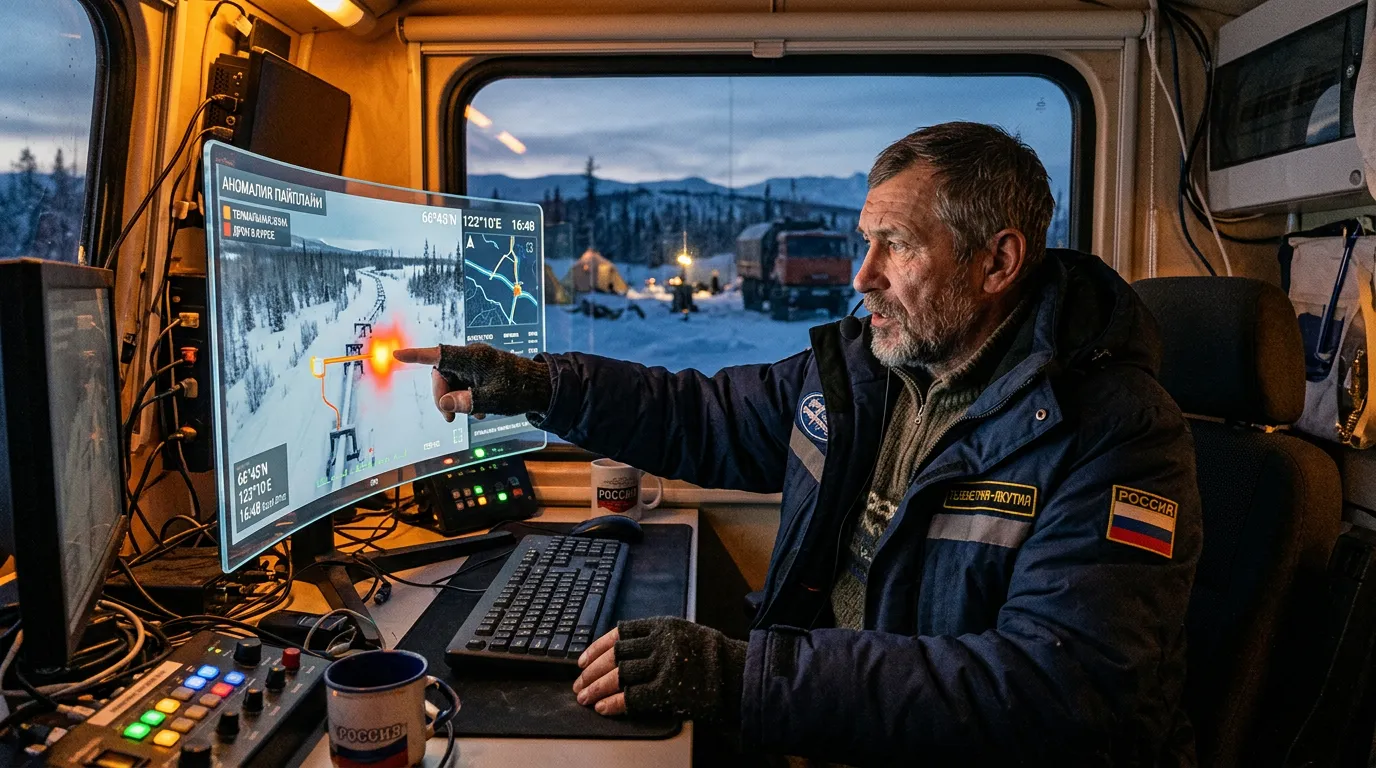
Safety has been and remains a key production challenge in the Far North, where sending people on regular inspections and patrols can be risky. Drones take over many of these tasks, reducing the need for people to be present at the field. Meanwhile, operators set flight routes from a remote control center, sometimes located thousands of kilometers away.
Importantly, drones are moving beyond the narrow role of observation and recording toward the creation of a full-fledged digital system for remotely managing industrial facilities. This is made possible by combining industrial Internet of Things technologies, robotics, remote control, and analysis of large volumes of production data. The development of autonomous stations for unmanned monitoring is part of a broader digitalization process in Russia’s oil and gas industry. Over time, familiar infrastructure could undergo fundamental changes.
Five Years of Evolution
Russian oil and gas companies began significantly expanding their use of drones for industrial monitoring in 2021. For example, RN-Purneftegaz facilities used UAVs equipped with laser scanners and high-resolution video cameras to monitor emissions and the state of production infrastructure. The technology made it possible to obtain real-time data and inspect remote facilities without using manned aircraft. This stage laid the groundwork for the subsequent transition to autonomous monitoring systems.
In 2022, Rosneft used AI-equipped drones at the Samotlor field to monitor pipelines and automatically detect changes in the terrain. Data-processing algorithms made it possible to move beyond simply recording information to automated analysis of asset conditions.
In 2024, Gazprom Neft used autonomous technologies for transportation operations at oil fields in Siberia. The equipment used onboard computing systems with AI elements, sensors, and cameras to control movement and monitor the surrounding environment. This illustrates how the oil and gas industry is moving from individual robotic operations toward comprehensive field automation.
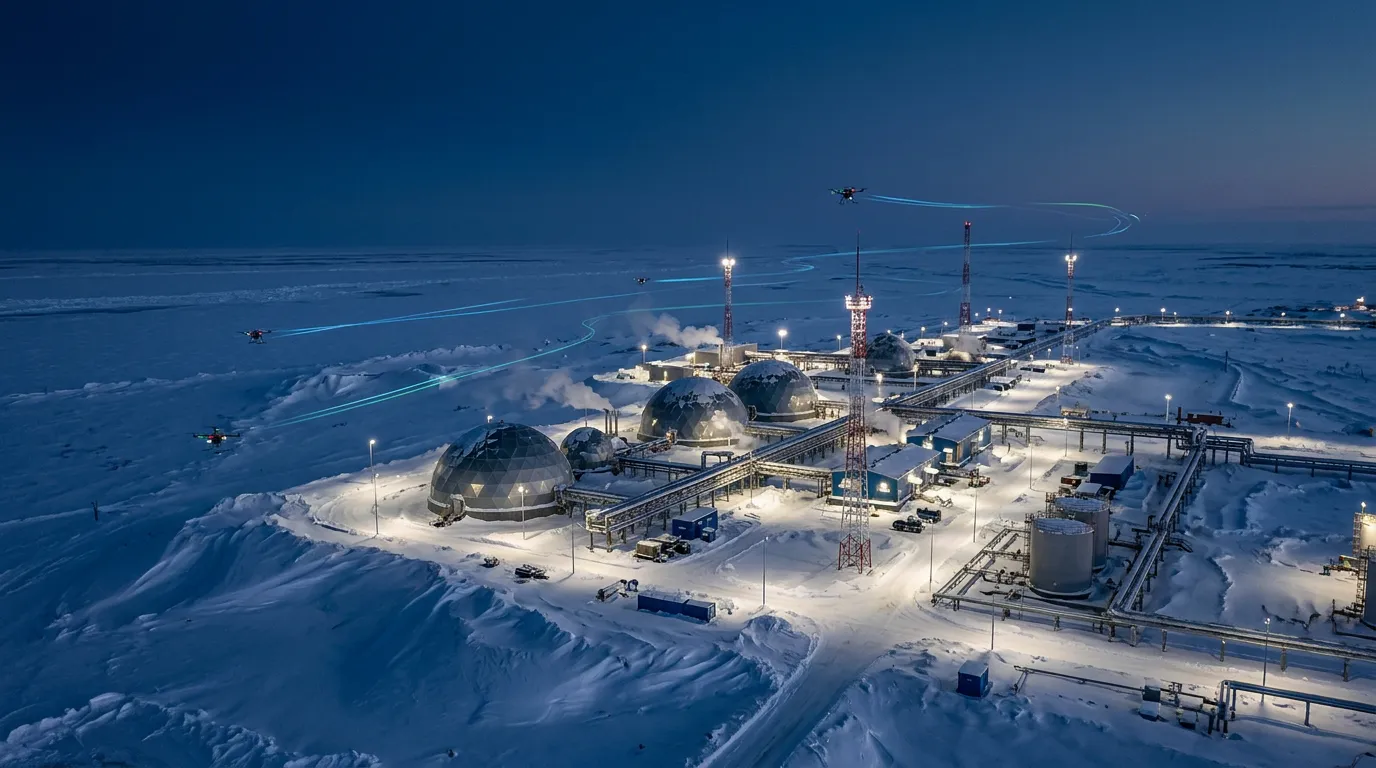
Experts forecast further deployment of autonomous systems at remote fields, pipeline-transport facilities, and energy infrastructure. The project demonstrates growing capabilities in industrial IT, robotics, and unmanned systems.