AI Becomes a Radiologist's Second Pair of Eyes in Russia
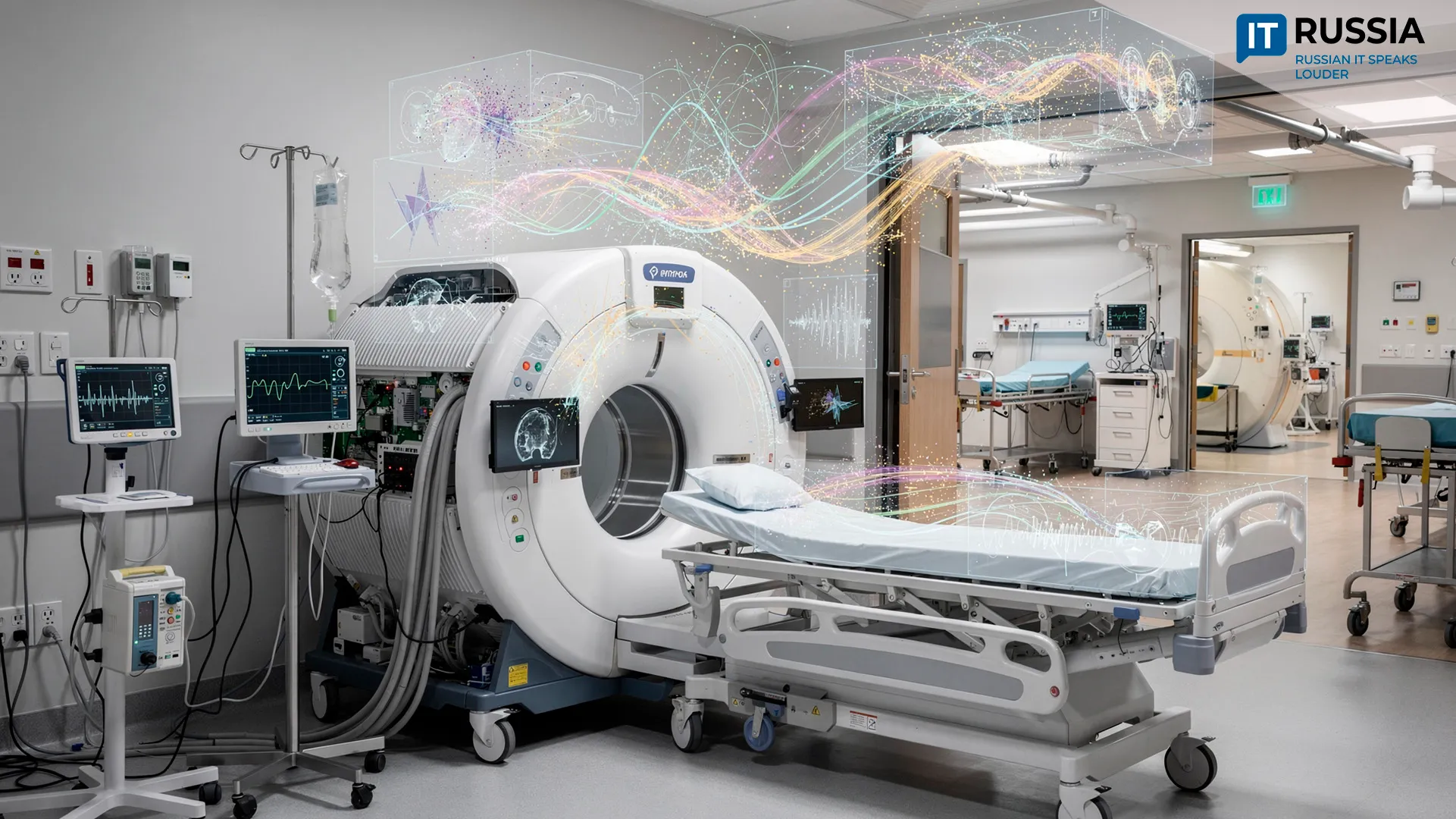
Since the start of 2026, hospitals in Russia's Amur Region have begun using artificial intelligence to process X-rays, CT scans, and mammography studies. In just a few months, MosMedII neural-network tools analyzed more than 65,000 examinations and identified over 43,000 signs of potential disease.
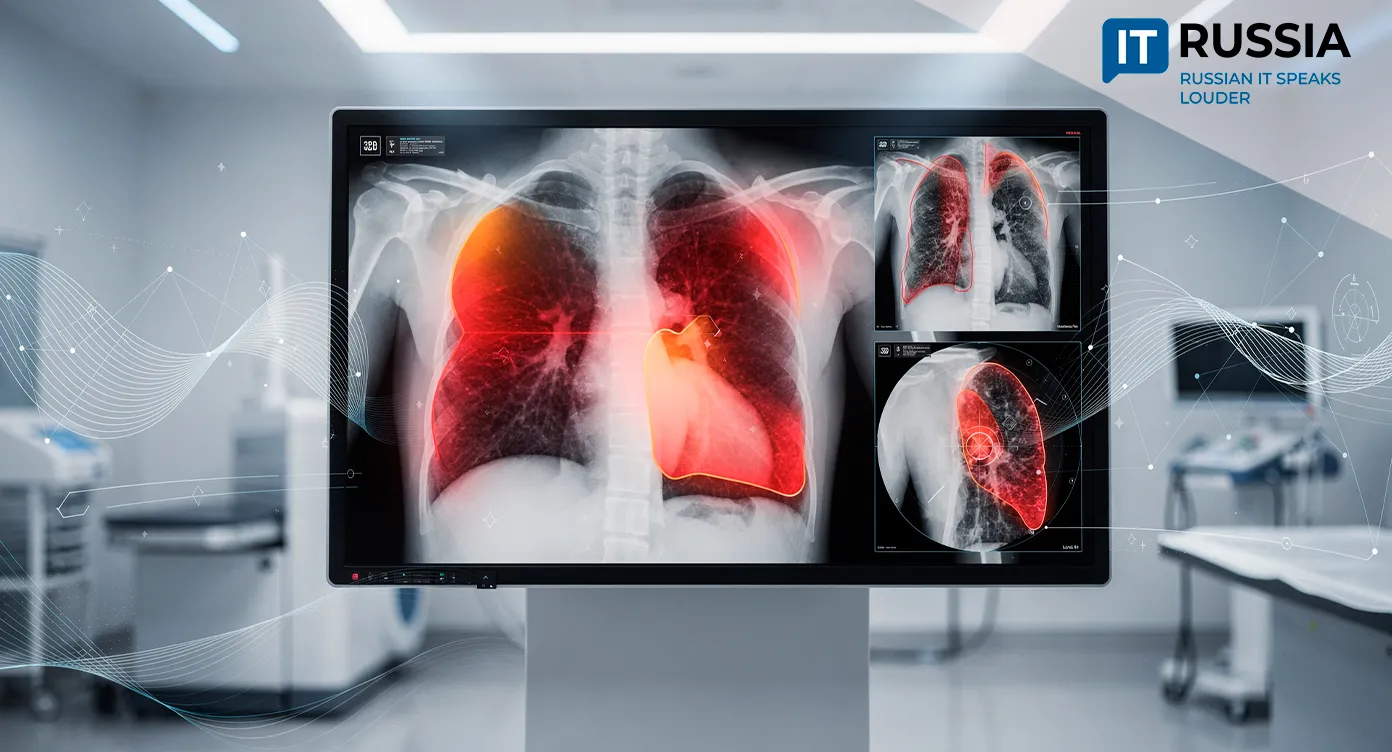
Medical facilities across the Amur Region have begun using artificial intelligence to support radiology workflows. Since the beginning of 2026, neural-network systems have processed more than 65,000 examinations, including chest and brain CT scans, mammography studies, fluorography images, and conventional X-rays. As a result, the system flagged more than 43,000 indicators of possible medical conditions.
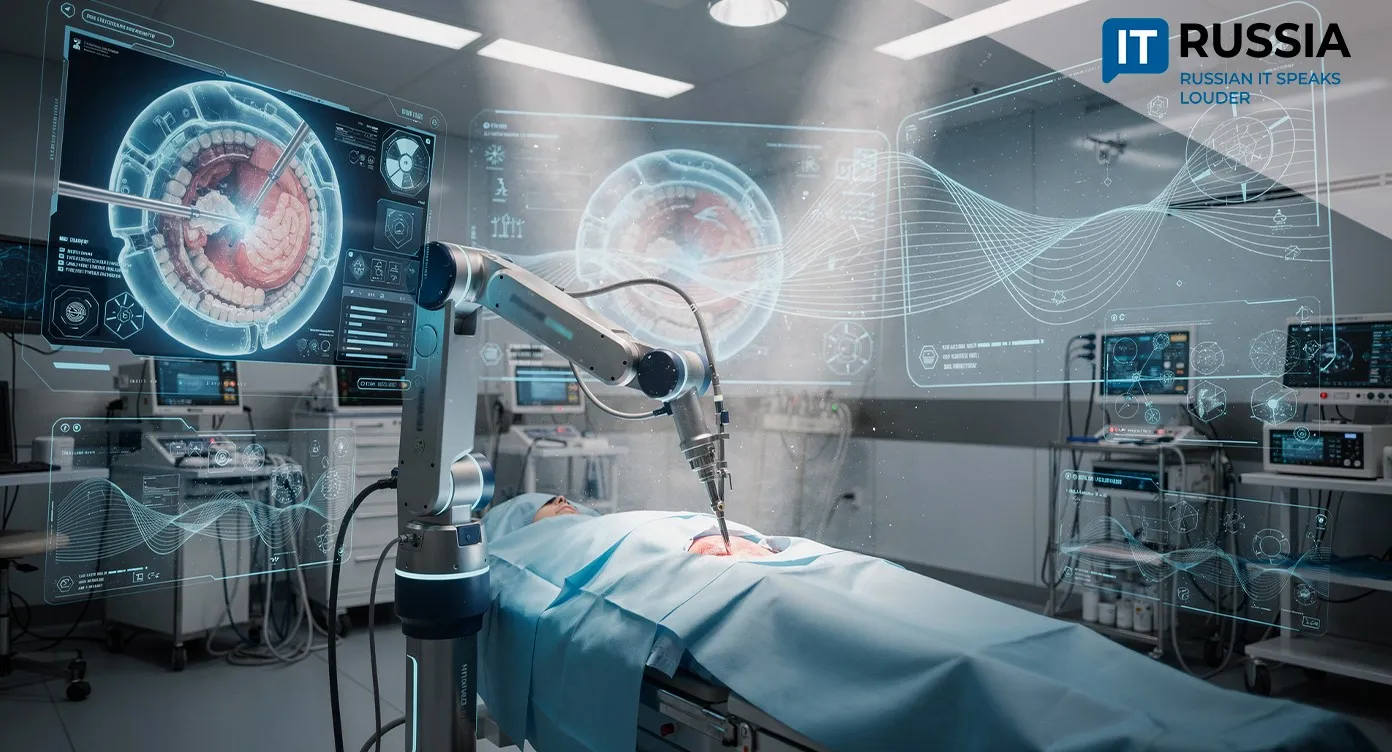
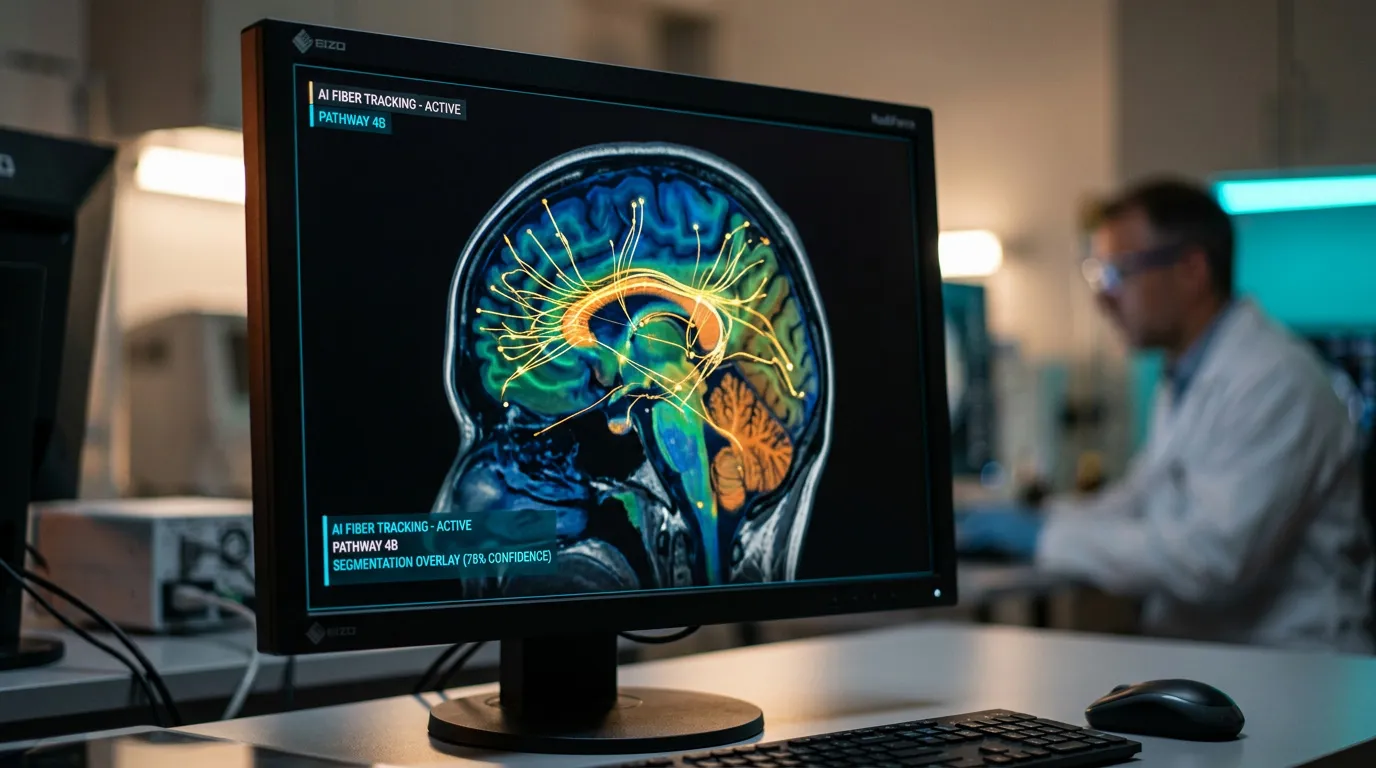
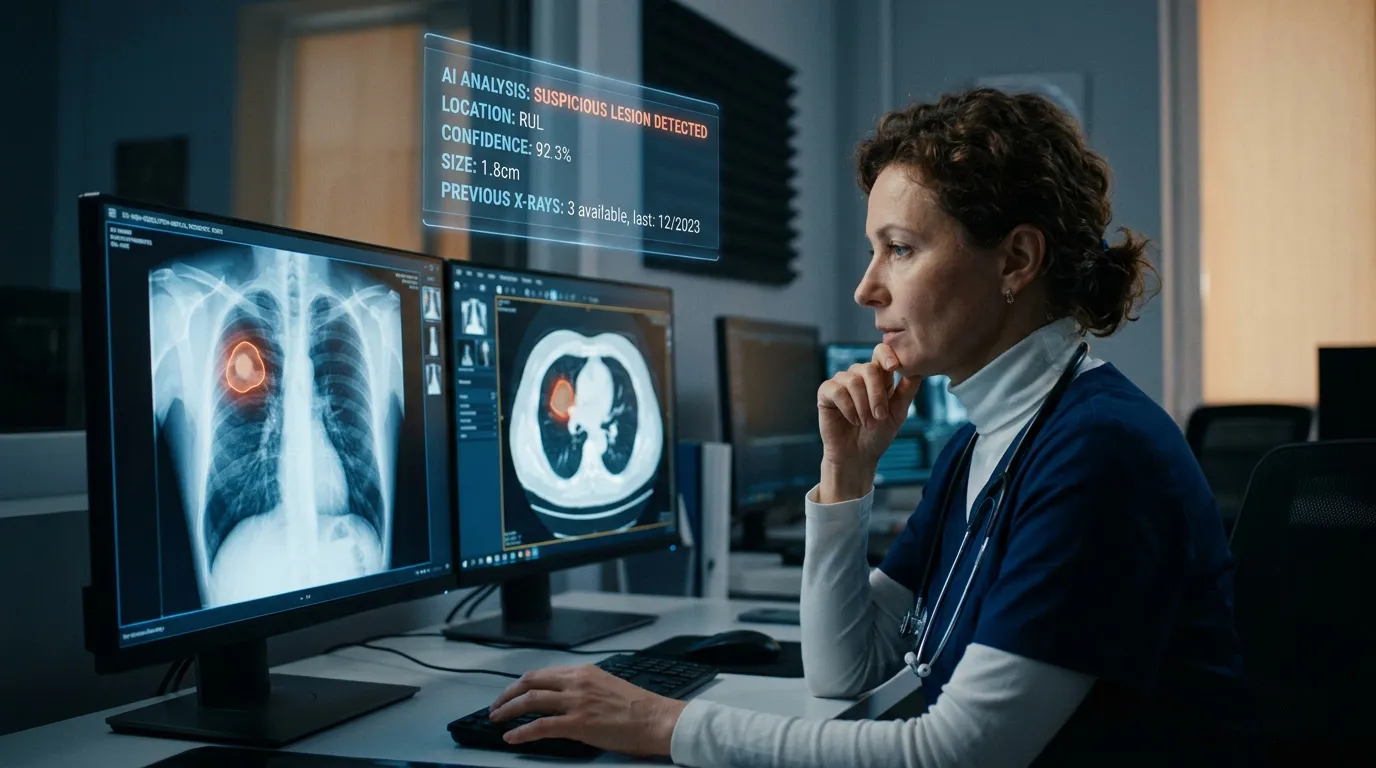
The AI is integrated into the MosMedII platform. It does not make diagnoses independently. Instead, it highlights suspicious areas on medical images while leaving the final decision to the physician. Doctors can immediately see what attracted the attention of their digital assistant, review the marked region in greater detail, or order a repeat scan when necessary.
Where Did the Technology Come From?
According to Igor Bogomaz, deputy minister of health for the region, the algorithms automatically analyze medical images while keeping diagnostic responsibility in human hands. That significantly reduces the risk of overlooking dangerous abnormalities. Deployment of such systems is especially important in districts facing shortages of specialized radiologists.
MosMedII was originally developed for Moscow, but its technologies are now being expanded to other Russian regions. Through the platform, 74 federal subjects of Russia, including more than 2,000 healthcare organizations, can already conduct AI-assisted diagnostic examinations.
The project was implemented in the region with support from the federal government. Going forward, authorities plan to expand the use of neural networks into additional diagnostic fields, including endoscopic examinations and the analysis of histological specimens.

Moscow's Unique Experience
Over the past five years, Moscow has accumulated extensive experience in applying AI to medical diagnostics. The city became the first in the world to launch a large-scale experiment integrating computer vision into radiology workflows, testing more than 200 algorithms and developing methodologies that previously did not exist. Two years ago, following instructions from Russian President Vladimir Putin, this experience began expanding to the regions through the MosMedII platform. Today, 74 Russian regions and more than 2,000 regional healthcare organizations are connected to the system.
By 2025, the number of examinations conducted in the regions had already exceeded Moscow's volume by a factor of three. Each month, physicians across the country analyze approximately one million medical images using the capital's AI platform. Moscow provides regional healthcare providers with access to AI services for interpreting mammography studies, fluorography images, chest radiographs, brain CT scans, and chest CT examinations. All algorithms are registered as medical devices and undergo continuous quality monitoring.
What Does This Mean for Patients?
For patients, the benefits are straightforward. The faster an image is analyzed, the sooner a diagnosis can be established and treatment can begin. In remote areas where a single radiologist may serve several clinics, AI functions as an additional set of eyes. That reduces the likelihood of missing serious pathology. Through MosMedII, a patient in a small rural community receives image analysis using the same algorithms available in a major Moscow clinic. In practice, this narrows the gap in access to highly qualified medical care.
Direct exports of Russian medical AI systems remain a prospect for the future. However, the model itself is spreading across the country and is already attracting attention from neighboring states facing similar challenges, including shortages of radiologists in rural areas and long waits for diagnostic examinations.
Russia occupies a leading position in the development of AI for healthcare. The United States, China, and European countries are also rapidly adopting AI in radiology. Moscow's experience, however, stands out for its scale. No other healthcare system has tested so many algorithms in real-world clinical practice and expanded their use nationwide within just two years. That experience could form the basis for educational programs, consulting services, and technology partnerships.