From Blast Furnaces to VR Headsets
Russian steelmakers are moving into digital-era jobs. Robotics, virtual reality, 3D modeling, machine vision, and artificial intelligence are becoming part of daily operations. Crane operators and steel casters now work in comfortable control rooms, managing production remotely through monitors and joysticks.
NLMK (PAO NLMK) is creating a new generation of industrial jobs. The large-scale transformation has already reached more than 20 production units and affected nearly 1,000 employees. Advanced technologies, including robotics, 3D modeling, virtual reality, machine vision, and artificial intelligence, are replacing physically demanding manual work. As a result, workplaces are becoming both safer and more productive.
New Workflows at NLMK
At NLMK's refractory production unit, crane operators have traded elevated crane cabins for modern offices equipped with ergonomic workstations. They now control lifting equipment remotely using joysticks and monitors that provide a full view of loading operations. Digital technologies have also reshaped Converter Shop No. 2. Steel casters have moved from high-temperature areas near production equipment into air-conditioned control rooms. Production is monitored through digital displays, while thermal imaging systems, sensors, and electronic advisory tools assist workers throughout the process.
This approach is creating a new standard for industrial work. In the near future, NLMK plans to complete about 60 additional projects aimed at improving working conditions for more than 350 employees. The company intends to expand remote workstations and deploy additional digital assistants. The first areas to benefit will be sinter and blast-furnace operations, steelmaking, rolling production, and the machine-building complex.
New Standards for Industrial Safety
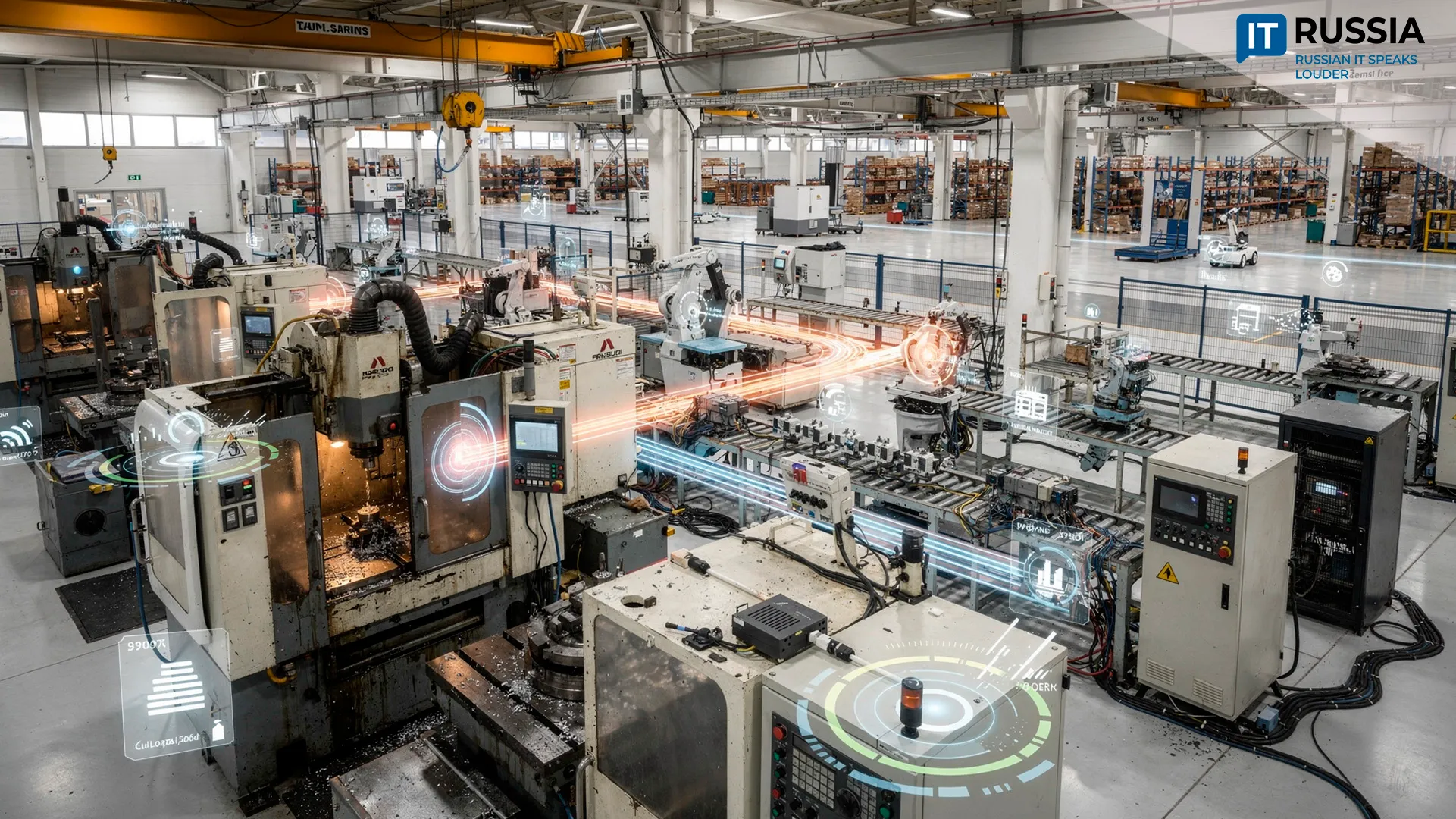
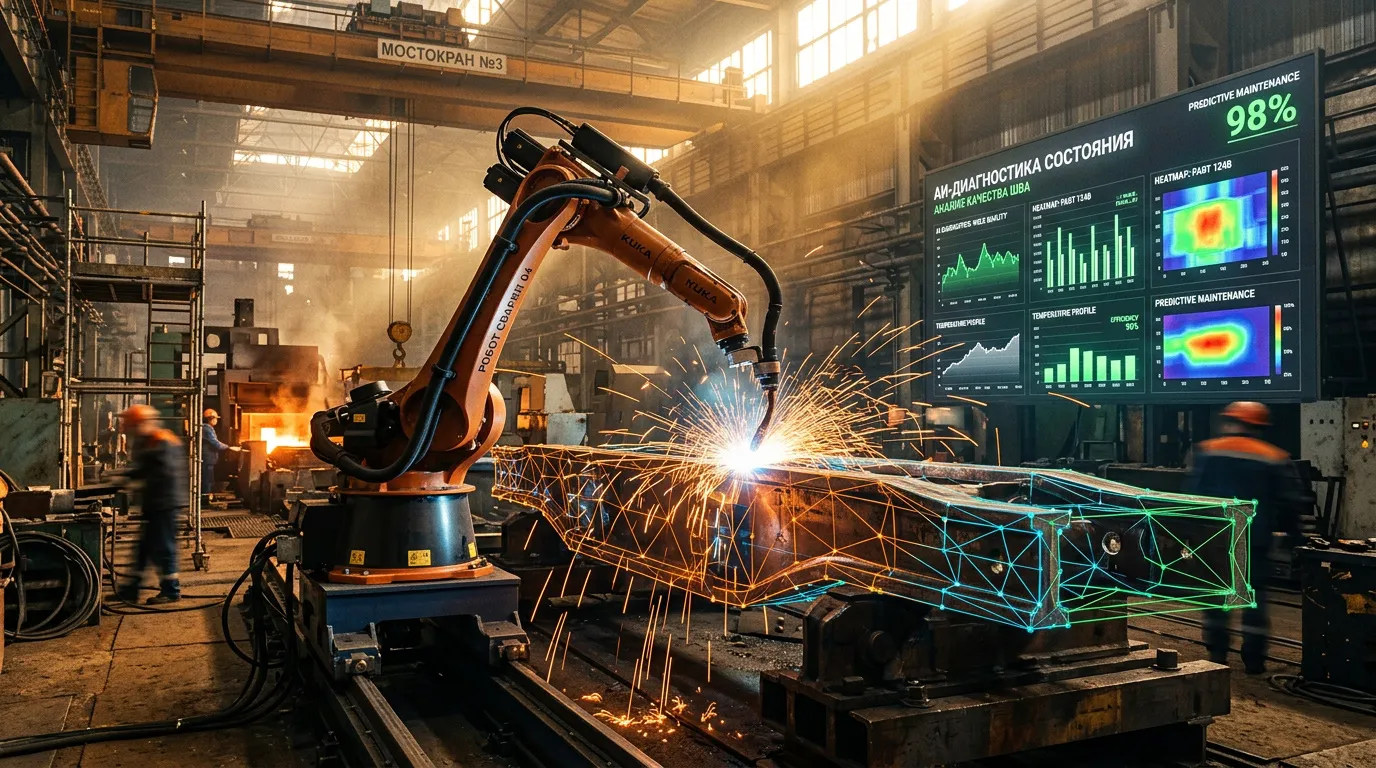
One of the central pillars of NLMK Group's strategy is the digitalization of production to improve both operational efficiency and workplace safety. In 2021, the company launched Umnoye proizvodstvo (Smart Manufacturing), a large-scale program designed to increase efficiency, productivity, and safety through automation. Robots collect samples, AI monitors steelmaking operations, machine-learning systems help optimize production processes, and sensors and metering equipment support quality control across manufacturing operations.
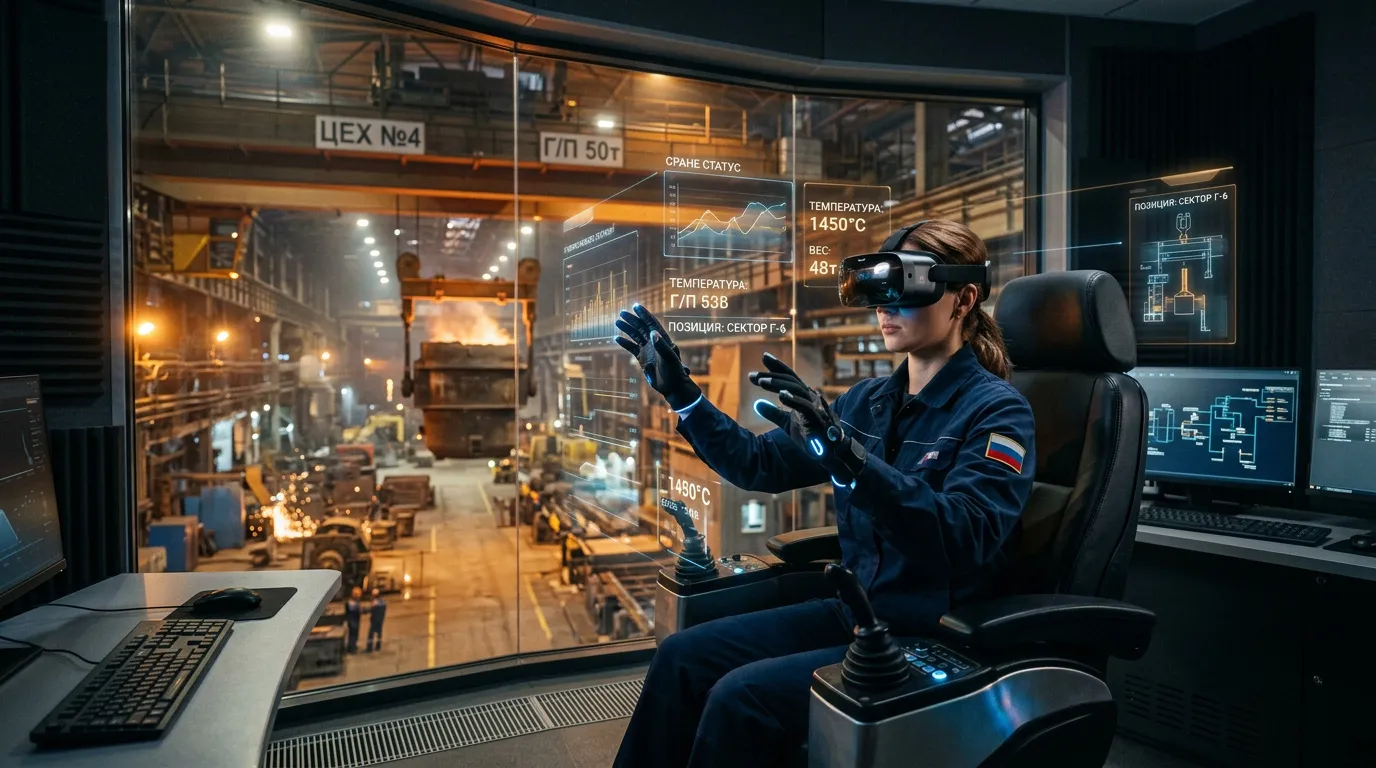
In 2023, the company launched a remote VR-based control system for overhead grab cranes used to unload bulk materials. Using joysticks and VR headsets that recreate a virtual crane cabin, operators can control any crane from a single workstation. That eliminates the need to climb to elevated cabins or move around warehouse facilities, significantly improving safety. In 2024, NLMK deployed a range of new digital IT services. These included Elektronnyy naryad-dopusk (Electronic Work Permit), video analytics for monitoring personal protective equipment compliance, and a unified occupational health and industrial safety platform, OTiPB, which maintains a centralized incident database, automatically generates reports, and creates corrective-action plans.
Modern workplaces also allow employees to develop skills in robotics, 3D modeling, VR technologies, and AI-based systems management. To support workforce development, NLMK has introduced a 'virtual campus' and Tsifrovaya adaptatsiya (Digital Adaptation), a service designed to help new hires integrate into the company. NLMK University offers about 200 educational programs ranging from leadership development to workshops on implementing AI in manufacturing. NLMK Group consistently ranks among Russia's top three employers, and employees note that the company provides opportunities to master new professions, gain specialized expertise, and build leadership capabilities.
A New Manufacturing Trend
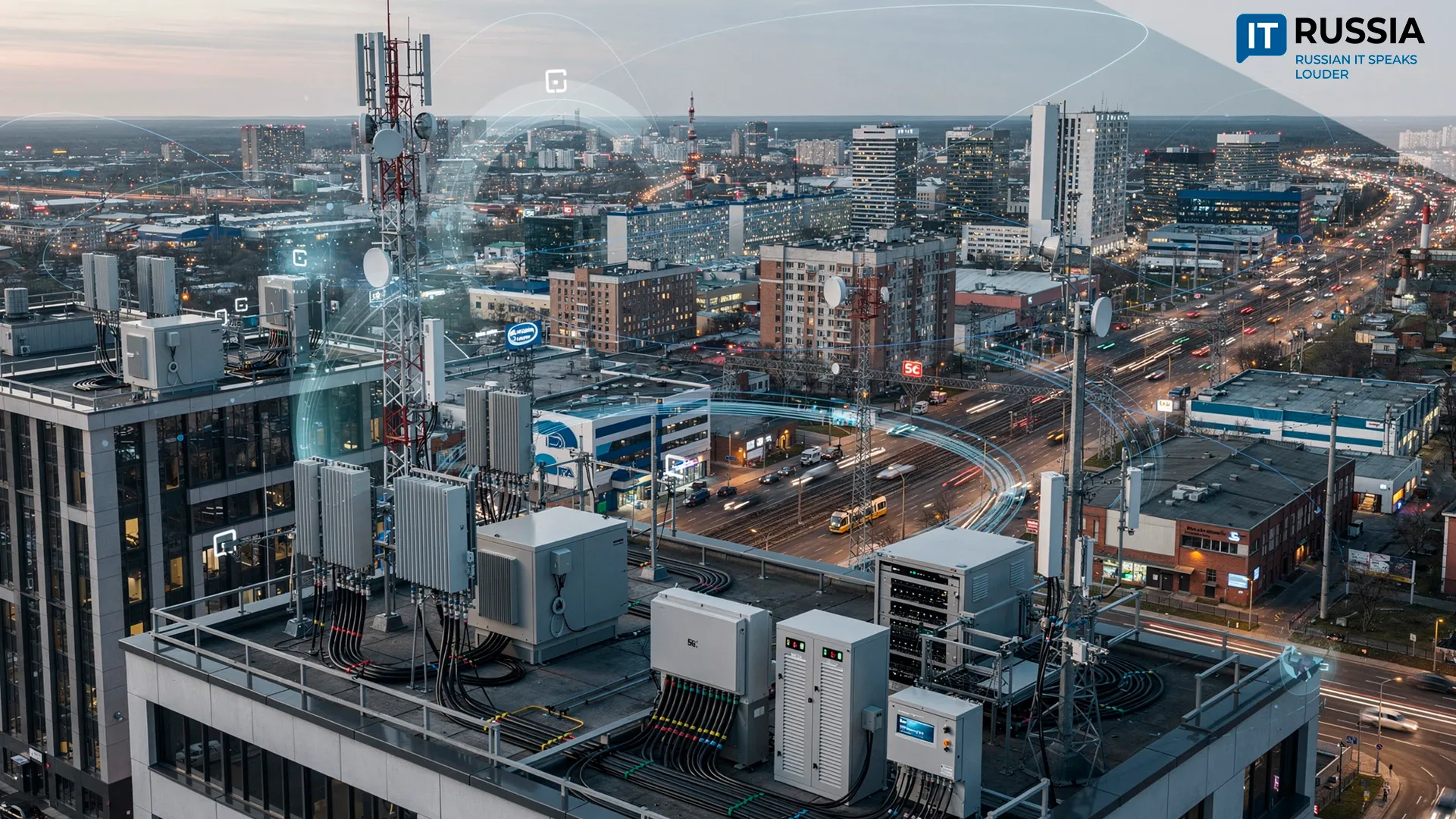
The shift toward next-generation workplaces is spreading across the entire steel industry. Major companies are replacing physically demanding manual labor with advanced technologies, making manufacturing both safer and more efficient. At Magnitogorsk Iron and Steel Works (PAO MMK), for example, VR/AR and AI technologies are being deployed to optimize production. A major milestone came in 2023 with the launch of a private LTE network across the industrial site. Twenty-seven 4G base stations now provide reliable data transmission for video analytics, machine vision, and VR/AR applications. Using the Private LTE infrastructure, the company automated metal-product inspections at warehouses, replacing Wi‑Fi systems and reducing operating costs.
Severstal is focusing heavily on machine vision and artificial intelligence. Neural networks analyze the condition of roasting carts to prevent downtime and monitor the geometry of long steel products during rolling operations. Safety remains a major priority. Machine-vision systems monitor conveyor operations and hard-to-access equipment, including assets located underground.
EVRAZ is deploying virtual reality technologies on a large scale. Remote crane-control systems allow operators to manage equipment from safe workstations using VR headsets, eliminating the need to remain in elevated crane cabins. VR simulators help employees practice emergency-response scenarios and improve their qualifications. Norilsk Nickel (PAO GMK Norilskiy nikel) is actively introducing what it describes as next-generation industrial technologies. Its operations use exoskeletons, drones, and robots. The company is developing digital twins of industrial equipment and remote-control systems for mining machinery, while also applying AI to analyze metallurgical processes.
Heavy Industry Opens New Horizons for the IT Sector
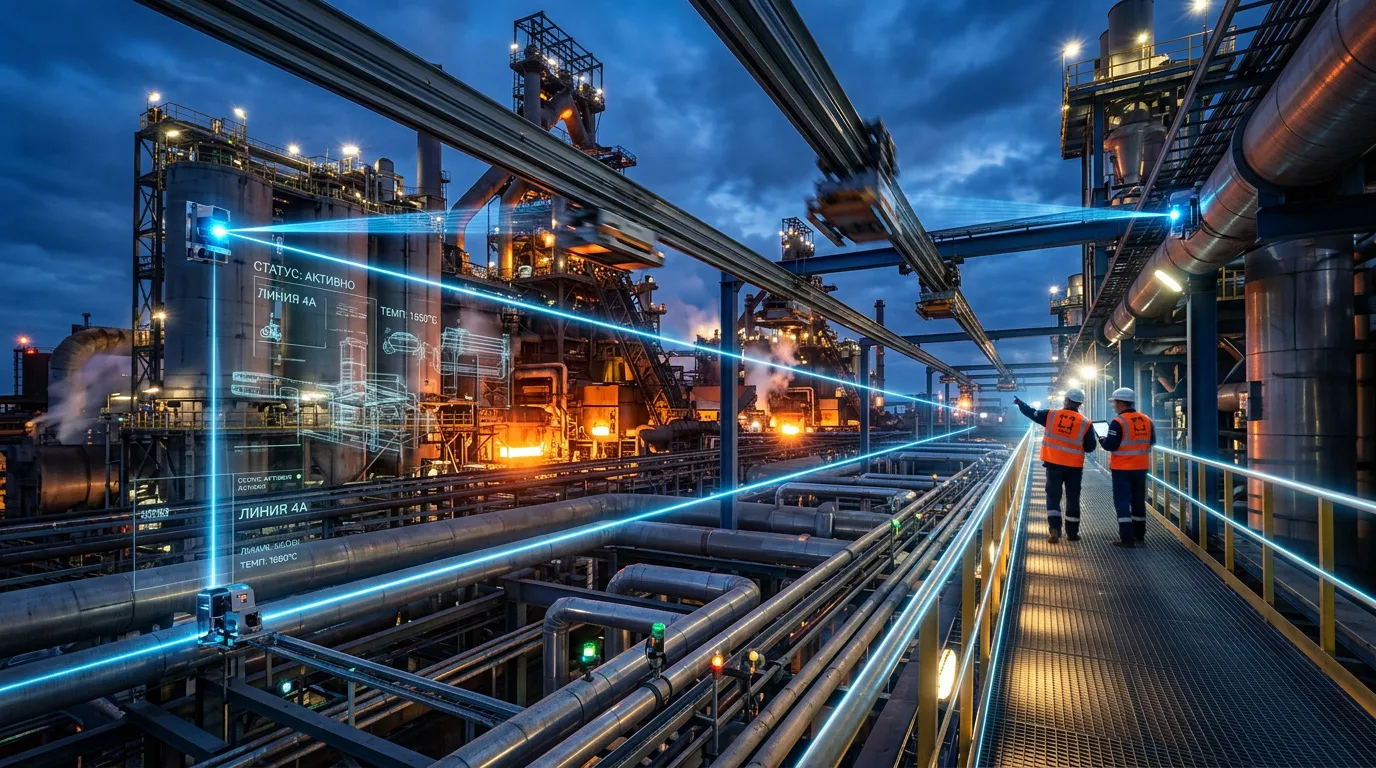
The transformation of industrial workplaces is becoming a powerful growth catalyst for Russia's technology sector. As traditional industrial jobs evolve into digital-system operator roles, they create a vast market for import-substitution technologies, accelerate growth in the industrial technology segment, and drive demand for AI-related skills.
The government is supporting this trend. Developers of electronic assistants receive a zero percent corporate profit tax rate and reduced social insurance contributions of 7.6%. Businesses are also investing in robotics because it removes routine tasks from employees, improves efficiency, and delivers a rapid return on investment.
The IT sector is increasingly becoming the intelligence layer of the real economy across B2B and B2G markets. As a result, demand for Russian-developed technologies is likely to continue growing, strengthening the country's technological sovereignty.