Dagestan to Send Manarov-1 Satellite Into Orbit
Dagestan is set to build its first educational satellite, Manarov-1, a CubeSat 3U spacecraft. The project is being developed by Dagestan State University in partnership with the technology company Geoscan.
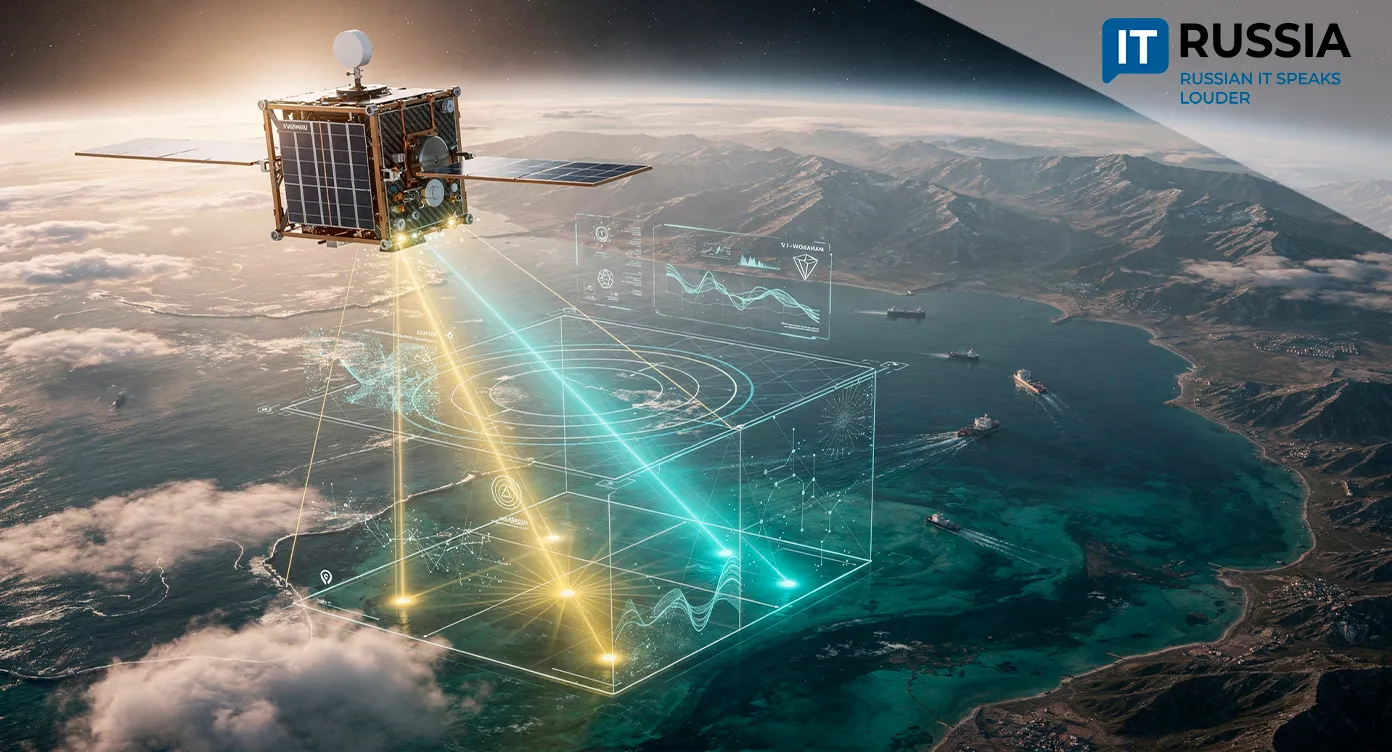
The initiative won a competition held under the Space-pi program of Russia's Foundation for Assistance to Innovations, supported by the Ministry of Science and Higher Education. The spacecraft, which will be assembled at the university, is named after Musa Manarov, a Hero of the Soviet Union and the first cosmonaut from Dagestan. The project launch coincides with the 95th anniversary of Dagestan State University and the cosmonaut's 75th birthday.
A Big Space Mission for a Small Spacecraft
Twenty-five CubeSat satellites currently operate in low Earth orbit. They were built under the Russian educational and scientific program UniverSat by students from more than ten leading Russian universities. These spacecraft help monitor both space weather, from solar flares to geomagnetic storms, and transportation logistics such as vessel locations. By building advanced satellites, future engineers gain practical experience with real aerospace systems.
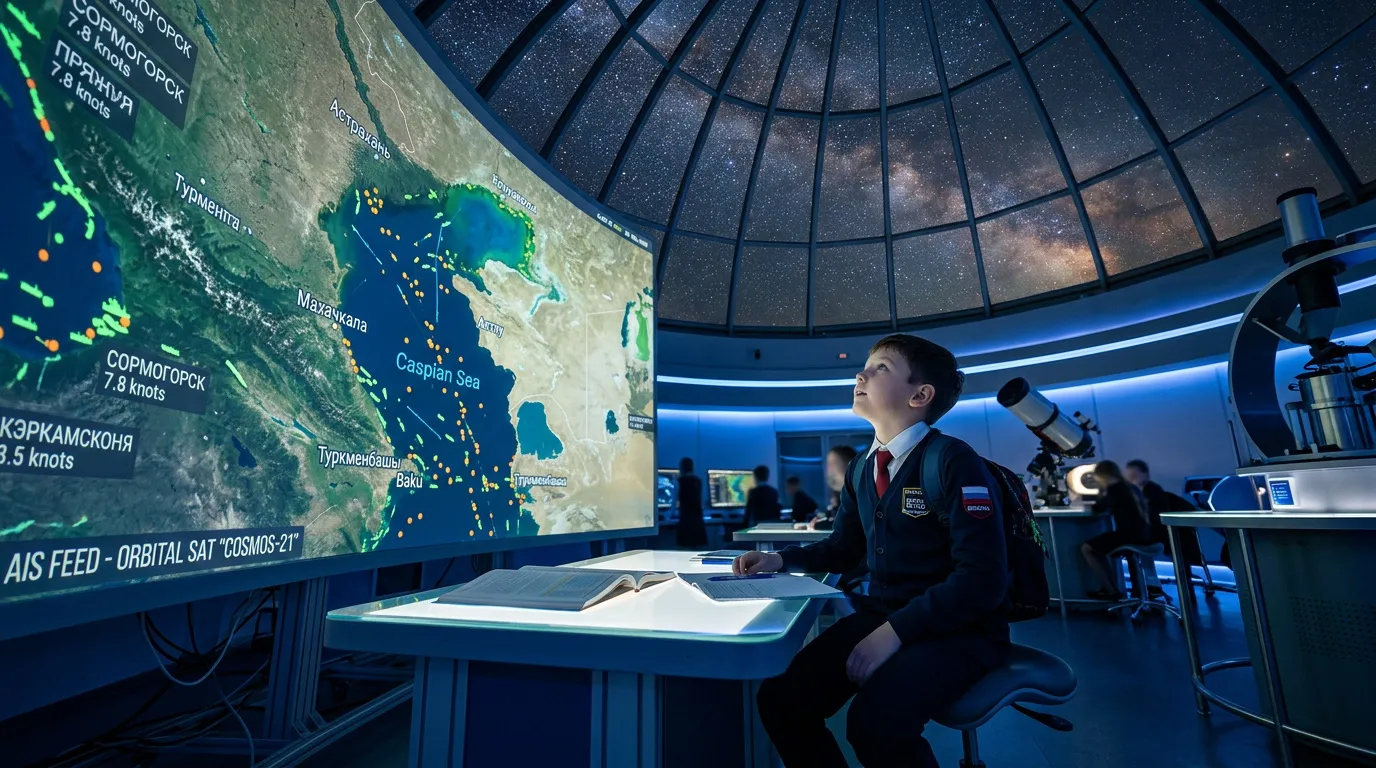
Space-pi is another Russian initiative aimed at developing space technologies while preparing the next generation of specialists. In Dagestan, at least 200 school students will participate in the satellite project. Their work will span multiple disciplines, from unmanned systems to environmental monitoring of the Caspian Sea. A small satellite demands a broad range of skills, including onboard software development, telemetry processing, machine vision for image analysis, geospatial services, and big-data analytics. Manarov-1 will effectively serve as a laboratory in orbit. The spacecraft will carry an AIS receiver for monitoring shipping traffic in the Caspian Sea, two Earth observation cameras, and an amateur radio module for open data transmission.
A Future Without Limits
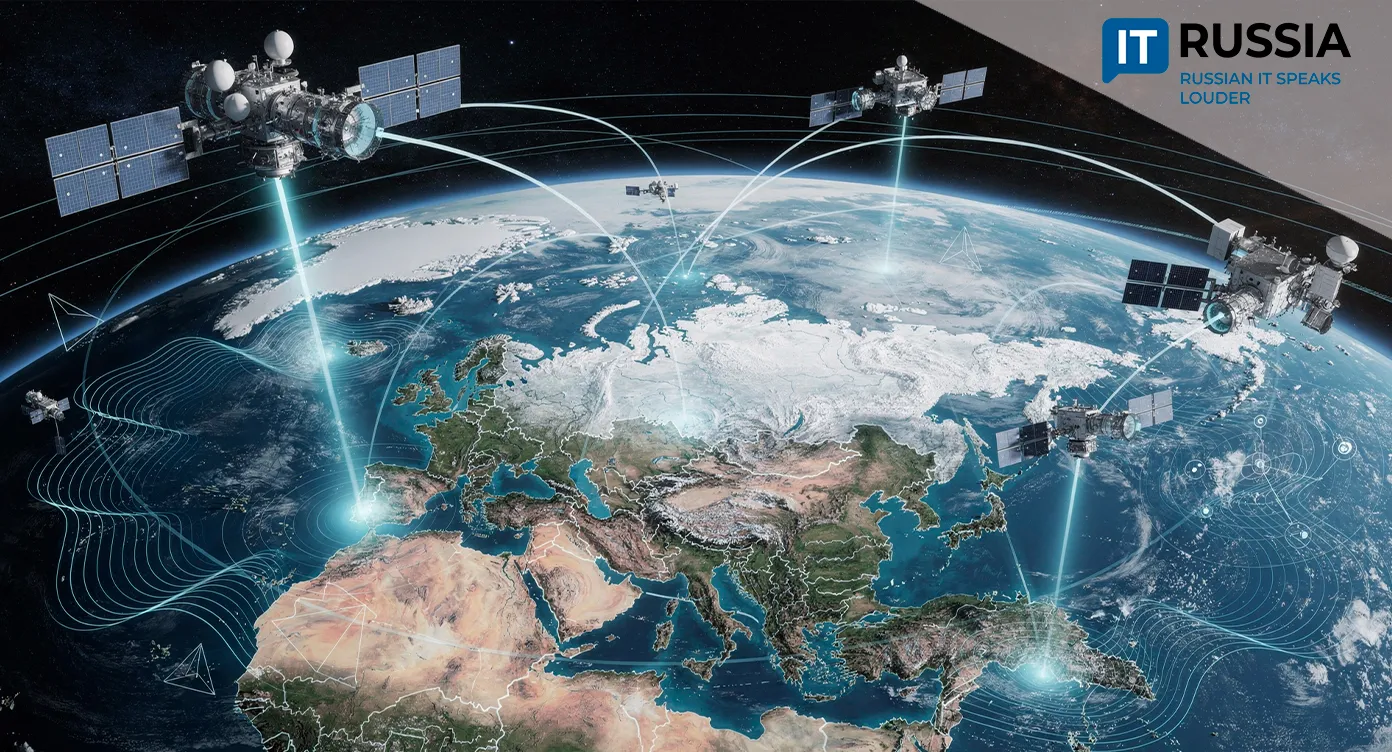
Russia's satellite constellation grew from 288 spacecraft to 300 during 2025. By 2030, the country plans to deploy 650 satellites to strengthen its position in space. These spacecraft are expected to provide advanced communications, navigation, and Earth-monitoring capabilities. The Kadry dlya kosmosa (Workforce for Space) federal project launched this year and is expected to involve more than one million school students and over 55,000 university students in training programs for future space-industry professionals.
More than 100,000 school students have already participated in the Space-pi program, bringing them closer to the realities of space exploration. In 2022, 26 school-built satellites reached orbit. In 2023, another 16 CubeSats were launched from the Vostochny Cosmodrome. In 2024, Geoscan deployed nanosatellites based on its 3U platform. Meanwhile, the first spacecraft developed by HSE University and Sirius have operated in orbit for more than four years, traveling over 700 million kilometers while collecting valuable Earth-observation data. By the beginning of 2026, the program had launched 66 small satellites, with a goal of building a fleet of 100 CubeSats in the coming years. Educational space programs in Russia are gaining altitude and momentum at the same time.
Plans Already Include Manarov-2
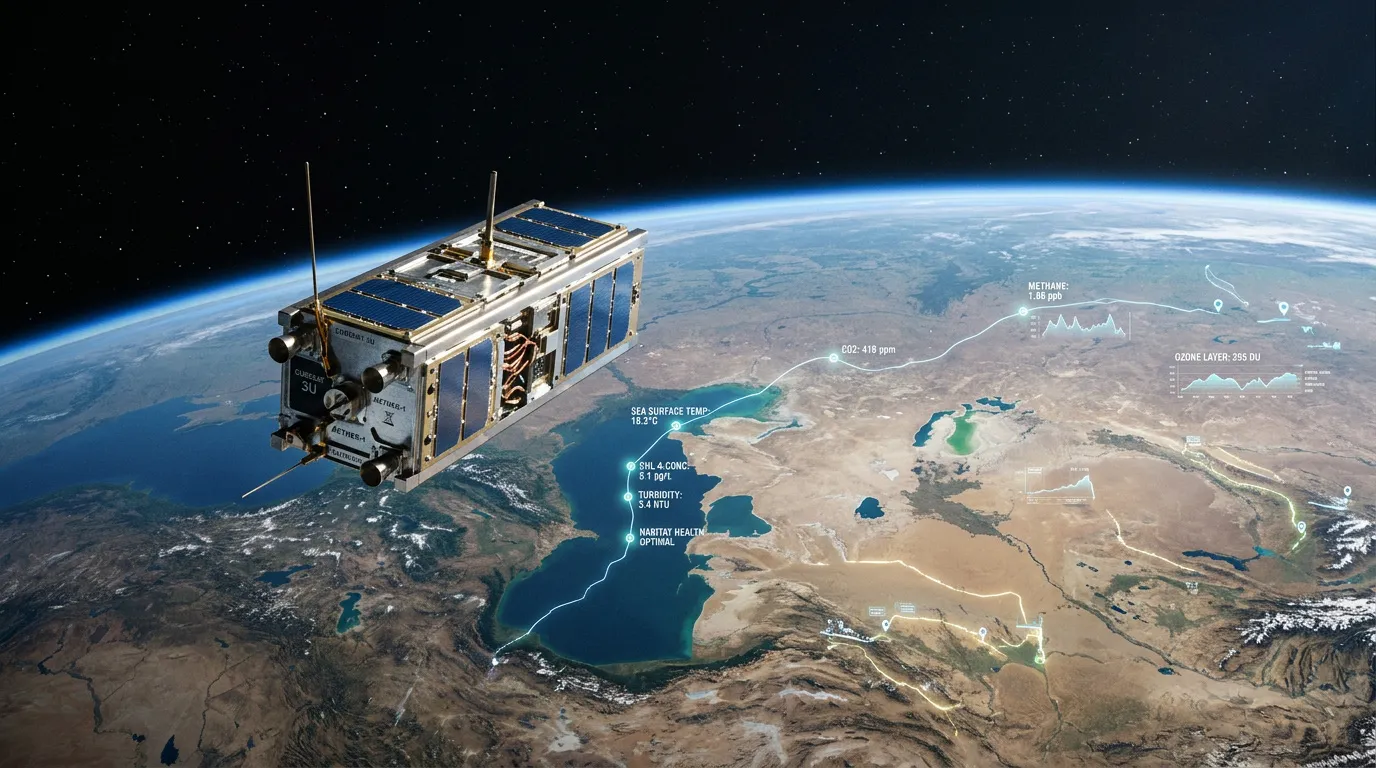
Dagestan's first satellite marks the beginning of a much larger effort. The project is expected to lead to the creation of school engineering teams, university laboratories, and applied research programs focused on challenges facing the Caspian region. Data collected by the satellite will support research in geography, geoinformatics, Earth observation, and environmental monitoring.
"I hope this project will help students explore physics, geometry, chemistry, and space phenomena in greater depth. By the centennial anniversary of Dagestan State University, we may already see Manarov-2," said Gadzhimurad Magomedov, Deputy Minister of Education of the Republic of Dagestan.
Geoscan, the industrial partner of Space-pi, developed and successfully launched eight CubeSats into low Earth orbit between 2022 and 2025 for the program's educational and scientific missions. A small satellite may be heading into space, but on Earth it is helping build a much larger engineering ecosystem.