Mapping Ore Passes from the Air: Russian Drone Surveys Kazakhstan's Mines
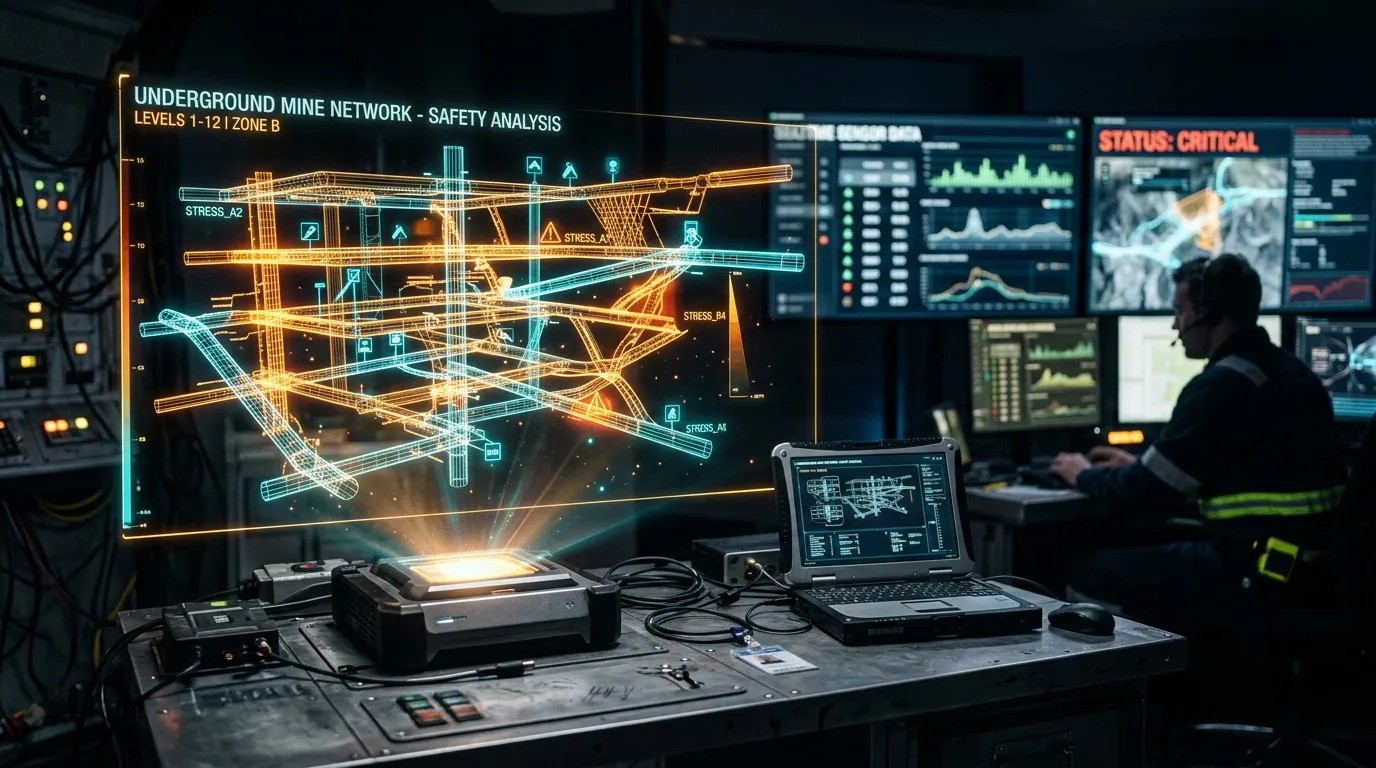
InnoSpektor, an industrial drone developed at Innopolis University, has completed large-scale trials at four major gold mines in Kazakhstan. During the tests, the aircraft generated 3D models of ore passes and underground mine workings.
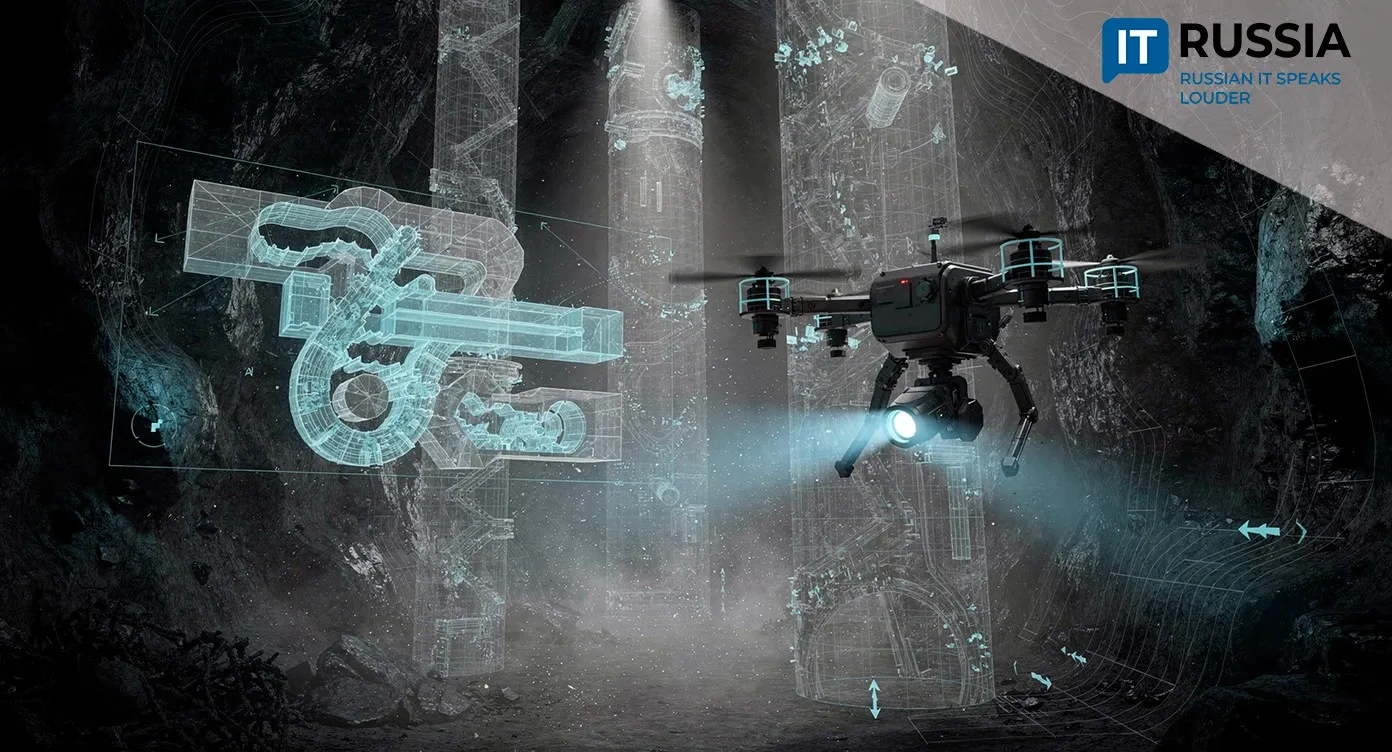
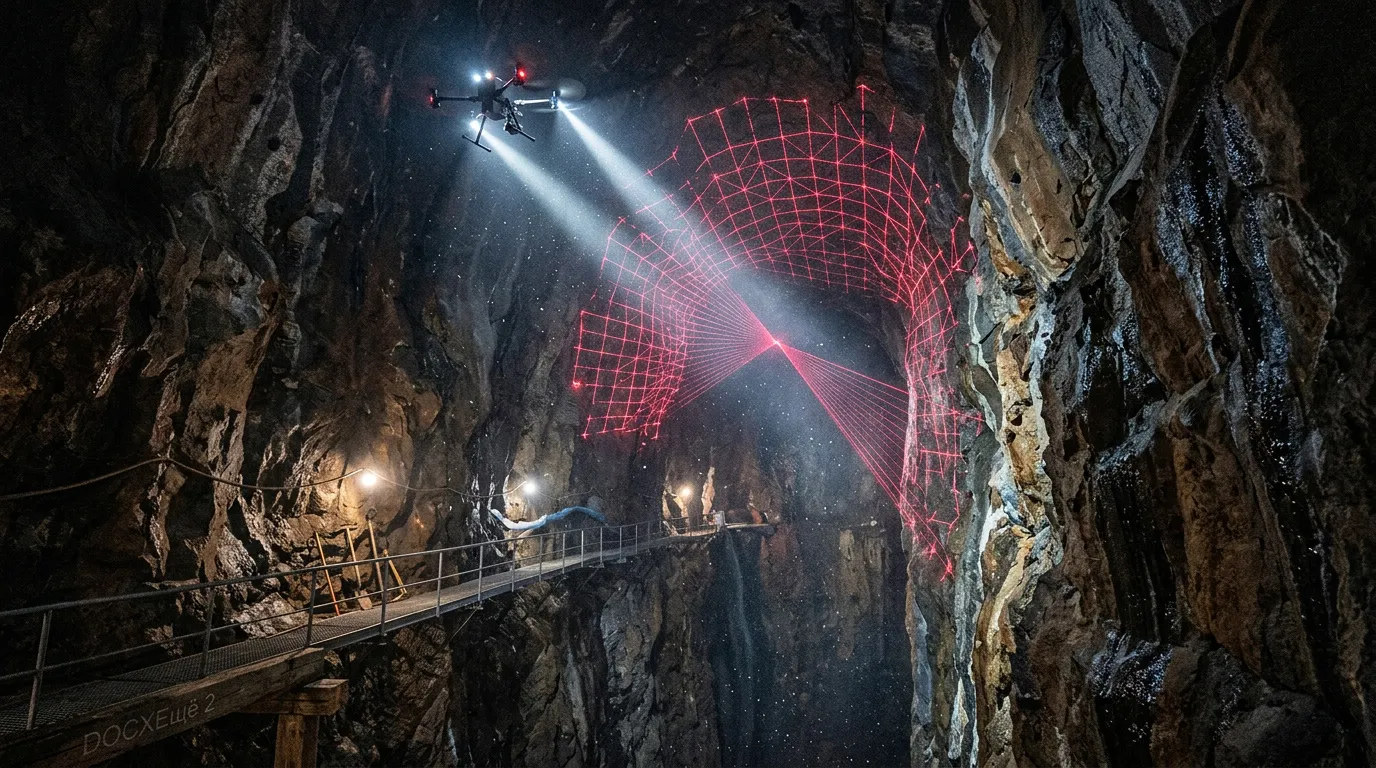
Over the course of the trial program, the drone completed nine flights at depths ranging from 500m to 900m. The resulting datasets are being used to plan mining operations, assess the condition of ore passes, and reduce the risk of accidents.
A Real-World Comparison
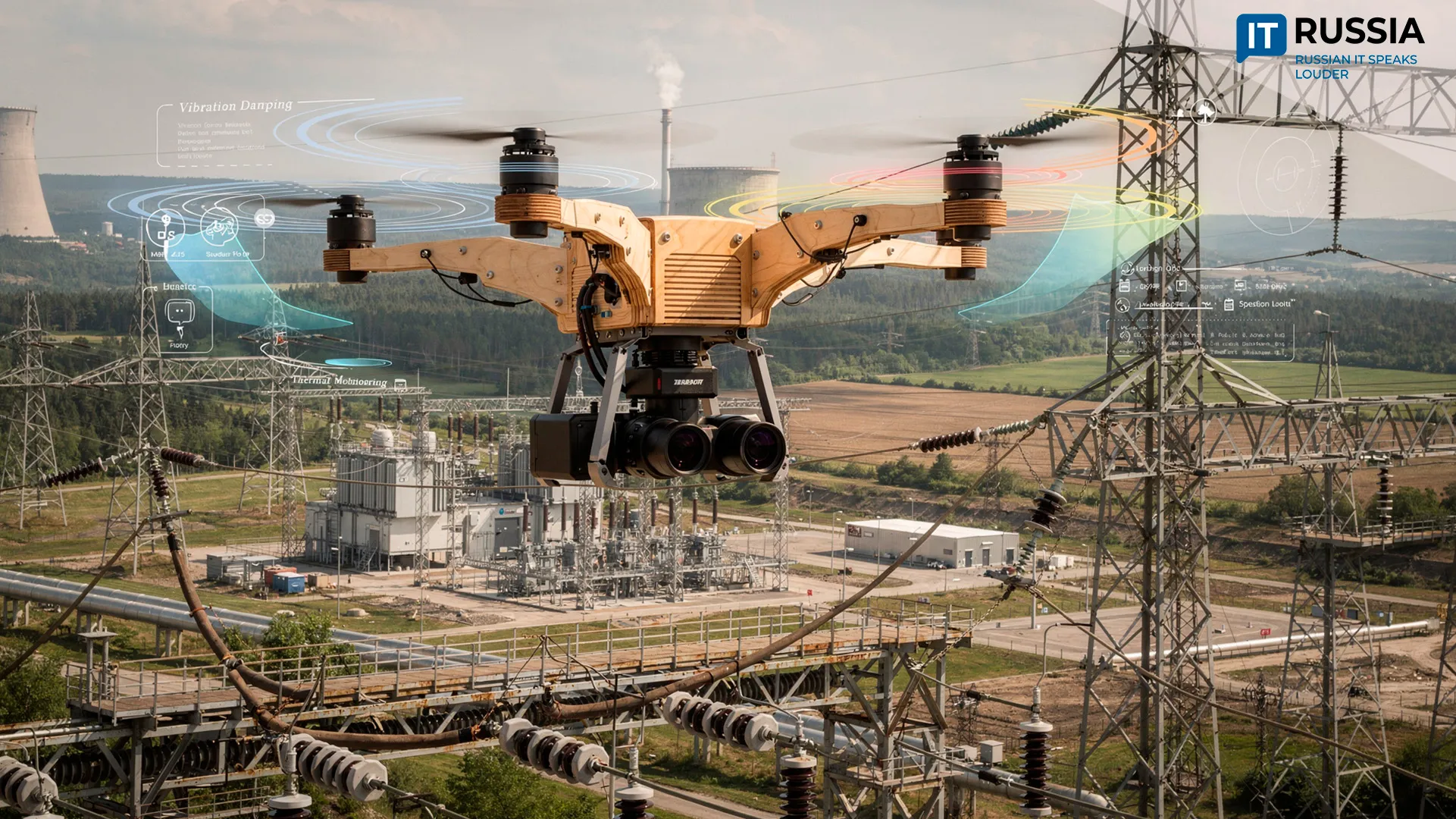
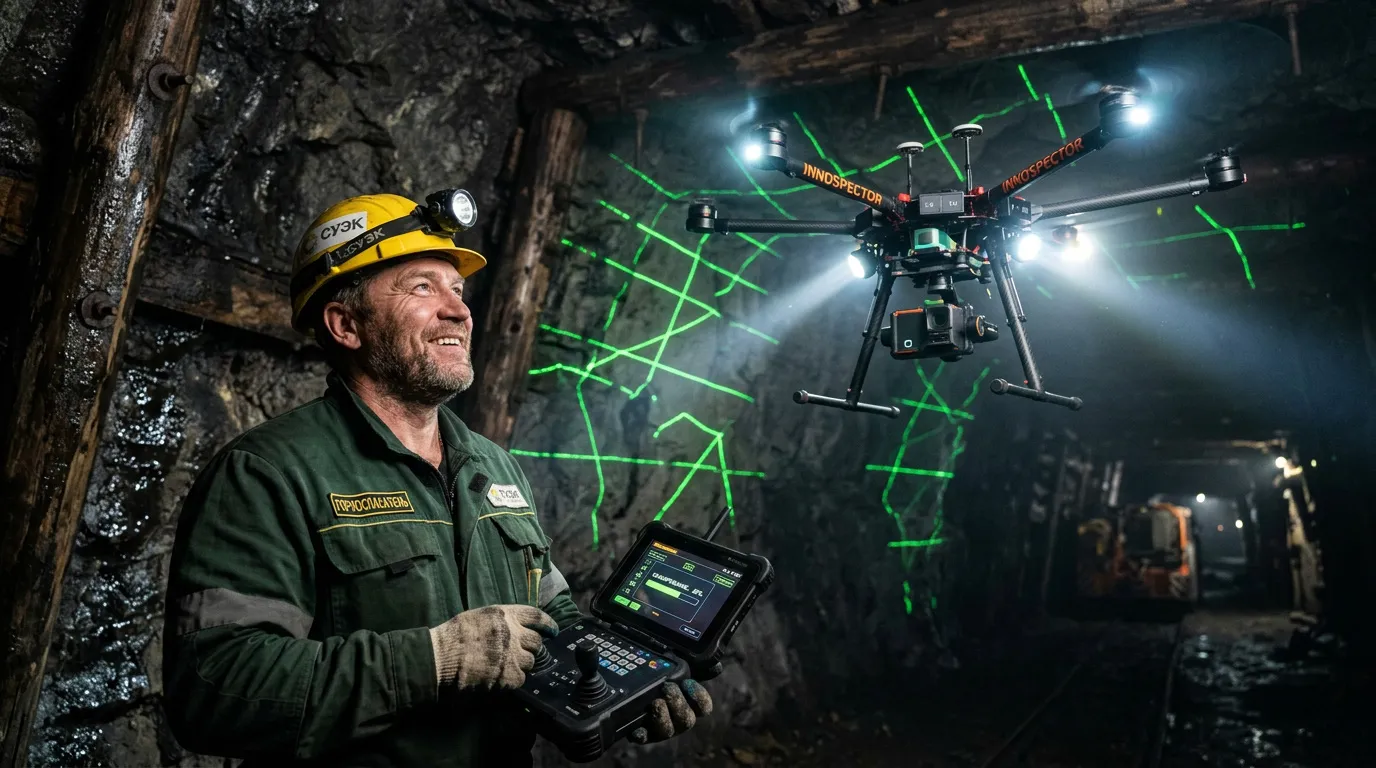
InnoSpektor was developed by engineers at the Unmanned Aerial Systems Center of Innopolis University. The drone operates in enclosed underground environments without GPS by relying on SLAM navigation technology. The system simultaneously determines its location and builds a map in real time. At the same time, it collects and analyzes information about the geometry of ore passes and underground workings. The platform is equipped with a lidar unit, a 4K camera, an IMU, onboard lighting, obstacle-detection systems, and proprietary data-processing software.
Within Russia, InnoSpektor has already been tested at dozens of mines, and Norilsk Nickel has deployed the drones at operations within its Polar Division. The Kazakhstan trials carried particular significance because mining companies in the country have experience using Swiss and Australian solutions. The tests therefore provided an opportunity for a direct technology comparison.
A distinct stage of the trial program involved assignments at Kazakhmys' Severo-Zhezkazgansky Mine and Rudnik Zapadny. Kazakhmys is a vertically integrated mining and non-ferrous metals company that ranks 20th globally in copper concentrate production and 12th in blister and cathode copper output. Engineers required just three hours to create several three-dimensional models of ore passes. Representatives of the host organizations, including specialists from Qazaq Geophysics, highlighted the Russian drone's maneuverability in narrow and dark underground environments, its proprietary data-processing software, ruggedized airframe, and automatic obstacle-avoidance capabilities.
Results Available at Landing
China is widely regarded as the global leader in industrial drone manufacturing. However, the Russian platform significantly outperformed Chinese counterparts in the speed at which results become available. InnoSpektor generates a finished 3D model immediately after a flight is completed, while comparable Chinese systems require roughly 24 hours to produce the same output.
Weight and portability represent another important advantage. The Russian-made system weighs just 3.5kg including its transport case. Comparable Chinese solutions have not been able to reduce system weight below approximately 15kg-20kg.
Kazakh engineers also emphasized the ease of operating the Russian drone, its effectiveness when inspecting difficult-to-access areas, and the developers' readiness to provide training and technical support.
The Path to Export Is Open
The project's strategic value lies not only in the hardware itself but also in the software used to process data and generate 3D models. The program highlights the export potential of Russian industrial drones, strengthens the position of Russian IT and robotics solutions across CIS markets, and serves as a practical example of import substitution in a narrow but technologically demanding segment of industrial digitalization.
Industry experts also point to opportunities beyond mining. Potential applications include 3D modeling, inspection of hard-to-access facilities, and mine-survey mapping for the oil and gas, energy, utilities, and industrial safety sectors. The technology could also be used in urban transportation systems such as metro networks and in underground municipal infrastructure, including ventilation shafts, tunnels, and utility collectors. In 2024, Innopolis University's drone was already tested inside a ventilation shaft of the Moscow Metro.
Last year, Norilsk Nickel tested InnoSpektor for surveying vertical and inclined ore passes as well as mined-out chamber workings, essentially the same tasks performed during the Kazakhstan trials. The timing is significant because Western manufacturers stopped selling and supporting comparable systems in Russia after 2022. The project therefore has considerable growth potential. In April 2026, Russia and Kazakhstan signed a memorandum of cooperation covering unmanned transport systems and digital transportation technologies, underscoring Kazakhstan's openness to Russian-developed unmanned technologies with proven industrial applications.