AI Is Calling Patients: Russian Technology Helps Monitor People With Diabetes
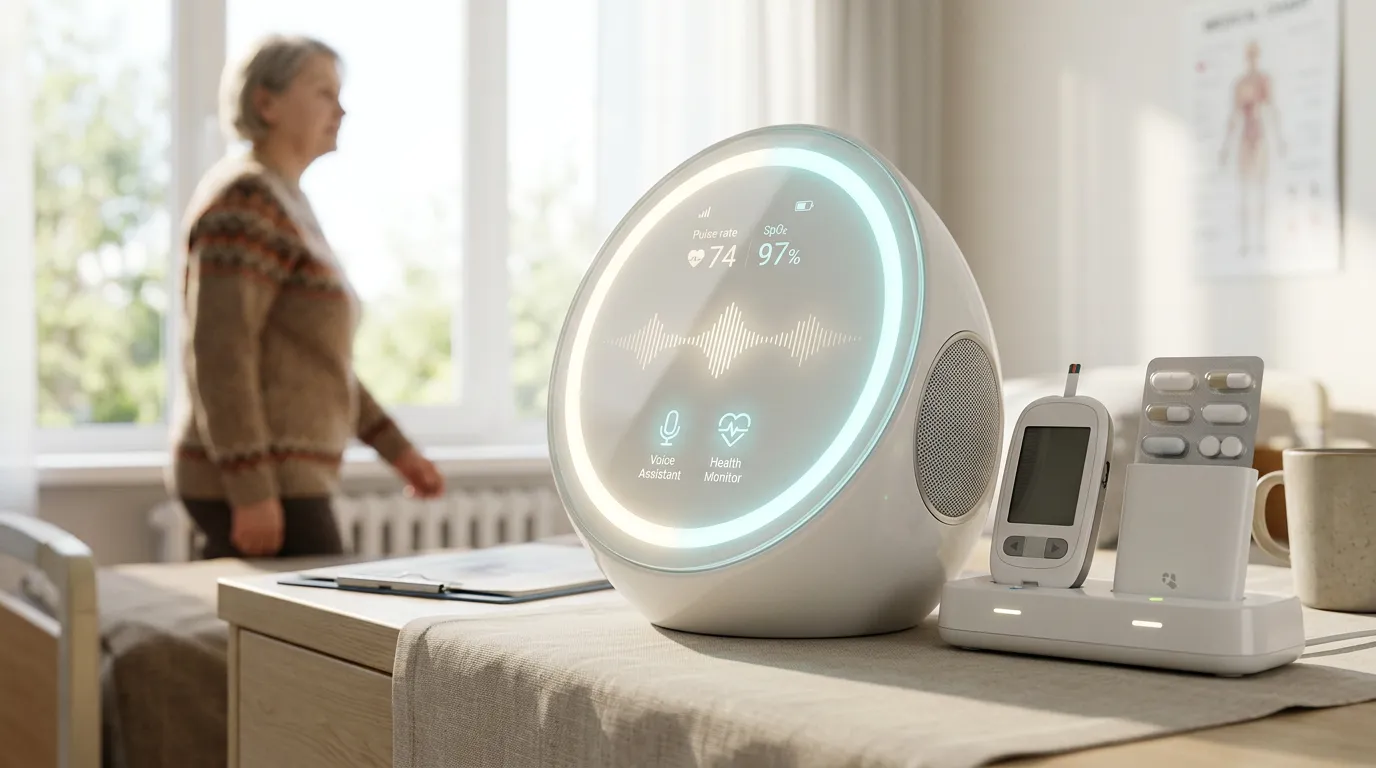
Researchers at Sechenov University have tested a voice AI assistant for patients with diabetes and obesity. The neural network called patients, asked about their well-being, reminded them to take their medications, and relayed data to their doctors. Over one month, participants saw significant improvements in their health measures.

For people living with a chronic disease, treatment does not end in the doctor's office. Between clinic visits, patients need to monitor their health regularly, take medications, track key measures, and promptly tell their healthcare provider if something changes. In practice, that daily routine can be one of the hardest parts of treatment – people may forget to check their blood sugar or take their medications.
Scientists at Sechenov University set out to determine whether a voice AI assistant could take on the task of reminding patients about essential daily activities. The results were published in the journal Kardiologiya (Cardiology). The study was conducted with support from the Priority 2030 program of the national project Youth and Children.

AI Calls Patients
The experiment involved 121 people with type 2 diabetes and obesity. Of these, 71 patients received standard treatment and also interacted with a voice AI assistant every day. Another 50 received standard medical monitoring only. The study lasted one month. Patients did not need to install a special app or connect to the internet. The assistant contacted them through a regular mobile phone connection at a prearranged time.
During each call, the system asked about blood glucose levels and waist circumference, checked for symptoms of hypoglycemia and hyperglycemia, and reminded patients to take their prescribed medications. In other words, the AI initiated regular contact with the people it was monitoring. That is an important difference from many digital health services now used in medicine. Patients did not have to remember to open an app, enter data, or check notifications. The system reached out on its own and collected the information.
If the AI detected that a patient's blood glucose was outside a dangerous range, or the patient reported concerning symptoms, the information was immediately sent to a doctor. The physician then decided whether to adjust the treatment or ask the participant to come to the clinic. In this setup, the voice assistant did not replace the doctor. Instead, it acted as an assistant, helping maintain regular contact with the patient.
Results Stand Out
After four weeks, the researchers recorded changes in several measures.
Among patients who used the voice AI assistant, the lipid accumulation product (LAP) index fell by 25.9%, while the visceral adiposity index decreased by 31.2%. These measures are used to assess metabolic risks associated with the accumulation of fat around internal organs. Fasting blood glucose levels fell by 15.1%.
In the control group, where patients received standard medical care without daily interaction with a digital assistant, the researchers found no significant changes in these measures.
Adherence to treatment and recommended lifestyle changes also made a difference, as is often the case with chronic diseases. Forty-two percent of patients in the AI-assisted group fully followed the recommendations, compared with just 18% in the group without the assistant. Patients' subjective assessment of their quality of life also changed. Over the month, the score increased by an average of seven points among participants receiving remote monitoring, compared with just one point in the control group.
The potential applications of such systems may extend beyond diabetes. The same approach could be used for remote monitoring of patients with cardiovascular and respiratory diseases.

Plans for the Future
Clinicians at Sechenov University plan to continue their work on voice AI. The researchers note that the monitoring lasted only one month and was conducted at a single center, so the findings cannot yet be automatically generalized to all patients with diabetes and obesity.
The next task is to conduct a more extensive and longer-term study. Among other measures, the researchers plan to assess glycated hemoglobin levels and the incidence of cardiovascular complications. The results so far indicate that the technology has potential and can help improve people's quality of life.
The technology also has export potential. The voice interface, survey scripts, medical algorithms, and integration with information systems can be adapted to the requirements of different countries.