T1 Optimizes Fuel Logistics
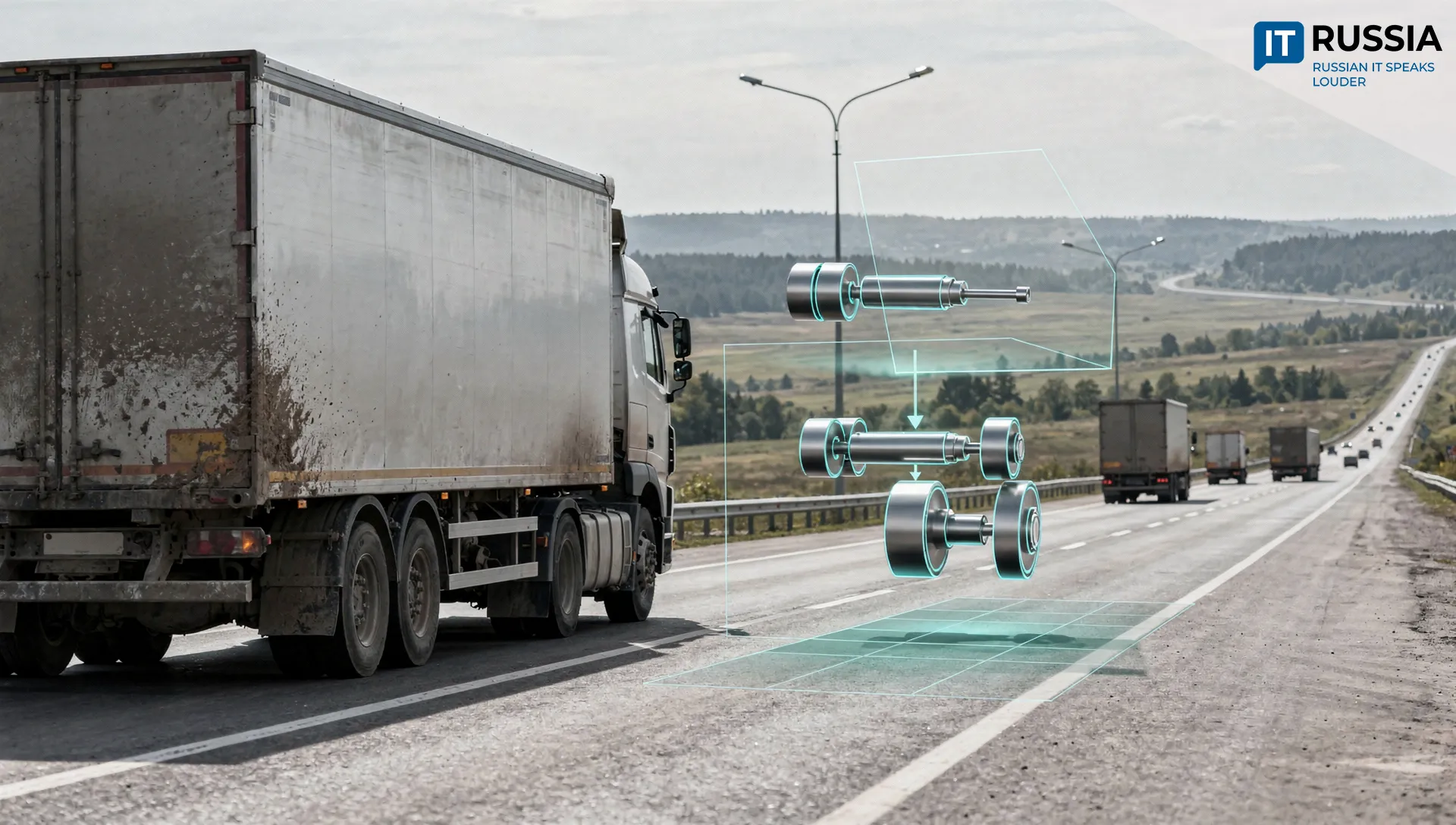
Russian IT holding T1 is developing a platform that uses artificial intelligence to build optimal routes for delivering fuel from oil depots to gas stations.
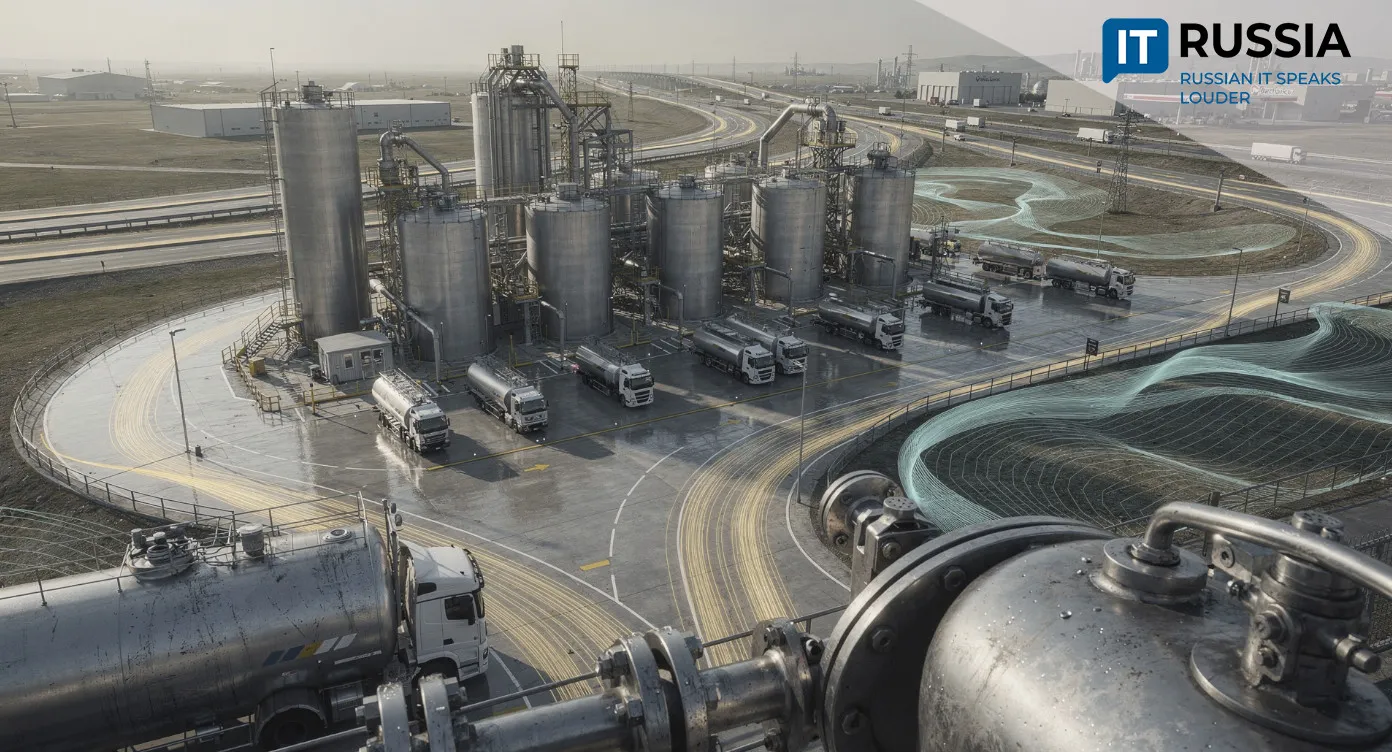
The T1 Orsima solution optimizes logistics for oil and gas companies using mathematical modeling. The system takes into account time constraints, the composition of a tanker truck fleet, the location of facilities and other operational parameters. According to the company, using the software could reduce energy-sector companies' total logistics costs by up to 8% and cut the time required for manual route planning by up to 80%.
This reflects the active development of the vertical AI market in Russia's IT sector – solutions designed not for mass-market users but for complex industrial tasks involving large numbers of constraints.
For the oil and gas industry, deploying such systems can reduce fuel transportation costs, improve the reliability of gas station supplies, make more efficient use of vehicle fleets and infrastructure, and reduce downtime caused by labor shortages in transportation logistics. Consumers could see greater resilience in fuel supply chains as a result.
Horizons and Scale
Within Russia, T1's new technology could be used for more than fuel deliveries. Similar route optimization methods are applicable to the coal industry, electric power and natural gas sectors, as well as industrial logistics in metallurgy, chemicals and large manufacturing companies.
The development of such systems follows the broader trend toward logistics digitalization, with companies using AI to forecast demand, manage inventories and optimize routes.
In theory, Russian solutions in this field could become an avenue for exporting digital technologies, although that would depend on developers' ability to adapt their products to production processes in foreign markets.

Five Years of Digitalization
T1's new product is just one example of solutions developed by Russian professionals in industrial and transportation AI.
For example, in 2021, Gazprom Neft reported using AI, machine learning and analytics platforms in logistics, refining and sales. The company uses algorithms to optimize ship routes in the Arctic and analyze the flow of petroleum products from refineries to end consumers. In 2022, Rosneft presented the RN-Neural Networks software suite, in which AI algorithms select optimal approaches to developing oil fields. That same year, mathematical optimization methods began to be applied across the entire fuel supply chain: software developed by the St. Petersburg Oil Terminal showed that cargo operations are becoming increasingly intelligent.
In 2023, the Severnyy Zavoz (Northern Supply Delivery) digital twin was presented – a system for modeling and optimizing cargo deliveries to hard-to-reach areas of the Arctic and Russian Far East that takes into account different modes of transport, routes and infrastructure constraints.
By 2025, Russian companies continued to advance digitalization in oil and gas logistics. Cloud platforms, IoT tools and digital twins were being used to optimize fuel storage and transportation. The industry had moved toward comprehensive platforms that bring together production, storage, transportation and supply data.
Platforms Instead of Tools
AI-based solutions for oil and gas logistics are becoming one of the most promising areas of industrial digitalization. Their main benefit is to improve the quality of management decisions by processing large volumes of data.
In the coming years, such technologies are likely to advance most rapidly in the oil and gas industry, energy, manufacturing and transportation. This is helping build Russia's industrial AI market while expanding expertise in mathematical modeling, big data and automated control.
The T1 solution is another step in this direction, demonstrating that Russian developers can create platforms for managing complex logistics systems with thousands of variables.