Carbon Revolution: MEPhI’s Diamane Paves the Way for Future Electronics
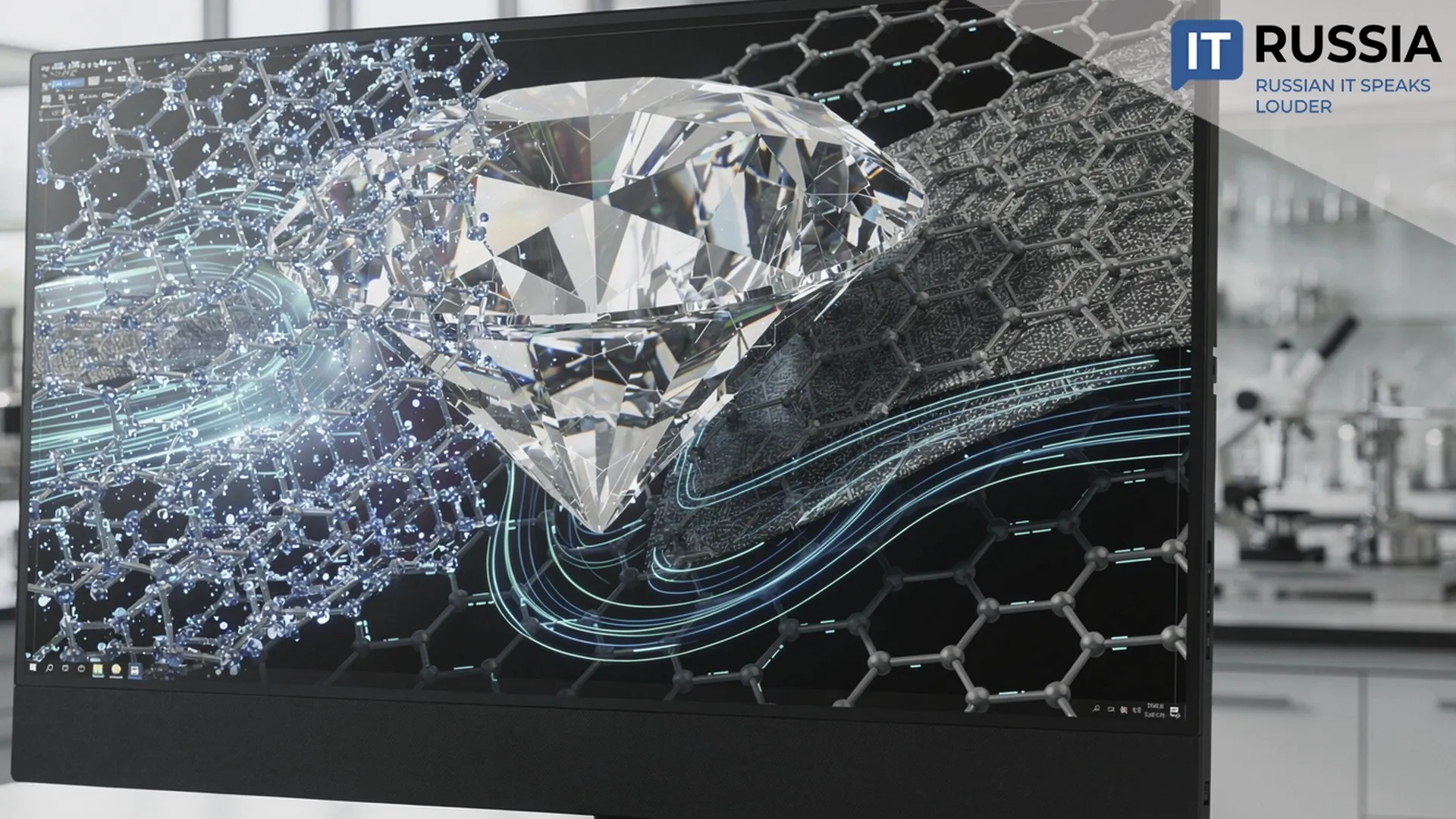
Scientists at the National Research Nuclear University MEPhI used computer modeling to study the process of transforming diamane, a “two-dimensional diamond,” into a valuable hybrid material that combines conductive, semiconducting and dielectric properties.
The advance could help develop more compact and efficient carbon-based nanoelectronics in the future. The study’s results were published in the scientific journal Diamond & Related Materials.
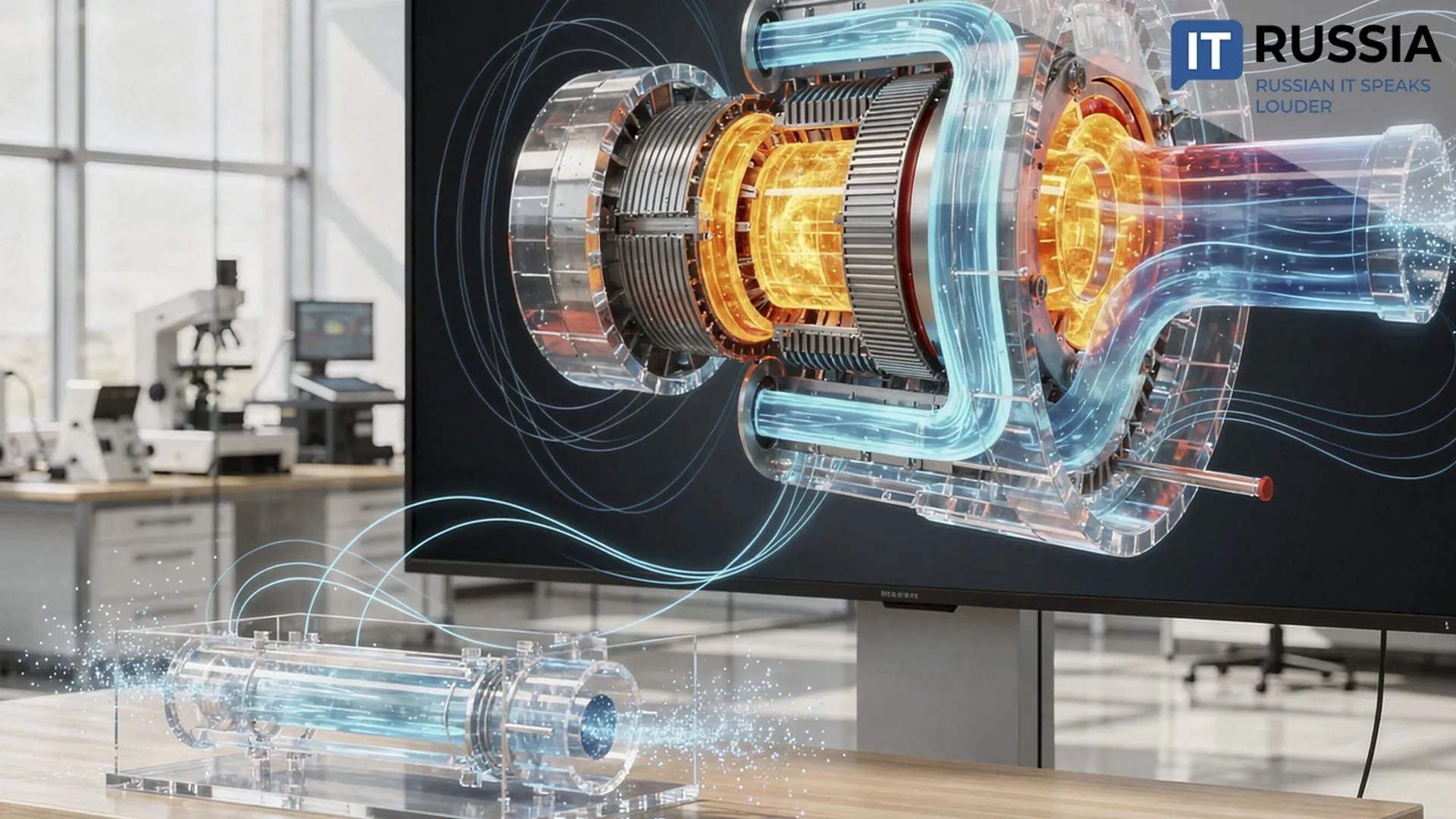
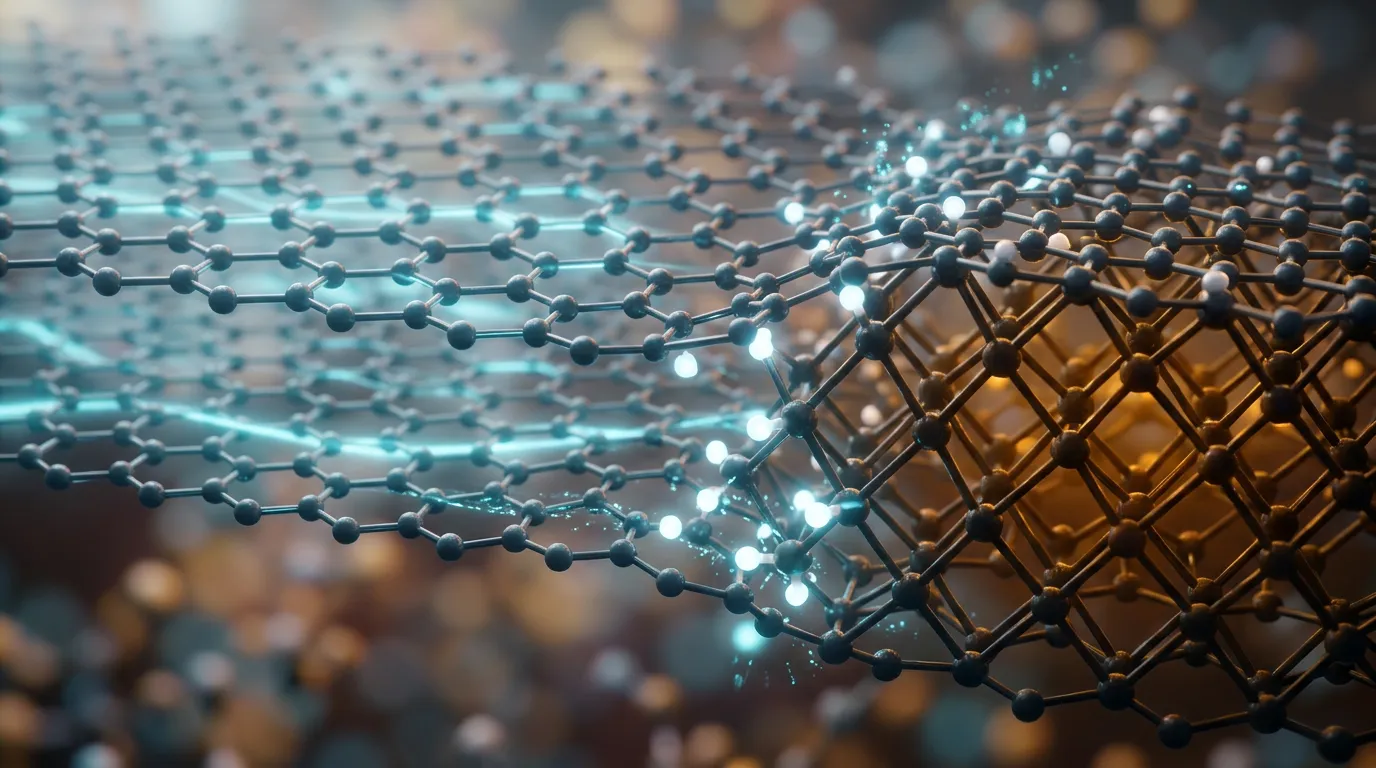
Modern microelectronics is approaching the physical limits of silicon-chip miniaturization, prompting scientists around the world to search for fundamentally new solutions. As part of this global effort, researchers at MEPhI have taken an important step by using advanced computer modeling to investigate the behavior of diamane. This unique two-dimensional material consists of two strongly bonded graphene layers stabilized by hydrogen atoms.
The researchers found that when diamane is heated and these hydrogen atoms are selectively removed, individual regions of the material transition into bilayer graphene. This opens up a striking possibility: regions with conductive, semiconducting and dielectric properties could coexist simultaneously and seamlessly within the same nanostructure. The researchers also calculated that the smallest stable diamane region is about 0.3 nanometers in diameter and can be preserved with just eight hydrogen atoms, highlighting the extraordinary precision with which matter could potentially be controlled at the atomic scale.

The End of “Seams”: Why This Could Change the Game
The main significance of the result lies in the theoretical possibility of creating different functional elements within a single carbon material. Today, conductors, semiconductors and dielectrics are made from different materials that must be physically joined. The interfaces between them inevitably introduce additional electrical resistance and structural defects, limiting further chip miniaturization and performance.
A diamane–graphene system could potentially eliminate these problems by creating atomically smooth transitions without energy losses. Graphene’s high charge-carrier mobility makes such a platform particularly promising for ultrafast nanoelectronics. In the longer term, this could lead to more compact, powerful and energy-efficient devices, including flexible wearables and biocompatible medical implants.
Why the Research Matters for Russia’s Technological Sovereignty
It is important to keep the scale of the advance in perspective: this is still fundamental research at the computer-modeling stage, not a working processor prototype or a mass-production technology. Yet its significance for Russia’s IT industry could be substantial. Amid intense competition over post-silicon technologies, Russia is building its own scientific expertise by exploring alternative technological platforms rather than focusing solely on incremental improvements to conventional silicon. If the calculations can be confirmed experimentally, the work could provide a solid scientific foundation for a new generation of Russian electronics – including ultrathin components, flexible electronics and highly sensitive sensors – while reducing critical dependence on imports.
From Theory to Practice: A Look Back and the Global Context
The MEPhI study is part of a broader research effort. As early as 2022–2023, scientists proposed methods for stabilizing graphene heterostructures and opening a band gap in graphene. In 2024, researchers at the National University of Science and Technology MISIS and the Joint Institute for Nuclear Research produced a stable material made from graphene and nanodiamonds using ion irradiation.
Global competition in this field is intense: also in 2024, researchers in the United States and China reported producing functional semiconducting epitaxial graphene. Even so, Russian research is already gaining international recognition: MEPhI’s materials-modeling approaches have been successfully applied by researchers in India, Turkey and Iran. And a 2025 achievement, when Russian specialists created mass-produced industrial current sensors based on twisted graphene, demonstrates that moving from fundamental research to real devices through a complete domestic technology chain is feasible.
The Direction Is Set
Carbon electronics will not completely displace silicon in the foreseeable future. Experts expect the two to develop in parallel, with carbon materials occupying specialized niches where thickness, flexibility and speed are critical. The next crucial step for the MEPhI team is to produce the structures experimentally and develop methods for a controlled, reproducible transition between diamane and graphene. Only then will it be possible to discuss creating actual electronic components and assessing their suitability for industrial-scale production. That path will take years, but fundamental research of this kind is what builds long-term technological sovereignty. The carbon revolution has already begun, and Russian science is playing a strategically important role in it, laying a solid foundation for tomorrow’s innovations.