Chelyabinsk Mathematicians Cut the Cost of Wildfire Detection
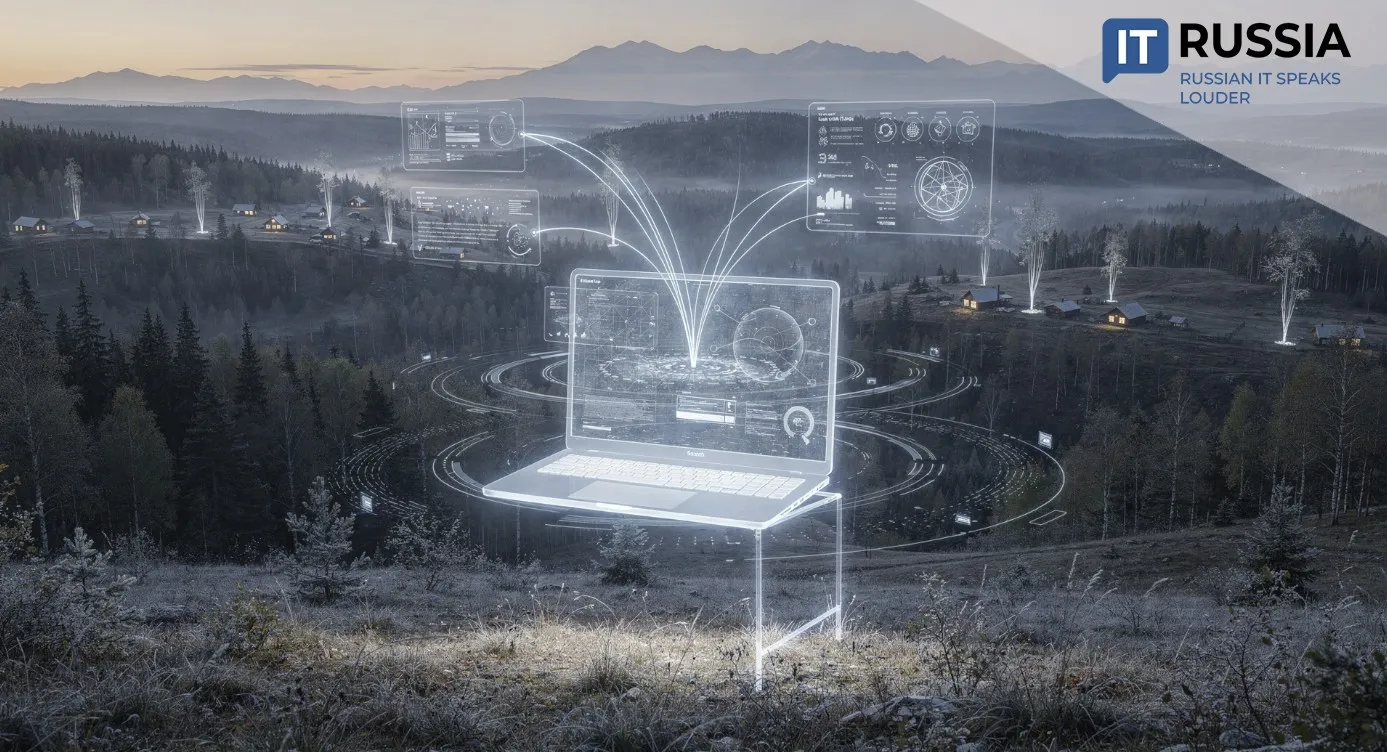
To spot a wildfire in time, cameras need to be placed in the right locations. Researchers at South Ural State University (SUSU) have proposed monitoring wildfire conditions using mathematics and intelligent video surveillance.
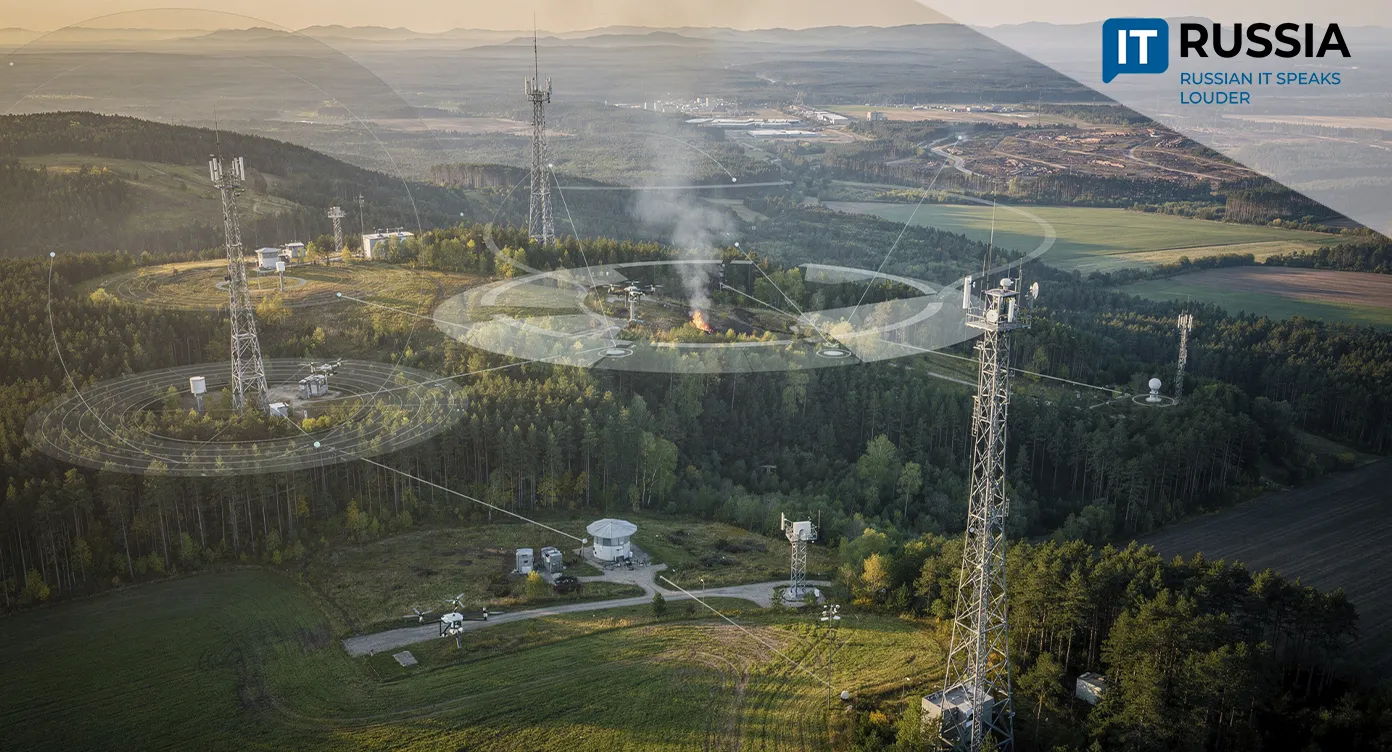
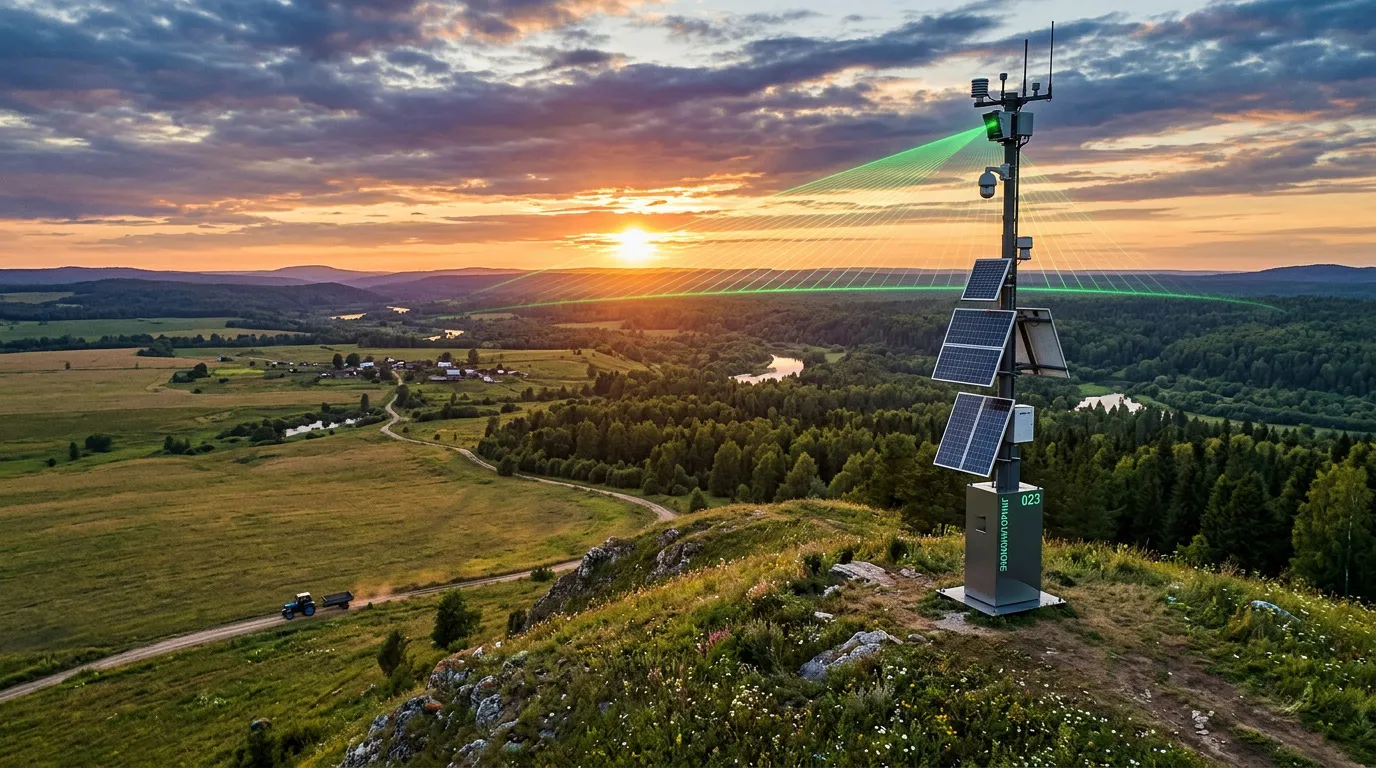
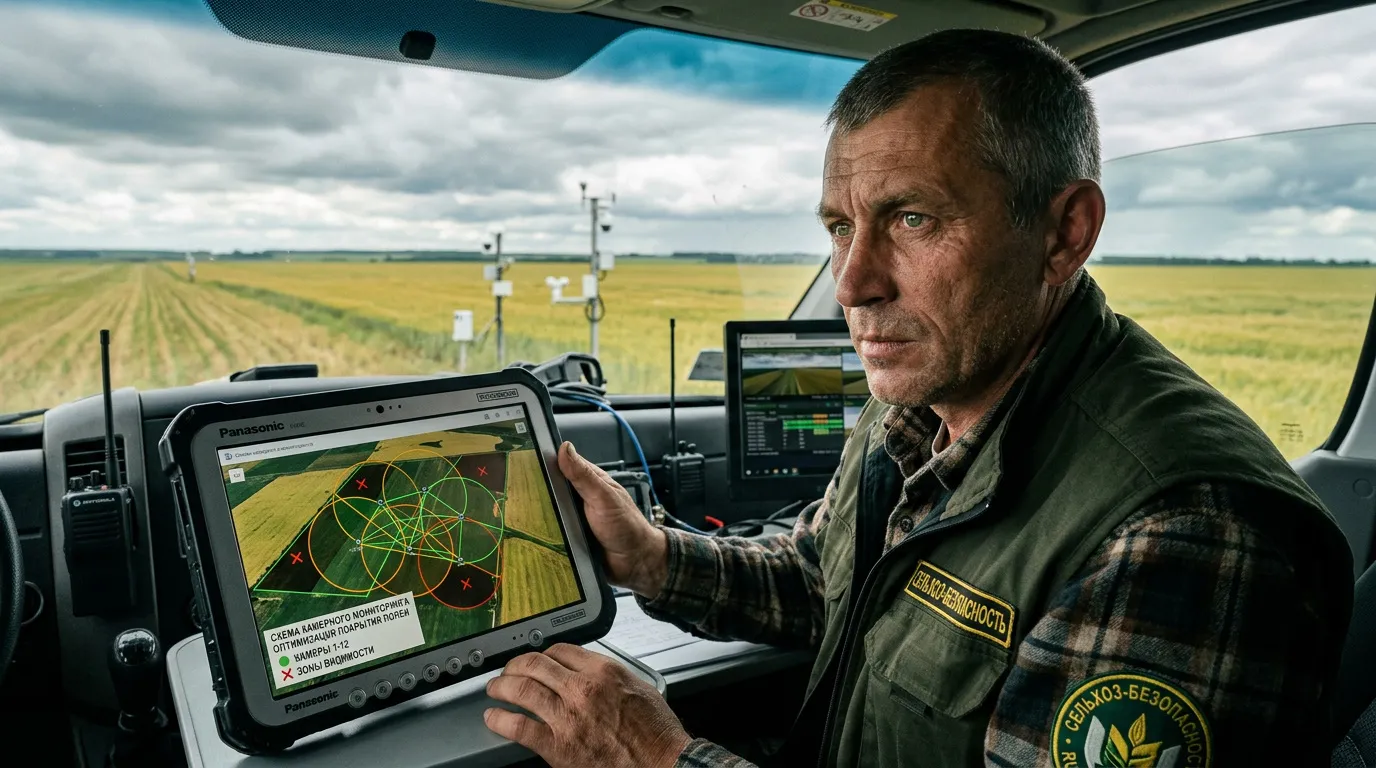
The new approach is both effective and cost-efficient, and it is built around a sophisticated mathematical model. Using specialized algorithms, SUSU researchers calculate the optimal number of cameras and determine exactly where they should be installed to eliminate blind spots without purchasing unnecessary equipment. Unlike satellites, which may provide imagery only every few hours, a camera network analyzes video streams in real time, detecting even the earliest signs of smoke or fire.
In the past five years alone, Russia has recorded more than 45,000 forest fires and over 15,000 fire incidents at agricultural facilities.
“More than 100,000 hectares of farmland have been destroyed, and direct crop losses have exceeded 15 billion rubles (about $190 million). Traditional fire detection methods are no longer sufficient, and new technologies are needed,” says Aleksandra Demina, a researcher in the Department of Life Safety at SUSU.
The SUSU development provides a foundation for a more effective wildfire monitoring system. It is designed to help firefighters arrive while a fire is still small enough to be extinguished without deploying aircraft.
Smart Monitoring
Last year, wildfires affected about 335 million hectares of land worldwide, the second-lowest figure of the past two decades. Even so, relatively calm years can still bring substantial human and economic losses. As a result, many countries are turning to intelligent monitoring systems.
The U.S. state of California, which faces devastating wildfires almost every year, has deployed the ALERTCalifornia project. The initiative already operates a network of more than 1,140 AI-enabled cameras. Yet intelligent monitoring technologies are often expensive to implement.
The Russian approach focuses not only on purchasing cameras but first determining exactly where they should be installed. Russia currently uses about 2,300 AI-equipped cameras for wildfire monitoring. Under the national Data Economy program, nearly 3,000 additional cameras are expected to be deployed by 2030. SUSU’s contribution is to bring mathematical optimization into the process, eliminating blind spots while reducing costs. Although the system currently requires a human operator, developers plan to transition it to fully autonomous operation in the future.
Detect and Extinguish
The Lesookhranitel (Forest Guardian) remote monitoring and management system integrates more than 3,300 cameras across over 70 regions of Russia. It has reduced the number of fires within monitored territories by at least 20%. Forests are also protected by the Lesnoy Dozor (Forest Watch) system, which can detect even the smallest ignition events. Forestry agencies in nearly every Russian region are now equipped with drones. More than 1,600 UAVs have entered service for forest protection over the past two years, and more than 5,100 additional drones are scheduled for procurement by the end of 2030.
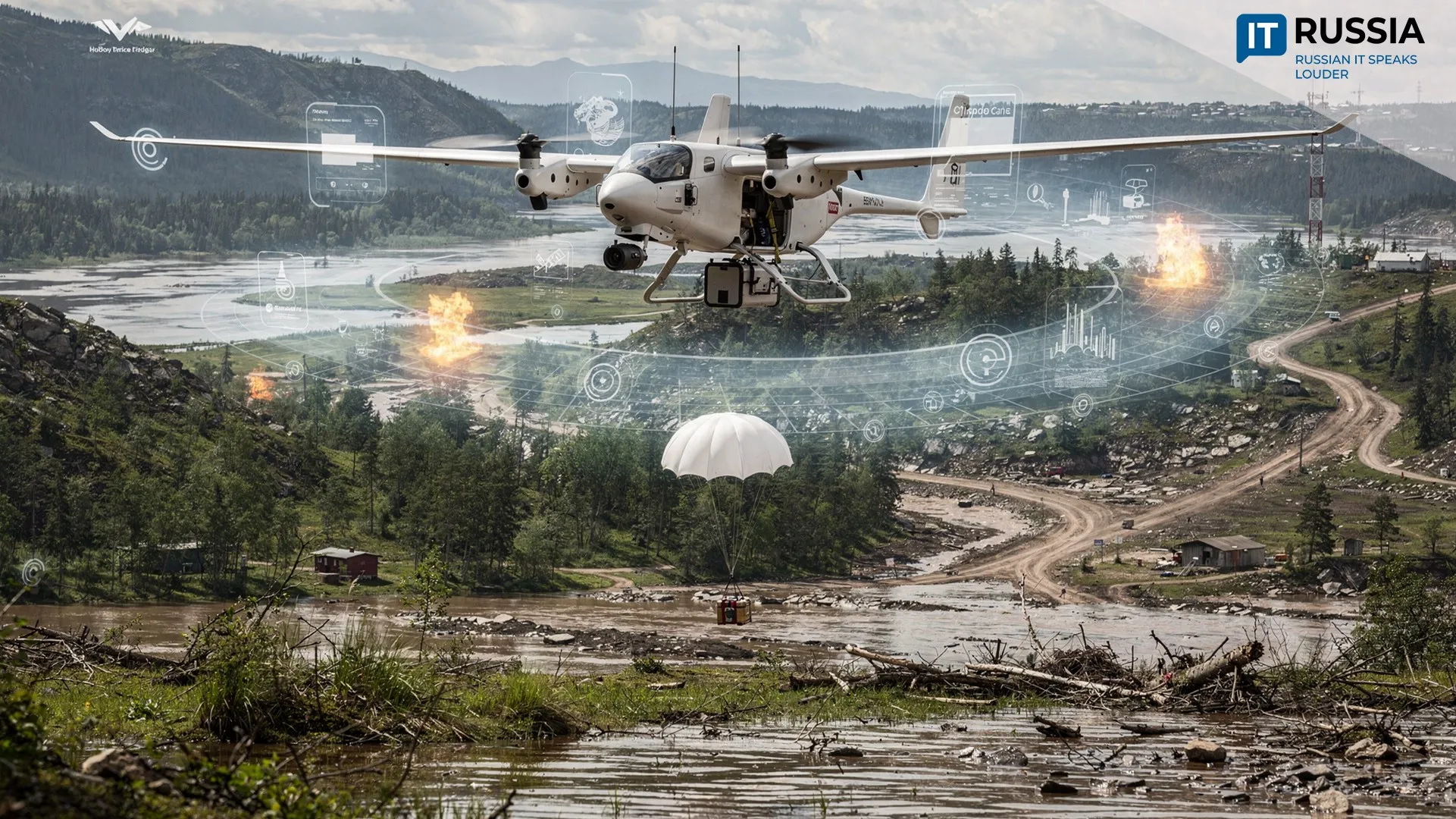
Avialesookhrana and Geoscan are jointly advancing unmanned aerial systems for monitoring wildfire risks and active forest fires, including solutions that use artificial intelligence. Geoscan, for example, has developed an onboard AI system for fire detection. The neural network processes video directly on the drone, identifying active fire hotspots and smoldering areas while automatically recording their coordinates. Meanwhile, researchers at Penza State University have created an AI-powered software platform that predicts where fires are likely to occur. The system evaluates weather conditions, vegetation status, historical data, and numerous other factors, including expert assessments, to identify high-risk locations before a fire starts.
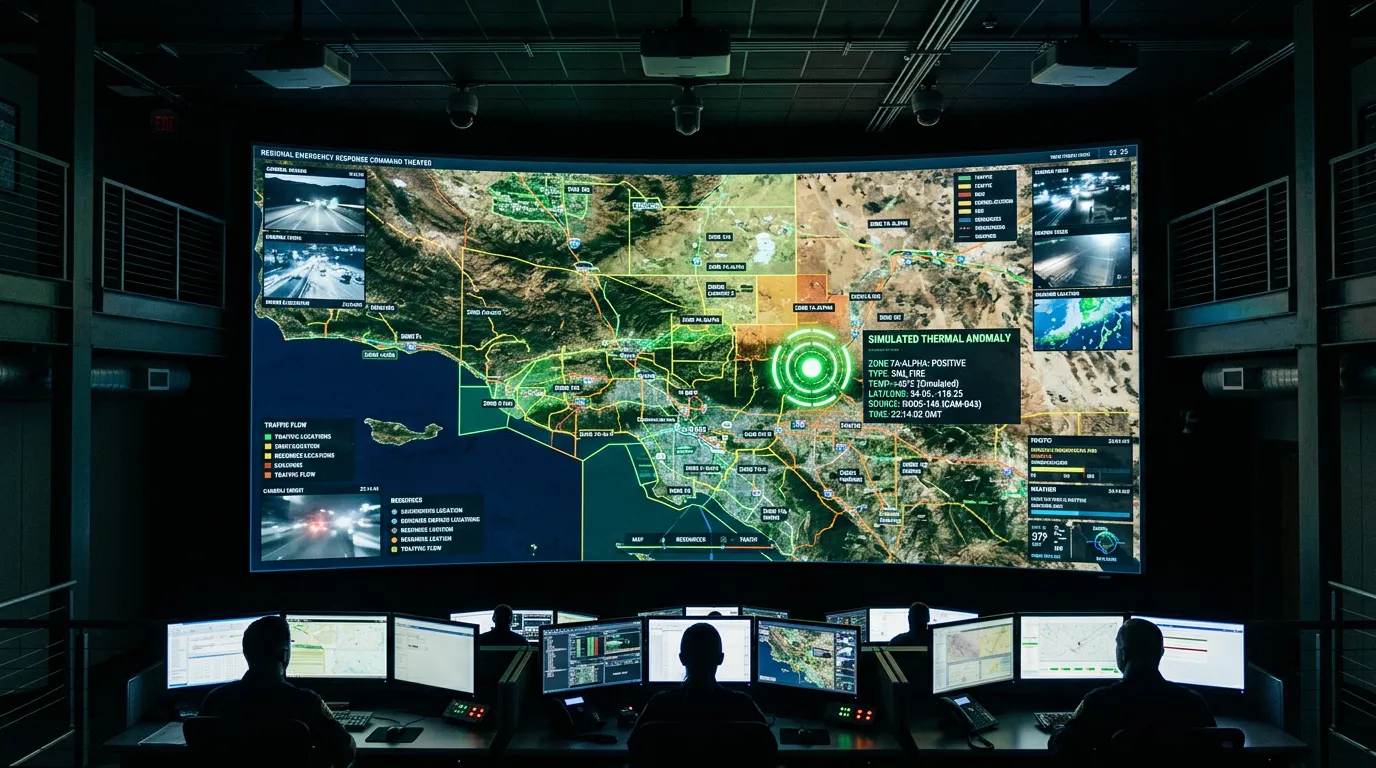
The future belongs to hybrid monitoring systems that combine drones, satellites, and ground-based optical networks. SUSU’s contribution is adding a mathematical layer to that ecosystem - a digital safety net designed to catch wildfires before they grow into large-scale disasters.