Dentistry's Digital Tooth Fairy: AI Is Learning to Care for Children's Teeth
Russian researchers, working with colleagues from Uzbekistan, have found that artificial intelligence can detect dental caries on X-ray images with up to 96% accuracy and identify dental plaque from ordinary smartphone photographs. Neural networks are also reviewing treatment plans and medical records, searching clinical guidelines, and can even replace call centers when scheduling dental appointments.
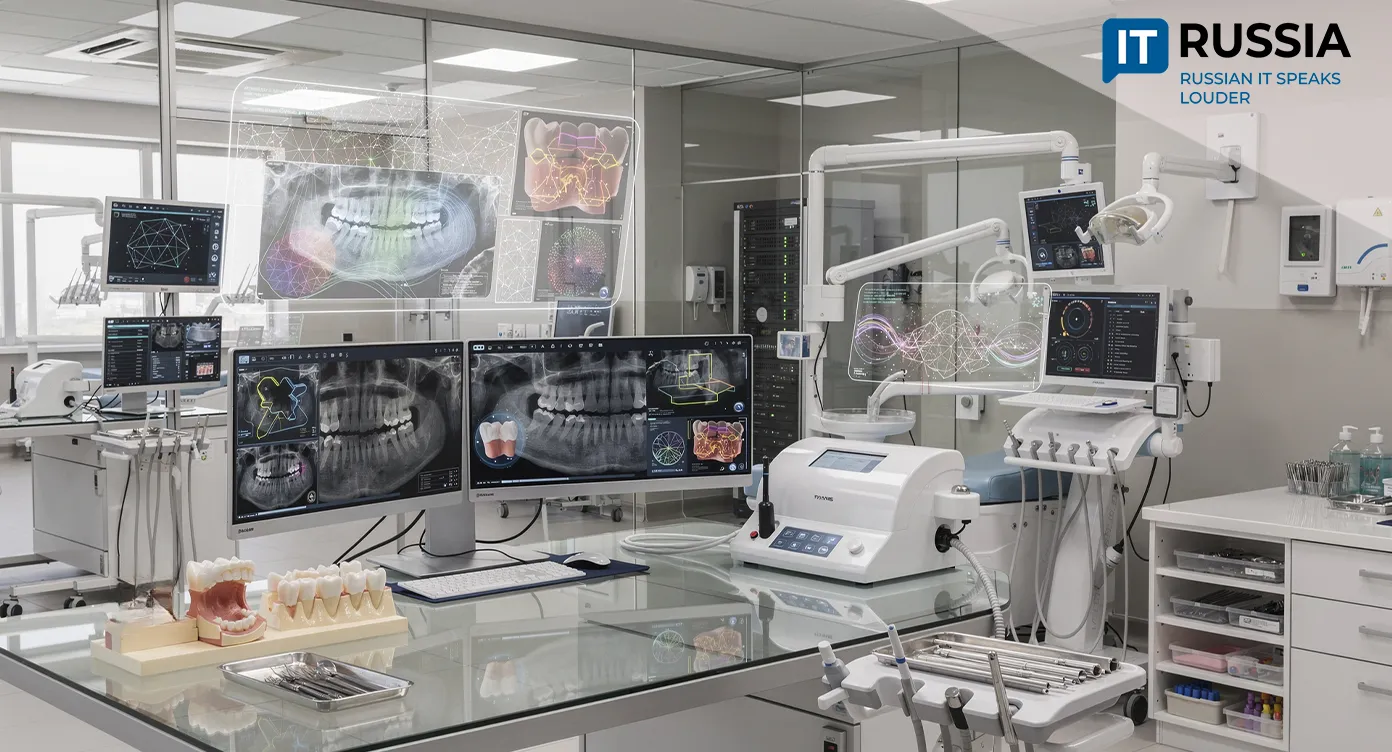
For decades, dentistry remained one of medicine's most hands-on specialties. Dentists relied on drills, mirrors, film X-rays, and years of clinical experience stored in their own expertise. That picture is beginning to change. Artificial intelligence is steadily making its way into dental practice. Skilled clinicians and precise manual work remain indispensable, but AI is increasingly taking over routine tasks ranging from cavity detection to reviewing medical records.
Researchers at Volgograd State Medical University, working with colleagues from Tashkent State Medical University, conducted a comprehensive study examining how artificial intelligence is already supporting pediatric dentistry.
Supporting the Dentist
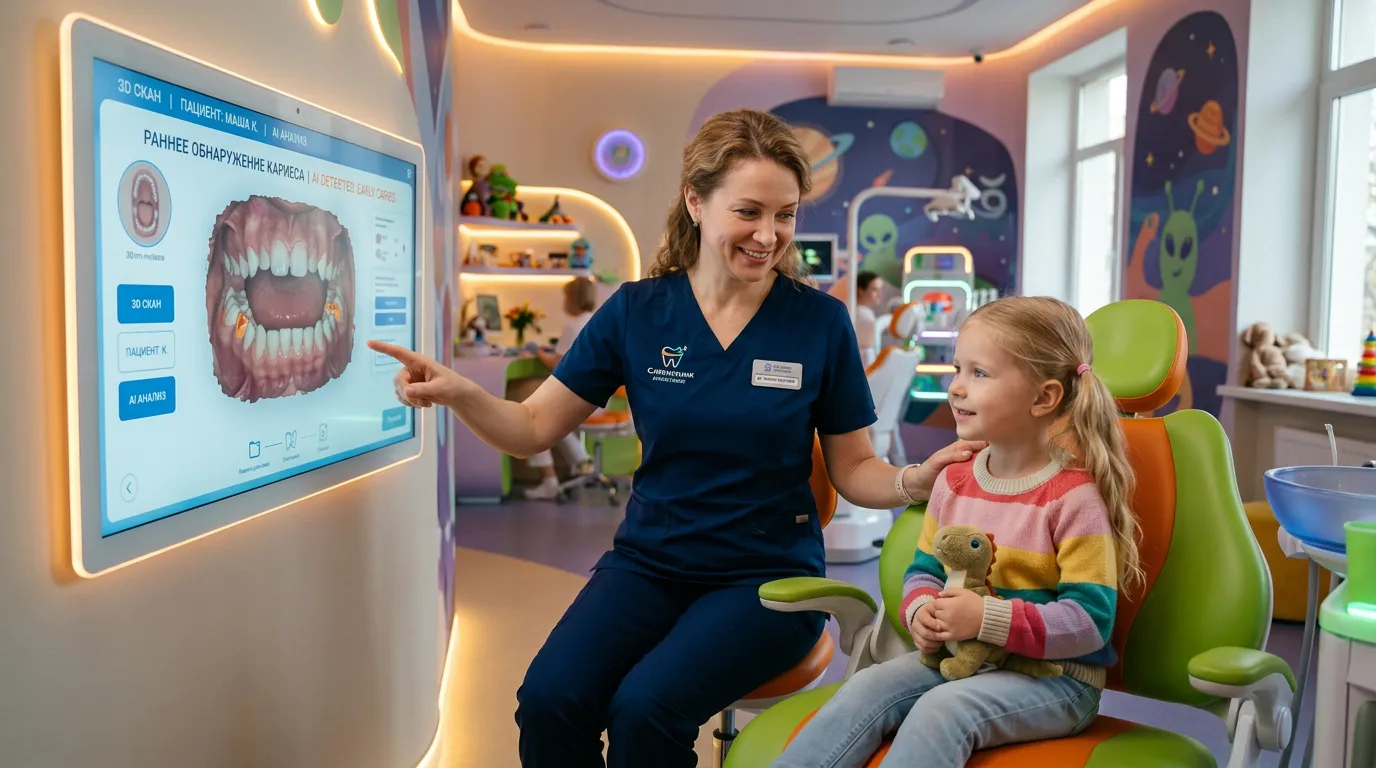
The most visible advance is image-based diagnosis. Neural networks analyze dental X-rays and detect caries with an accuracy of 88% to 96%, a level comparable to that of experienced dentists.
Researchers have also trained AI to analyze photographs of children's teeth taken by parents with a smartphone. The software evaluates oral health, identifies plaque, and detects potential problems. As an initial screening tool, the technology offers a significant advantage: families can first assess a child's teeth with AI before deciding whether an in-person dental visit is necessary.
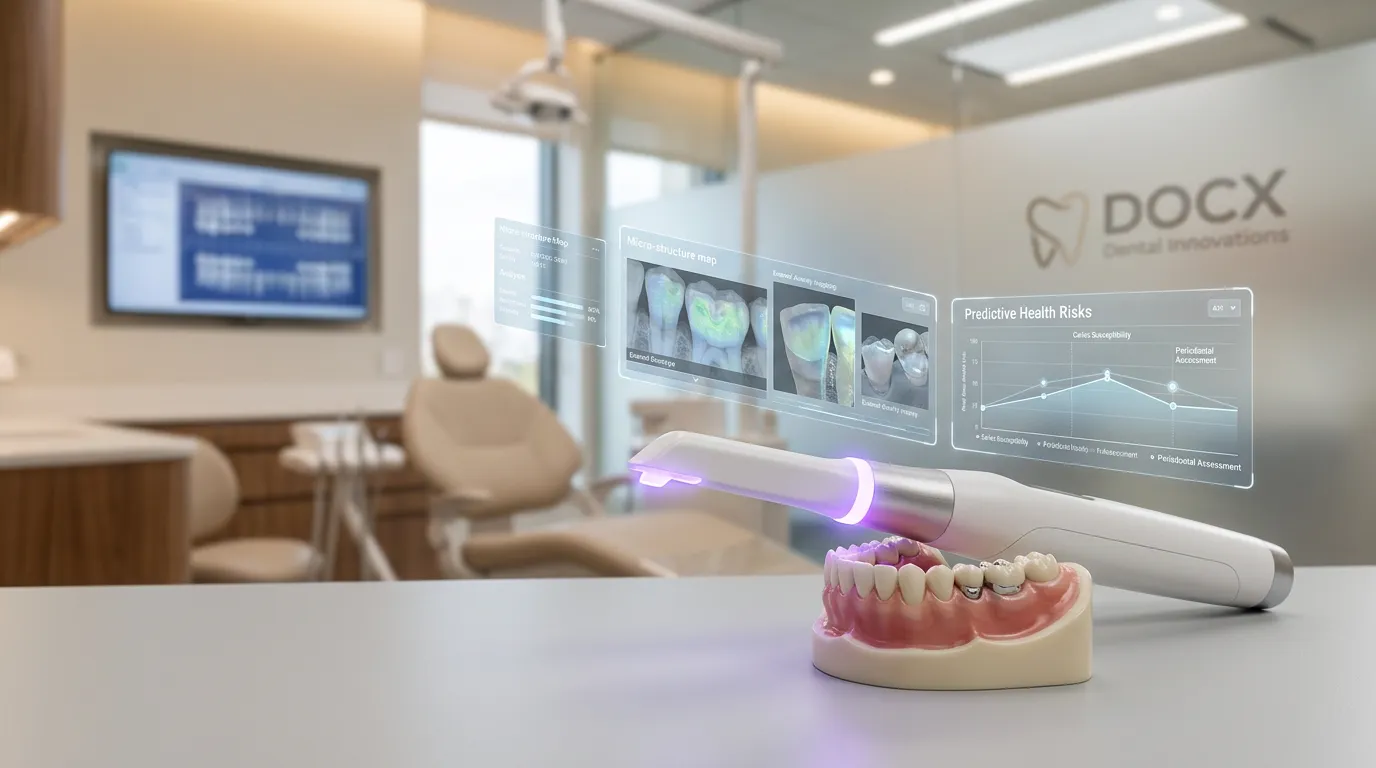
A third area is risk prediction. The system receives a patient profile containing information such as lifestyle, diet, saliva analysis, and genetic characteristics. AI then evaluates the child's risk profile, estimates the likelihood of developing dental caries, and indicates whether preventive intervention should begin.
AI is also becoming a virtual assistant. Chatbots communicate with parents, collect information about symptoms, and schedule appointments. Dentists receive a structured patient history, key clinical questions, and a preliminary diagnostic assessment before the visit begins.
Improving Administrative Workflows
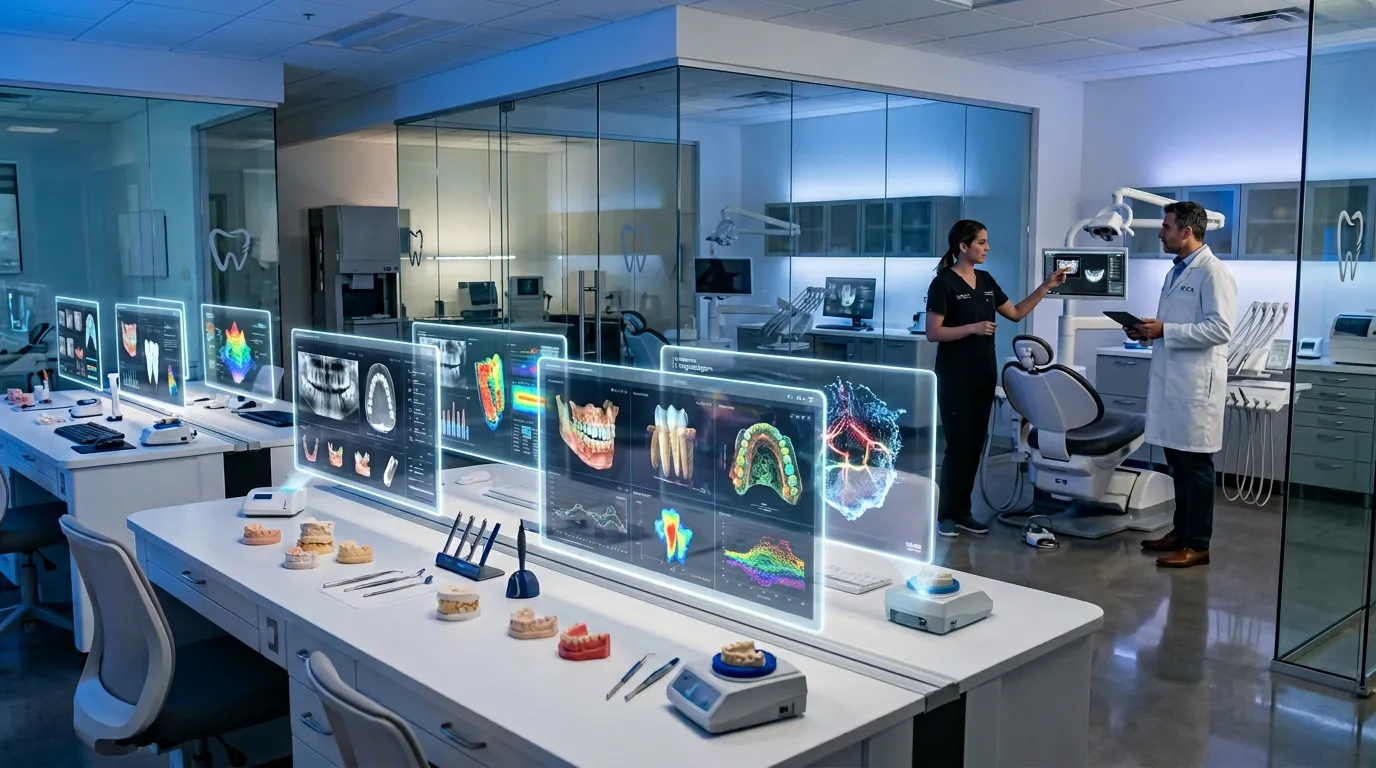
Beyond clinical applications, artificial intelligence is taking over administrative work that consumes hours of clinicians' time. The researchers identified three primary areas.
The first is treatment plan validation. AI compares proposed treatment plans with the patient's clinical findings, diagnostic images, and examination results. It identifies omitted treatment steps, unnecessary or missing procedures, and inconsistencies between recommendations from different specialists.
The second is medical record review. The software checks whether documentation is complete, verifies compliance with clinical protocols, confirms the presence of informed patient consent, and validates medical coding. For large dental networks managing high patient volumes, this automation can substantially reduce administrative workload.
The third is real-time clinical decision support. While patient history is being collected, AI instantly retrieves relevant clinical guidelines, treatment protocols, medication dosages, and emergency care algorithms. That allows dentists to access evidence-based information within seconds.
What Does This Mean for Children and Parents?
For children, earlier diagnosis increases the opportunity to prevent complications. Caries can be detected at the white-spot stage, when treatment is less invasive and far less stressful. For parents, it means fewer unnecessary visits to the dentist. A tooth can be photographed, submitted through an application, and evaluated before scheduling an appointment. Meanwhile, dentists spend less time on paperwork because AI reviews medical records, searches clinical guidelines, and validates treatment plans.
Better Together
The joint study by Volgograd State Medical University and Tashkent State Medical University demonstrates that both Russia and Uzbekistan have developed medical AI expertise ready for practical implementation. The findings could form the basis for commercial technologies, including clinical decision support systems designed specifically for dentistry.
Russia's approach is particularly valuable because it focuses on serving mainstream healthcare rather than premium private practices. Many Western AI solutions target clinics with virtually unlimited budgets, whereas Russian developments are designed for everyday public dental clinics. That approach could open opportunities in Asia, Africa, and Latin America, where affordable digital healthcare technologies are expected to see strong demand.
Experts largely agree that AI adoption in dentistry should begin with administrative workflows. Today, artificial intelligence already reviews medical records, validates treatment plans, and audits clinical consultations with reported accuracy ranging from 72% to 99%. Clinical applications, including diagnosis and prediction, still require further refinement for specialized tasks such as identifying supernumerary teeth or estimating dental age.
The study reaches a clear conclusion: artificial intelligence will not replace dentists. Instead, it is positioned to become an indispensable clinical assistant.