Preparing for Winter: Robots Inspect Ulyanovsk Pipelines Ahead of Heating Season
For district heating engineers in Ulyanovsk, robotic inspection systems have become a routine tool for assessing the condition of transmission pipelines. As part of preparations for the upcoming heating season, an automated inspection platform examined nearly 800 meters of a major district heating main.
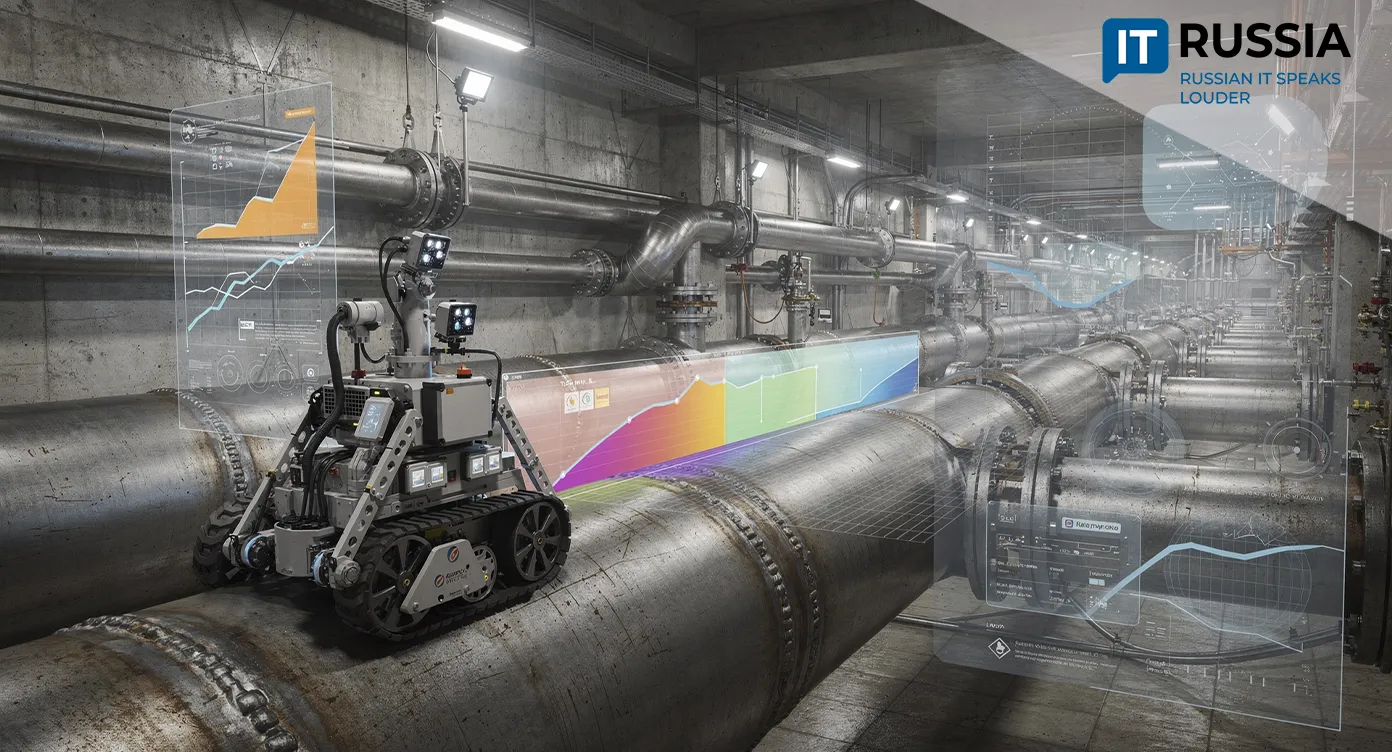
Engineers from the Ulyanovsk branch of T Plus inspected 794 meters of pipeline near Pushkarevskoye Ring using a dedicated robotic inspection system. The robot travels inside the pipe, assessing its condition with ultrasonic sensors and a high-resolution video camera. That allows engineers to evaluate the condition of pipeline walls in real time by identifying deposits, detecting corrosion, and pinpointing even minor wall thinning before it develops into a larger problem.
The robot's primary advantage is its ability to detect even very small defects in hard-to-reach sections without excavation. For utility operators, that enables more accurate maintenance planning. For residents, it means fewer disruptions from road and sidewalk excavations while improving the reliability of district heating service.
Ulyanovsk's district heating utility has been using the robotic system for six consecutive years. During that time, it has identified more than 40 deteriorated sections of transmission pipelines requiring attention.
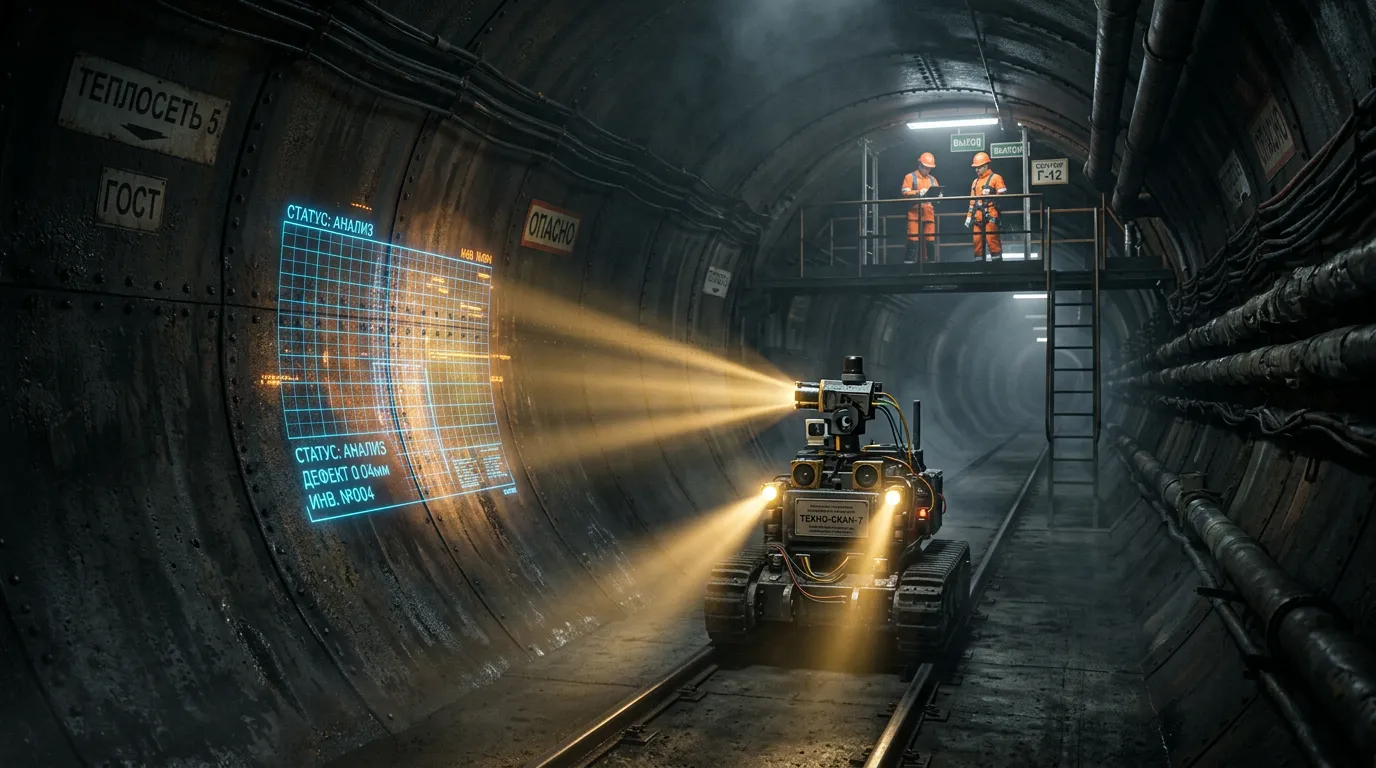
From Spot Inspections to Systemwide Modernization
Ulyanovsk is just one of dozens of Russian cities deploying advanced inspection technologies for water supply, wastewater, and district heating infrastructure. The broader trend illustrates how utilities across Russia are changing the way they maintain and manage critical infrastructure.
Under the national Infrastruktura dlya zhizni (Infrastructure for Life) program, Russia plans to build or modernize more than 50,000 kilometers of utility networks by 2030. The initiative is expected to improve utility services for approximately 20 million residents.
The use of robotic inspection platforms is one element of a broader digital transformation program for the housing and utilities sector. Beyond improving defect detection, these systems generate large volumes of operational data that can be analyzed using artificial intelligence. Utilities can use those insights to improve maintenance planning, identify vulnerable assets through predictive analytics, and address potential failures before they lead to service disruptions.

How Robots Made Their Way Into Utility Networks
Russia began introducing robotic inspection technologies into utility infrastructure as early as the 2000s. In 2004, Mosvodokanal deployed a robotic system to inspect stormwater collectors.
In 2017, the Yekaterinburg Heating Network Company inspected its district heating pipelines using a diagnostic robot developed by a St. Petersburg manufacturer.
T Plus began purchasing robotic inspection systems on a large scale in the early 2020s. Today, they operate across nearly all regions where the company provides service. The technology is no longer limited to individual utility initiatives. In April 2026, Russia's Ministry of Construction, Housing and Utilities proposed making robotic inspection of utility networks mandatory without interrupting hot or cold water service.

From Predictive Maintenance to Digital Twins
The ministry's proposal goes beyond a conceptual initiative. Together with the Ministry of Industry and Trade, it plans to assess Russia's market of developers and manufacturers producing this type of equipment. If domestic suppliers can meet nationwide demand, the proposal could move forward as draft legislation.
The goal extends beyond improving inspection quality. Widespread deployment of robotic inspection platforms would also accelerate the creation of digital models of entire utility networks. Those models would allow utilities to monitor asset conditions almost in real time, estimate remaining service life, prioritize repairs, and schedule replacements precisely where they are needed.
The Ulyanovsk project illustrates the direction of Russia's smart utilities strategy. Technologies once concentrated in major metropolitan areas are now being deployed across the country, helping utilities deliver more reliable services while reducing disruptions for everyday residents.