Winged Inspector: UAVs Collect Data from Long-Distance Pipelines
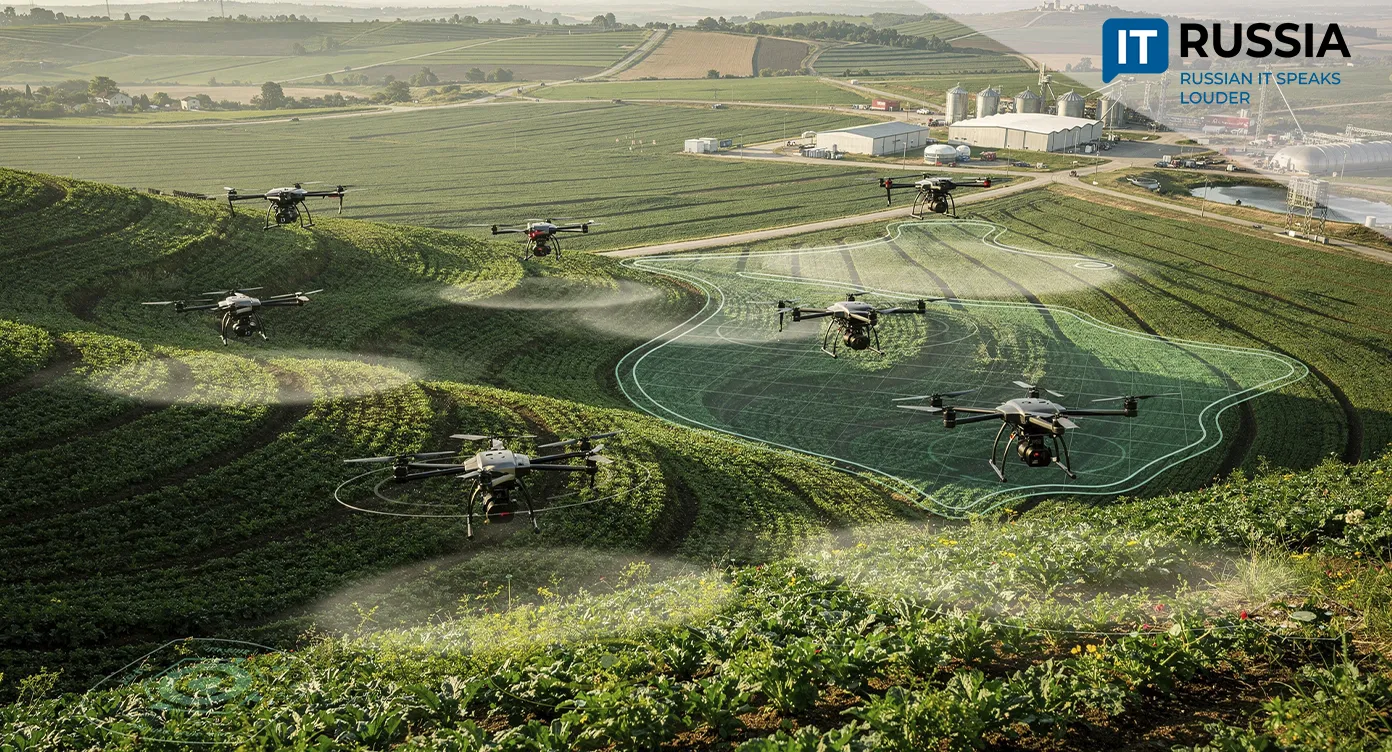
Researchers at Gubkin Russian State University of Oil and Gas (National Research University) have tested a technology that uses unmanned aerial vehicles to remotely monitor the condition of long-distance oil and gas pipelines. The system is designed to operate even where reliable communications infrastructure is unavailable.
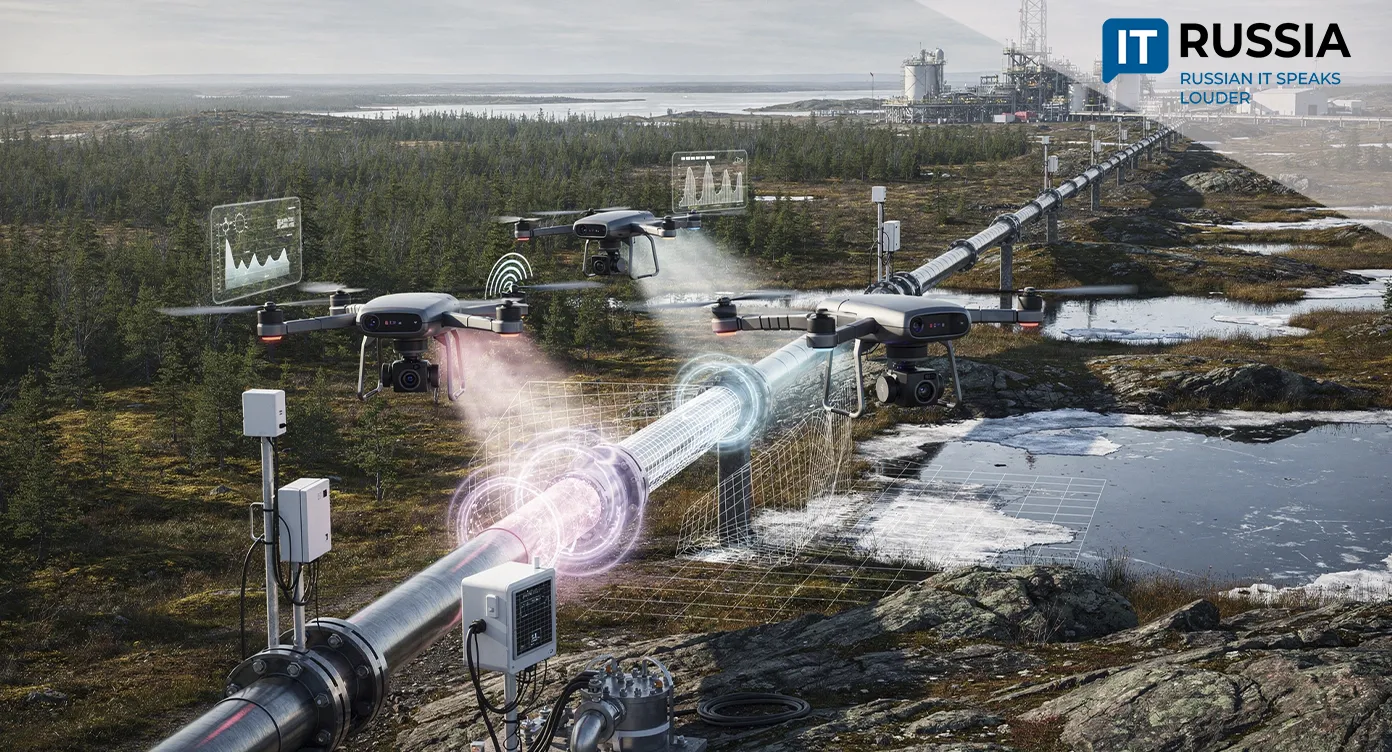
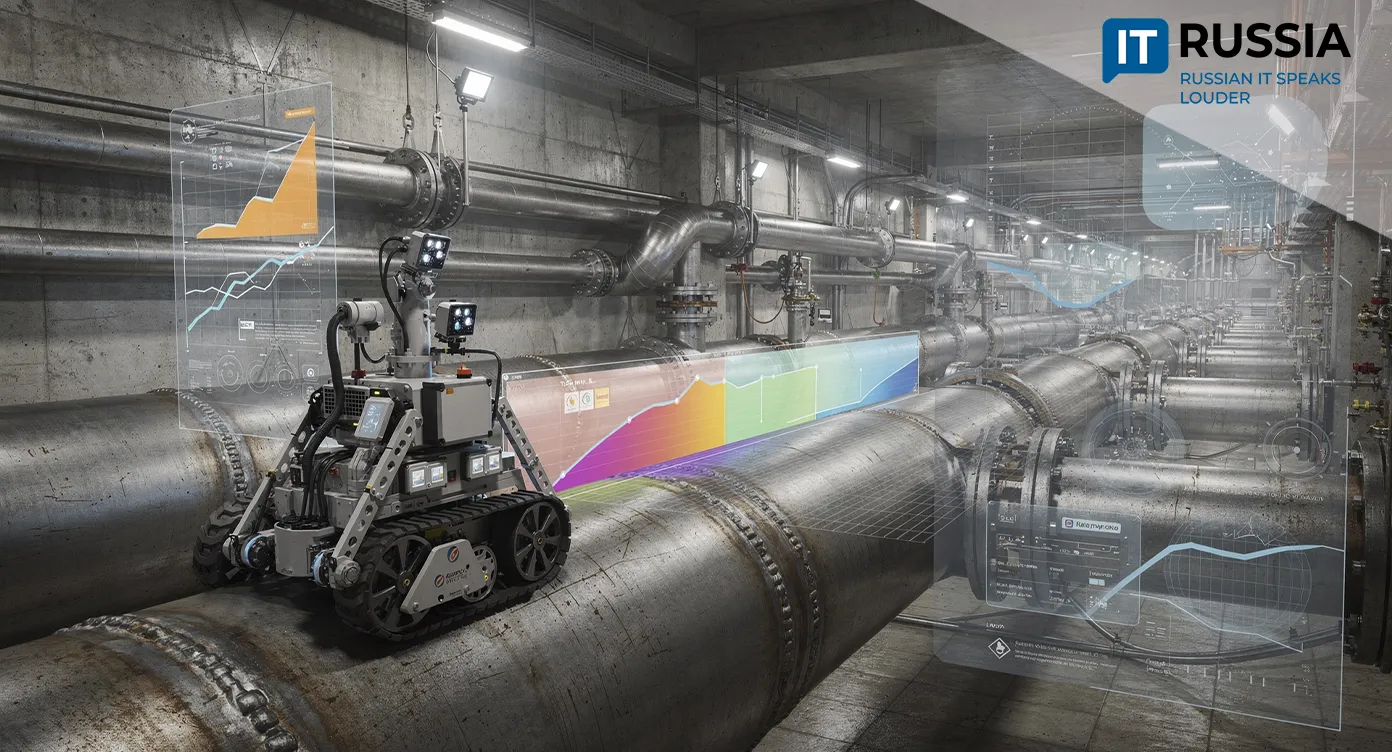
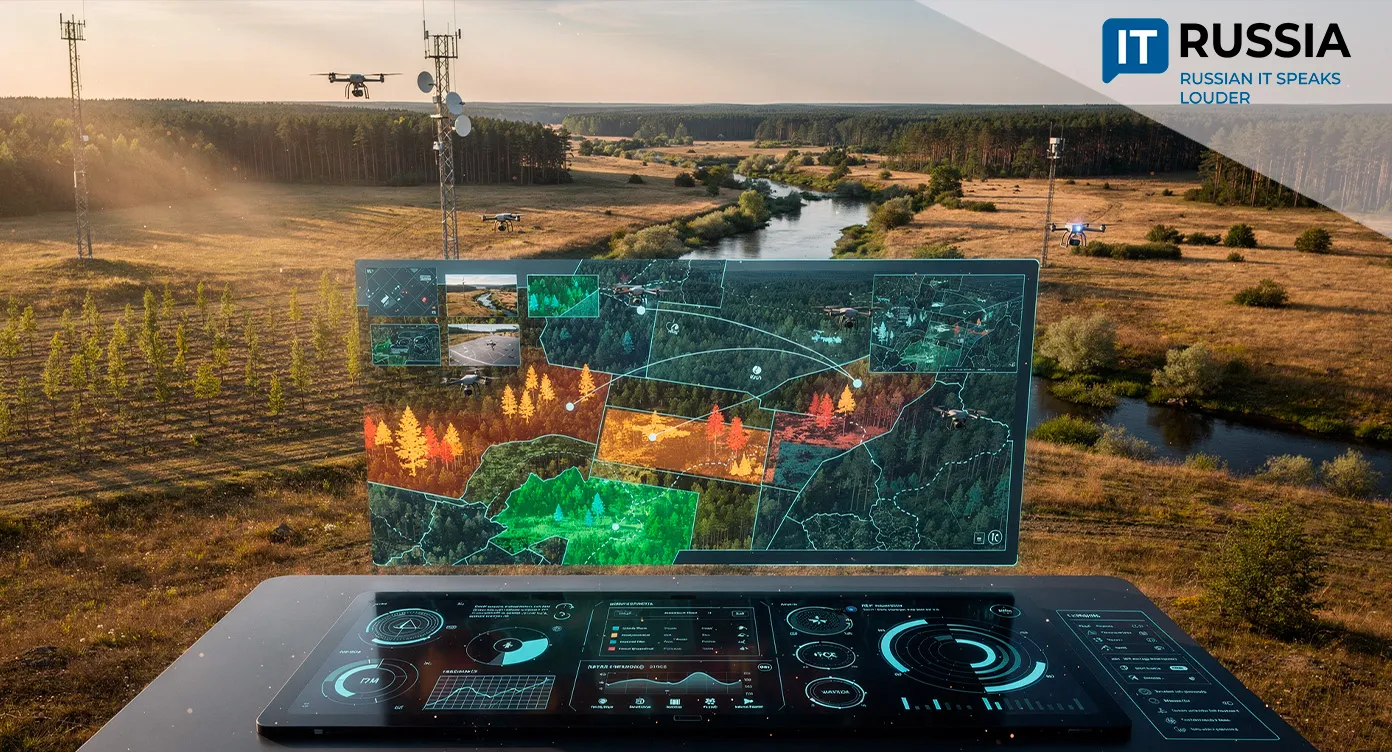
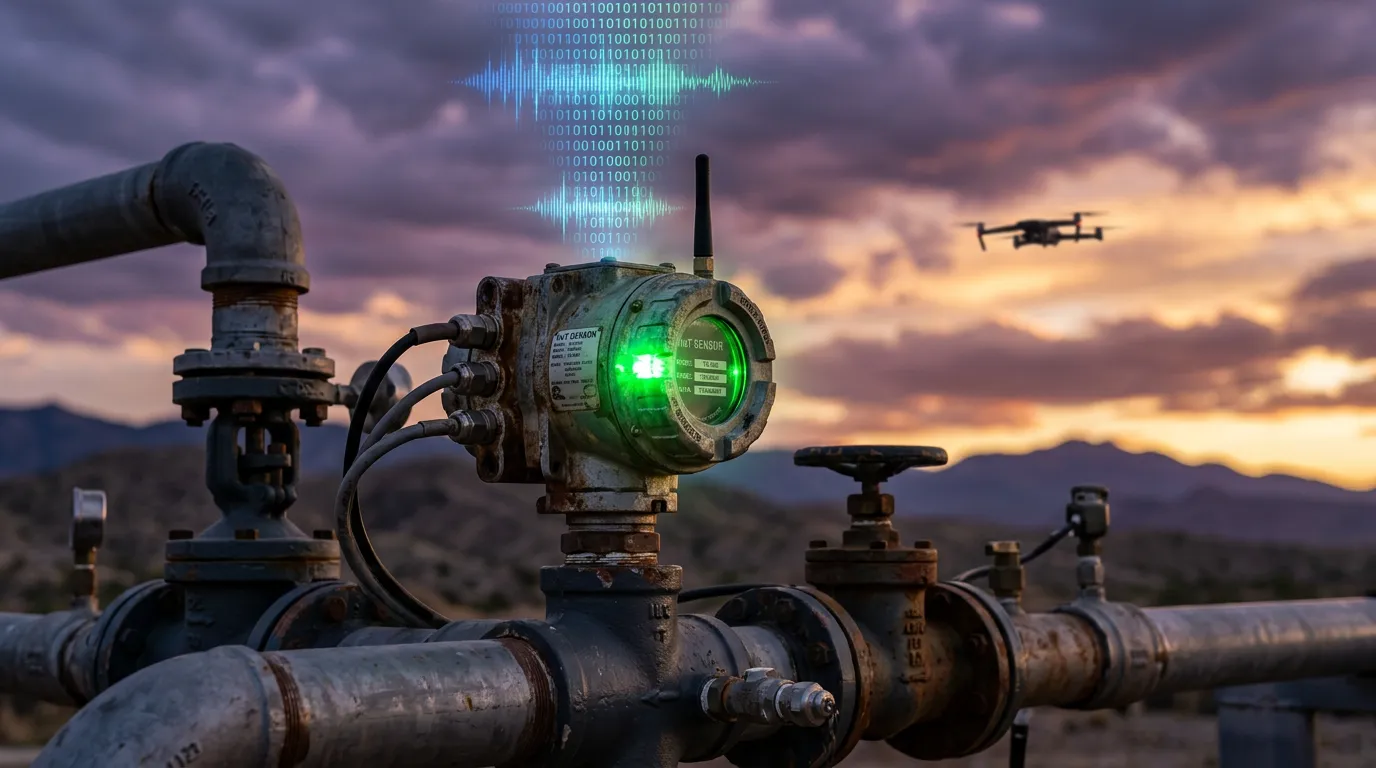
The UAV serves as a mobile data collector, retrieving information from stationary sensors installed at instrumentation and monitoring stations along the pipeline. These sensors record parameters such as corrosion and pressure, storing the data in non-volatile memory until a drone flies overhead and retrieves it via Bluetooth. Downloading data from a monitoring point takes only a few seconds.
Monitoring Extended Pipeline Assets
The technology has the potential to address one of the major challenges of monitoring long-distance oil and gas infrastructure across Siberia, the Russian Far East, and other remote regions, particularly where rugged terrain and extreme temperatures complicate operations. In these areas, distances between compressor and pumping stations can reach 400 kilometers, while communications infrastructure remains limited. Using UAVs could reduce operating costs while increasing inspection frequency, a combination that is critical for maintaining pipeline integrity and operational safety.
The development supports the objectives of the national Bespilotnye aviatsionnye sistemy (Unmanned Aircraft Systems) project. The Russian government defines the program's goals as achieving technological independence and creating new markets for unmanned aircraft systems. Today, civilian drones are already used in agriculture, forestry, monitoring remote territories and large industrial facilities, delivering cargo to isolated communities, and even film production. The Gubkin University project expands the role of drone technologies in the oil and gas sector.
A New Level of Industrial Safety
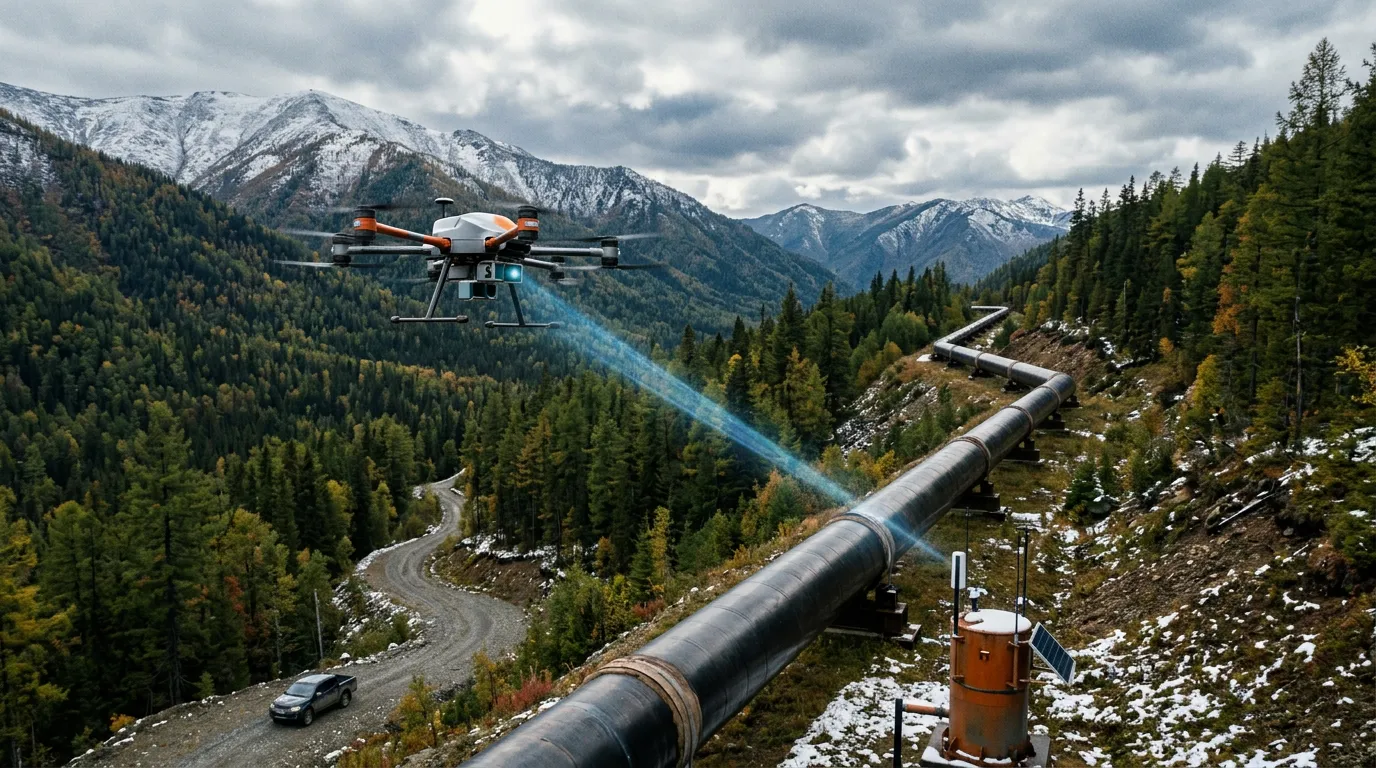
Continuous monitoring is essential for extending infrastructure service life and reducing repair costs associated with asset deterioration. While field inspection crews may require several days to collect operational data, a UAV can complete the same task in a matter of hours. Before each flight, the aircraft receives a route containing the coordinates of all monitoring points and then autonomously follows the pipeline corridor, collecting the accumulated data.
The remote monitoring technology is not intended to replace field personnel, but rather to provide a new level of industrial safety and operational efficiency. The pilot project uses existing instrumentation and monitoring stations already installed along pipeline routes, with compact data acquisition modules mounted on those facilities. In practice, the system integrates the existing monitoring network with unmanned aerial platforms. The monitoring stations collect signals from multiple sensors measuring different operating parameters and store them in non-volatile memory. Using Bluetooth, the UAV can both upload information to the station and retrieve stored data. Either operation takes only a few seconds, while communication remains reliable at distances of up to 100 meters between the drone and the monitoring station.
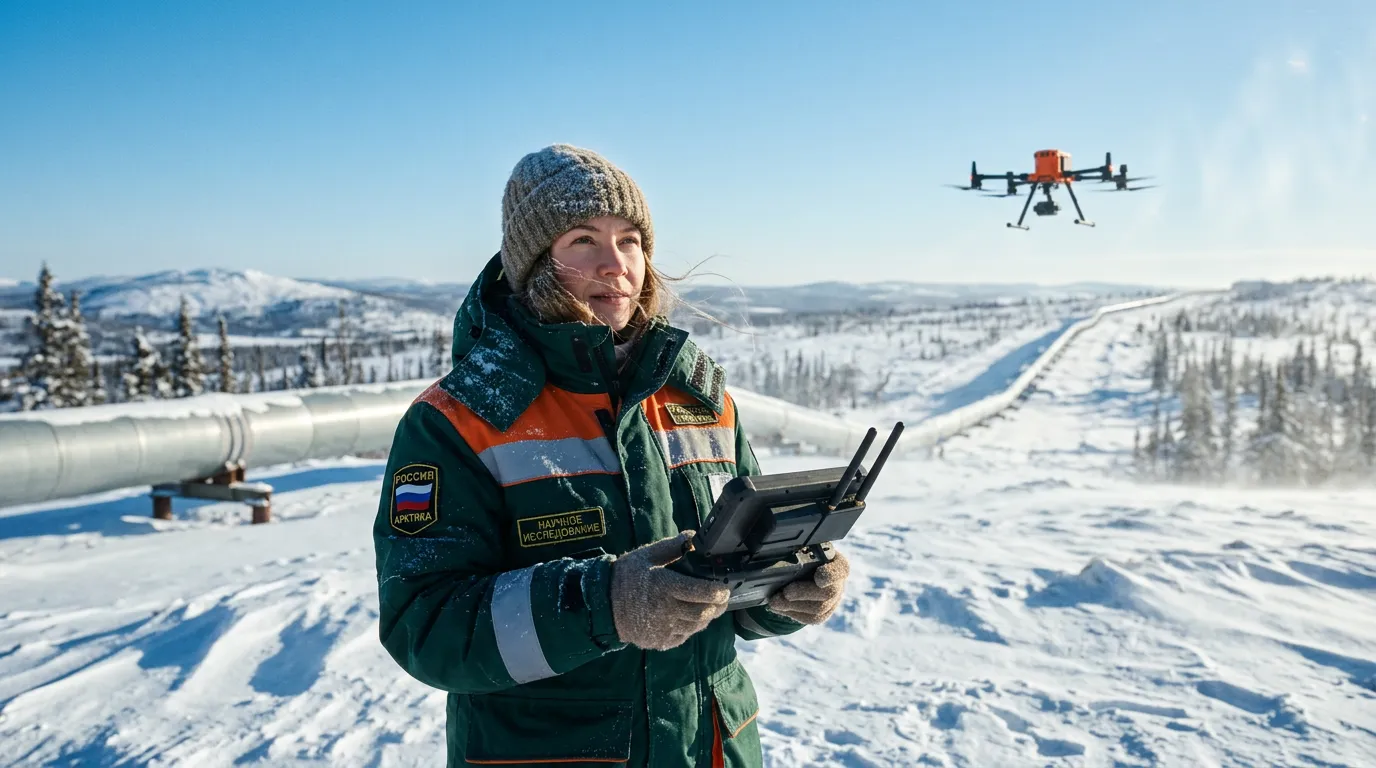
Pilot trials – conducted under controlled test-site conditions rather than on operating pipeline systems – were completed successfully. A Russian-built Geoscan-401 UAV served as the test platform. During the demonstration, researchers validated the entire data acquisition and transmission chain using Russian-developed hardware and software throughout the system.
The next stage of development will add laser terrain scanning, a video camera for visual inspection of pipeline routes, and gas leak detection sensors. That will be followed by pilot industrial trials on operating sections of long-distance pipelines. If those tests prove successful, the technology will be recommended for large-scale deployment across Russia's oil and gas infrastructure.
The Evolution of Industrial UAS
Large-scale use of drones for pipeline monitoring began in 2022, when industry experts started evaluating UAV-based inspection strategies for industrial assets. By 2024, researchers had established a scientific foundation for telemetry analysis in the oil and gas industry. Gubkin University also conducted research on identifying unreliable telemetry readings from long-distance gas pipelines and developing mathematical models for reliability assessment.
In 2024, Transneft announced the expansion of its geotechnical monitoring infrastructure. The system covered dozens of oil pumping stations, storage tanks, and thousands of kilometers of oil pipelines.
The Gubkin University project demonstrates how industrial monitoring technologies have continued to evolve in 2026. Its distinguishing feature is the ability to operate without communications infrastructure, while using the UAV not for aerial imaging but as a mobile platform for collecting data from stationary monitoring sensors.