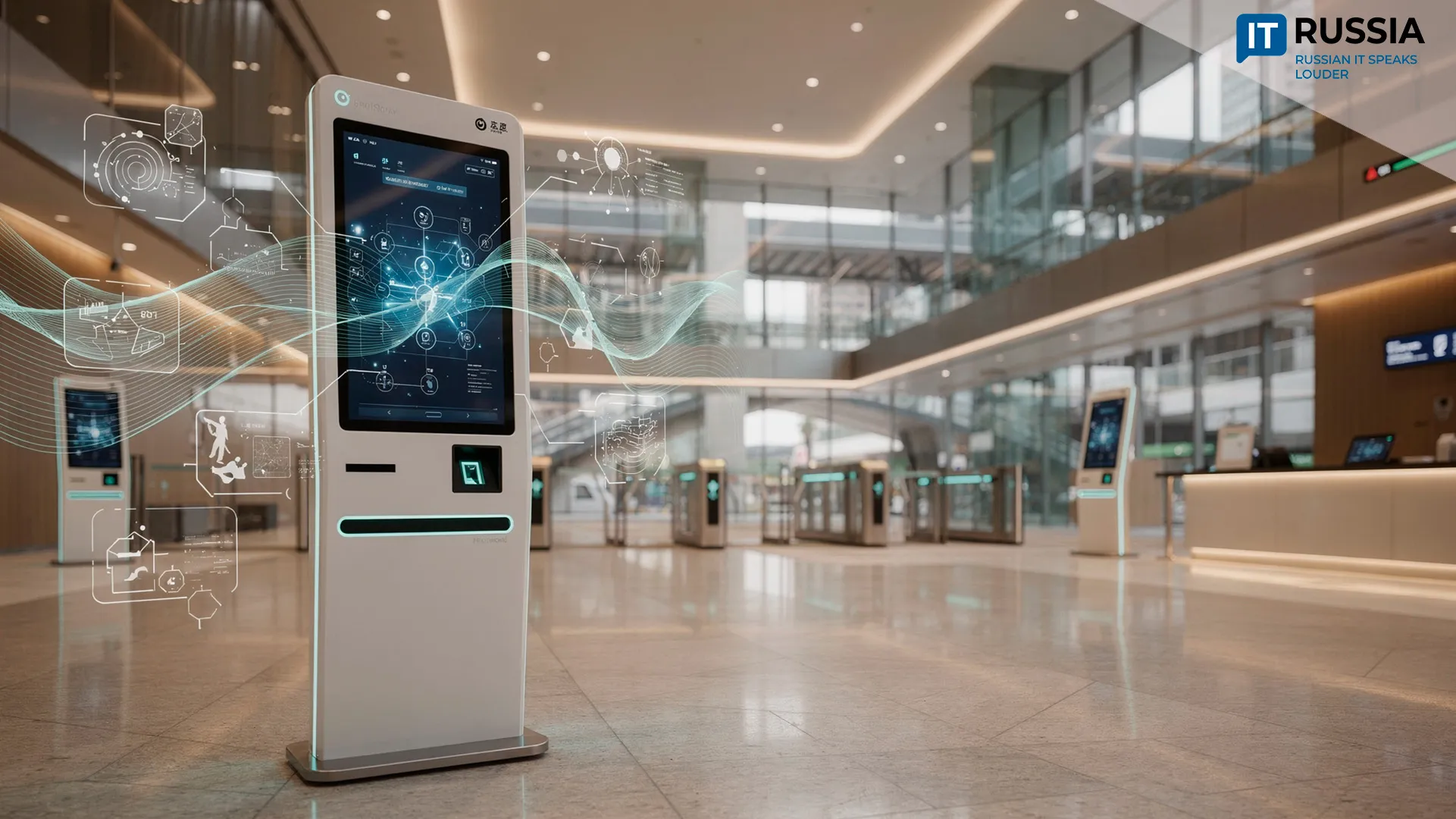
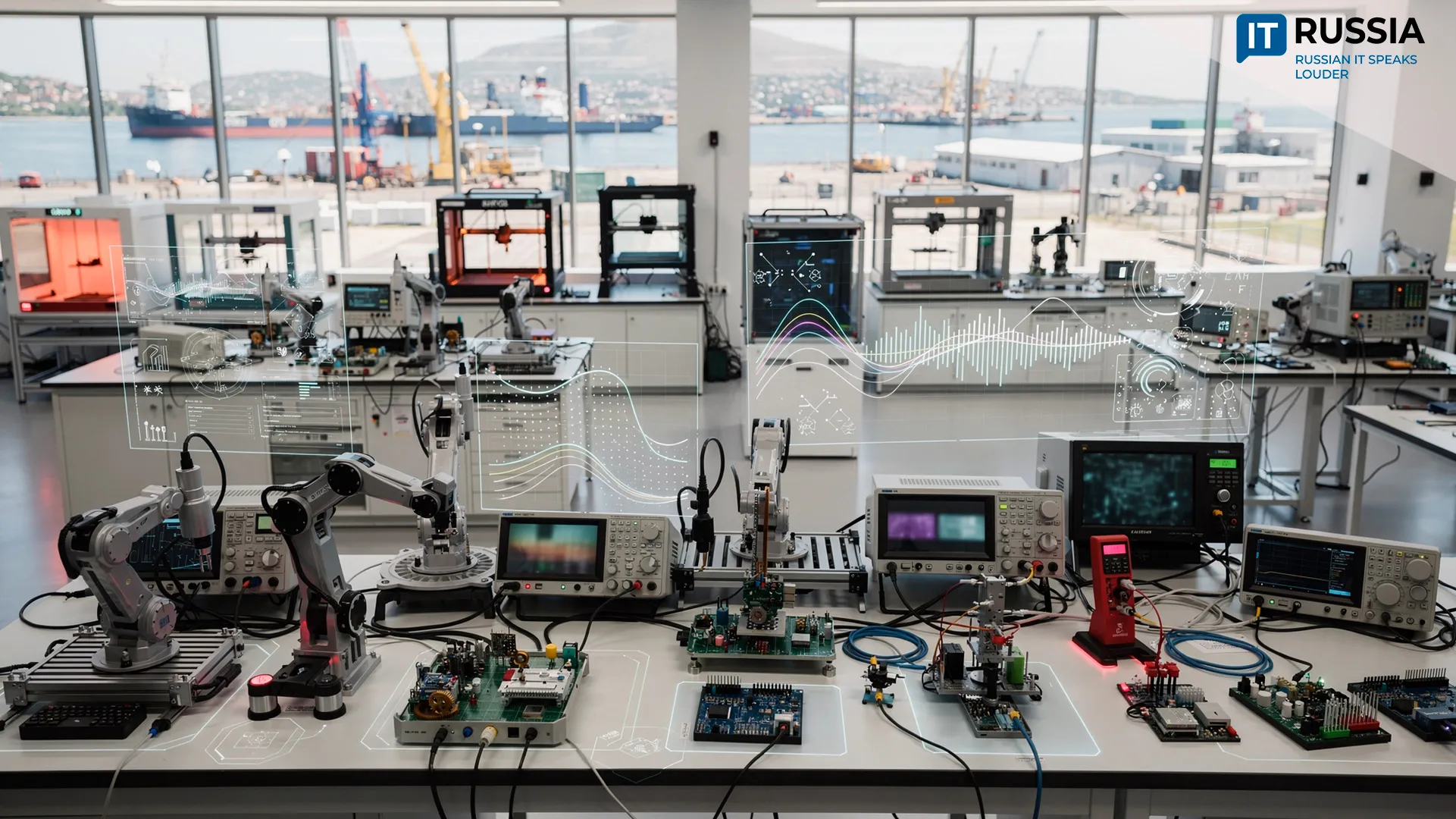
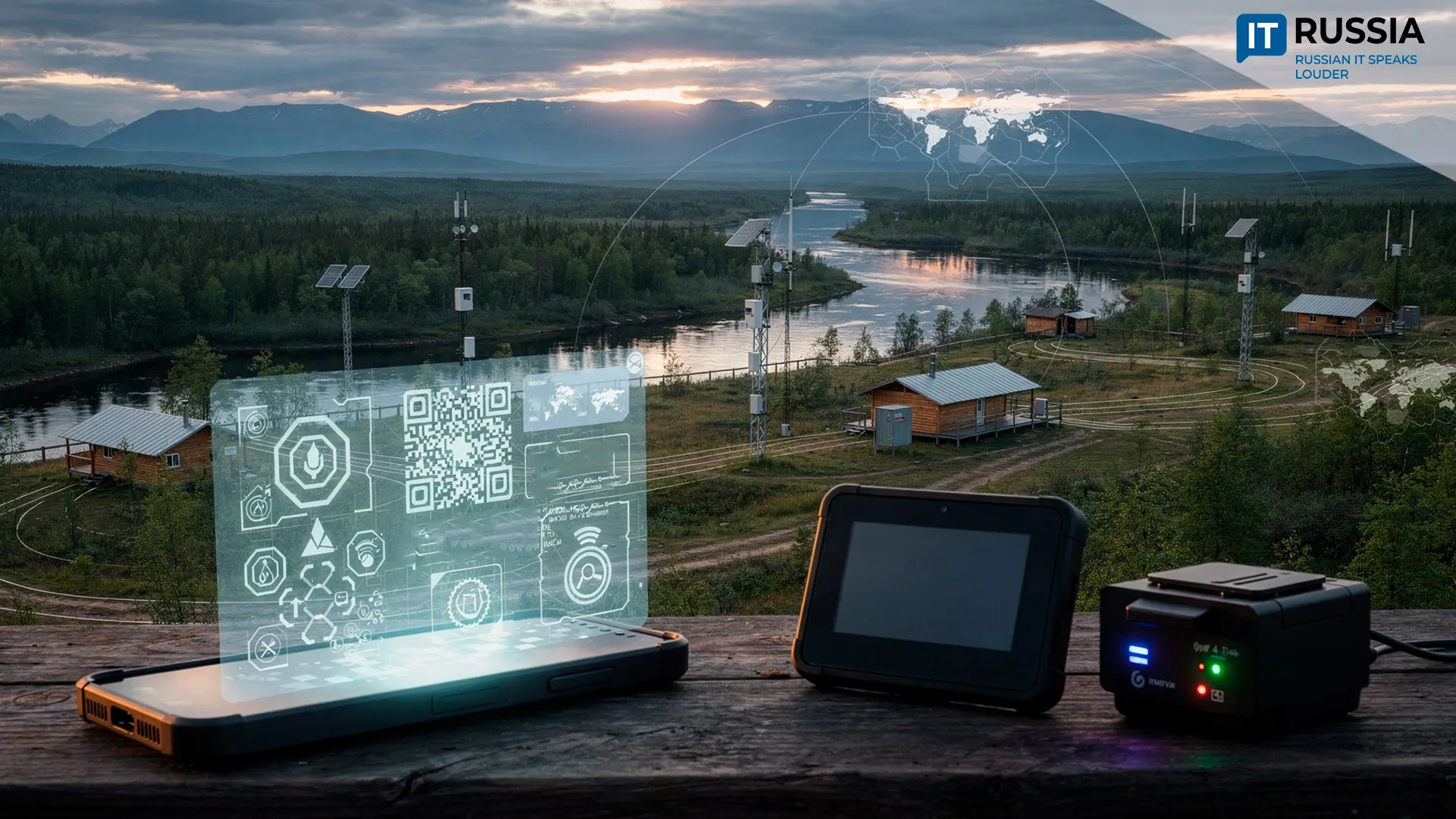
Digital Lungs for a Megacity: How Russia’s Space Technologies Are Set to Monitor Urban Ecology
*An important milestone toward a fundamentally new level of environmental safety has been reached in Moscow. The Russian Space Systems holding company (RKS), part of the Roscosmos State Corporation, has successfully completed pilot testing of an innovative solution – the 4D System for Dynamic Monitoring of Climate-Active and Hazardous Substances in the Air.*

Precision and Speed
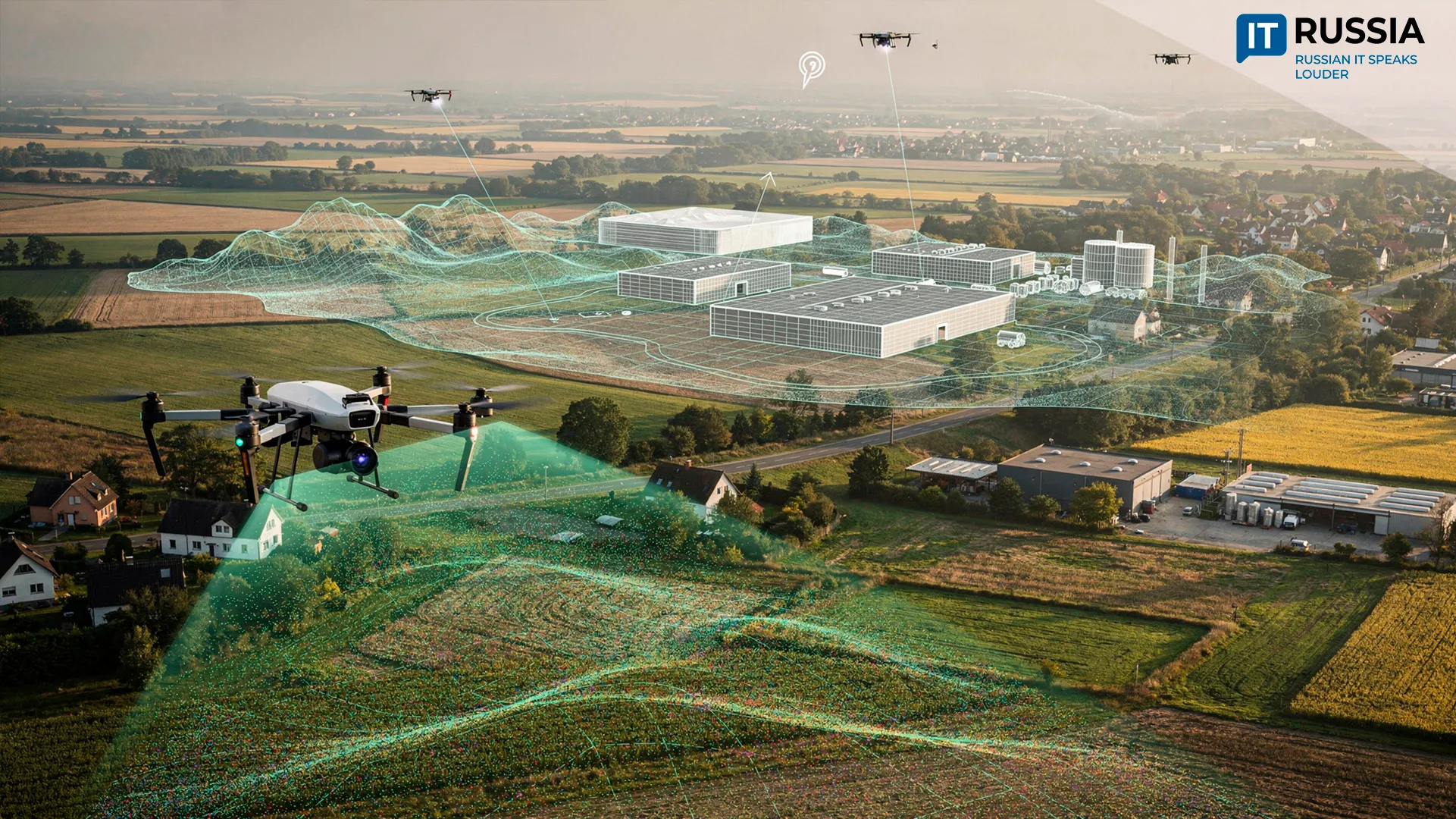
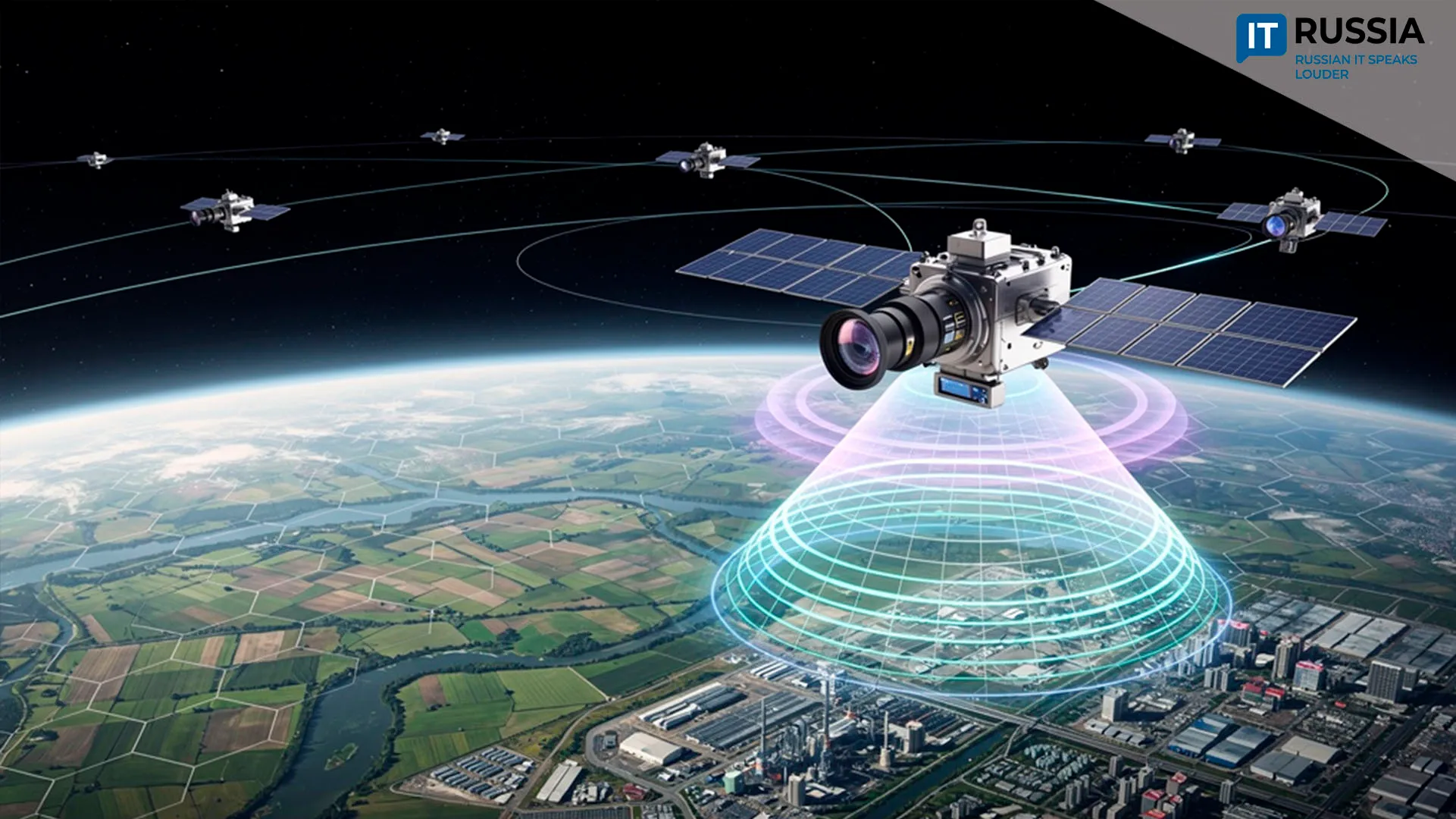
The technology is built around a dynamic, continuously updated 4D map of urban air – three spatial dimensions plus time. Its defining feature is unprecedented accuracy in pinpointing the source of a potential threat: the system can localize emissions with an error margin of up to half a meter. This is achieved using unmanned aerial vehicles equipped with gas analyzers that transmit data for processing in under a minute. In real time, the system builds a complete picture of what is present in the air, where it is concentrated, and, critically, where it originated.
Due to existing restrictions on drone flights in the capital, pilot testing between May and November 2025 was conducted using a simulation model. Even in this format, the system demonstrated strong performance, allowing it to receive official status and be included in Moscow’s Register of Innovative Solutions. This effectively clears the way for full-scale deployment and expansion starting in 2026.

A Growing Demand for Clean Air
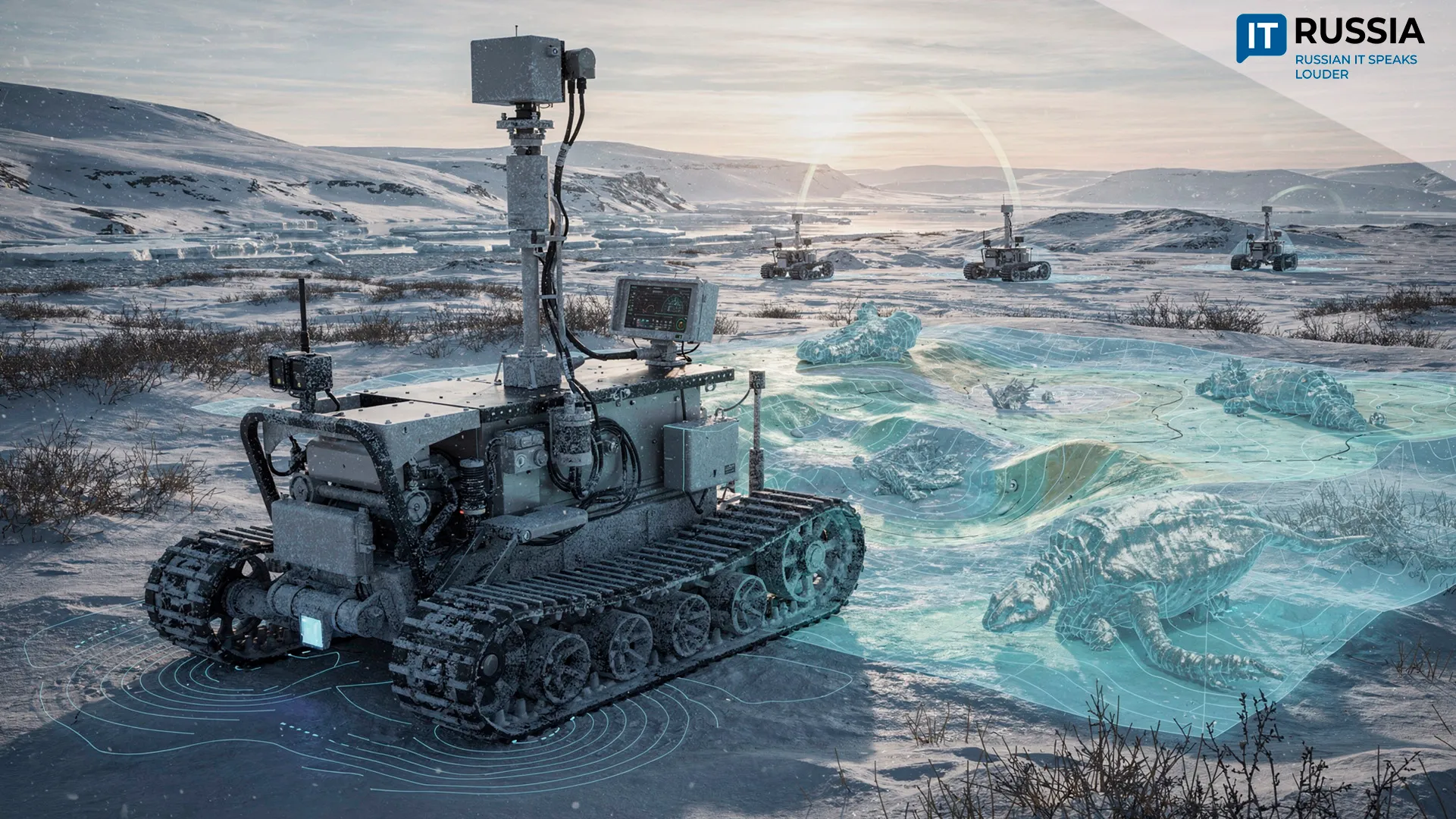
The RKS development extends a broader set of government and scientific initiatives. These include an approved roadmap for creating a National System for Monitoring Climate-Active Substances, specialized solutions for Arctic monitoring, and projects integrating data from ground-based testing sites. The Moscow pilot represents a practical, applied implementation of strategic climate monitoring and environmental safety goals set at the highest level.

For a megacity like Moscow, deploying such a system marks a shift from merely recording pollution events to actively addressing their underlying causes. Residents gain confidence that any hazardous release will be detected and localized quickly, directly affecting public health and safety. The RKS technology sits at the intersection of IT, aerospace systems, and environmental monitoring, demonstrating how data from space, air, and ground sources can be integrated into unified urban response services.

Space Technologies on the Ground
The Department of Entrepreneurship and Innovation Development has approved the project’s scaling and further development. Moscow’s experience is expected to be adopted by other large urban agglomerations and industrial clusters, forming the backbone of a national system for monitoring climate-active substances, planned for rollout over the next five years.
There is also clear international potential. Major cities worldwide, from Europe to Asia, are grappling with air pollution. A solution that combines high accuracy with rapid response could find a place in the global market for smart environmental technologies and attract interest from international climate and environmental agencies.

The 4D monitoring system developed by Russian Space Systems illustrates how technologies originally created for the space sector can be applied directly at street level to make cities cleaner and safer. Moscow has become the first testing ground, but it is unlikely to be the last.