A Robot Will Watch Over Bananas in Sochi
An autonomous platform designed to monitor and care for banana plantations in greenhouses has been developed and tested in Russia. One device can replace the work of two agronomists.
Industrial cultivation of tropical crops – bananas and papaya – is continuing to develop in Russia’s Krasnodar Region. The project is being implemented by the agricultural enterprise 100 Gektar at a greenhouse complex covering 600 square meters in the city of Sochi. The initiative is now moving to a new technological stage. Farmers plan to deploy an autonomous agromonitoring system designed specifically for banana plantations – still a relatively exotic crop for Russia.
A Smart Robot for Banana Cultivation
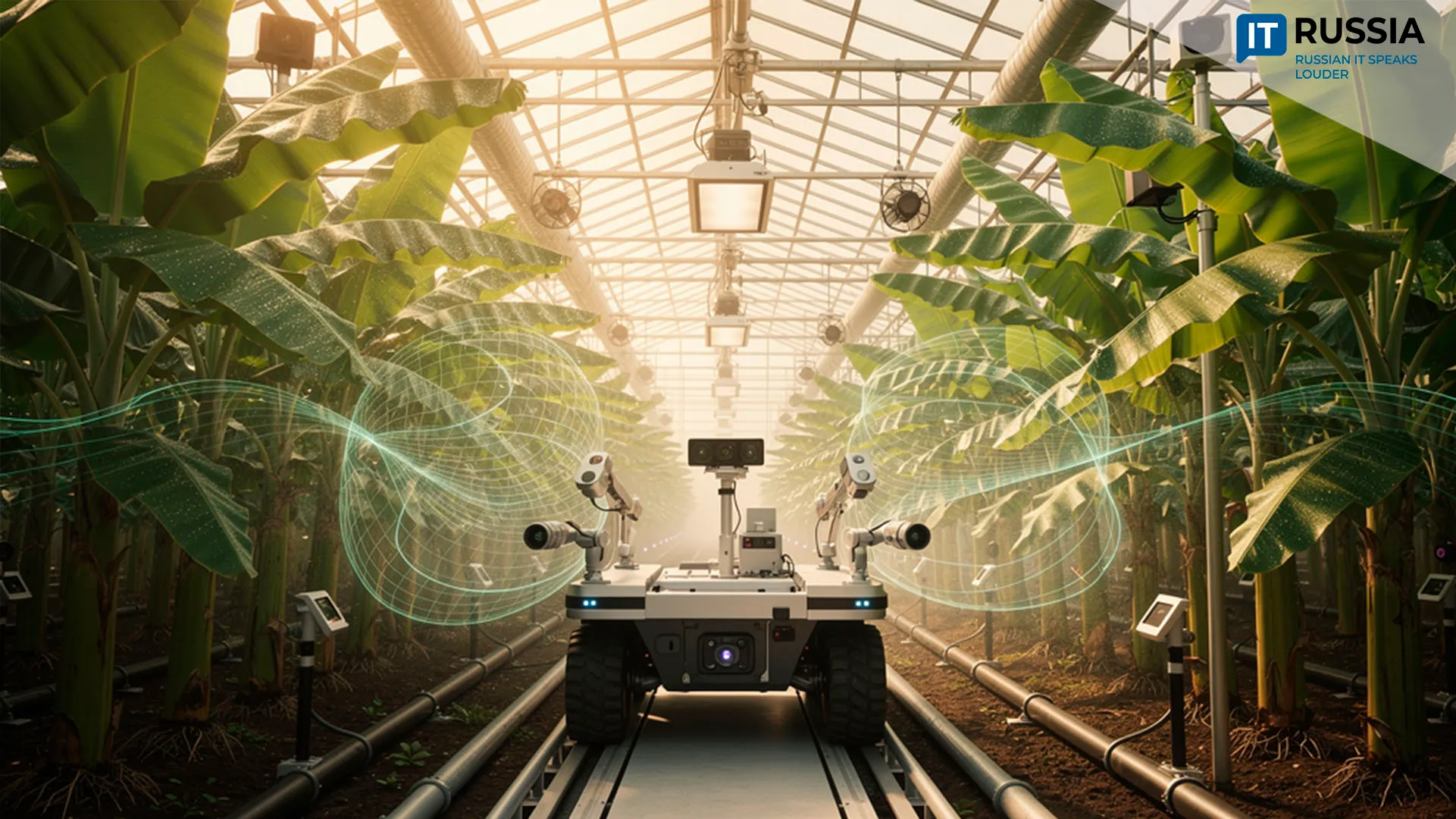
The automated platform for monitoring banana plants has already been successfully tested in an experimental greenhouse.
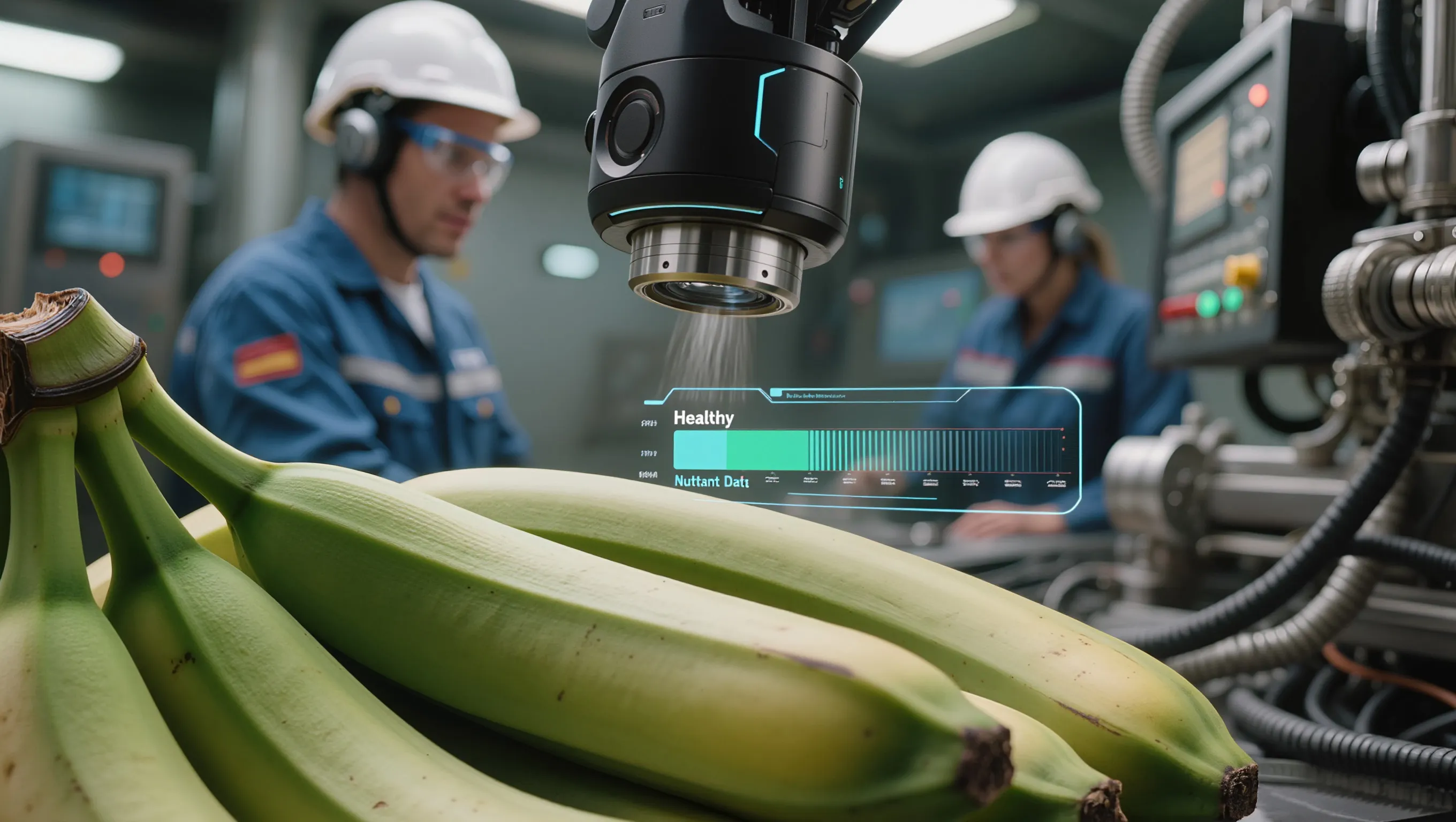
The device is compact, weighing less than one kilogram, but highly capable. It autonomously detects diseased plants using machine vision technology. Neural networks analyze the condition of banana leaves and stems, comparing real-time images with a database of healthy and infected plants. The system identifies signs of disease or pest activity. Once a problem is detected, the robot automatically transmits the data to the agronomist’s mobile device, enabling rapid decision-making. Unlike human workers, the robot can operate continuously, and a single unit performs the monitoring work typically handled by two specialists.
In addition, the greenhouse is equipped with a network of 25 surveillance cameras that monitor plant health across the facility. Together, these systems increase the precision of agronomic operations while eliminating the need for costly manual inspection.
The Banana Agropark
Automation of monitoring and plant care has become the logical next step in the development of the greenhouse complex operated by the company 100 Gektar. Banana plants require very specific environmental conditions to produce high yields: air temperatures around +30 °C, abundant irrigation and humidity levels of about 60%. Such conditions can only be maintained reliably inside controlled greenhouse facilities equipped with digital climate management systems. In other words, banana cultivation requires a “smart” greenhouse – and that system is now in place.
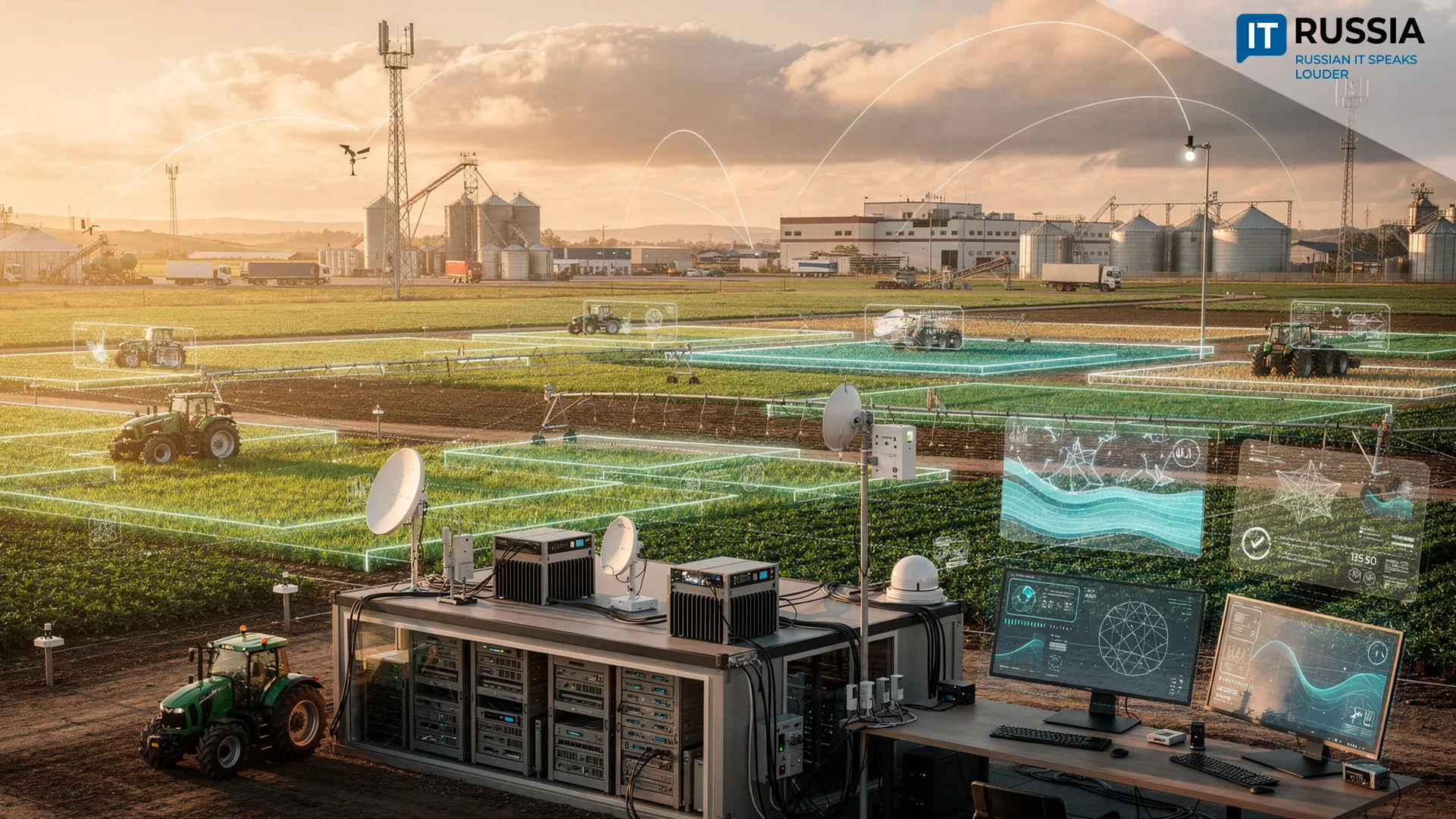
The greenhouse complex, covering 600 square meters, is equipped with an artificial intelligence-based microclimate management system. Software for the project was developed by engineers in Sochi. Automated sensors continuously monitor humidity and temperature levels, allowing environmental conditions to be regulated automatically and in real time.
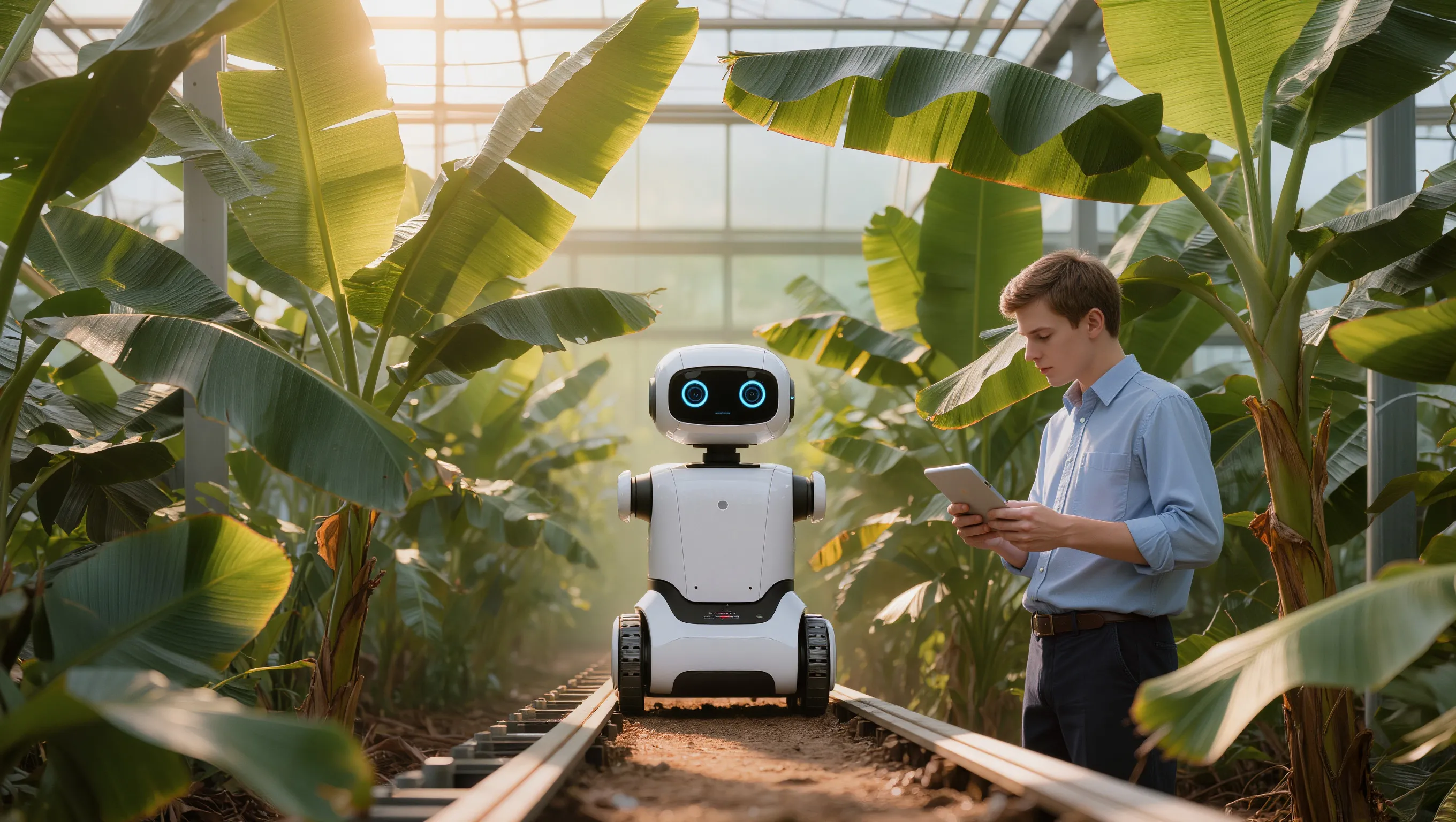
In the future, the tropical plant care robot will be integrated into the digital infrastructure of the agricultural enterprise. This integration will make it possible to create a more advanced smart greenhouse system. AI technologies will automate the majority of operational processes, requiring human involvement only in exceptional situations.
Robotics in Greenhouse Agriculture
Russia has developed an entire range of robotic systems designed for plant care in greenhouse agriculture, and competition between developers is gradually emerging. For example, the Russian State Agrarian University – Timiryazev Agricultural Academy created a robot called Vavilov that travels through greenhouse rows and assesses plant health.
In December 2025, at the agricultural enterprise Solnechnyy Dar operated by the Eco-Kultura agro-industrial holding, Stavropol State Agrarian University presented a prototype robotic system for diagnosing plant diseases.
Researchers at Tyumen State University are also developing a robotic platform designed to monitor plant conditions in industrial greenhouse facilities. The system is intended to automatically collect data within agricultural complexes, automate phytosanitary monitoring processes and support the development of an intelligent biological plant protection system. Ultimately, the goal is full automation of early detection of plant diseases and pests.
Within this landscape of agricultural robotics, the platform designed for banana plantations stands out as a unique and still rather unusual project.
Replacing Imported Bananas
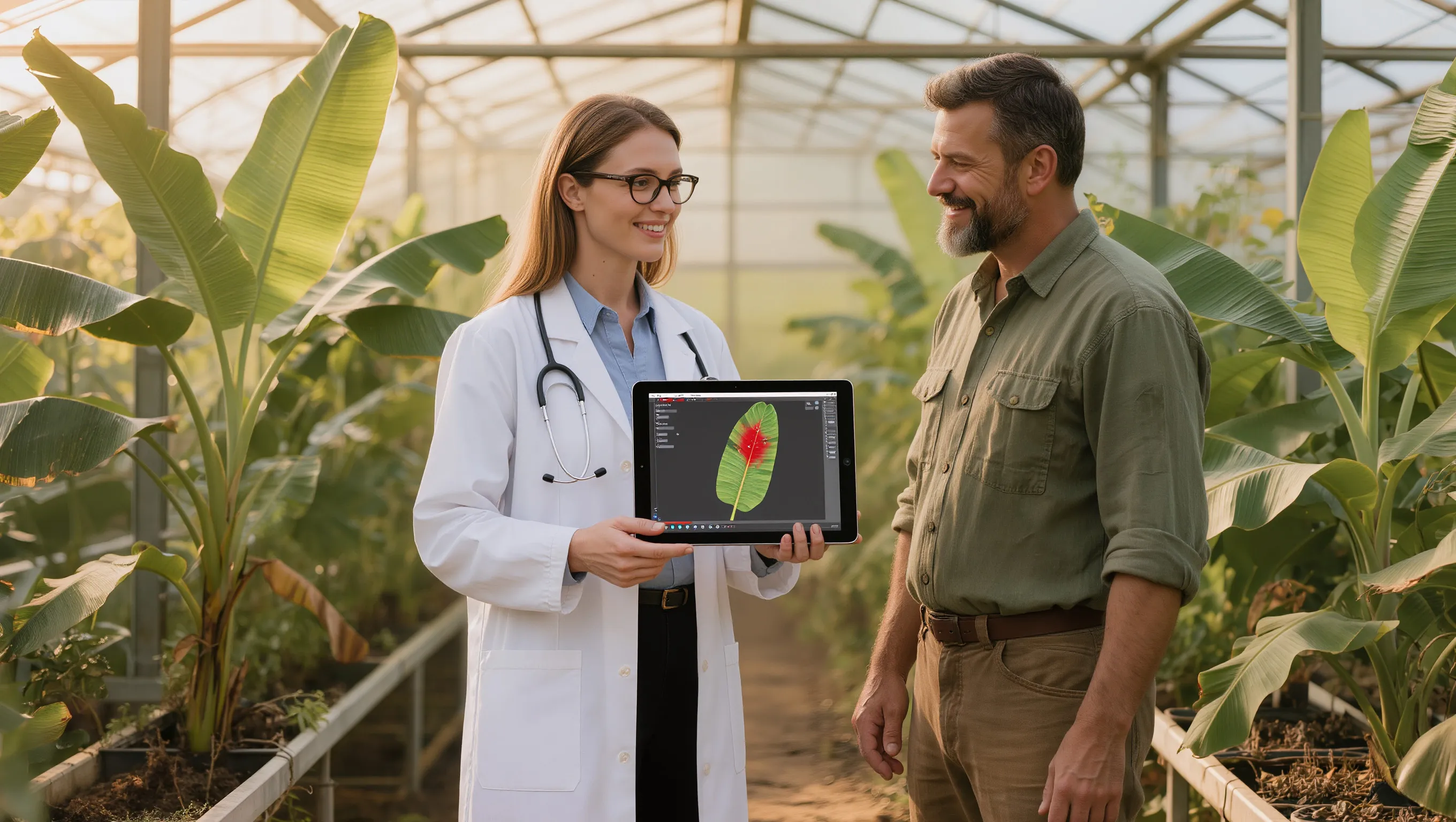
Farmers from the 100 Gektar enterprise believe that Russian-grown bananas should appear on the domestic market, which means the country needs both smart greenhouses and robotic crop monitoring systems. Fully replacing imports is neither realistic nor necessary, but there is sufficient room in the market for domestic production.
For now, growers in Sochi have selected the widely cultivated Cavendish variety for large-scale production. However, a promising opportunity lies in growing premium or dessert banana varieties that currently do not reach the Russian market. Andrey Platonov, генеральный директор ANO Akademiya Razvitiya Subtropicheskogo Selskogo Khozyaystva (Academy for the Development of Subtropical Agriculture), notes that blue and pink Taiwanese banana varieties could be of particular interest.
Finally, greenhouse complexes specializing in banana cultivation could be valuable in Russia’s northern regions, where providing fresh fruit and vegetables is an important social objective.
Given the cold climate across much of Russia, the development of fully automated greenhouse complexes could significantly expand domestic production of vegetables, berries and fruit grown in controlled environments. In the long term, this approach could also allow Russia to export greenhouse technologies to countries interested in developing indoor agricultural production.