Russian Mining Companies Increase Reporting Transparency
The mining industry is accelerating its transition to digital platforms for tracking ESG indicators – environmental, social and governance metrics. The shift is driven by tightening international requirements for sustainability reporting.
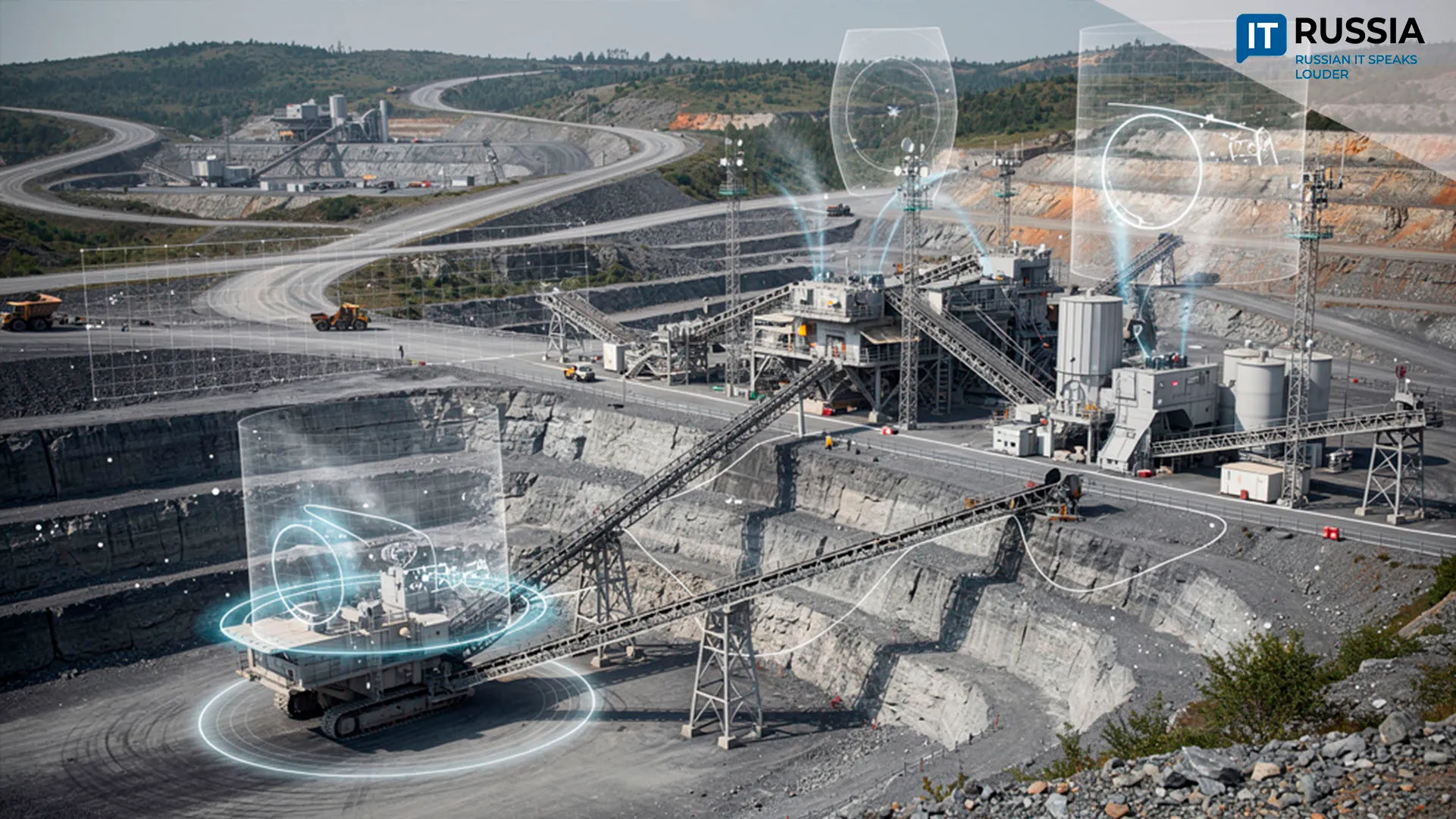
To remain competitive and continue participating in international projects, mining companies must move rapidly to digital platforms capable of tracking ESG indicators. Traditional tools – such as Excel spreadsheets – no longer provide the required level of data accuracy. Companies are therefore deploying specialized digital systems designed to collect, analyze and verify ESG data across the entire supply chain.
Russian mining companies operating in global markets are adapting to these evolving standards. A key feature of the new reporting framework is the principle of “double materiality,” which evaluates both the impact of environmental factors on business operations and the impact of industrial activity on the environment. The framework also requires precise accounting of indirect emissions, which account for more than 80% of the carbon footprint in heavy industry. Social performance indicators are included in the reporting structure as well.
Human Factor Removed From the Process
The EU Corporate Sustainability Reporting Directive (CSRD) entered into force in 2023, although its provisions are being implemented gradually. The requirements and compliance timelines vary depending on company size and corporate structure.

The new reporting system resembles a financial audit in its rigor. Any error that might occur during manual data entry can jeopardize a company’s operations and negate previously achieved results. As a result, the human factor is largely eliminated from ESG accounting systems. Instead, algorithmic tools are used to track the origin and verification path of every reported indicator.
From now on, only verified metrics – not approximate estimates – are accepted in sustainability calculations. This applies in particular to Scope 3 emissions. Previously, the overall carbon footprint of industrial operations was often estimated indirectly based on financial expenditures. The new methodology requires data collected directly from production facilities.
Social indicators must also be digitized with high precision. Companies can no longer secure contracts – or even participate in tenders – without demonstrating transparent engagement with local communities and compliance with labor standards. Intermediate suppliers and partner organizations that cannot provide digitized records of their environmental and social performance are excluded from procurement chains.

Understanding the Shift
In addition to companies operating directly within the EU, CSRD reporting obligations also apply to parent companies that maintain subsidiaries or branches in EU jurisdictions. Through this mechanism, regulators are effectively promoting a broader culture of transparency in corporate governance.
The directive is expected to expand to cover more than 50,000 organizations. The final stage of CSRD implementation is scheduled for 2028.
From Compliance Burden to Strategic Asset
The new rules create demanding conditions for companies seeking to operate in global markets. However, as operating costs continue to rise, the ESG agenda is increasingly becoming a tool of strategic risk management for Russian mining companies. Practical steps in this direction are already underway.
Mining companies are implementing specialized platforms that integrate data on emissions, energy consumption and social metrics in real time. These systems rely on artificial intelligence to automate monitoring processes, generate reports aligned with international standards and optimize operational performance. According to industry estimates, such technologies can reduce carbon emissions by 5–15% without requiring new equipment while simultaneously improving investment attractiveness.

There remains significant room for improvement. Average industry indicators currently stand at approximately 0.23 tons of CO₂ emissions per ton of output, water consumption of 1.7 cubic meters per ton of production and workplace injury rates of 4.5 incidents per 1,000 employees. Advanced monitoring technologies could reduce these figures through improved production efficiency.
Industry analysts note that as environmental and operational monitoring systems develop, ESG approaches are gradually becoming integrated into investment and management strategies across the extractive sector. In effect, the ESG transformation of the mining industry has been underway for several years. The adoption of digital platforms represents the next stage in this evolution. At the same time, sanctions pressure is increasing interest in domestically developed analytics platforms and industrial automation systems.