Snow Under AI Surveillance: A “Digital Inspector” Is Reshaping Utility Oversight in Arkhangelsk
The “Digital Inspector” project in Arkhangelsk has been operating for less than a year but has already demonstrated tangible results. Artificial intelligence helps identify violations in the work of property management companies and keeps city streets cleaner and safer.
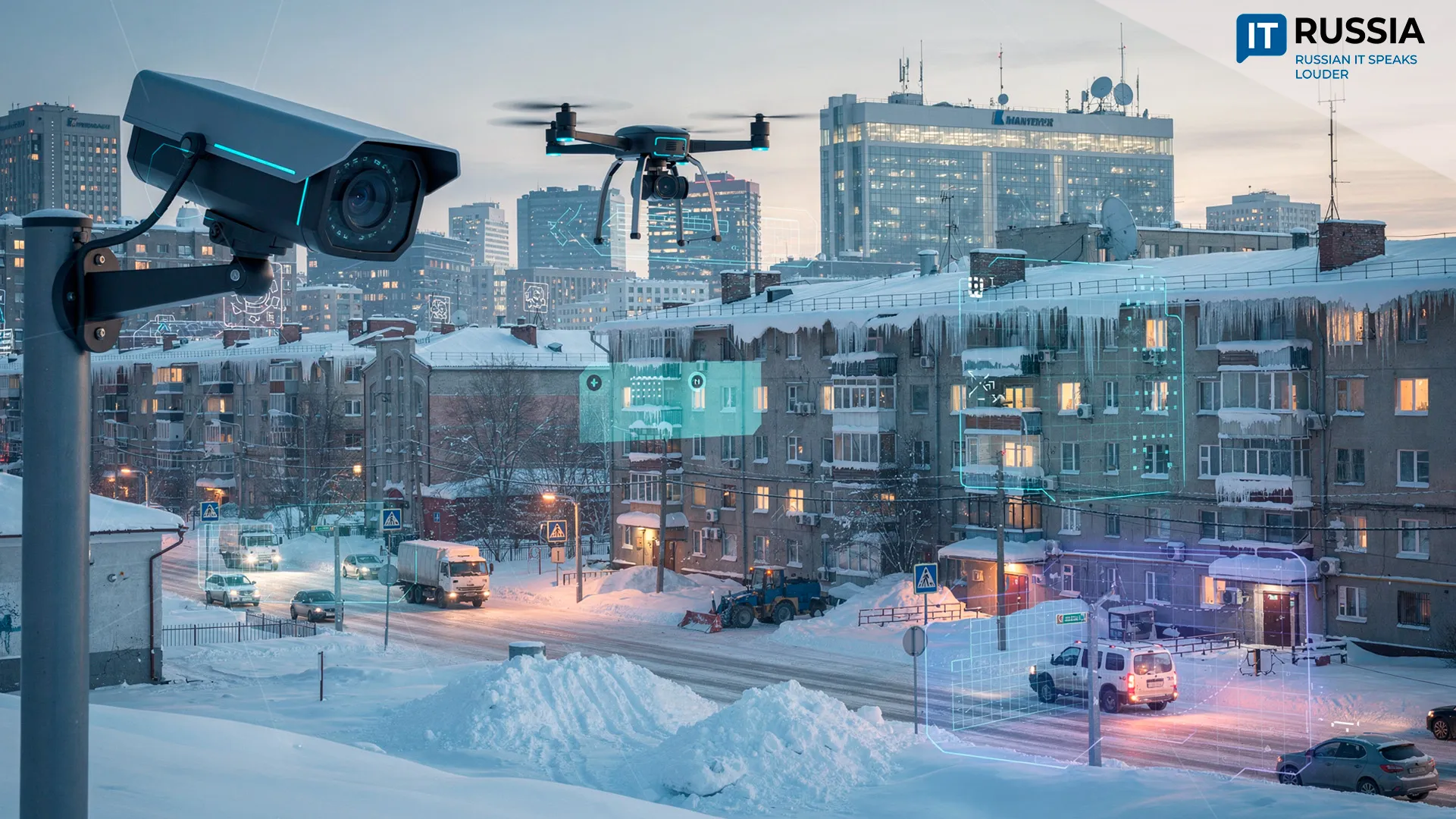
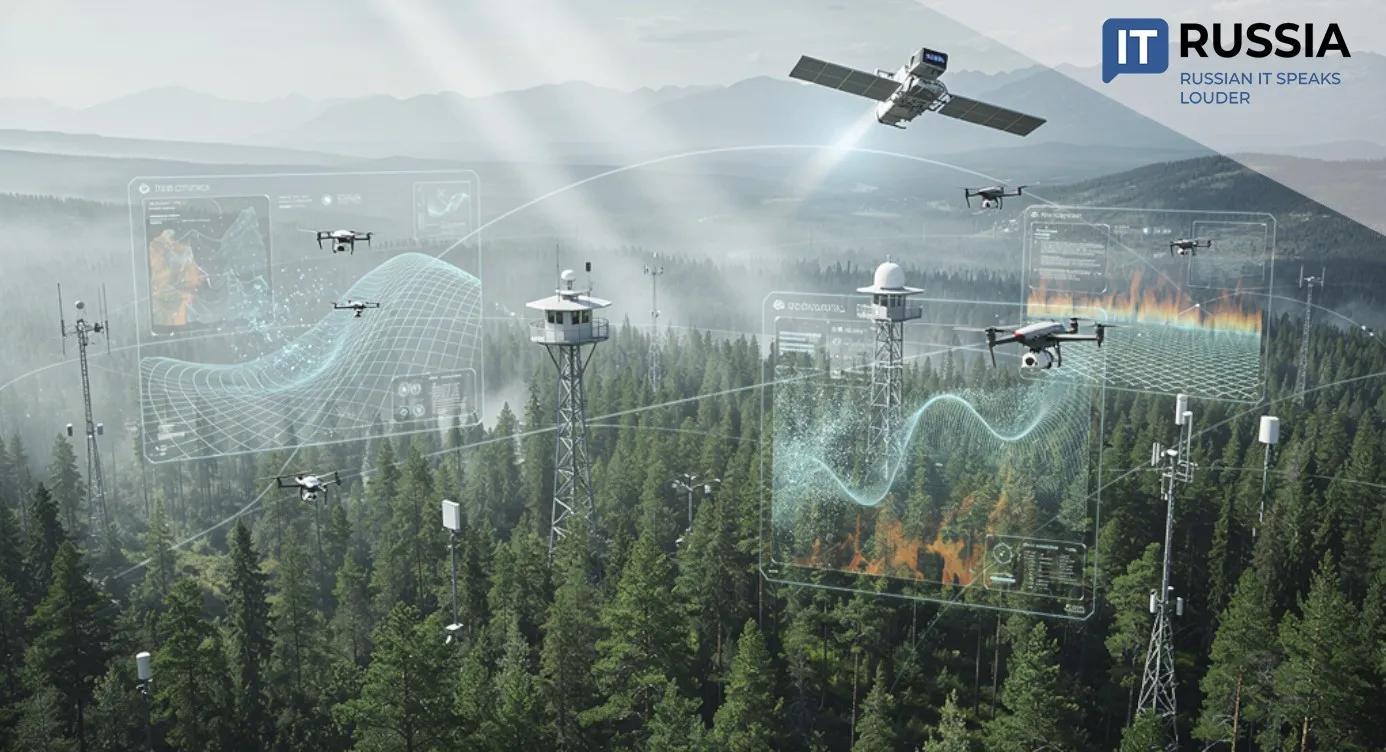
The project launched in 2025, with the Arkhangelsk Telecommunications Center serving as the operator. “Digital Inspector” is a hardware and software platform that integrates a network of surveillance cameras and drones while applying neural network algorithms to analyze the collected data.
The artificial intelligence system is trained to recognize icicles on rooftops, ice on sidewalks and improperly piled snow on pedestrian paths and access roads in images captured by cameras and drones – the hazards most common during northern winters.
The system operates in real time, transmitting data directly to the municipal control department. Human involvement is minimized while response speed increases significantly. The results are measurable. In February 2026 alone, based on data generated by “Digital Inspector,” the department issued 38 administrative violation reports. Fines for these violations range from 10,000 to 150,000 rubles ($110–$1,650). In total, the management companies responsible paid more than 1.6 million rubles (about $17,500).

A Digital Look Ahead: What Algorithms May Detect Next
It is clear that “Digital Inspector” will remain useful beyond the winter season. Experience from other Russian cities suggests neural networks can detect a wide range of municipal maintenance issues throughout the year. These include not only uncollected trash but also potholes, overgrown lawns and many other signs of inadequate upkeep.
Such a hardware and software platform could ultimately become part of a broader urban management system and another step toward implementing “smart city” algorithms across multiple layers of municipal governance.
In the future, the goal will shift from reacting to problems that already exist to preventing them through predictive analytics. The experience accumulated in Russia’s northern regions could also be replicated in other municipalities across the country.

From the Moscow Region to the Arctic: The Rise of Digital Oversight
The integration of artificial intelligence algorithms into the utilities and housing sector has become a nationwide trend in recent years. Moscow and the Moscow Region have traditionally led the way. There, neural network systems identify tens of thousands of violations across nearly twenty categories – from overflowing waste containers to graffiti on building walls.
The geography of such projects now extends far beyond the capital region. In 2022, in Kazan, the telecommunications company Rostelecom began deploying the CitySoft platform, primarily designed to monitor road conditions. The system addresses not only snow, ice and dirt left on streets. AI can also evaluate the quality of maintenance work, track the routes of snow removal equipment, detect open manholes and identify lighting problems.
In Nizhny Novgorod, the photo and video monitoring system Dozor-M3 focuses on quickly identifying icicles and ice accumulation on building roofs. Artificial intelligence evaluates the data and highlights potentially dangerous structures.
Meanwhile, video surveillance systems operating in 63 Russian regions use neural networks to detect overflowing waste collection sites and transmit that information to the federal state waste management information system.
Arkhangelsk therefore represents more than just another city adopting these technologies. It demonstrates how AI-driven urban monitoring tools can operate effectively even in the harsh climate of the Arctic North.
Local Experiment or a New Standard of Municipal Management?
Arkhangelsk’s experience clearly shows that monitoring housing and utilities violations with neural network algorithms is no longer just another pilot initiative. It is becoming a systematic tool that helps authorities manage urban infrastructure more effectively.
Artificial intelligence simultaneously addresses several challenges. Residents benefit from improved urban environments, municipalities respond faster to incidents while using resources more efficiently, and property management companies gain a stronger incentive to prevent violations before they occur.
In the coming years, such solutions are likely to expand across Russia, particularly as the country continues to pursue nationwide digitalization of the housing and utilities sector. Their functionality will continue to grow, helping deliver higher quality living conditions for residents in regions across the country.