Disappearing Implants: Russia Develops Biodegradable Fixation Devices for Pediatric Trauma Care
Researchers in Russia are developing biodegradable bone implants that gradually dissolve inside the body after a fracture heals, eliminating the need for a second surgery. The project has already secured a grant and is now preparing for clinical trials.
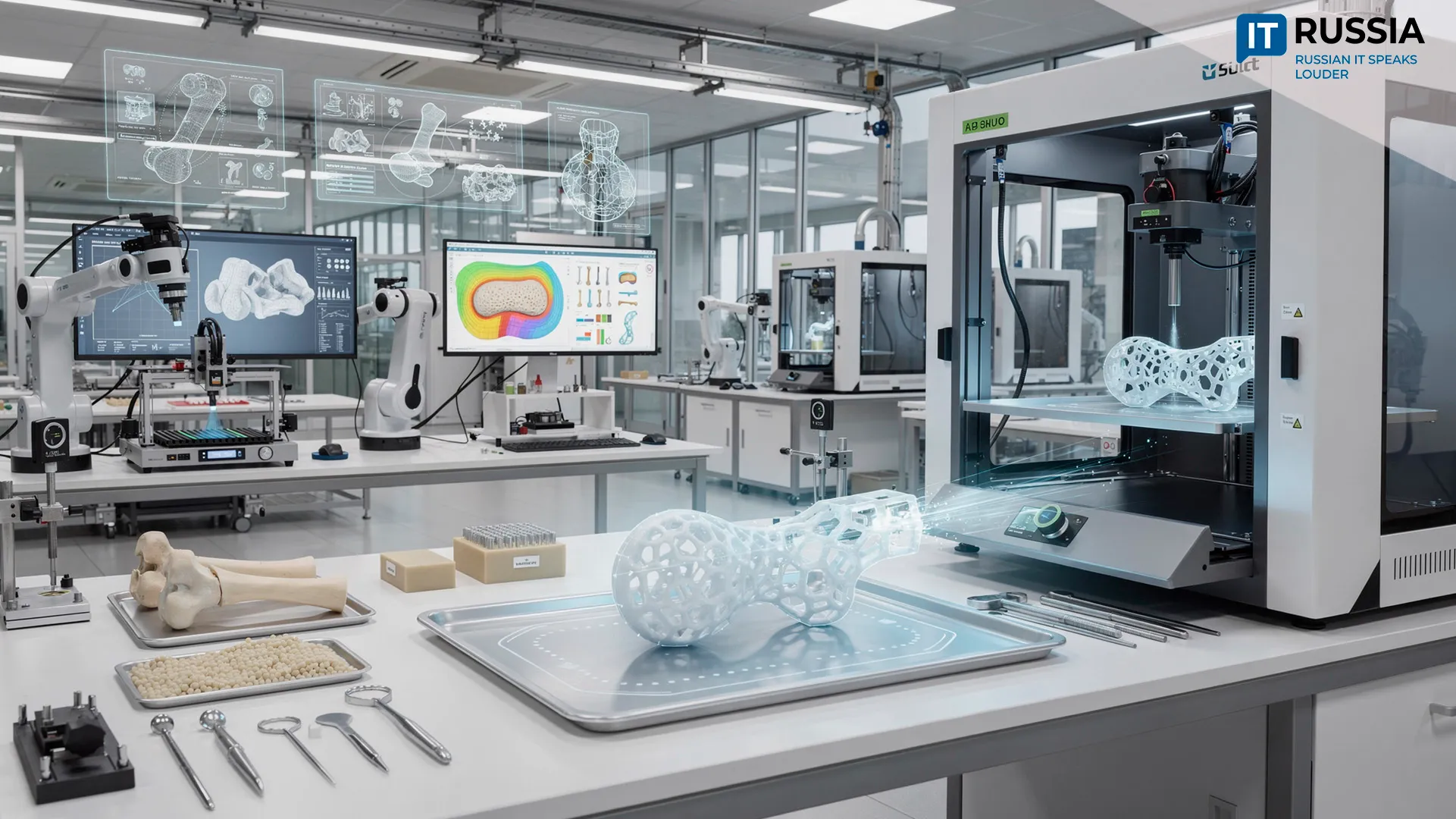
For decades, the gold standard in trauma surgery has been metal fixation devices, including titanium plates, pins and screws. They provide reliable fracture stabilization, but they also have a major drawback: once the bone has healed, the hardware must be removed through another surgical procedure. For adults, that means an additional operation and another recovery. For children, it can also create a risk of deformities in the growing skeleton.
Researchers at the Institute of Advanced Technologies and Industrial Programming at RTU MIREA are developing a technology for 3D-printing patient-specific biodegradable implants. These bone fixation devices gradually dissolve inside the body once a fracture has healed. Unlike titanium plates and screws, they do not require surgical removal.
The project has already received funding through the university's accelerator program. After researchers finalize the materials and optimize the printing process, clinical trials will begin in partnership with healthcare institutions.
A Better Solution
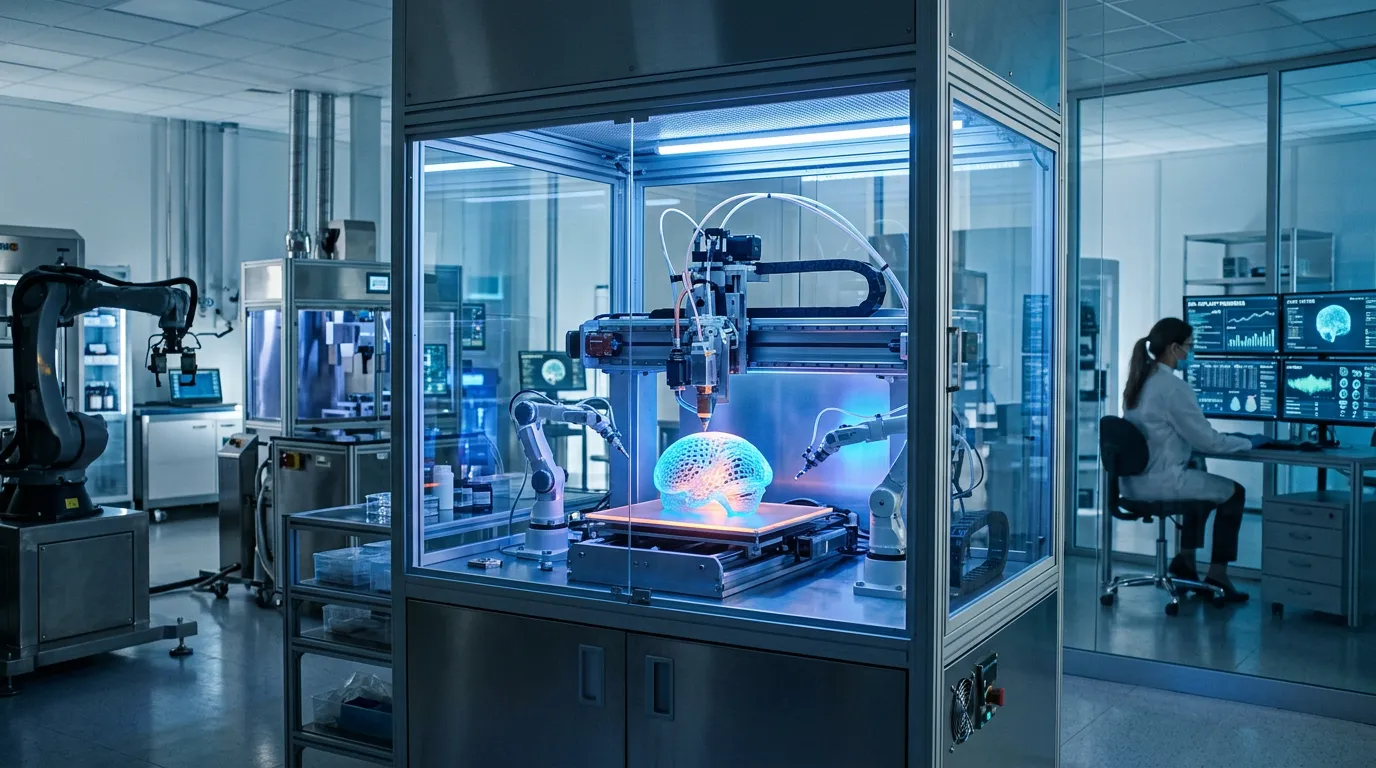
Why are biodegradable implants particularly valuable in pediatric trauma care? Children's bones remain in an active growth phase. A rigid fixation device installed while a fracture heals cannot adapt as the bone lengthens and changes shape. Instead, it can act as a mechanical constraint, either deforming growing tissue or becoming integrated into it. Removing the implant later can therefore be more traumatic, requiring another round of anesthesia and an extended rehabilitation period.
According to the university's press office, requests from pediatric surgeons became the primary driver behind the project. Biodegradable implants eliminate the need for a second surgical procedure. They gradually break down through hydrolysis into safe byproducts that are naturally eliminated by the body, while mechanical loads from movement and everyday activity are progressively transferred back to the healing bone.
How the Implants Work
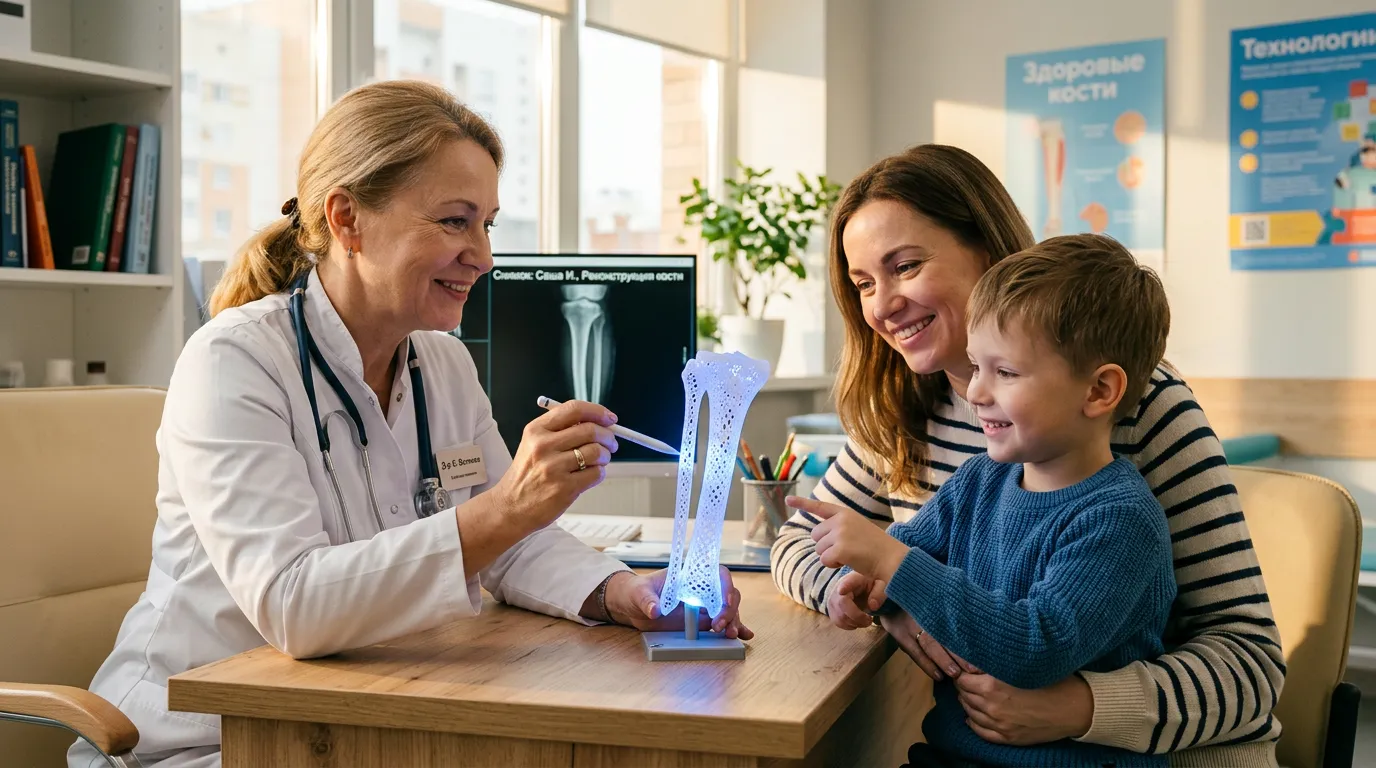
The technology combines three stages. The first is digital modeling. Engineers create a precise 3D model of each patient's fracture using CT or MRI scans. The implant is then designed individually to match the patient's anatomy, including natural bone curvature and the required mechanical strength.
The second stage involves selecting the biodegradable polymer. Engineers are evaluating Russian-developed polymer formulations, including polylactide, polyglycolide and their copolymers. The key objective is to achieve a controlled degradation period ranging from several weeks to six months, depending on the type of bone, the patient's age and the expected rate of healing.
The third stage focuses on optimizing the 3D-printing process. Extrusion parameters, temperature and printing speed are carefully adjusted to ensure that the implant maintains its strength exactly as long as needed for the fracture to heal before degrading evenly.
Benefits for Patients and Physicians
For children, the technology eliminates the need for a second operation to remove fixation hardware, along with the stress and anxiety associated with returning to the hospital. The implant disappears on its own once it has fulfilled its purpose. Adults benefit from the same principle: fewer surgeries, lower risk and faster recovery.
Surgeons also gain a practical and effective treatment option. Physicians can plan fracture management without having to schedule the future removal of metal hardware. That advantage is especially important in pediatric orthopedics, where every stage of treatment must account for a child's continued growth and development.
Emerging Developments
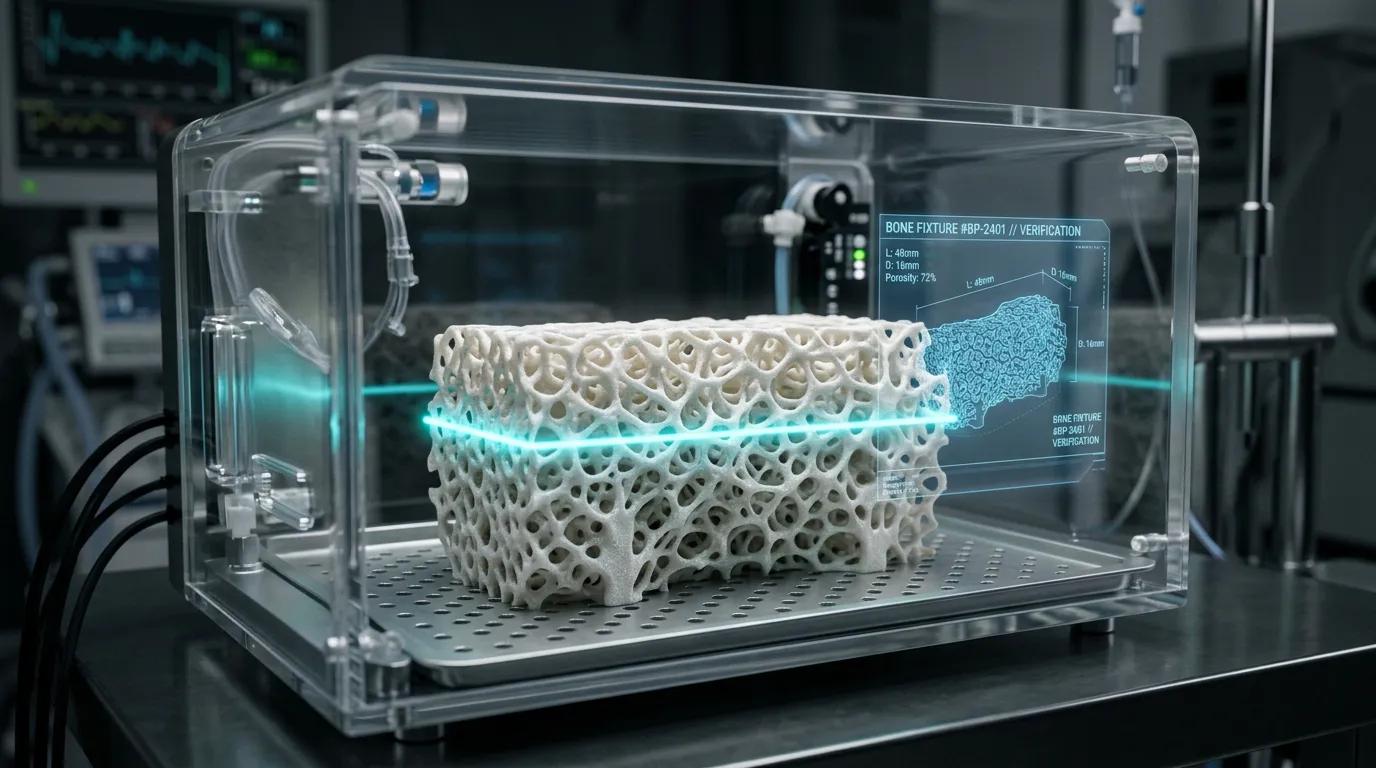
The RTU MIREA project is part of a broader trend rather than an isolated effort. In recent years, Russia has significantly expanded research into biodegradable implants and personalized 3D printing.
In 2022, researchers tested a biodegradable iron-silicon alloy. In 2023, scientists at Saint Petersburg State University and the Institute of Macromolecular Compounds of the Russian Academy of Sciences developed porous scaffolds made from polylactic acid nanoparticles. Sechenov University is advancing patient-specific prosthetic technologies, while Ural State Medical University is developing personalized structures for bone tissue regeneration.
The technology is still in the research and materials-development stage. Over the longer term, however, Russian biodegradable implants could find demand in countries where pediatric trauma remains a major healthcare challenge and where surgery depends on expensive imported materials. In addition, the underlying methodology, including digital modeling, polymer selection and optimized 3D printing, could itself become an exportable technological solution.
The immediate priority is to complete clinical trials. Researchers must validate material safety, confirm the accuracy of the predicted degradation timeline and demonstrate reliable fracture fixation. If those studies are successful, the technology could become part of clinical guidelines for treating fractures in both children and adults.