Rosatom Launches the World's First Full-Scope Simulator for the BREST-OD-300 Fast Reactor
Rosatom has commissioned a full-scope simulator for the BREST-OD-300 nuclear power unit in the city of Seversk, Tomsk Region.
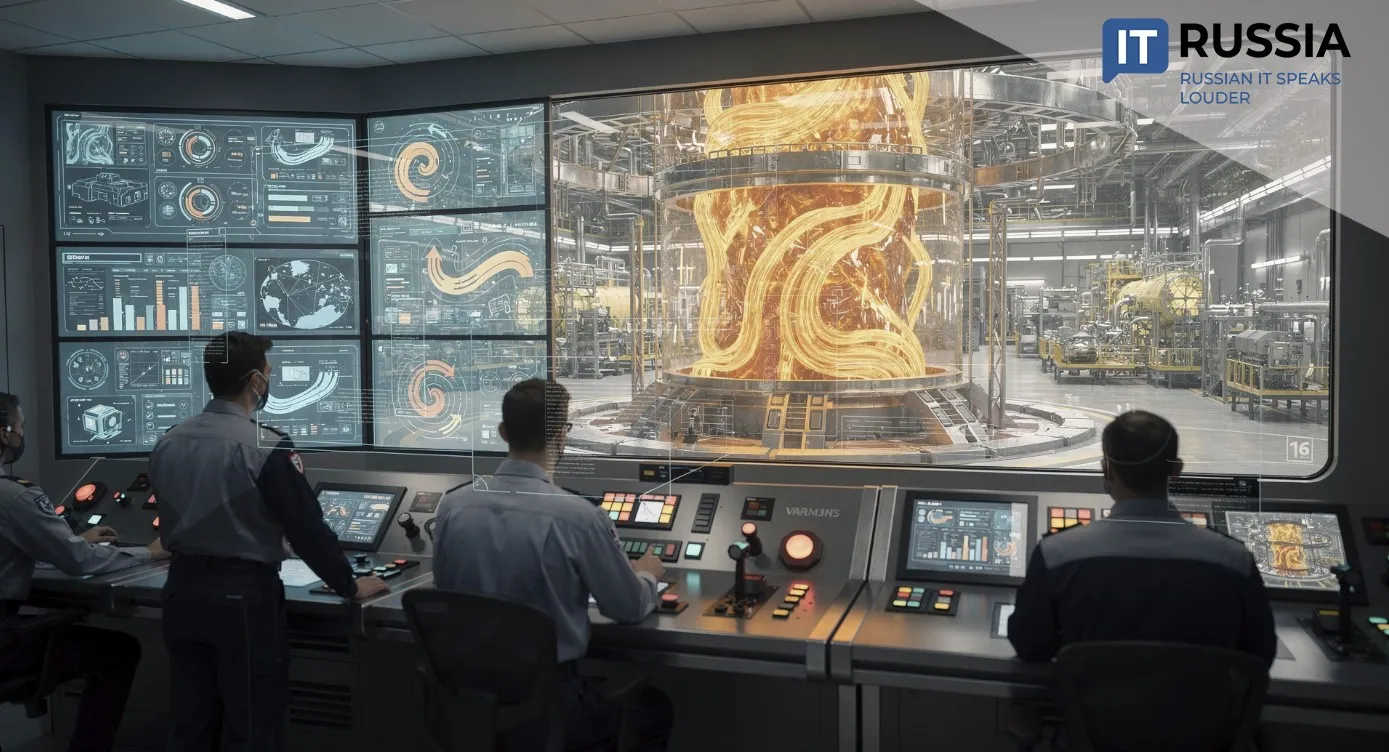
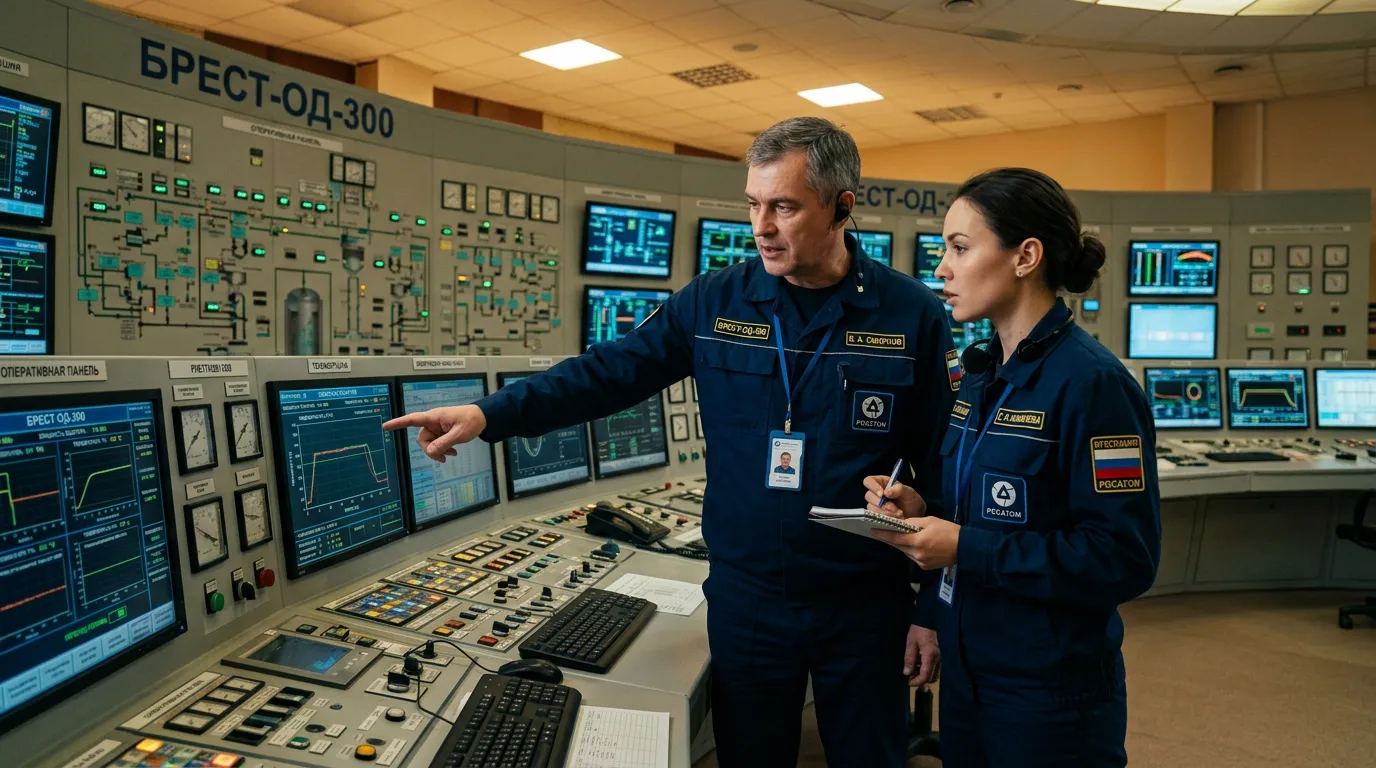
The facility is the world's first and only training simulator designed for a Generation IV fast-neutron reactor with a lead coolant. The system fully replicates the unit's main control room and is intended to prepare operating personnel for the startup of the BREST-OD-300 demonstration power complex.
An Exact Replica of the Main Control Room
The simulator precisely reproduces the operator workstations of the actual nuclear power unit. At its core is a mathematical model that simulates the physical processes occurring in the reactor core and throughout the liquid-metal coolant circuits.
The system enables operators to train across the full range of operating scenarios. Personnel can practice reactor startup, power ascension, scheduled fuel reloading, and reactor shutdown. Particular emphasis is placed on abnormal and emergency conditions. The simulator reproduces equipment failures, loss of off-site power, and heat removal disturbances. That allows operators to develop the skills needed to respond effectively to any deviation from normal plant operating conditions.
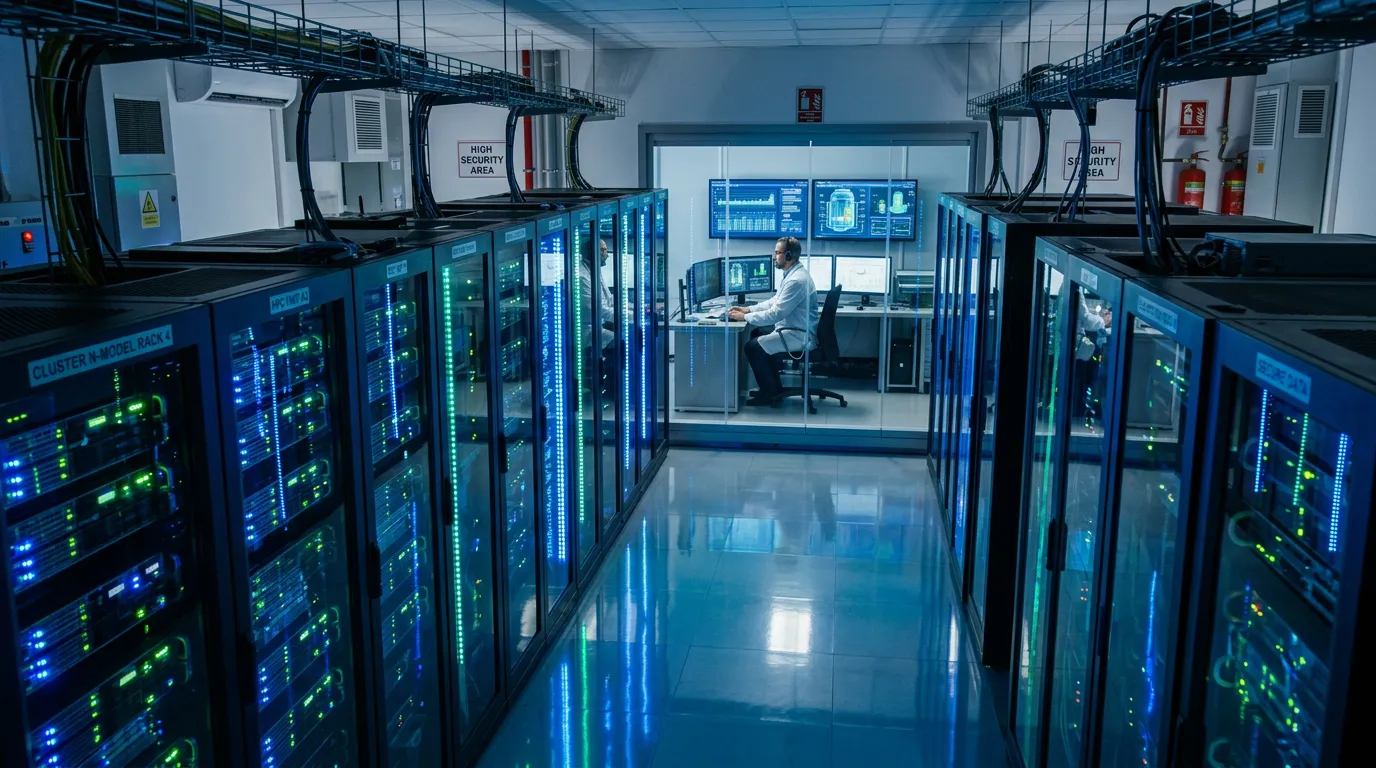
The simulator records every operator action, system parameter, and operational sequence throughout each training session. These data are retained for detailed post-training review with instructors. Training supervisors can pause a simulation, return it to an earlier point, and replay alternative operating scenarios under different conditions. This makes it possible to identify operational errors in a virtual environment and refine operating procedures before personnel begin work at the actual facility.
Preparing for Physical Startup
A full-scope simulator is one of the fundamental regulatory requirements for licensing a nuclear power unit. Across the nuclear industry, operating personnel must demonstrate proficiency before a reactor is loaded with nuclear fuel.
Shift operating crews, reactor control engineers, and shift supervisors will all complete training on the new simulator. The program combines individual instruction on specific plant systems with integrated exercises involving the entire operating shift. Successfully completing the simulator training program and passing qualification examinations are mandatory requirements for obtaining an operator's license.
Training in a virtual environment reduces the impact of human factors on plant operation. Operators repeat procedures until they become second nature, an especially important requirement for a reactor featuring an entirely new design and the distinctive physical behavior associated with liquid-metal coolant technology.
A Lead-Cooled Fast Reactor
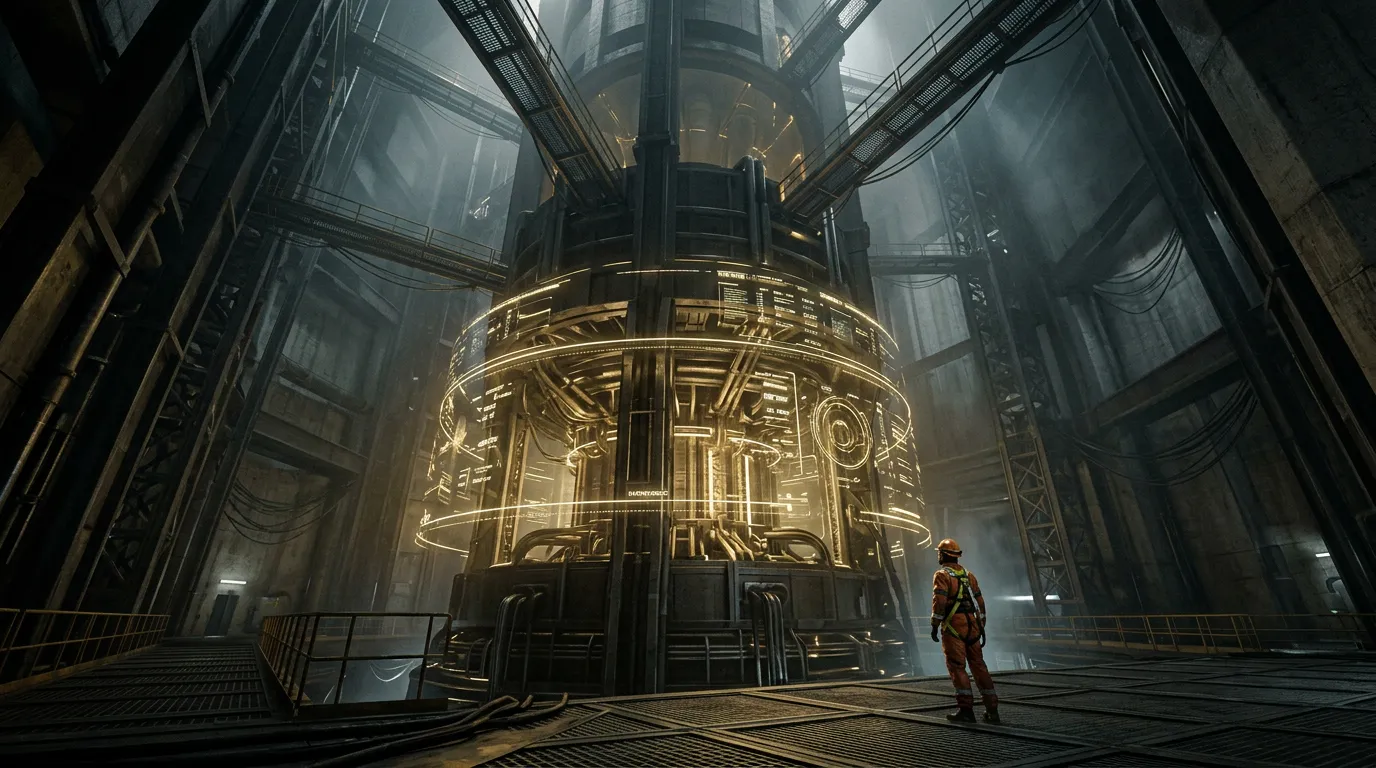
The BREST-OD-300 is a demonstration power unit that uses molten lead instead of water as its primary coolant. Lead's very high boiling point allows the primary circuit to operate at low pressure, eliminating the risk of coolant boiling and reactor vessel depressurization that could otherwise lead to the release of radioactive material.
The reactor's design also supports natural coolant circulation. Even in the event of a complete station blackout, residual heat can be removed passively from the reactor core without operator intervention or activation of emergency pumps. These inherent safety characteristics allow the reactor to meet the stringent international objectives established for Generation IV nuclear systems.
Developing the simulator's mathematical model required engineers and reactor physicists to account for the unique behavior of liquid lead. The model incorporates lead thermophysical properties across a range of temperatures, including crystallization and melting processes, as well as interactions between the coolant, structural materials, and fuel assemblies.
Infrastructure for a Closed Nuclear Fuel Cycle
The simulator forms part of the training center being established at the Siberian Chemical Combine in Seversk. The site is implementing Proryv (Breakthrough), Russia's national project to develop a closed nuclear fuel cycle.
For the first time anywhere in the world, three key elements are being integrated at a single site: the reactor itself, a fuel fabrication and refabrication module, and a spent nuclear fuel reprocessing module. Rather than placing spent fuel assemblies into long-term storage, they will be reprocessed to recover valuable materials and manufacture new mixed uranium-plutonium nitride fuel for reuse in the reactor.
This closed fuel cycle is expected to significantly expand the nuclear fuel resource base through the use of uranium-238 and plutonium while also enabling the transmutation of long-lived radioactive actinides. As a result, both the volume and long-term radiotoxicity of waste requiring geological disposal can be substantially reduced.