Skorozvon Launches AI Tool to Reduce Outbound Calling Costs
Skorozvon has launched a contact database scoring system designed to identify phone numbers that are unlikely to connect, helping businesses avoid spending time and money on low-value outbound calls.
Virtually every company operating its own contact center aims to make outbound customer calls as effective as possible. Businesses already rely on analytics platforms and employee training programs to improve results. Increasingly, they are also adopting artificial intelligence tools to optimize outbound communications.
Filtering Out Low-Value Contacts
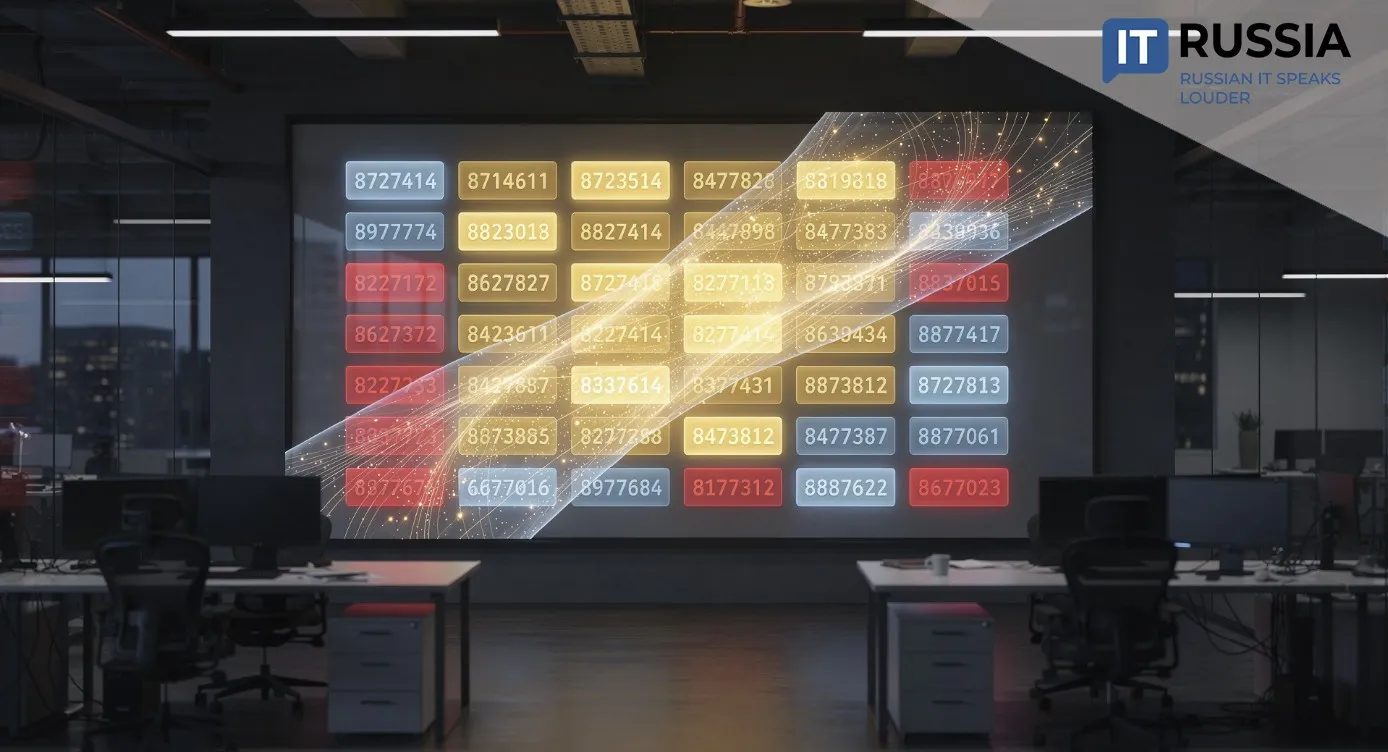
Skorozvon recently introduced a contact database scoring service built on a predictive model that evaluates the interaction history associated with each phone number. The algorithm analyzes previous successful connections and unsuccessful call attempts, recurring calling patterns, responses to repeated dialing attempts, and the type of response received. In practice, the system identifies subscribers who are unlikely to answer, allowing contact centers to avoid spending time and resources on calls with little chance of success. For low-contactability numbers, the model predicts unsuccessful call attempts with 93% accuracy. For highly reachable numbers, its prediction accuracy reaches 81%.
The launch followed an extensive preparation phase. Skorozvon conducted a comprehensive analysis of contact center activity across the industry. In 2025, users of the service placed 1.57 billion calls, up 16.5% from the previous year. At the same time, the introduction of mandatory call labeling fees significantly reshaped the market. After October, daily call volumes fell from 5.9 million to 1.3 million before stabilizing at approximately 130 million calls per month by the first quarter of 2026. Meanwhile, the average answer rate increased from 19.7% to 26.3%. Charging for every outbound call pushed companies that relied on high dialing volumes rather than call quality out of the market. Contact database scoring represents the next step in that transition.

Demonstrated Financial Impact
Pilot projects showed that removing roughly 25% of a contact database from outbound campaigns increased the connection rate from 36% to 48% while reducing call-labeling and telecommunications traffic costs by approximately 20%. Those savings result from eliminating ineffective dialing attempts and redirecting spending toward contacts with a higher probability of reaching a live subscriber.
The company says database scoring has become part of Skorozvon's portfolio of AI-powered products alongside voice bots, an AI training simulator for sales teams, and speech analytics.
The technology is expected to appeal to a broad range of industries, including banking, insurance, retail, delivery services, healthcare organizations, and other businesses that manage high volumes of outbound customer communications. All of them have a strong incentive to improve the efficiency of customer engagement budgets. Consumers could also benefit as fewer unnecessary marketing calls reach their phones.

Routine Tasks Shift to AI
The adoption of intelligent technologies in contact centers began several years ago. AI-powered voice assistants gradually started replacing human agents in routine interactions. In 2022, Rostelecom reported that using voice robots reduced average call duration by 15-20% while lowering the cost of handling customer inquiries by roughly threefold compared with calls handled by human agents. In 2023, speech analytics platforms became much more widely deployed. Rostelecom expanded the technology to more than 80% of its products and 75% of its customer service processes, supporting more than 3,000 agent workstations. During the same year, Russian companies also accelerated adoption of predictive outbound dialing systems.
Over several years, the industry has steadily shifted toward rewarding companies that prioritize call quality rather than dialing volume. Mandatory call labeling provided an additional catalyst for that transition.

The introduction of contact database scoring reflects the continued evolution of contact centers toward more precise management of outbound communications. The technology could soon become standard across the industry's leading providers.