Driverless Farm Machinery for Vast Fields
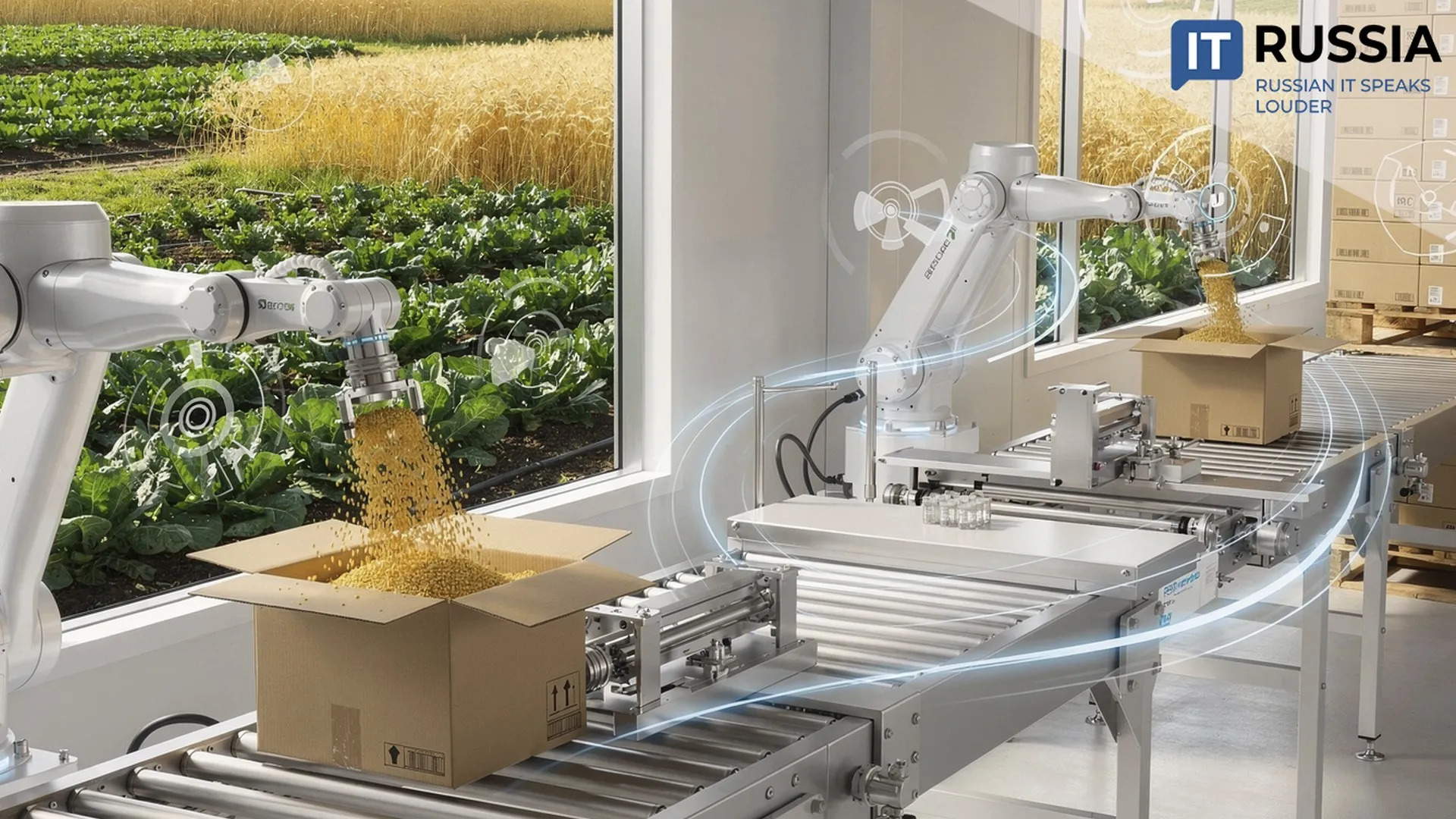
Russia and China are beginning development of a common platform for powerful autonomous agricultural machinery designed to operate on large fields. A prototype is expected to be unveiled in 2027.
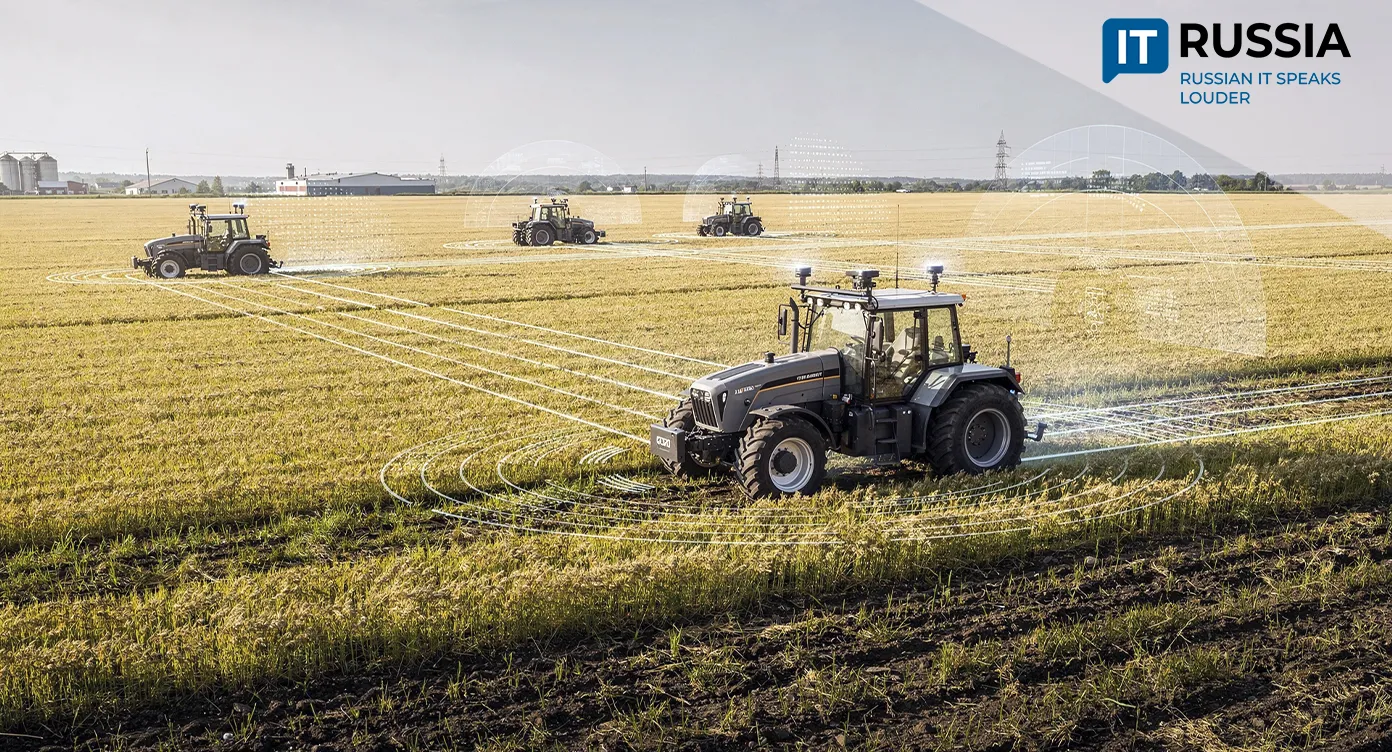
Russia has an objective need for autonomous or driverless control systems for agricultural machinery. According to the United Nations Food and Agriculture Organization (FAO), the country has vast land resources, including 379.8 million hectares (938.5 million acres) of agricultural land. By comparison, Germany has 16.7 million hectares (41.3 million acres) of agricultural land. Russia’s immense fields can be farmed efficiently with agricultural machinery equipped with autonomous control systems.
Kazakhstan ranks second worldwide by agricultural land area, with 107.7 million hectares (266.1 million acres), while China ranks third, with more than 50 million hectares (123.6 million acres). Demand for automated agricultural machinery control systems is also substantial in these countries.
Joint Autonomous Farm Machinery Project
China, with its enormous population, is the world’s largest producer and consumer of agricultural products and is also actively introducing autonomous systems into machinery used in the field. Joint development of new, highly efficient technologies will allow Russia and China to improve crop production efficiency. The first stage of this work will be the joint development of a high-power autonomous agricultural platform.
During the plenary session “Training Personnel to Develop Russia-China Trade and Economic Relations,” held as part of the ROSTKI: Russia-China Mutually Beneficial Cooperation forum, Russian Agriculture Minister Oksana Lut said Russian and Chinese developers are creating autonomous agricultural machinery whose primary purpose will be to work specifically on vast fields.
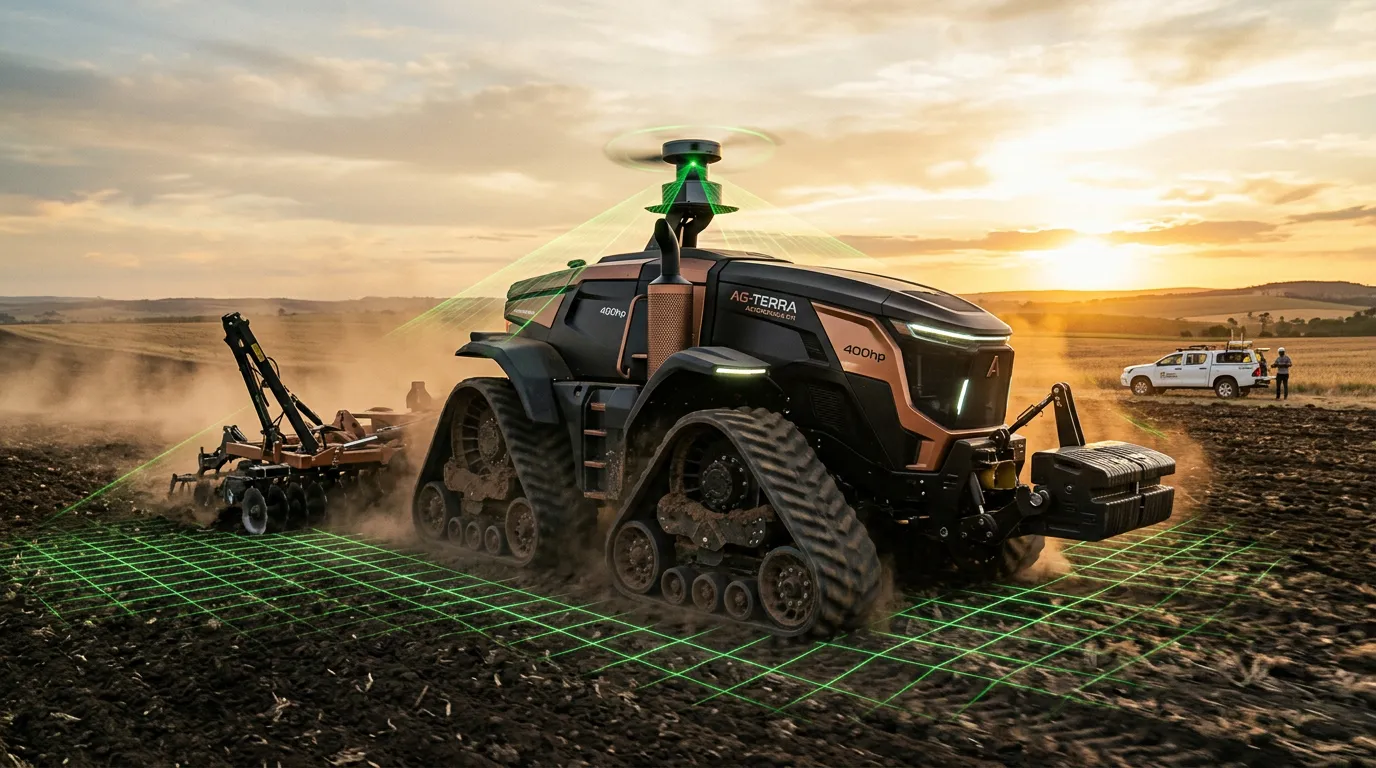
To achieve this, the partners will develop fully autonomous agricultural machinery with power ratings ranging from 120 to 400 hp. The project will draw in part on existing Chinese machines designed without an operator cab, which are currently used on small fields in China. The next task is to develop fundamentally more productive machines.
A New Stage in Digital Technology
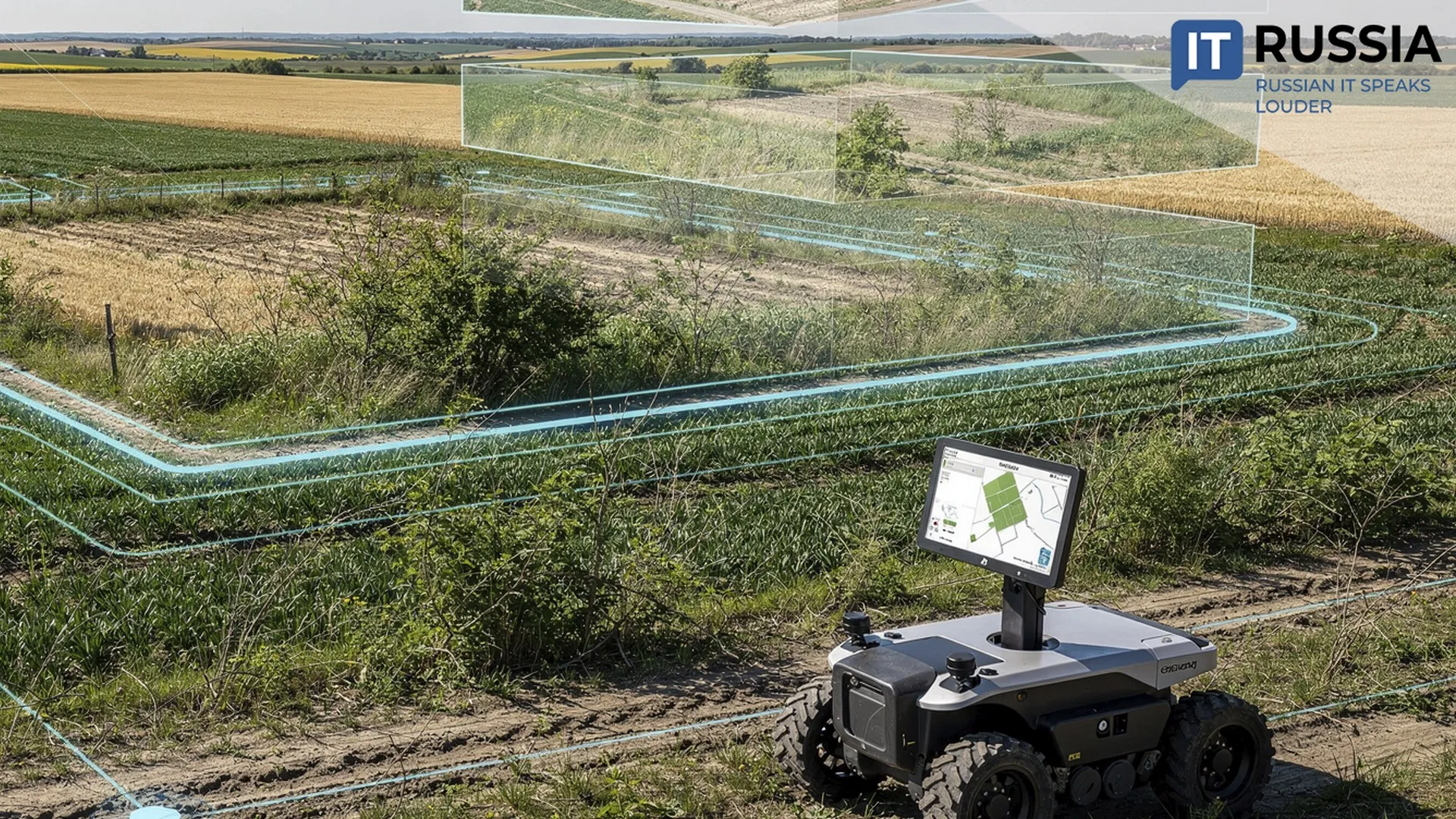
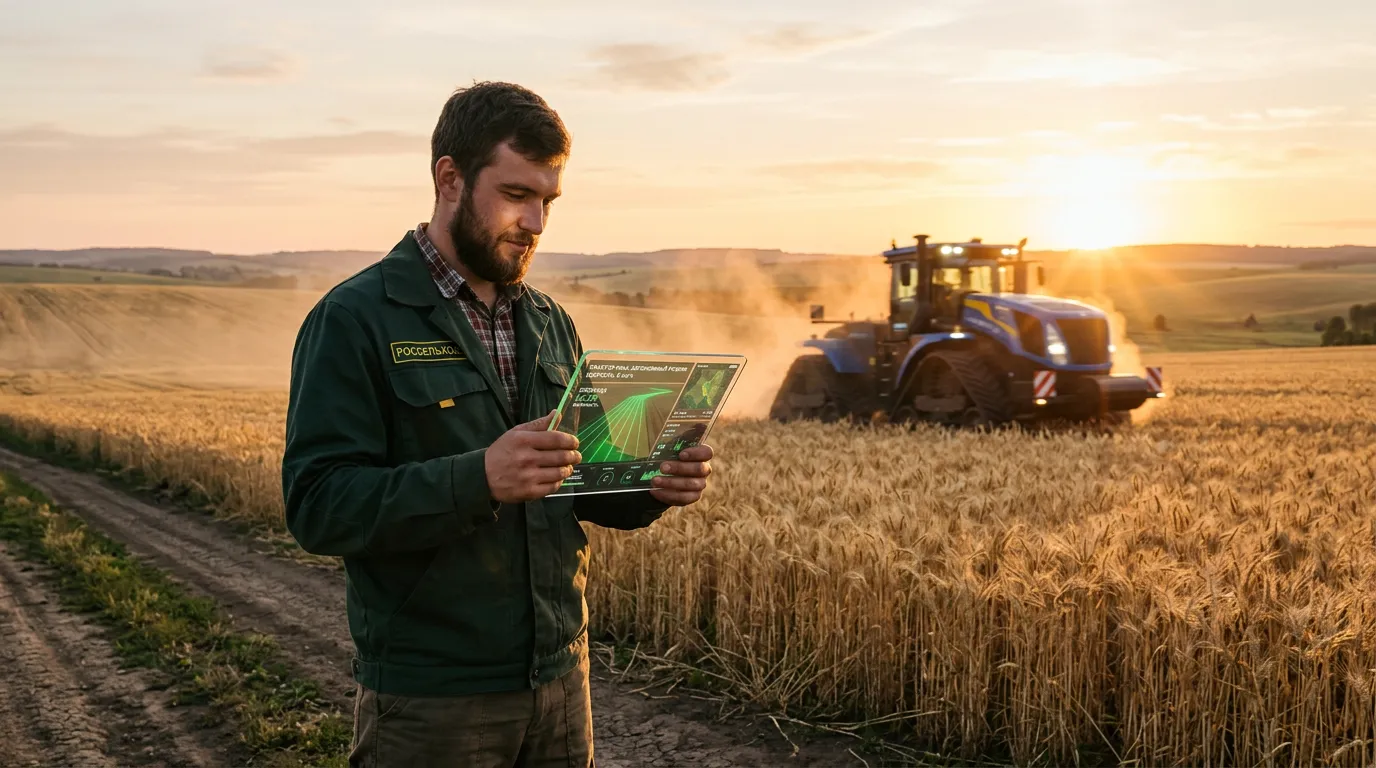
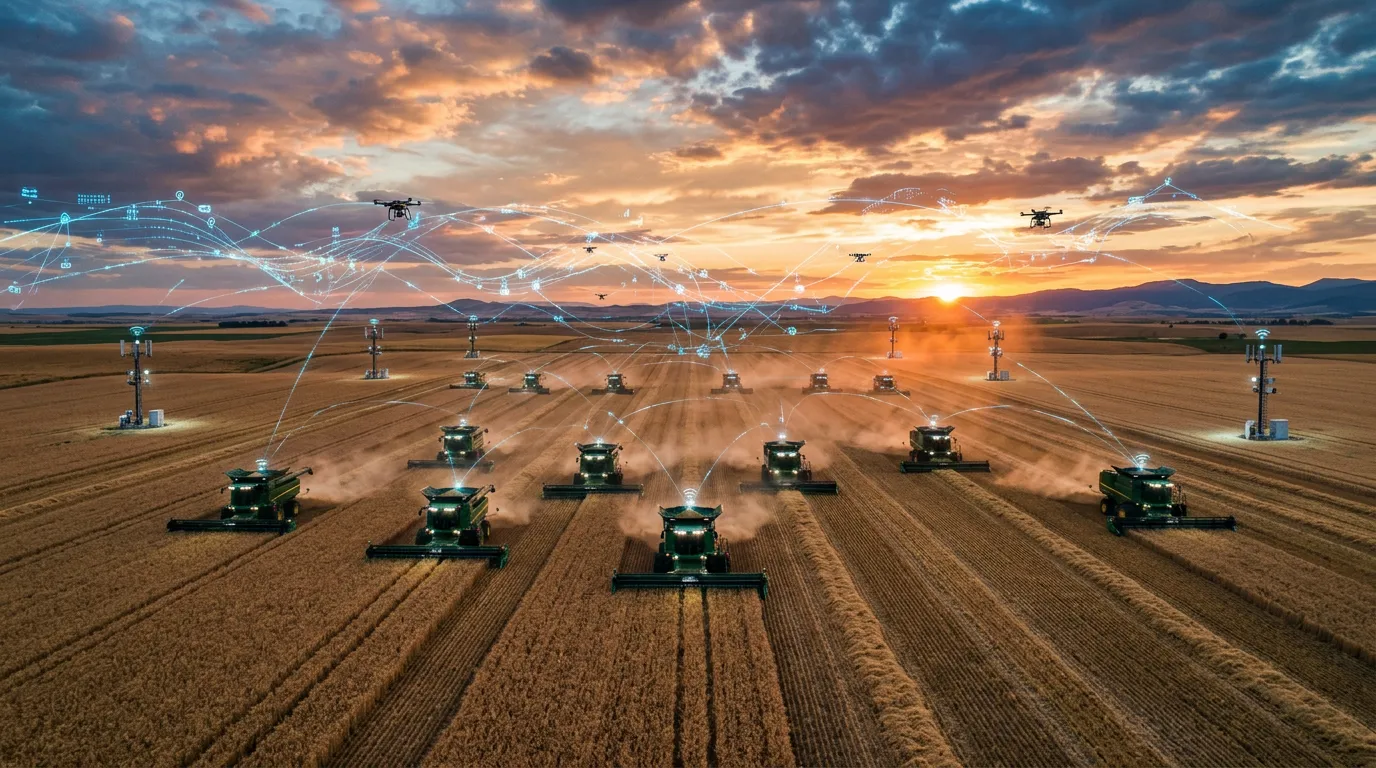
Machinery in this class will require a full suite of digital technologies for autonomous operation: positioning and navigation systems, sensors and computer vision, autopilot capabilities, automatic path-planning platforms, monitoring of completed operations and remote monitoring of equipment condition.
Russia is already developing a broad range of machinery of this kind. In 2019, Russian company Cognitive Technologies, together with Sberbank, deployed an autonomous combine harvester control system at farms in the Tomsk region. During autonomous grain harvesting in the Kurgan region, a yield record was set using the system. Russian President Vladimir Putin highlighted the result during his annual media event at the end of 2020.
While Russian systems developed in 2019–2020 depended on GPS signal quality, newer systems use machine vision and therefore operate more independently. Video cameras mounted on the machinery capture the field in real time and transmit the data to a neural network, which determines the optimal route.
Don State Technical University (DSTU), working with the Rostselmash plant’s design bureau and Moscow Polytechnic University, developed the Dontekh universal autonomous tractor. It can run on either diesel fuel or electricity. A proprietary autonomous control system allows the machine to be operated from a tablet. More than 90% of the experimental model’s components are Russian-made. The project was commissioned by the Rosspetsmash Association, which plans to produce 150 autonomous platforms annually by 2035.
Exporting the Technology
According to a Strategy Partners study, Russian farmers currently use about 12,000 tractors and 3,000 combines equipped with some form of autopilot capability. Given that about 220,000 tractors and more than 53,000 combines are operating nationwide, the market for autonomous ground-based agricultural machinery remains at an early stage of development. Farmers in the Orenburg region estimate that autonomous systems increase productivity by 20% while reducing fuel costs by as much as 5%. Demand for autonomous technology is therefore expected to continue growing.
The joint Russian-Chinese project will mark a new stage in the development of agricultural machinery. Previous projects focused on installing autonomous control systems on production tractors and combines. Integrating digital control systems into the base machine design will create more room for further development. The partners plan to build a high-power autonomous platform that can serve as the foundation for specialized agricultural machinery.
That could expand not only the capabilities of Russian crop producers but also the export potential of industrial companies. Rostselmash exports machinery to Sudan, Egypt and South Africa. Infobis’ Agrosignal integrated digital platform is used in Kazakhstan and Belarus. Cognitive Pilot supplies Cognitive AgroPilot kits to 12 countries across Latin America and Asia, as well as to the United States and Canada.
The new autonomous platform and machinery based on it are expected to be particularly useful in regions with large areas under cultivation and shortages of skilled labor.