“15 Miles of Light”: Arkhangelsk Creates VR Films About the History of the Russian North
The 15 Mil’ Sveta (15 Miles of Light) film lab has opened in Arkhangelsk, the capital of Pomorye. The project brings together filmmaking, museum work and modern digital technologies.
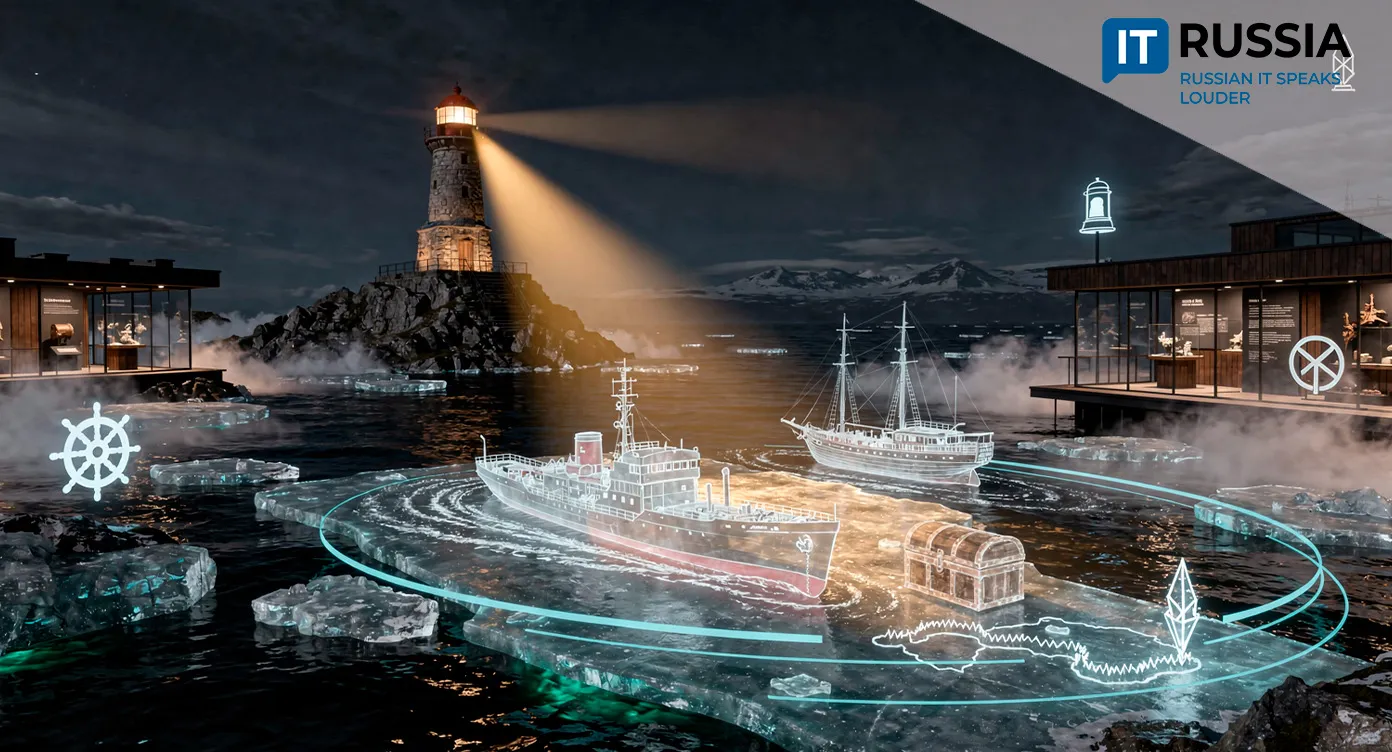
Under the guidance of professional filmmakers and virtual reality experts, participants will create five narrative VR films about the maritime history of the Russian North. The films will become part of the permanent exhibition at the Northern Maritime Museum. The initiative is being carried out by the Pomorsky kulturny fond Bereginya (Bereginya Pomorye Cultural Foundation), with support from the Governor’s Center of the Arkhangelsk Region, in cooperation with the Northern Maritime Museum and the Arkhangelsk College of Culture and Art.
Shedding Light on History
The project’s name has a deeper meaning. A lighthouse beam reaches a distance of 15 miles. In an allegorical sense, that light makes it possible to see the history of the Russian North and the Arctic and how these regions were explored and developed.
“Five years ago, the Northern Maritime Museum hosted an exhibition called ‘15 Miles of Light’ devoted to the history of lighthouses. With this project, we have brought filmmaking, the museum and education together in a way that is new to the region. Virtual reality became the technology that connects them,” says Tamara Statikova, director of the Pomorsky kulturny fond Bereginya.
The film lab’s participants are first-year students at the Arkhangelsk College of Culture and Art. They will learn the main stages of film production as well as the fundamentals of creating VR films. By immersing themselves in the history of the Russian North, they will gain new knowledge that can serve them in their future careers.
“This hands-on experience will definitely be useful to these future young professionals in their work. They will also already have an understanding of what the creative industries are and how to turn ideas into reality so they can be in demand here and now. Taking part in our project gives them all of these opportunities,” Tamara Statikova says, highlighting the project’s educational role.
The Screenwriting Contest
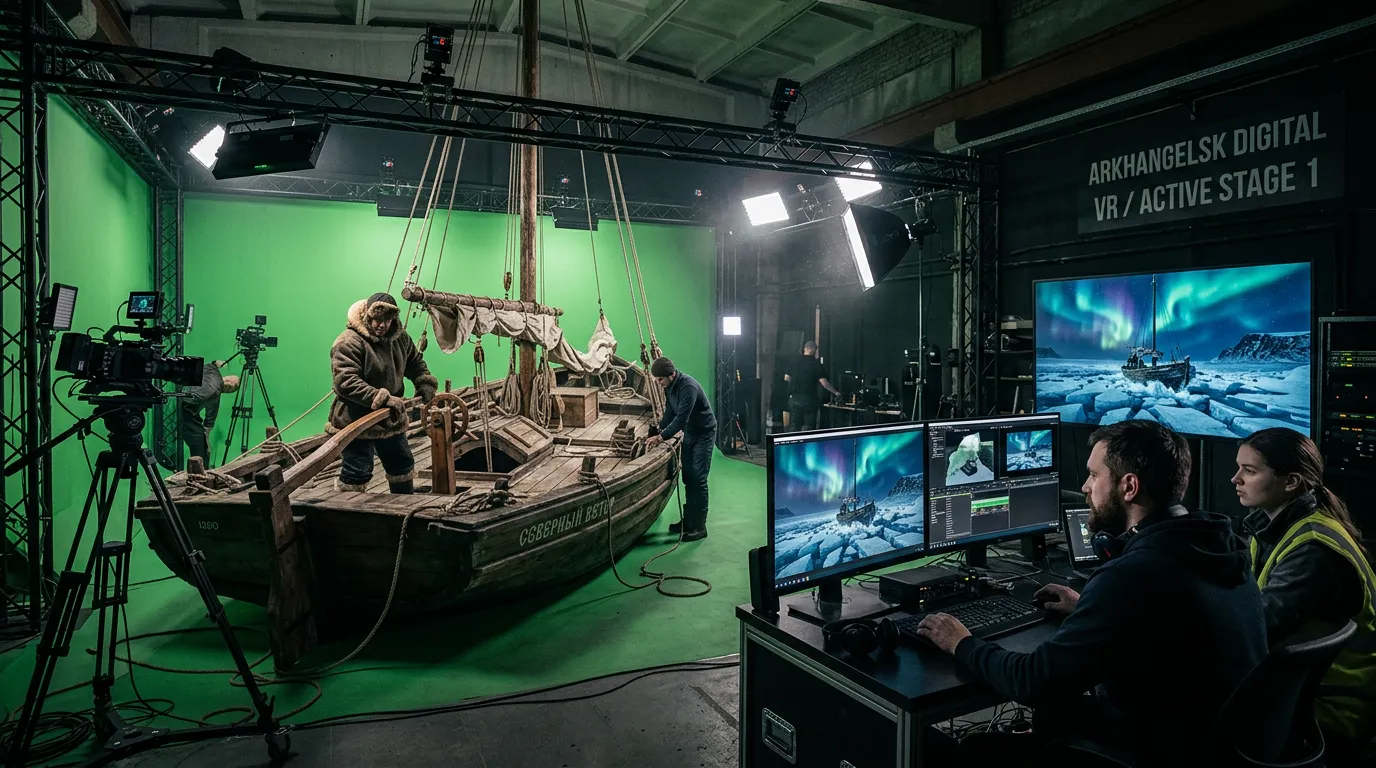
Before the film lab began, the organizers held a script competition for the future films. Writers submitted stories about the exploration of the Russian North, with a maximum runtime of 90 seconds. Within that brief span, each author had to tell a historical fact, convey a sense of atmosphere and capture the viewer’s interest.
The films are based on real events and maritime legends. Five themes were selected in advance and offered to the writers for reinterpretation: “Tragedy at the Lighthouse,” a story about the deaths of lighthouse keepers at the Zhuzhmuysky Lighthouse in the White Sea in the winter of 1873; “Navigator of the Polar Seas,” about the role of a navigator aboard a ship; “Dead Man’s Chest,” a story involving an old sea chest; “Race for the Arctic: Georgy Sedov,” about the Russian officer who organized an expedition to the North; and “Why the Svyatogor Was Sunk,” the story of an icebreaker.
The filmmakers are expected to pay particular attention to the use of space, sound, the pace of the action and the development of the story around the main character. The jury will evaluate the originality of the idea, dramaturgy, expressiveness, emotional impact of the story and whether the project can be realized in virtual reality.
The scriptwriters whose works are selected for adaptation will receive diplomas and cash prizes. But the biggest reward is the chance to see their own work become part of the Northern Maritime Museum’s exhibition.
Demand for VR Professionals
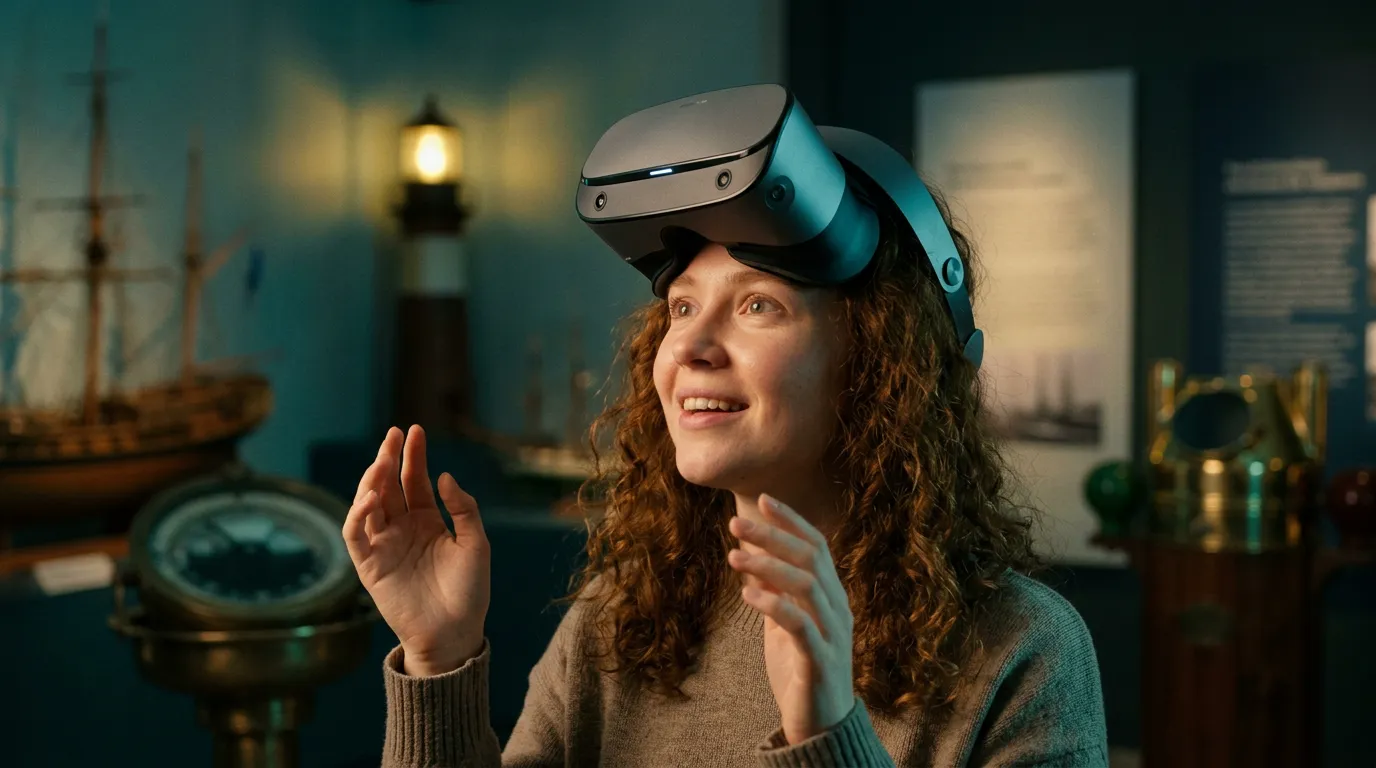
The 15 Mil Sveta project shows that virtual reality is gradually becoming more than an entertainment technology. It is also emerging as a tool for working with cultural heritage. The Arkhangelsk Region is using modern digital technologies to preserve the history of the Russian North and increase interest in the region.
The film lab is only the beginning of the museum’s use of VR. The format will allow the Northern Maritime Museum to reach a broader audience. Visitors will gain access to digital reconstructions of historical events that cannot be presented through traditional methods. For example, VR can recreate scenes from Arctic expeditions, show how historic ships operated or bring daily life in northern settlements back to the screen. Cultural institutions across Russia are already developing similar approaches.
The number of VR projects in Russian museums, educational institutions and the tourism industry is expected to grow in the coming years. Key areas of development include digital reconstructions of historical events, virtual tours and interactive educational programs.
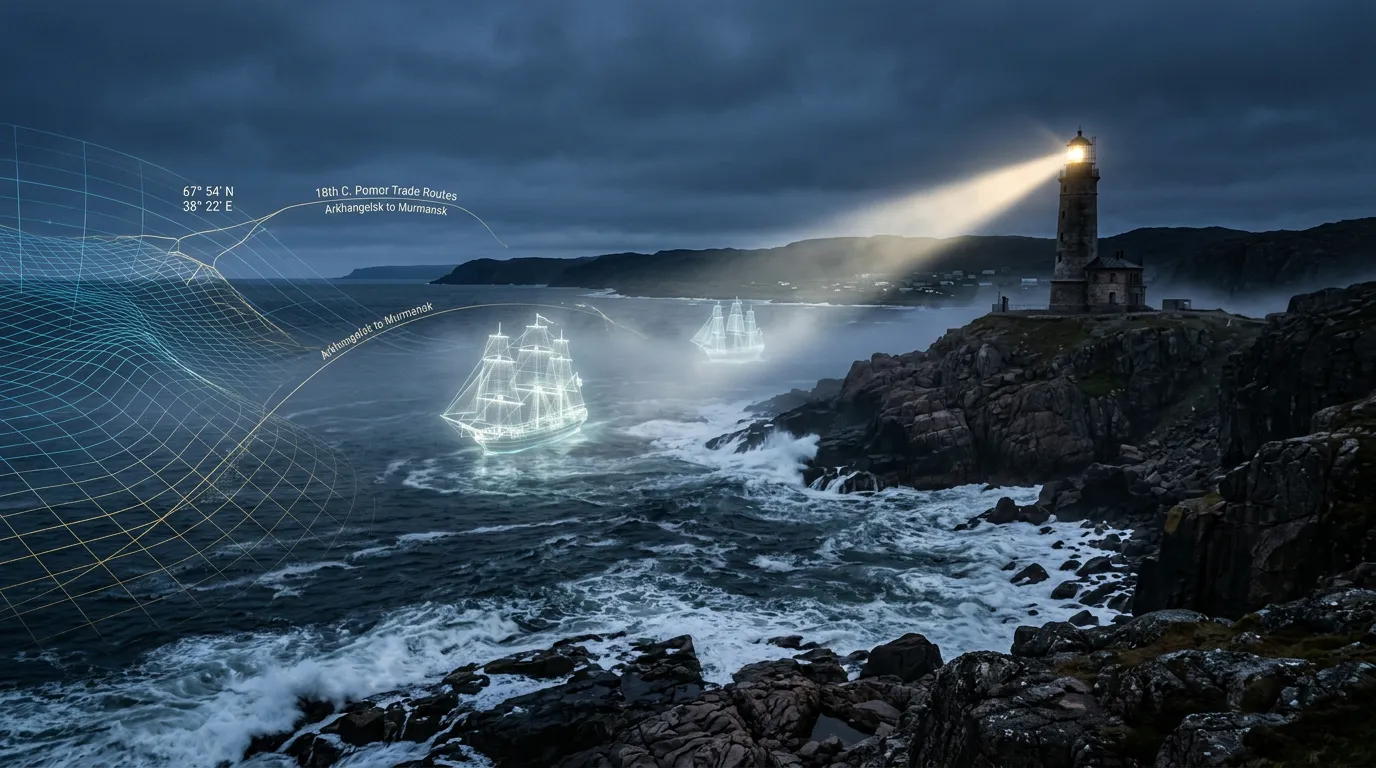
For Russia’s IT industry, projects like this are creating a new market for virtual reality technologies. Demand will grow for VR application developers, as well as professionals working in 3D graphics, digital modeling and immersive-content production.