Formula in Cross-Section: Russia Creates Its First AI Video Course on Chemistry
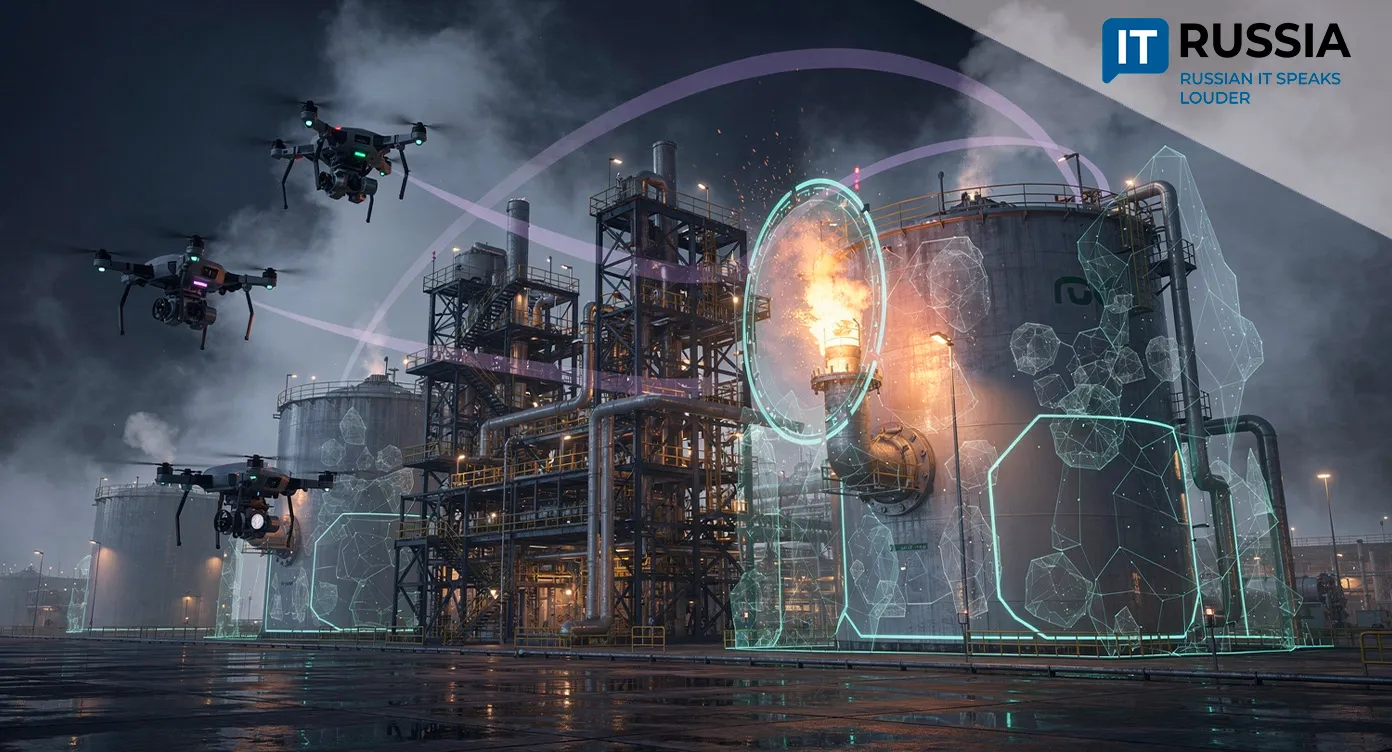
The video course is designed for eighth-graders. Here, AI visualizes molecules, chemical reactions and entire industrial processes. The project was launched on the Lecta platform at the initiative of SIBUR.
The first course materials became available on September 9. Over the school year, students will work through seven thematic blocks. Each topic is presented through four short videos, for a total of 28 episodes that take students step by step from a basic concept to the practical application of what they have learned.
Seeing “Live” Science
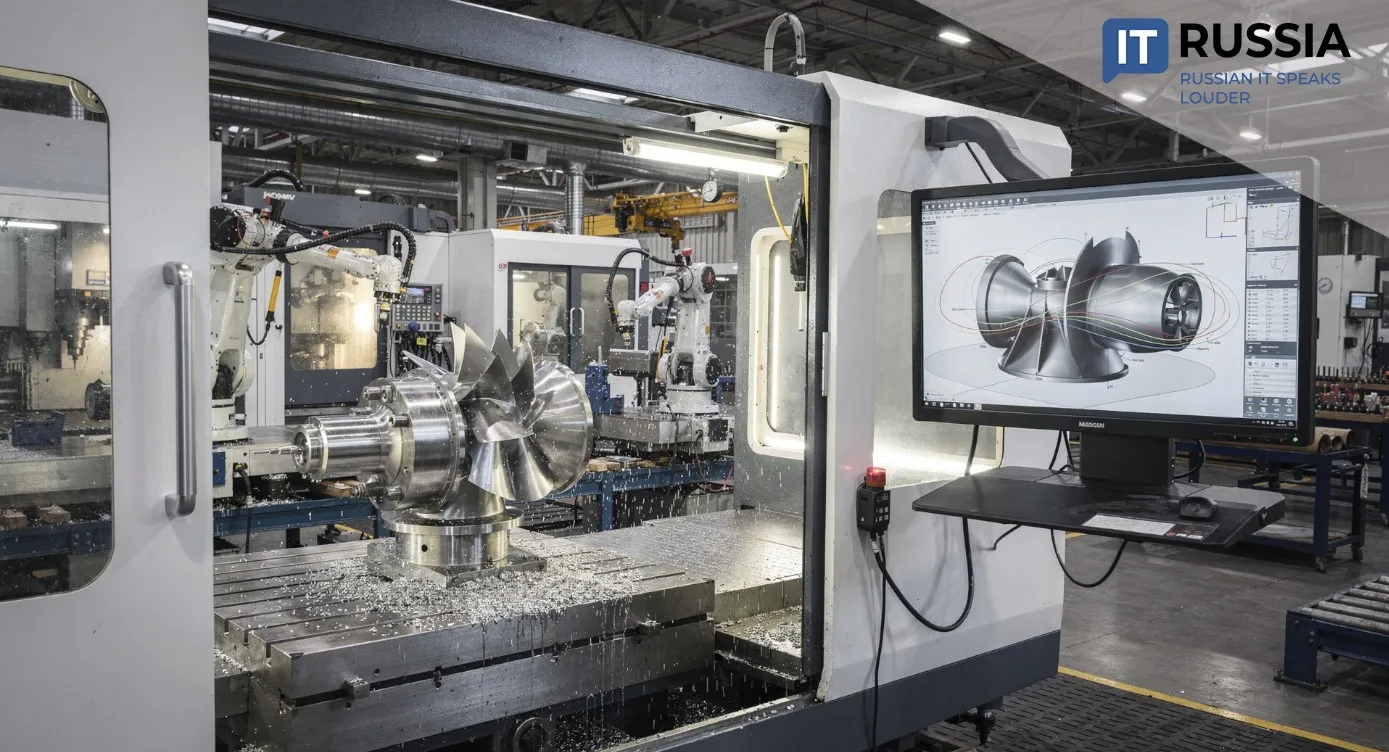
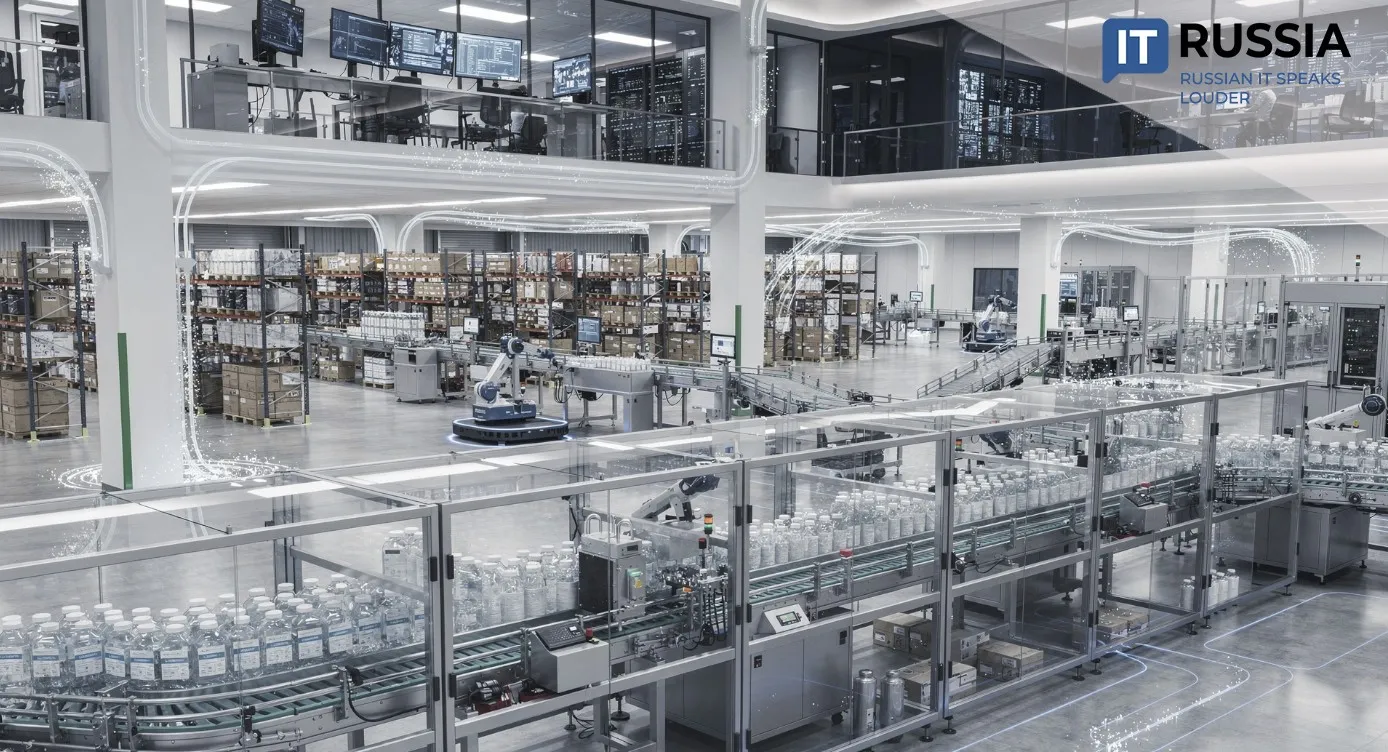
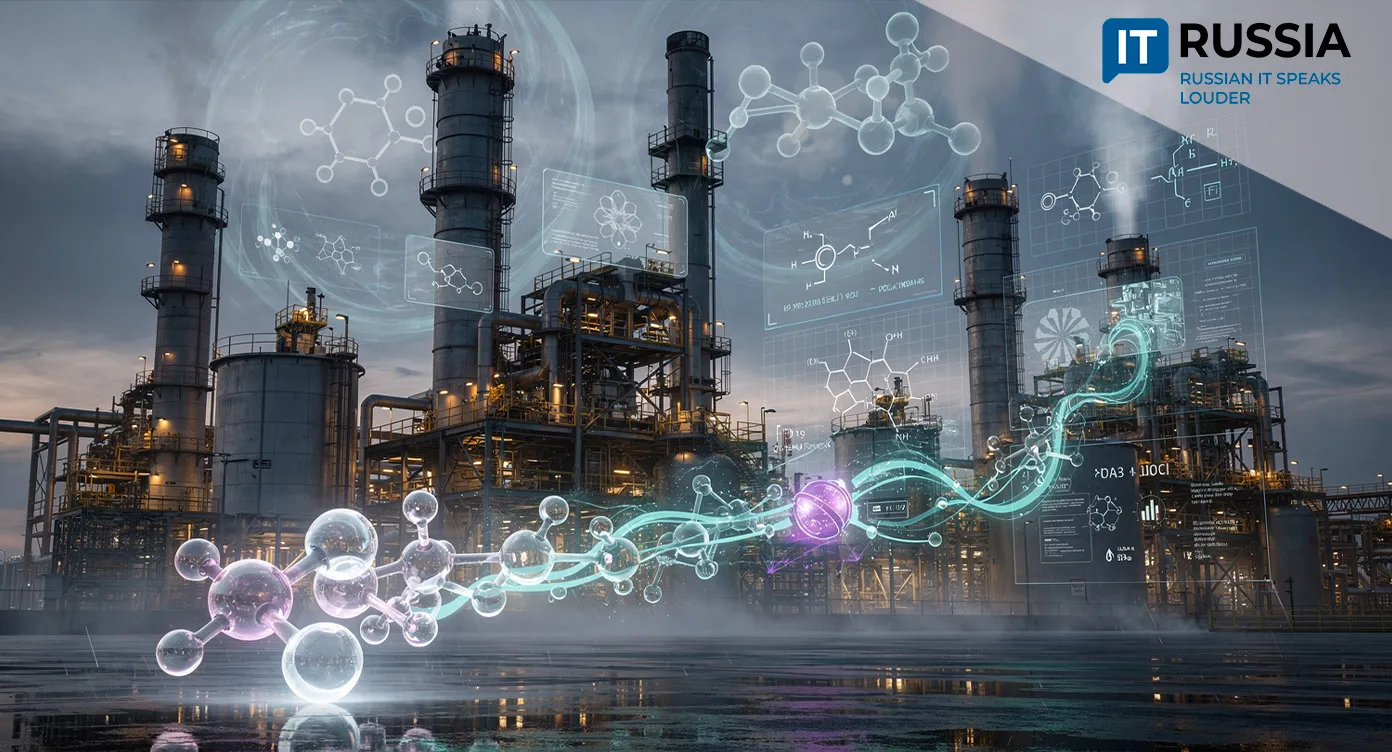
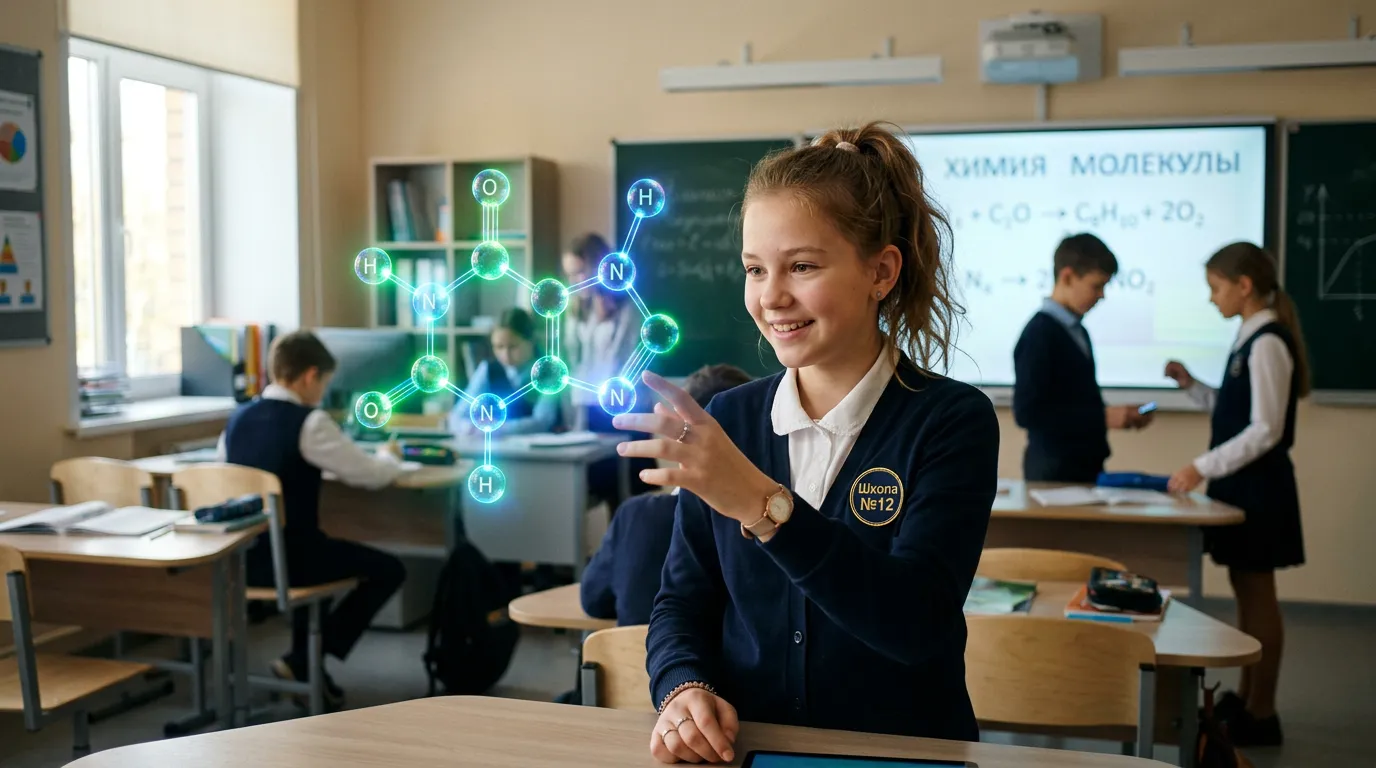
Chemistry has traditionally been considered a challenging subject. Many of its key objects, including molecular structures, chemical reactions and industrial processes, cannot be observed directly. In this project, artificial intelligence is designed to visualize processes that are impossible to see with the naked eye. AI can realistically recreate the structure of substances, show an experiment in close-up and clearly demonstrate how a formula learned in school becomes a technological process on the production floor. All of this can make the subject more engaging. That, according to Danil Rasskazov, managing director for organizational development at SIBUR, is precisely the project’s goal:
“A child’s first encounter with a subject can largely determine whether they see live science and real opportunities for their future behind the formulas. Our task is to show that path as early as possible in a communication format familiar to Generation Alpha: from the classroom to specialized education, hands-on experience and, eventually, work at a modern manufacturing facility or research center.”
The course is designed as a versatile tool. Teachers can use individual segments in class to explain complex topics, students can return to the material at home while completing assignments, and parents can use it as an additional resource to better understand what their child is learning.
Infrastructure, Talent and Content
The path to launching the first AI video course in chemistry took several years, with each stage addressing a different need. In 2022, the priority was to build the infrastructure for digital education itself. As schools shifted to remote learning, online services began moving beyond simply posting texts and files. That was when the Moya shkola (My School) system emerged, designed as the foundation for a future digital learning environment. As it developed, more than 1.5 million school and vocational school students gained free access to online courses.
In 2025, the focus shifted to teacher training. Experience showed that even the most advanced infrastructure cannot work effectively without teachers who know how to use it. The Ministry of Education launched training programs to help educators work with AI tools. More than 7,000 computer science teachers completed the training.
By 2026, unified educational programs in physics, chemistry and biology had been approved, while universal textbooks were next in line. Education Minister Sergey Kravtsov described the changes this way: “Together with the Russian Academy of Sciences and the Moscow Institute of Physics and Technology, we are developing unified state textbooks for basic and advanced physics. The key point is that they will be coordinated with mathematics, chemistry, biology and other subjects and will reflect the latest achievements in science and technology.” High-quality new content has now been complemented by the new chemistry project.
Reviewed by Prosveshchenie
Behind the project’s technology is substantial educational work. A core requirement was rigorous methodological review. The course was developed by people with recognized expertise in teaching chemistry, including Moscow’s Olympiad team coach Vasily Krasnobrov and Yekaterina Chugunova, a participant in the prestigious Teacher of the Year of Russia 2025 competition. Every script and every visualization is edited and reviewed by the Prosveshchenie publishing house.
The course is designed as a digital supplement to the school curriculum. It follows the Federal Work Program in Chemistry and the requirements of the FGOS (Federal State Educational Standards). The next step is to submit the course for expert review so it can be considered for inclusion in the federal list of electronic educational resources.
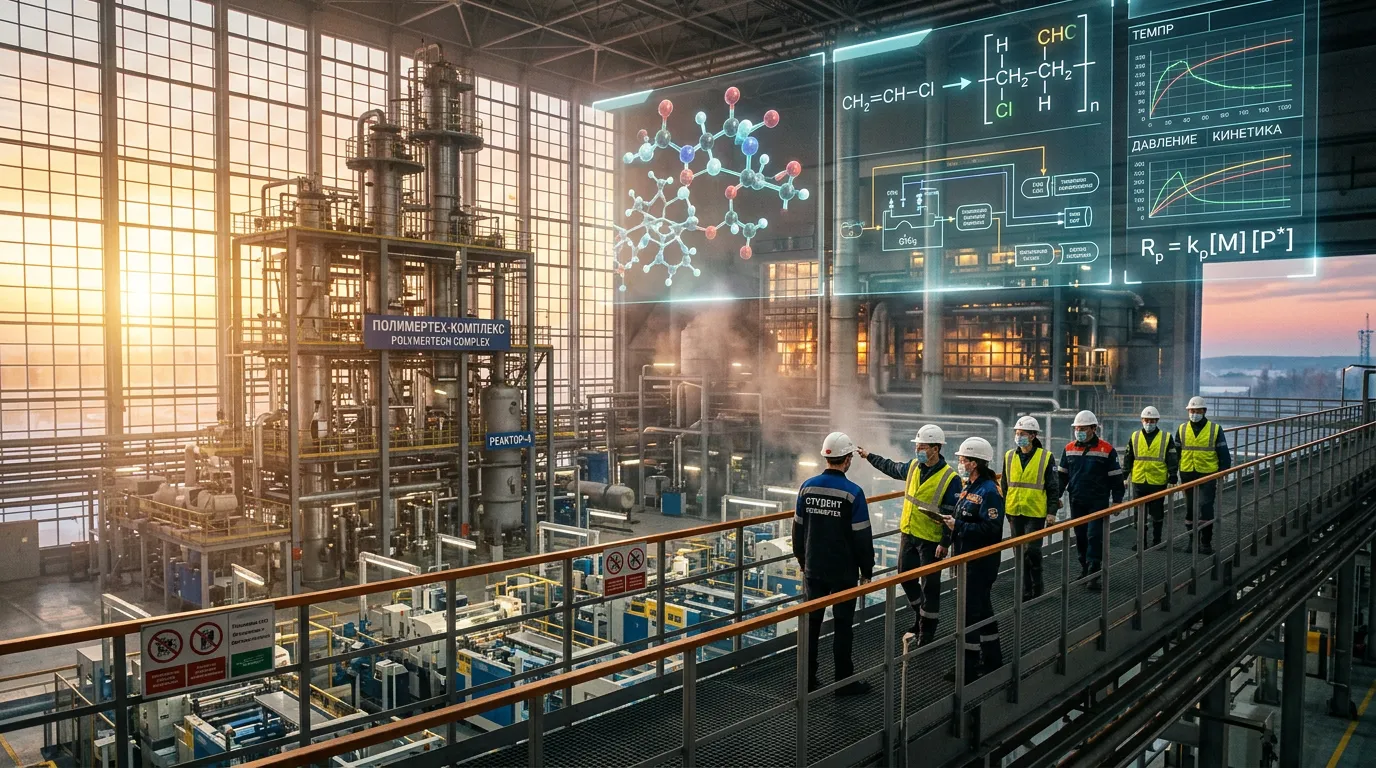
For a generation raised on video and visual media, this format is more than a convenience. It is a language through which science can speak to students on their own terms. Chemistry becomes visible. And that can make it easier to understand, more engaging and, ultimately, more relevant to students themselves.