Moscow Advances Toward Autonomous Public Transit
Autonomous trams are undergoing extensive testing on Moscow's streets. The test vehicles are collecting data to build high-precision digital maps, laying the groundwork for fully autonomous operations in one of the world's busiest urban transit environments.

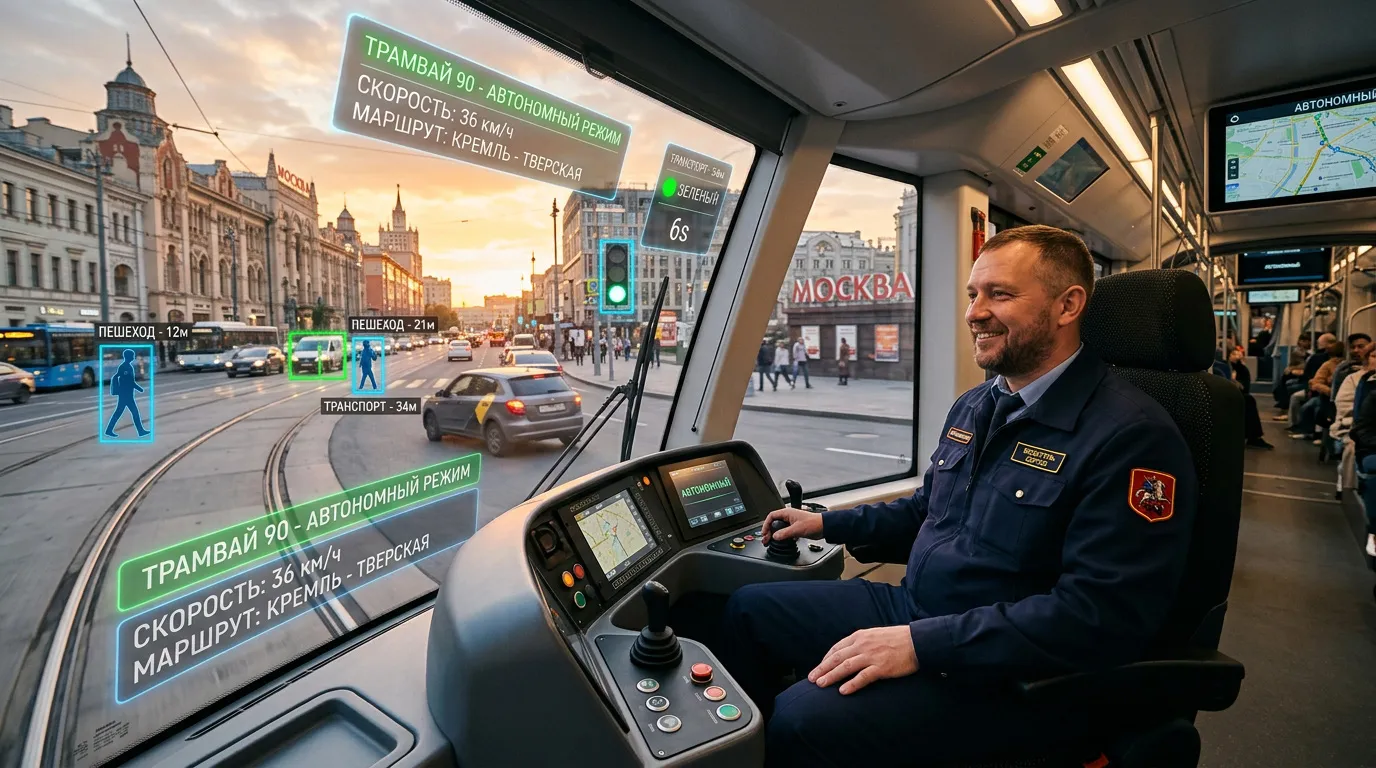
Driverless tram laboratories have expanded to all 11 routes of Moscow's Krasnopresnenskaya tram network. The vehicles currently operate without passengers and remain under the control of onboard drivers while their sensor systems collect data on tracks, stops, traffic signals and switch points. The objective is to create high-precision digital maps that will support the launch of autonomous tram operations.
The initiative has significance beyond a single transit project. It encompasses the digital transformation of rolling stock, track infrastructure, dispatch operations and safety management. For Russia's IT sector, the program is creating demand for computer vision, artificial intelligence, lidar, high-precision positioning and cybersecurity technologies. For passengers, it promises more reliable service and closer adherence to schedules while reducing delays caused by human error.

Prospects for the Technology in Russia and Abroad
By 2030, Moscow authorities plan to equip roughly two-thirds of the city's tram fleet with autonomous driving technology. Achieving that goal will require extensive infrastructure upgrades, including the digitalisation of switches and traffic signals, more accurate navigation, expanded communications networks and enhanced remote monitoring centers.
Once the technology has demonstrated its safety, it could be introduced in St. Petersburg, Kazan, Yekaterinburg and other cities with tram networks. A unified regulatory framework remains the key prerequisite. In 2024, Moscow and St. Petersburg launched a three-year experimental legal framework for testing autonomous trams. The program provides for a phased transition from operations with a test driver onboard to fully autonomous passenger service.
The technology also has export potential, although domestic deployment remains the primary focus. Russia could offer international customers a complete package ranging from autonomous driving systems to operator training. The most promising markets include the CIS, Asia, the Middle East and Africa. Success abroad, however, will depend on building a long-term record of safe operation and ensuring compatibility with different infrastructure standards. Competition is already strong, with Siemens developing an autonomous tram in Germany and Chinese companies advancing both rail-based and trackless autonomous transit systems.
From Driver Assistance to Full Autonomy
The path toward autonomous trams began with advanced driver assistance systems. Between 2022 and 2024, St. Petersburg introduced computer vision technologies that monitored operating conditions and could automatically apply the brakes when obstacles were detected.
In May 2024, Moscow began testing the Lvyonok-Moskva (Lion Cub Moscow) autonomous tram. Two months later, the Russian government introduced an experimental legal framework for autonomous tram testing in Moscow and St. Petersburg. A major milestone followed in September 2025, when the first fully autonomous tram began carrying passengers on Route No. 10 in the Strogino district. By May 2026, autonomous trams had completed more than 3,000 trips and transported over 100,000 passengers without a single traffic rules violation.
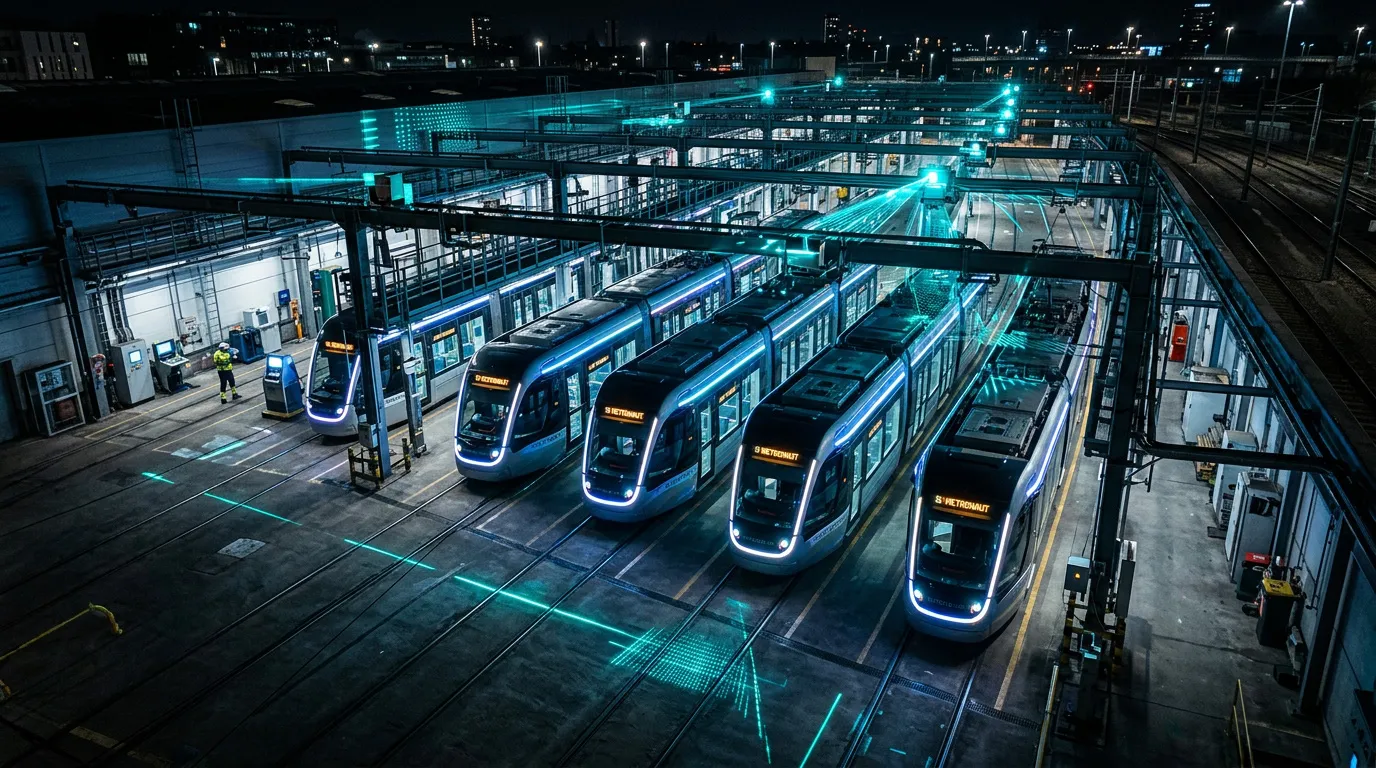
International development is also moving forward. In 2021, Siemens and Potsdam's public transport operator demonstrated autonomous tram movements within a depot, using the technology to automate shunting operations and maintenance procedures.
A Course Toward Digital Modernization
The expansion of tram laboratories to every route in the Krasnopresnenskaya network marks an important milestone. It is creating the digital foundation needed to scale the technology through high-precision maps, large operational datasets and algorithms trained for different sections of the network.
In the short term, Moscow plans to expand its autonomous tram fleet to 15 vehicles while introducing autonomous operation route by route after each corridor has been validated. Over the medium term, the technology could be extended to additional tram models and other parts of the city. Meanwhile, the supporting remote monitoring infrastructure will continue to expand.
For Russia, the project represents a major real-world deployment of artificial intelligence and navigation technologies. Successful operation will help move autonomous public transportation from experimental trials to large-scale deployment, positioning Moscow as one of the world's leading centers for autonomous urban electric transit.