Podgornov’s Theorem: A Teen From Volgodonsk Builds a Geometry App That Teaches, Not Cheats
Maxim Podgornov started coding at age eight with Scratch. At 17, he is training neural networks and earning awards from the Academy of Young Researchers. His latest project aims to decode geometry for classmates by turning AI from an answer machine into a real tutor.
A Digital Pythagoras
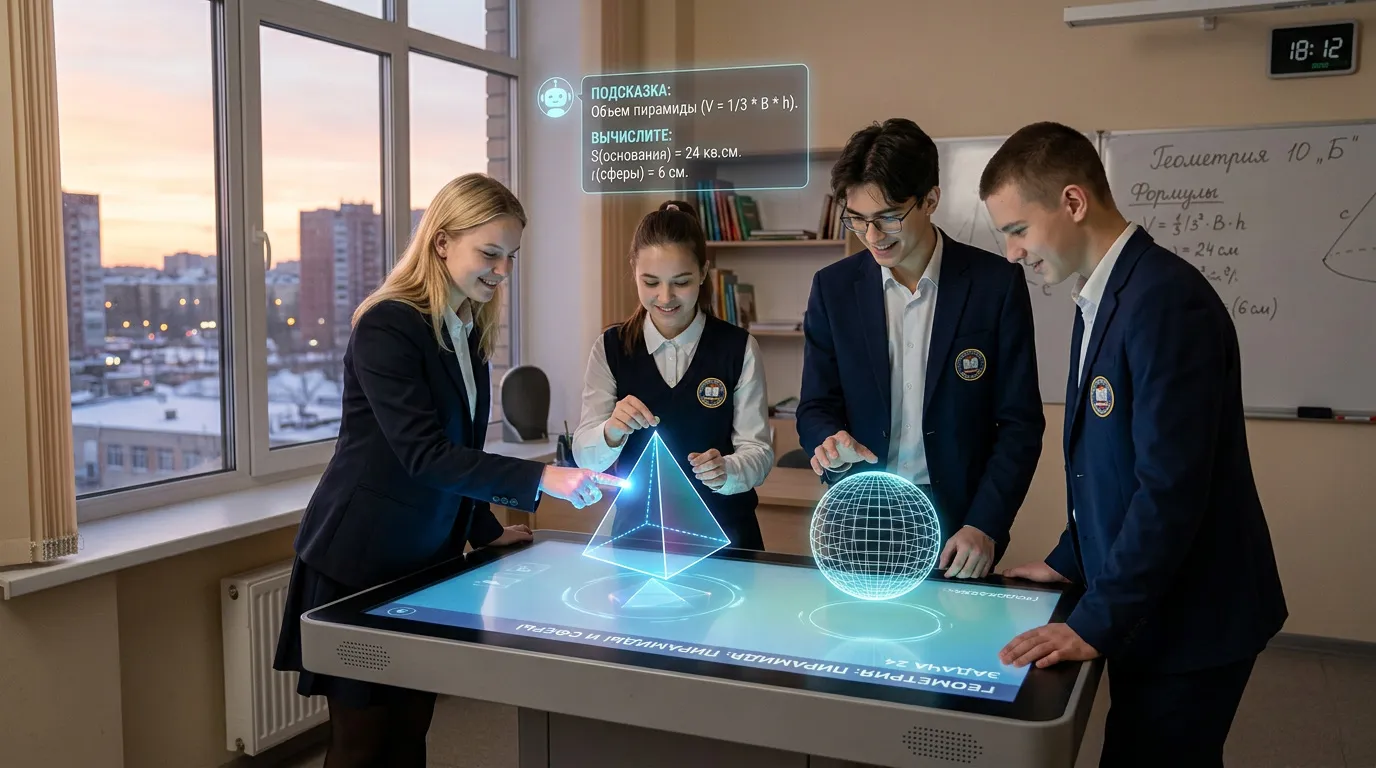
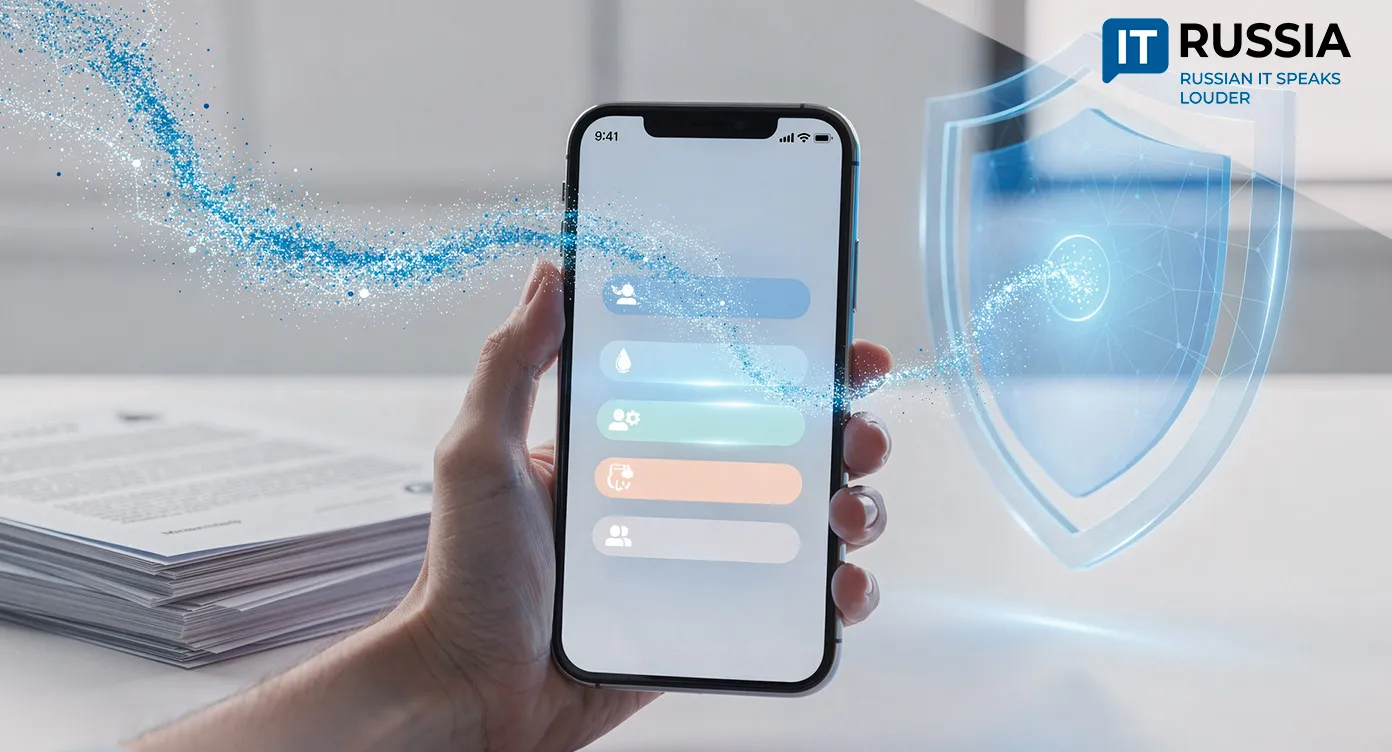
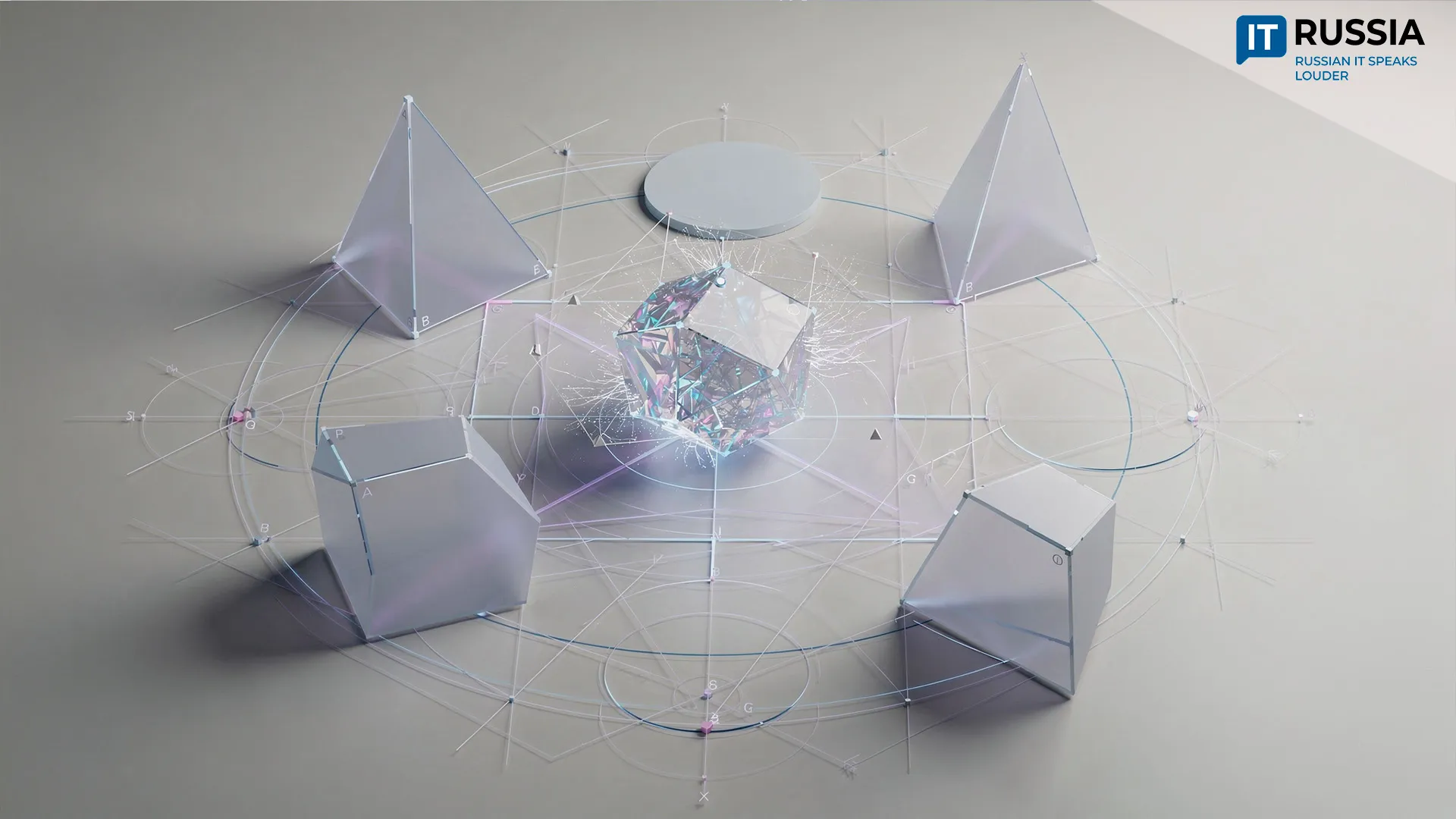
Maxim Podgornov, a high school student from the Rostov region, single-handedly built a web application that tackles a challenge many well-funded EdTech giants still struggle with. Instead of letting AI generate ready-made answers, his app is designed to teach geometry step by step. “I am against simply copying solutions when a person does not even try to understand the reasoning,” Podgornov says.
At a time when answer banks and automated solvers allow students to paste in a problem and receive a complete solution instantly, the teen from Volgodonsk chose a different path. The core principle of his project is simple – no shortcuts. In problem-solving mode, the app tracks each step a student takes, records mistakes and offers directional hints rather than final answers.
Podgornov built the system in just over three months. First, he created his own mathematical core, a custom engine that governs the logic of geometric constructions and solution verification. Instead of relying on off-the-shelf libraries, he encoded the rules of geometry directly into the system.
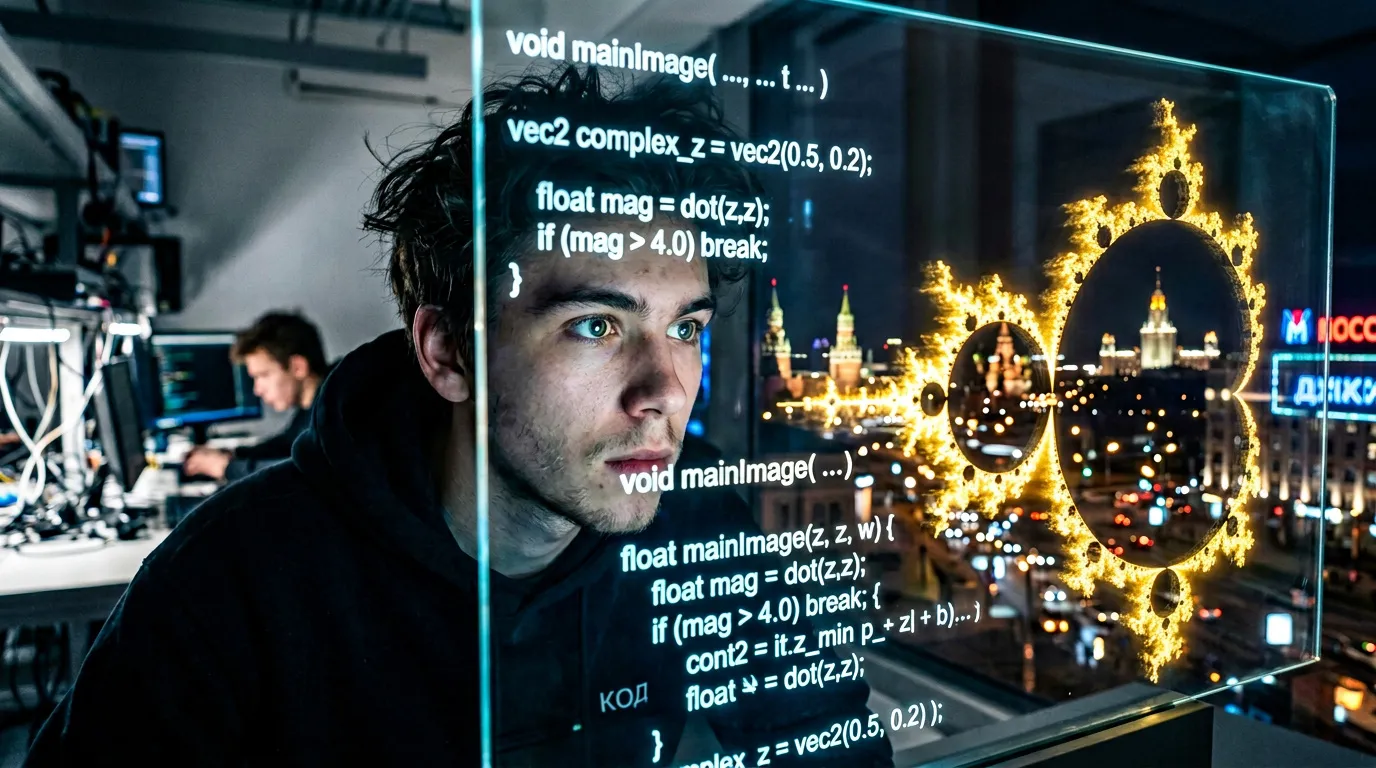
Second came AI integration. Podgornov connected an external AI service through an interface and fine-tuned it to align with the Russian school curriculum. The neural network now generates structured solution plans grounded in specific theorems and axioms.
Third, he designed the interface. Built with CSS and powered by DOM elements for geometric constructions, the app runs smoothly across devices – from high-performance gaming PCs to older smartphones. That accessibility lowers the hardware barrier for students who may not have access to premium devices.
A Window of Opportunity
The Volgodonsk project is a grassroots technology initiative rather than a venture-backed startup. It reflects personal curiosity paired with engineering discipline. For Russia, it signals a generation that wants to build tools instead of passively consuming content. For students, it offers a tangible example of peer-driven innovation – if one teenager can build it, others can too. Most importantly, projects like this help reduce digital inequality. A student in a remote settlement can open a browser and access a service that rivals the quality of metropolitan tutoring. The app is available at no cost.
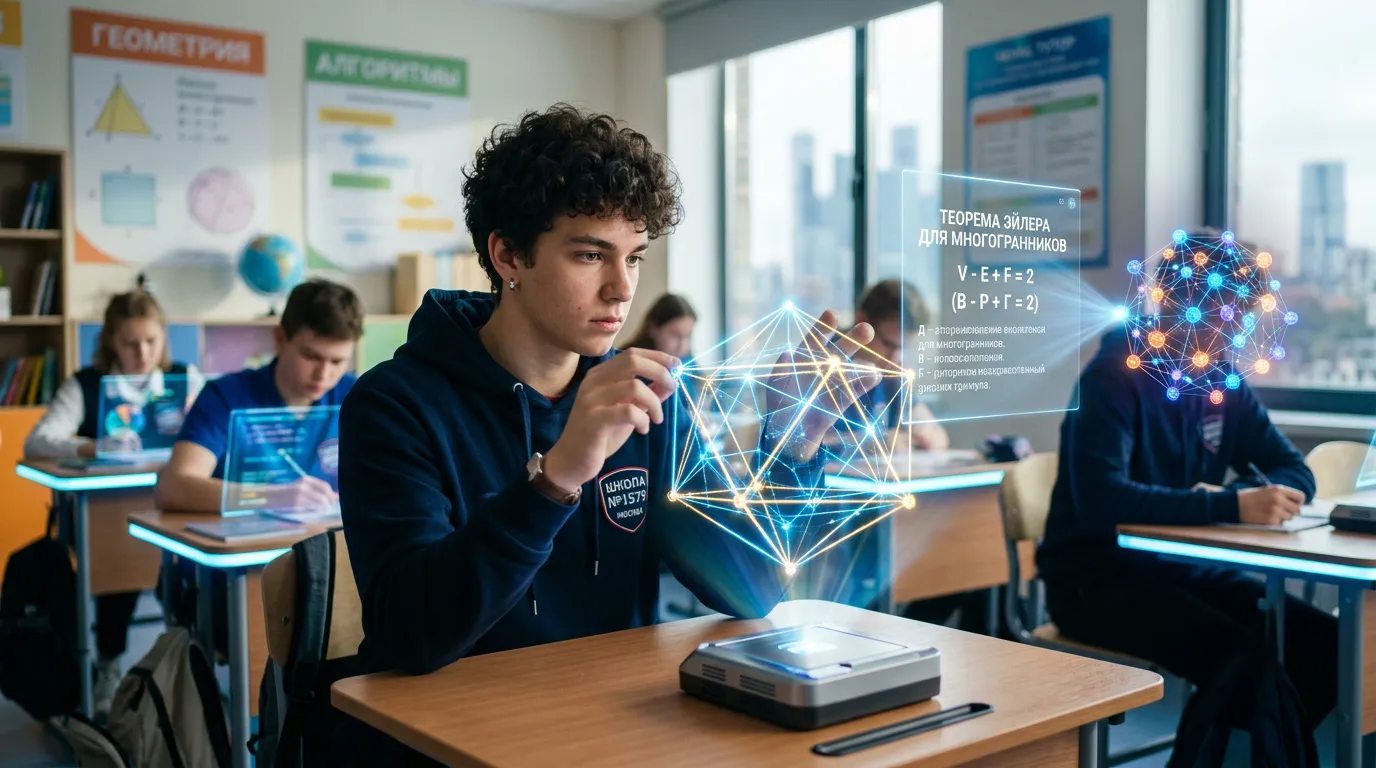
Geometry is not Podgornov’s first release. A year earlier, he developed a Russian language web application that consolidated theory for the OGE and EGE standardized exams as well as the final essay requirement. The idea came from personal frustration with fragmented online resources. Identifying a problem and solving it through code is a hallmark of strong programming practice. Podgornov envisions a future in nuclear physics but remains open to a career in IT. For now, his geometry platform stands out at the regional Academy of Young Researchers conference, where he previously presented a game titled Physics Made Simple and a neural learning environment for university students.
One Student vs. the Giants
Global and Russian EdTech companies have spent years searching for the formula of the ideal digital teacher powered by AI. The question is who drives the trend. On one side are technology companies with multimillion-dollar budgets. The Russian platform Yaklass automated assignment grading long ago, adapting tasks to student performance. It operates as a large-scale assessment engine, though it often lacks in-depth explanatory guidance. Umskul introduced AI-based teacher support to reduce routine workloads, but AI there still functions as an assistant rather than an independent instructor.
Internationally, Khan Academy is experimenting with ChatGPT integration to explain complex subjects. Language learning platform Duolingo launched Duolingo Max, a premium tier that includes an AI assistant explaining why answers are incorrect. Google’s Socratic allows students to point a camera at a problem and receive a detailed breakdown.


What can a high school student offer against that backdrop. A different architectural approach. Many large players build layers on top of existing large language models, focusing on tone and usability. Podgornov went deeper by creating his own mathematical core, ensuring that AI operates within a structured logic framework rather than relying solely on probabilistic text generation.
The Volgodonsk Case
What comes next for the project. Podgornov is likely to expand the app’s functionality. IT media outlets and schools may take interest. The platform could evolve into a full-fledged startup. Russia is actively developing state-backed educational platforms, making integration a plausible scenario. A proprietary mathematical engine paired with a “fair” AI tutor could attract attention from major institutions and companies.
For now, the Volgodonsk initiative remains local but highly illustrative. It demonstrates that building a high-quality educational product does not require a Moscow headquarters or billion-dollar investment. In that sense, Maxim Podgornov has already contributed meaningfully to Russian education. The next question is whether experts and investors recognize the potential of his startup.