Robots From the Regions: Russian Students Impress at the MakeX World Finals in China
Teams from regional Russia earned top honors at the MakeX World Finals in China, highlighting how hands-on STEM education and robotics programs are opening global opportunities for school students far beyond major cities.
Gold in China: A Test on the Global Stage
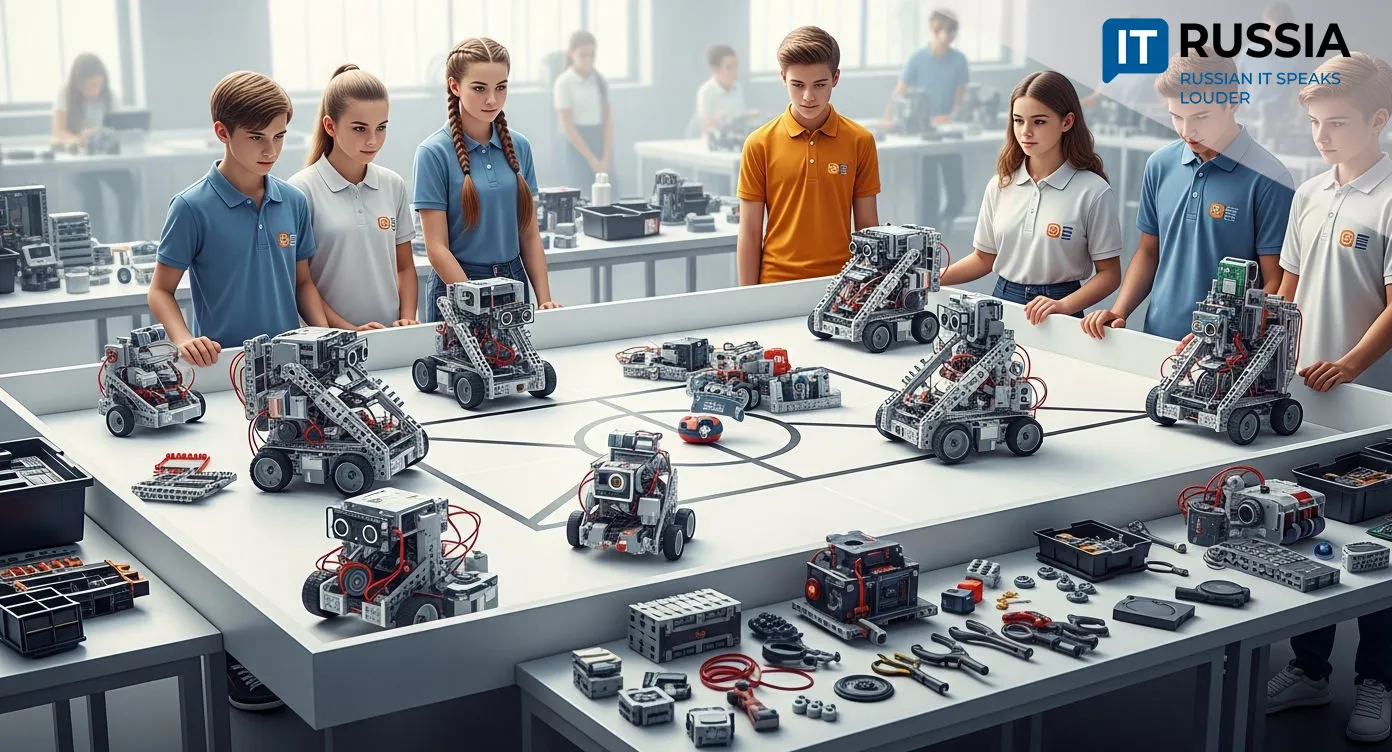
The international MakeX Finals, held as part of the World Robot Contest Finals in China from January 6 to 8, became a serious test for Russian school students. The competition brought together 77 teams from countries around the world, along with more than 250 teams representing China. Russia was represented by just four teams from the Kirov region and the Samara region.
Despite the small delegation, Russian teams secured top positions in multiple categories, competing against strong opponents from Asia and Latin America. The standout result was a gold medal for the Vyatichi team from the Quantorium technology park in Kirov.
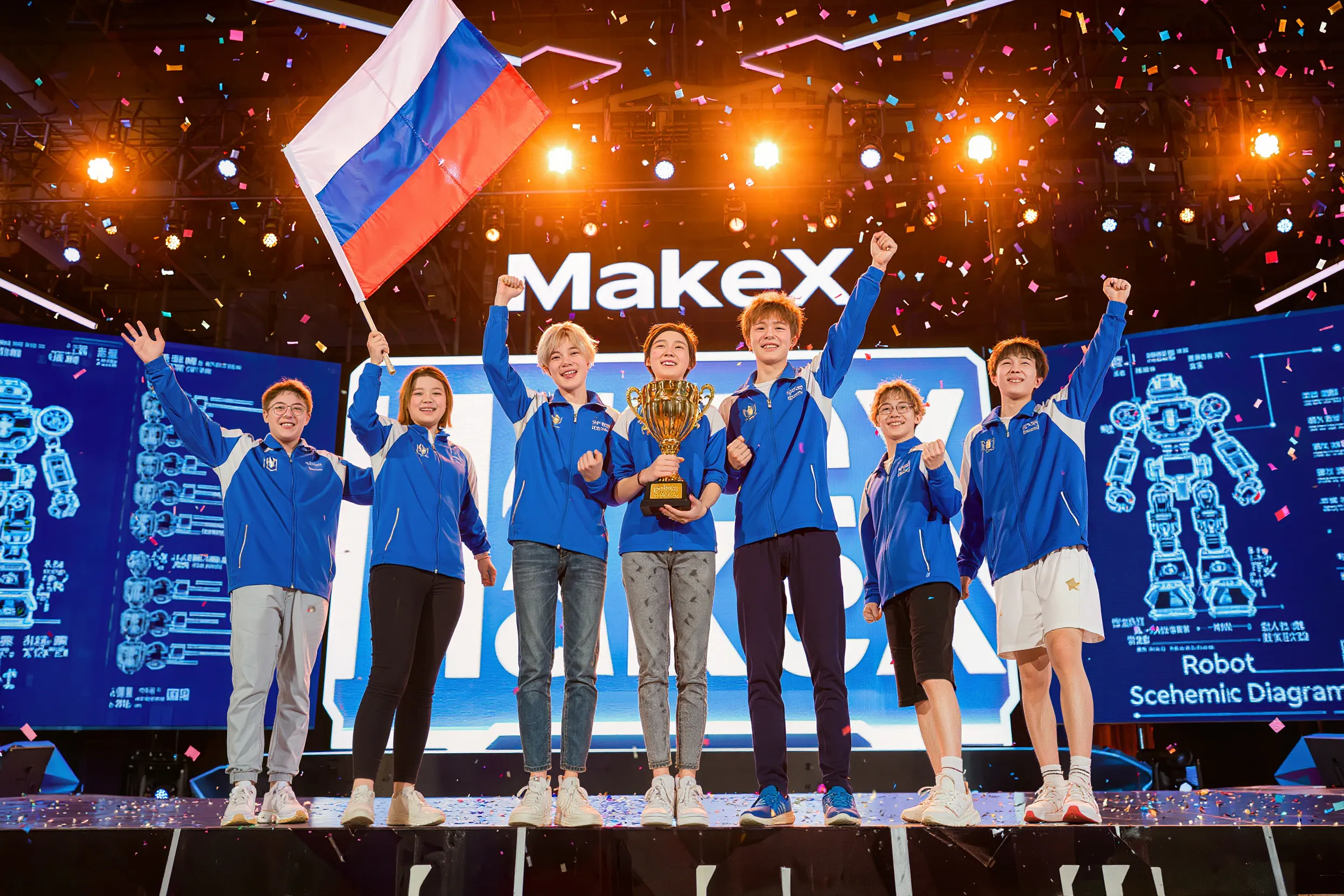
The team, made up of Maksim Elizarov and Roman Chekh and coached by Maria Votintseva, delivered the most precise and consistent performance to take first place in the Starter category. Competing as part of an international alliance with a team from Thailand, the students completed all assigned tasks in 2 minutes and 48 seconds, well below the four-minute time limit. This combination of speed and accuracy made them the absolute winners in their division.
Russia’s success was further reinforced by a bronze medal in the MakeX Explorer category. The Russian alliance included the KOMA team from Lyceum of Information Technologies No. 28 in Kirov and the Chebubots team from the Yuzhny Gorod Educational Center in the Samara region. Their result demonstrated not only technical proficiency but also the importance of communication and coordination in team-based engineering challenges.
From Local Tech Parks to World Finals
MakeX has evolved far beyond a typical school robotics competition. It is a multi-level international platform designed to test engineering thinking, programming skills, and the ability to perform under intense competitive pressure. Russian teams faced some of the world’s strongest student robotics programs and showed that they can operate on par with peers from leading global education systems.
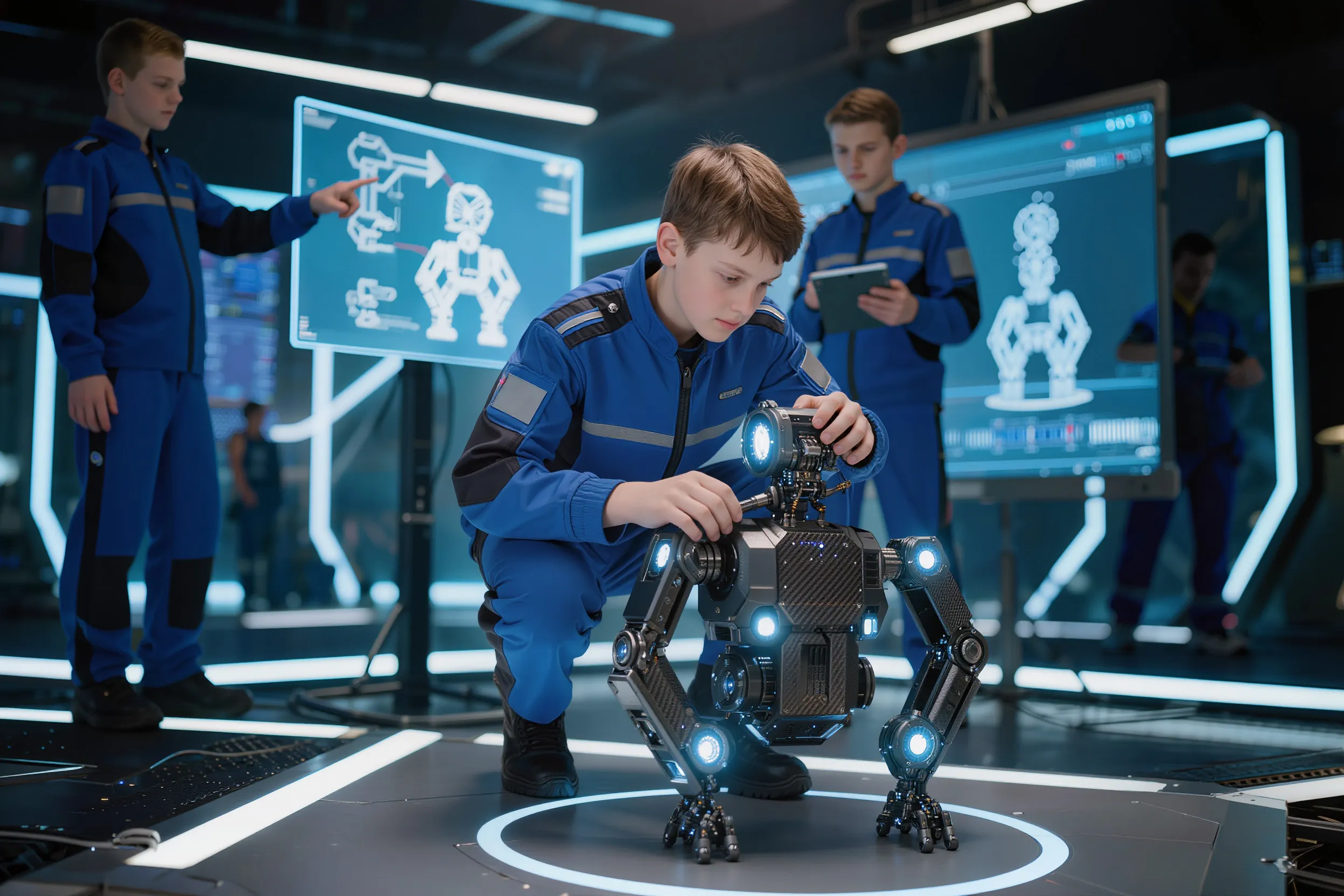
For Russia, these results confirm the competitiveness of its STEM education pathway, particularly in applied technologies such as robotics. For students and their families, the competition offers a tangible example of how engineering education can unlock international opportunities at an early age. For regional education systems, it strengthens the argument for investing in STEM programs outside major metropolitan centers.
Educators note that such experiences significantly increase student motivation and long-term interest in engineering and IT disciplines, helping schools connect classroom learning with real-world technological challenges.

Building Momentum in STEM Education
Over the past five years, the success of Russian students and youth teams in technical competitions has become a clear trend. In 2021, Russian participants earned three gold medals at a youth world programming championship, highlighting strong foundations in computer science. In 2023, the High Technologies Championship demonstrated that team-based engineering formats can also deliver strong results. In 2024, students from Novosibirsk received TechnoGTO gold badges at the Study Siberia education forum, reflecting growing interest in practical technical skills.
The gold and bronze medals at MakeX in China at the start of 2026 logically extend this trajectory. Individual victories are increasingly turning into systemic outcomes, supported by technology parks like Quantorium and specialized schools focused on robotics and IT.
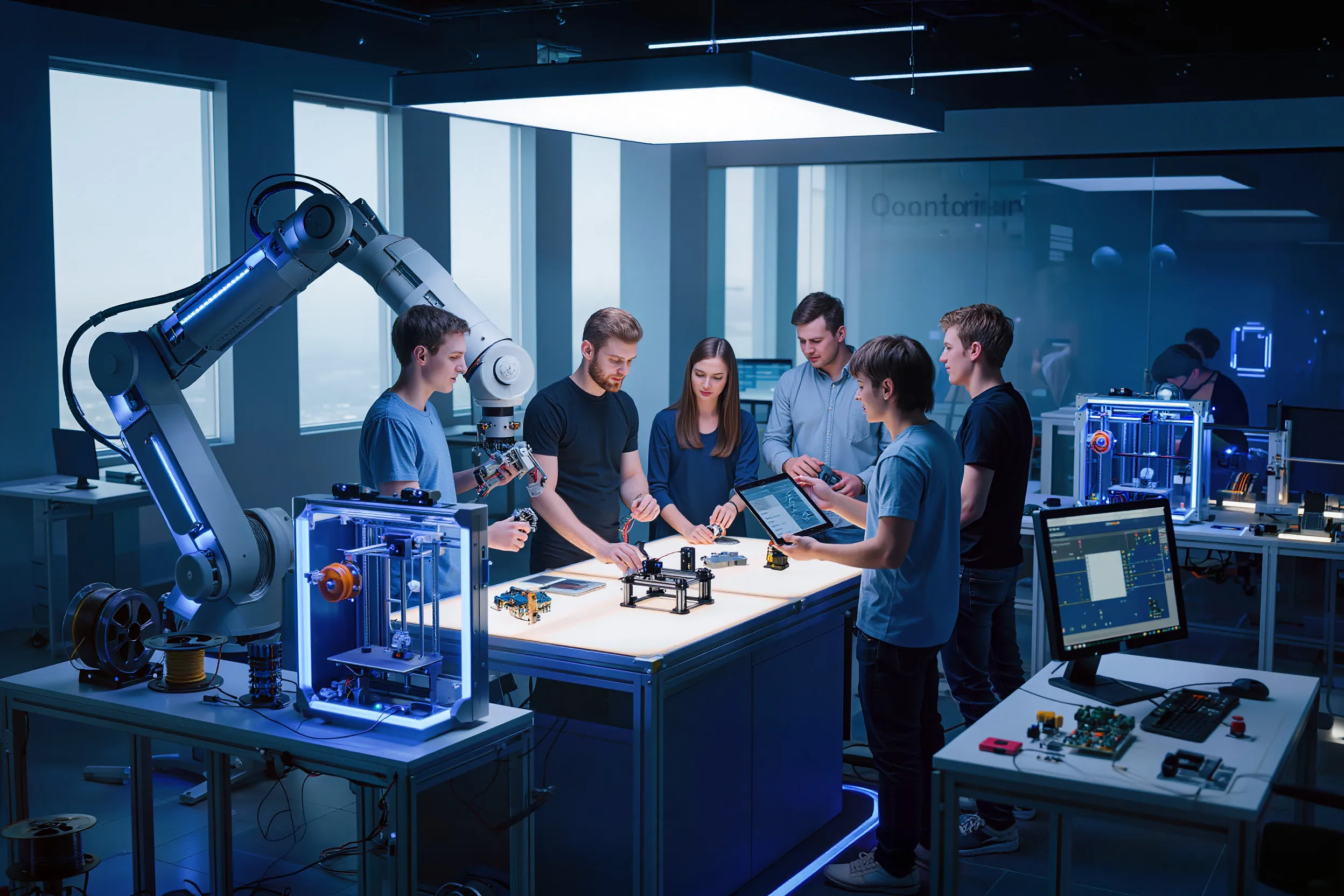
Success at MakeX is also fueling interest in Russian approaches to preparing students for international competitions. The experience gained through these programs is helping build a talent pipeline of students with early exposure to global standards, preparing them for future studies and careers in robotics, automation, and information technology.