Show Your Theater Discount in a Chat App: Russia Moves Cultural Benefits Into a Super-App
Visitors to Russian theaters and museums can now verify their eligibility for discounted tickets directly through the Max messenger app, replacing paper IDs with a dynamic QR code. Students and pensioners simply show their phone at the ticket counter.
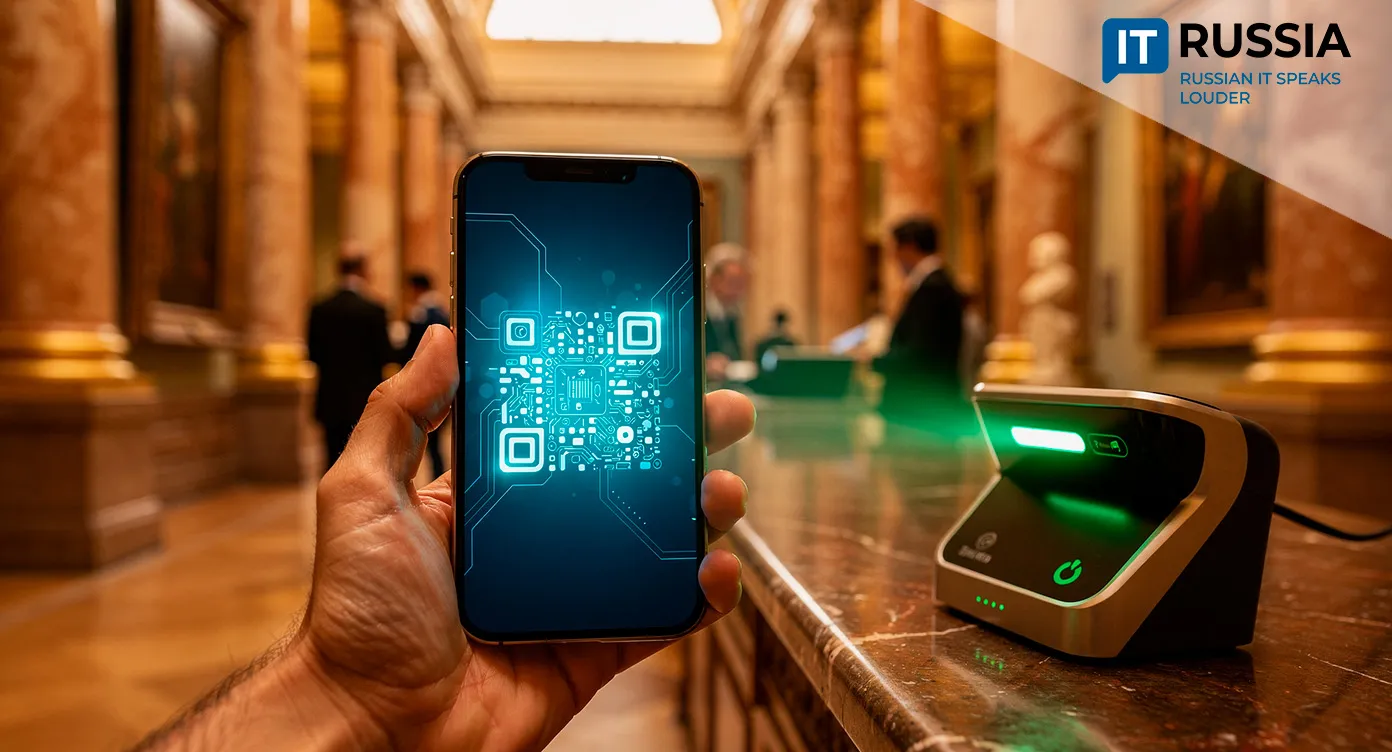
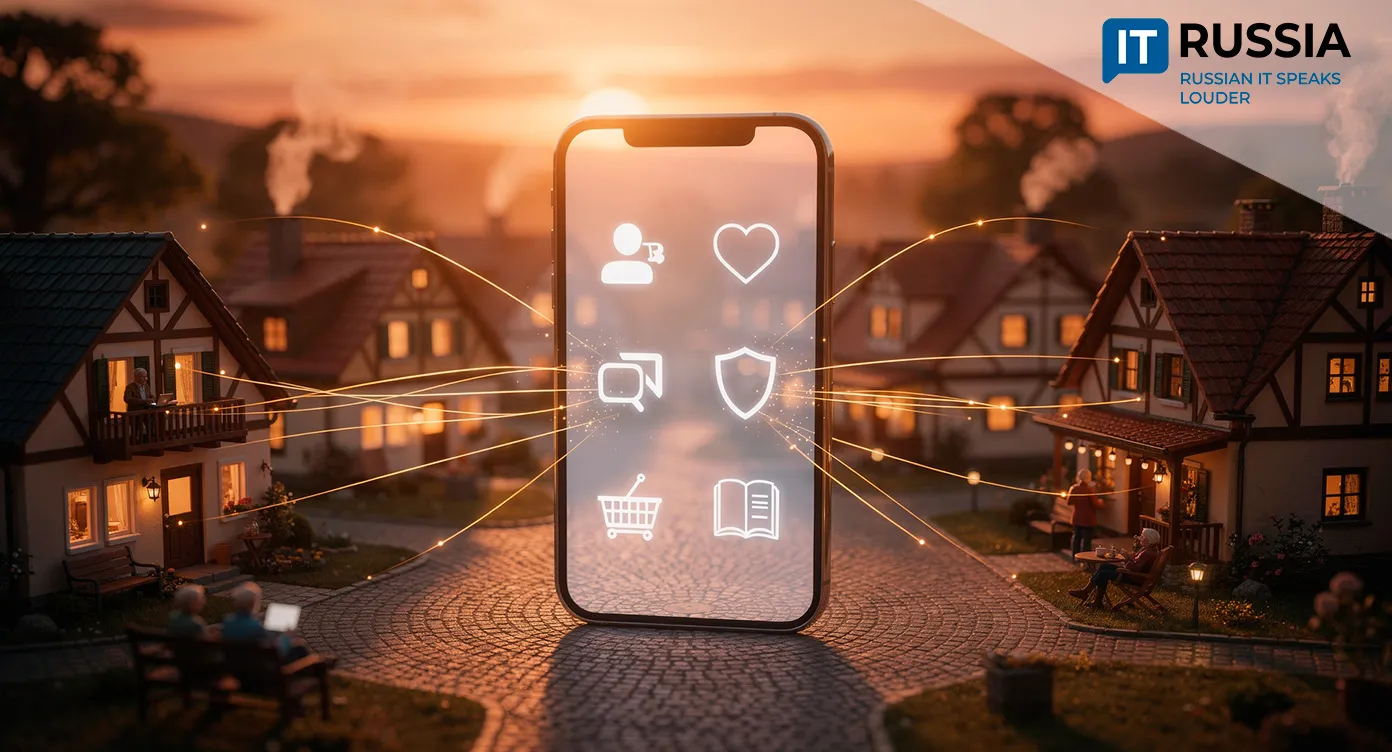
Since February 2026, visitors to hundreds of museums and theaters across Russia have been able to confirm their right to discounted admission through the Max messenger. Students, pensioners, large families and people with disabilities can open the “Digital ID” section in the app and present a generated QR code to box office staff. A scanner reads it in seconds, and the ticket is issued with the appropriate discount applied.
The mechanism was first launched in pilot mode in cultural institutions in Moscow, St. Petersburg, Tatarstan, Krasnodar Krai, and the Sverdlovsk and Nizhny Novgorod regions. Participants include the State Tretyakov Gallery, the Pushkin State Museum of Fine Arts, the Russian Museum and the Peterhof Museum-Reserve. Some of the country’s largest museums are effectively testing a shift toward fully digital visitor services.
How the Digital ID Works
The Digital ID inside Max is fully integrated with government registries, including the pension fund database, student enrollment records and the registry of large families. On first use, a user completes verification through the Gosuslugi public services portal or via biometric authentication. After that, the app automatically checks eligibility for a given benefit category.
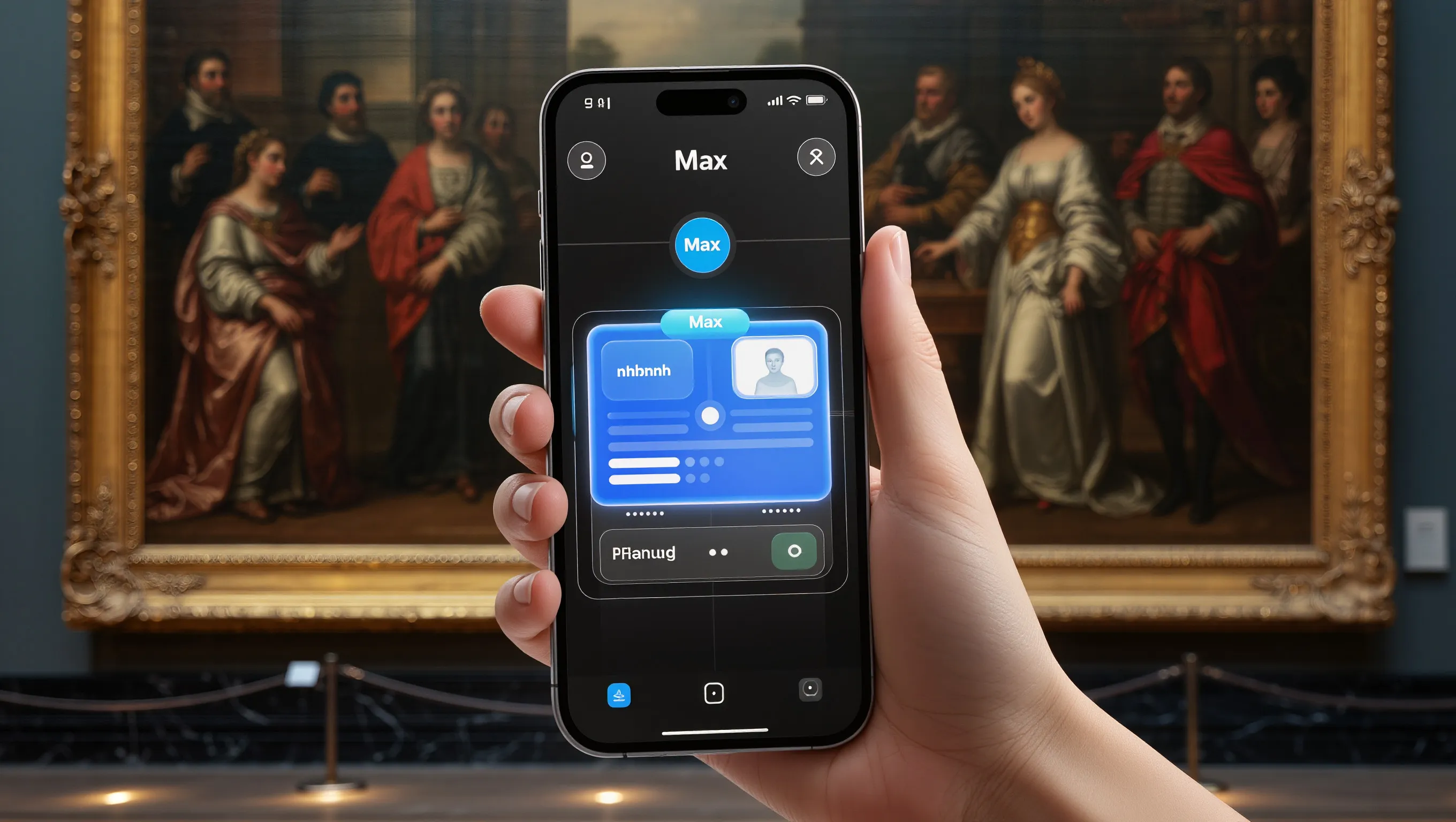
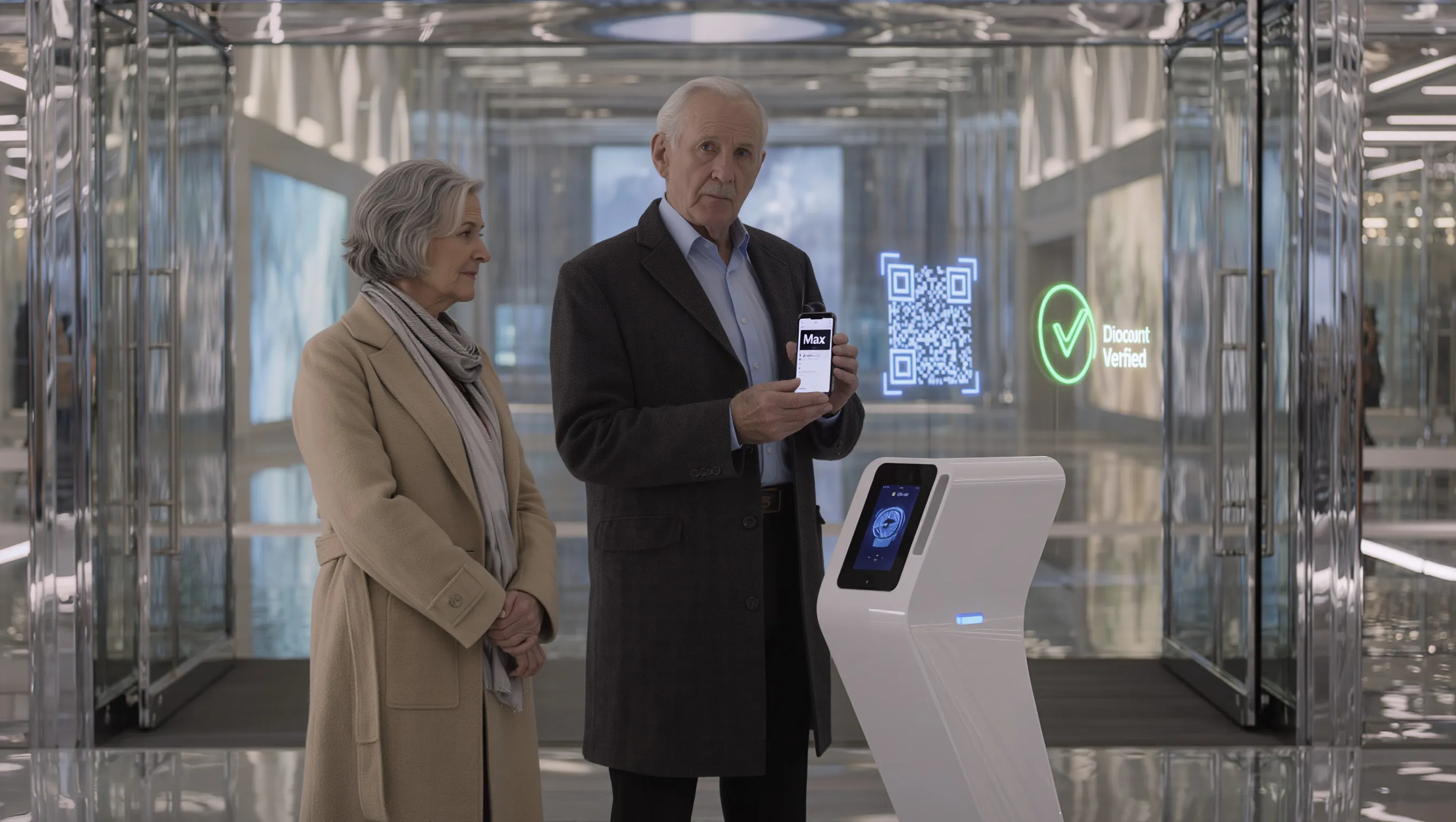
For cashiers, the process is equally streamlined. The visitor presents a QR code, the scanner reads it and the system confirms the status almost instantly. The entire transaction takes five to seven seconds – typically faster than inspecting a physical student card or pension certificate.


From Retail to Museums
The Digital ID was designed as a universal identity verification tool. Since autumn 2025, it has been used to confirm age when purchasing alcohol and tobacco in chain retail stores. In its first months of operation, the system conducted more than one million checks across 70,000 retail outlets. Now the same infrastructure is expanding into the cultural sector.

The Max messenger is installed on 89 million smartphones in Russia. Developed by VKontakte under a state contract, the platform is positioned as a Russian analogue to China’s WeChat – a super-app that combines messaging, payments, government services and digital documents in a single interface.
Security and Privacy
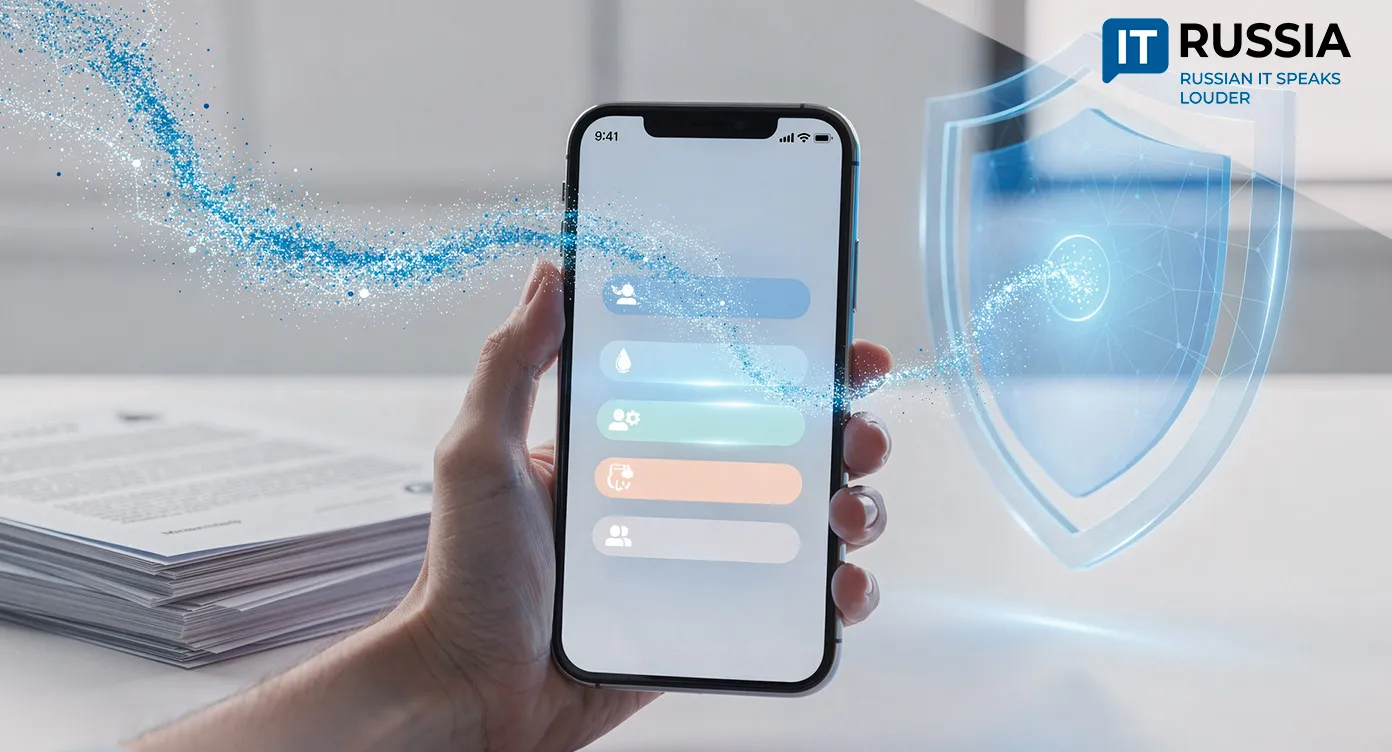
According to developers, the messenger system does not store personal data on third-party servers. When the QR code is scanned, the ticketing system receives only confirmation of eligibility status, without access to a user’s name, date of birth or other personal details. The QR code remains valid for just 30 seconds before refreshing automatically, reducing the risk of copying or misuse.
Users without smartphones can continue to present paper documents. The digital format is an option, not a requirement. The Ministry of Culture has emphasized that the transition to digital services should not create barriers for elderly visitors or people with limited mobility.
The Future of Digital Benefits
The cultural pilot is part of a broader state strategy to digitize social services. In 2026, authorities plan to expand the Digital ID’s functionality to include verification of public transportation discounts, medical appointment scheduling and access to subsidized prescription medications.
Max is already preinstalled on all new smartphones sold in Russia, laying the groundwork for a gradual shift from paper credentials to digital equivalents. For citizens, the system promises convenience. For the state, it increases transparency and oversight in the distribution of benefits.