ZARYA App Aims to Improve Early Detection of Dyslexia Risk in Children
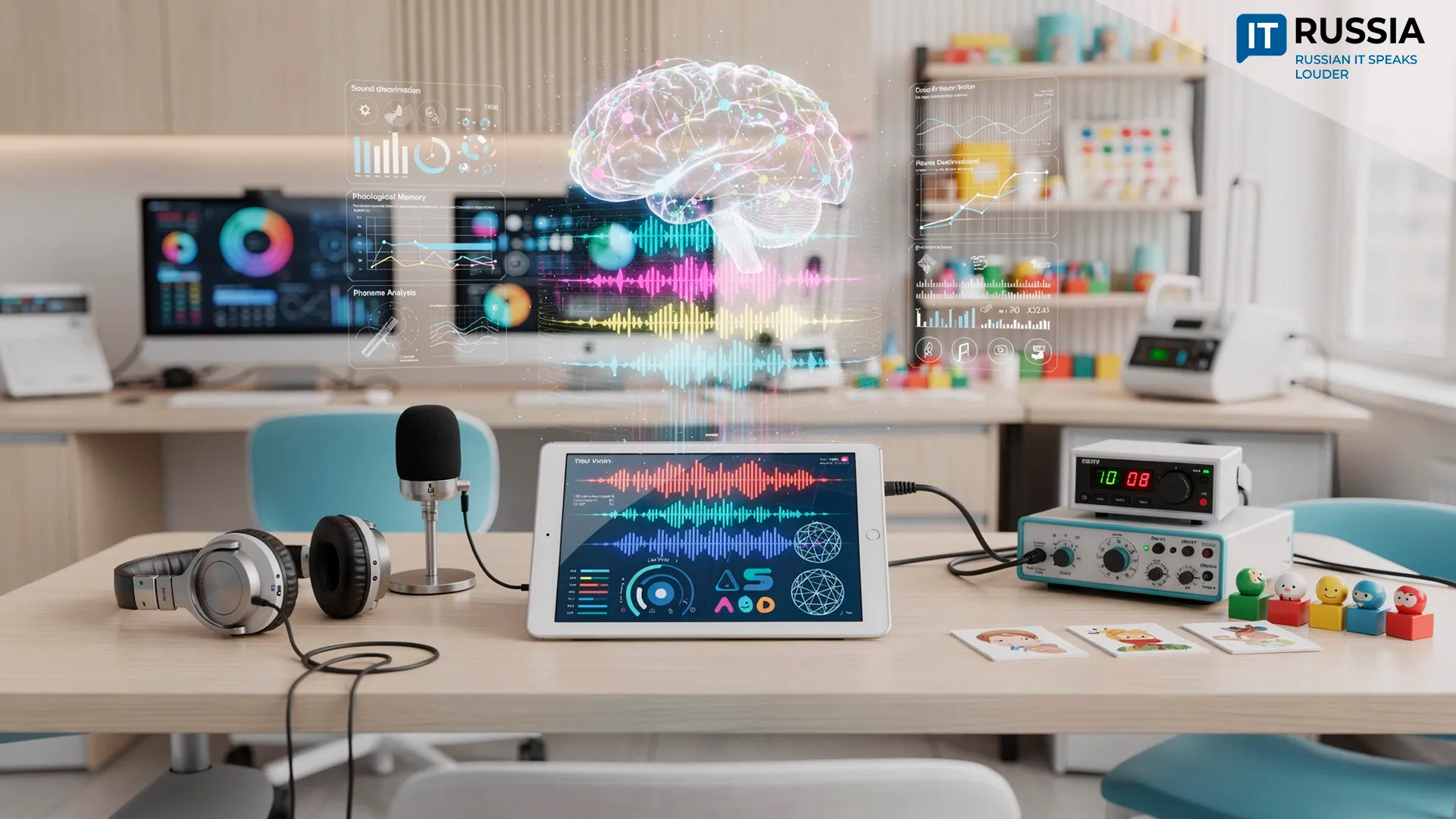
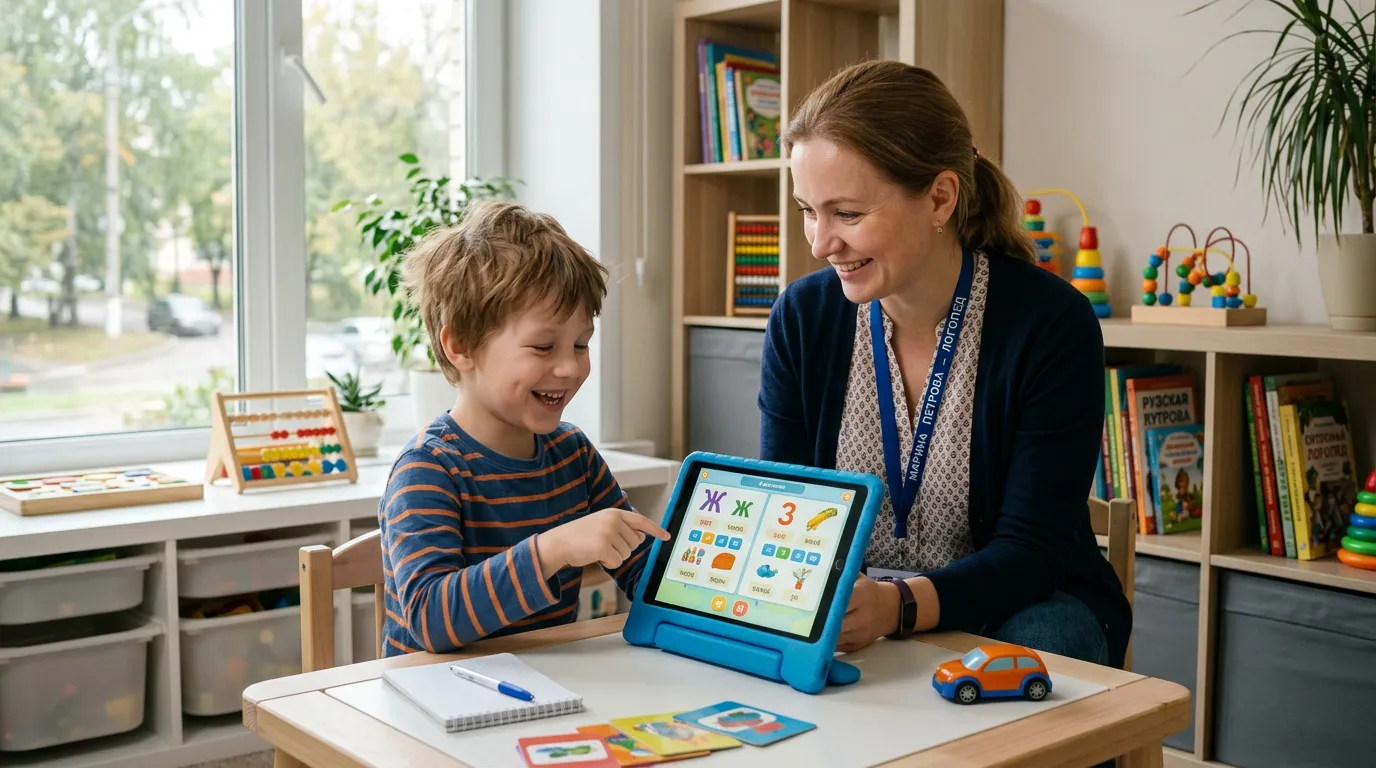
Researchers in Russia have developed a mobile application that helps identify speech-processing disorders in children. ZARYA assesses difficulties in sound discrimination, phonological working memory and phonemic awareness – the core functions whose impairment is associated with dyslexia and dysgraphia.
Dyslexia is one of the most common yet least understood developmental learning disorders affecting children. A child may be bright and motivated but still struggle to learn to read. Letters seem to blur together, words fail to form meaningful sentences and reading comprehension remains limited. The result is often persistent spelling errors and poor academic performance, even though intelligence, vision and hearing are entirely normal. The underlying cause lies elsewhere.
The answer lies in the brain's phonological processing system. When that mechanism functions atypically, reading and writing become significantly more difficult.
Researchers at the National Research University Higher School of Economics (Moscow) have developed the ZARYA – Zvukovoy analiz russkogo yazyka (Sound Analysis of the Russian Language) application to help identify these disorders at an early stage. It is the first standardized digital tool developed in Russia to assess phonological processing in children.
Earlier Detection, Better Outcomes
Phonological processing is the brain's ability to recognize, retain and manipulate speech sounds. It includes three core components: sound discrimination, retention of speech sounds in working memory and phonemic analysis, or the ability to break words into their individual sounds. When any of these functions is impaired, children may begin confusing letters, reversing their order or struggling to understand what they read.
In Russia, symptoms of dyslexia affect an estimated 10% to 15% of school-age children. The condition is not caused by lack of effort, laziness or inadequate instruction. Instead, the brain processes language differently. In some cases, other brain regions compensate for these differences, producing the characteristic reading and writing errors. A child may be highly gifted yet still struggle to read even short passages. Dyslexia also affects adults when it is not identified and addressed during childhood.
How the ZARYA App Works
ZARYA runs on Android tablets and smartphones and is available through the RuStore app marketplace. Designed for children ages 5 to 12, it includes seven tasks of varying difficulty that assess sound discrimination in minimal pairs such as "b" versus "p" and "d" versus "t", phonological working memory and phonemic awareness. Every audio prompt is recorded by a professional voice actor so that test results do not depend on the pronunciation of the person administering the assessment.
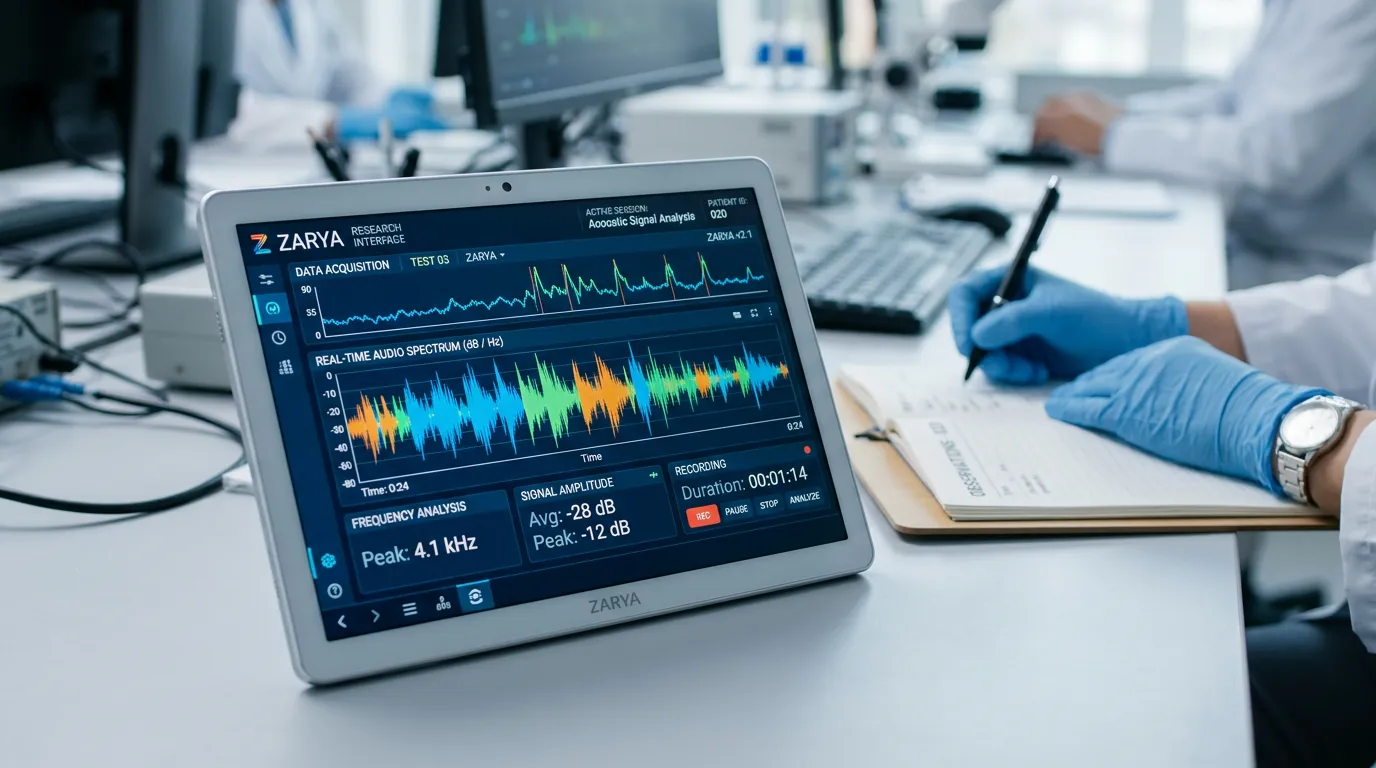
Results are automatically compared with age-based reference values. Audio recordings of each response are stored for subsequent review. That allows speech-language pathologists not only to see the assessment results but also to listen to how the child completed each task and use that information to develop an individualized intervention program.
Why It Matters
Dyslexia and dysgraphia are not lifelong barriers that cannot be addressed. Early intervention can significantly improve outcomes, and the earlier a child is identified, the easier those challenges are to address. Ideally, screening should take place before children begin school. That gives them an opportunity to enter first grade with a clearer understanding of their learning profile and an individualized support plan already in place.
ZARYA helps speech-language pathologists, neuropsychologists and special education professionals assess phonological processing quickly and objectively. The application provides a standardized approach that can make evaluations both more accurate and more consistent.
Early identification gives children an opportunity to avoid years of academic difficulty. Instead of struggling with reading and writing over an extended period, they can receive an individualized intervention program tailored to their assessment results. That approach is considerably more effective than relying solely on general language exercises.
For parents, the application offers reassurance that a child's learning difficulties are not the result of poor effort. It also provides a clear pathway toward targeted support without unnecessary frustration or emotional stress.
Standardized digital assessments also make it possible to compare results across regions, schools and clinical organizations. In turn, they create a foundation for anonymized research datasets while supporting consistent approaches to evaluating speech development in Russian-speaking children.
What Makes ZARYA Different
The development of ZARYA builds on years of scientific research. In 2021, researchers at the Higher School of Economics (Moscow) introduced the RuToPP methodology for assessing phonological processing in Russian-speaking children. That work was followed by additional projects, including KORABLIK, which evaluates overall speech development. ZARYA represents the next stage of that research, focusing specifically on phonological processing.
According to experts, applications of this kind are likely to become a routine part of speech-language pathology and special education practice in the coming years. Digital assessment tools will not replace clinicians, but they can become reliable tools that support their work.