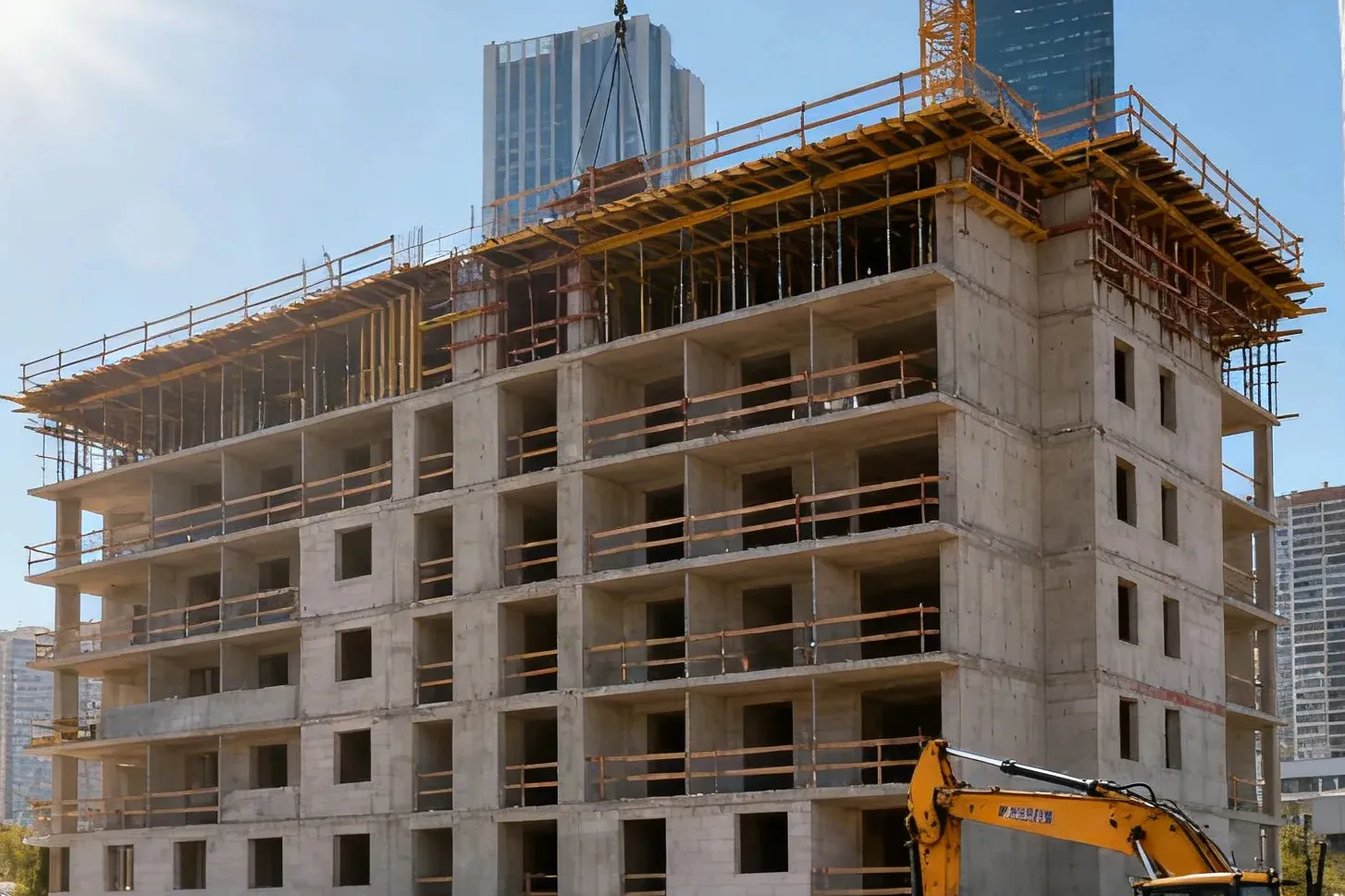
Russian Digital Developer Uses AI to Decide How Many Cafes and Shops to Build in New Neighborhoods
A new AI model allows developers to plan the volume and mix of commercial real estate in residential projects at the design stage.
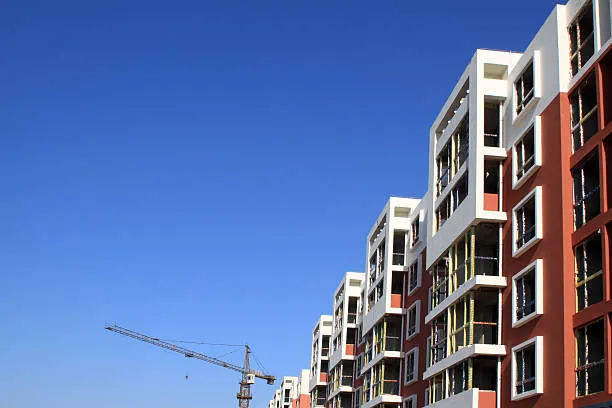
In Russia, the development group Samolet Group is using an intelligent analytical model to calculate the volume and composition of commercial real estate as early as the master-planning stage of residential neighborhoods. The tool helps developers quickly determine which types of businesses are likely to be in demand in a specific location and how to place them efficiently.
All Local Services, Close to Home
When running calculations, the model analyzes all key parameters of a future residential complex, including population size, building density, neighborhood characteristics, and the level of competition. Based on this data, it generates a list of recommended business types such as retail stores, services, and restaurants. The model not only suggests business categories but also calculates the optimal floor area for each one in terms of payback.
Meanwhile, the AI provides initial inputs for engineering calculations. Requirements for electricity and water supply, ventilation, gas, and other utilities are generated upfront and made available to the developer.
Factoring in Purchasing Power
At the next stage, the results of the initial calculations are overlaid onto the residential site plan and the street and road network. Access roads, pedestrian routes, and foot traffic intensity are taken into account. The developer receives a ready-made layout showing where each commercial unit should be placed, broken down by type of activity.
The system draws on data from more than 15 sources, with calculations based on around 90 parameters. Household purchasing power, rental rates, and projected retail turnover are all factored into the model.
Everything Within Walking Distance
According to Anastasia Gorbun, sales director at Samolet Group, homebuyers are increasingly choosing housing with well-developed infrastructure within walking distance.
Using the model speeds up planning of essential infrastructure for residents of new housing developments while simultaneously reducing risks for developers associated with misjudging demand for low-liquidity commercial spaces.