Russian Doctors Develop Unique Hand Rehabilitation Device
Sechenov University has developed Russia’s first orthosis trainer designed to restore hand function. Its first patient was a man who underwent a successful donor forearm transplant. The device could also be used for rehabilitation after injuries and surgery involving tendons, muscles and joints.
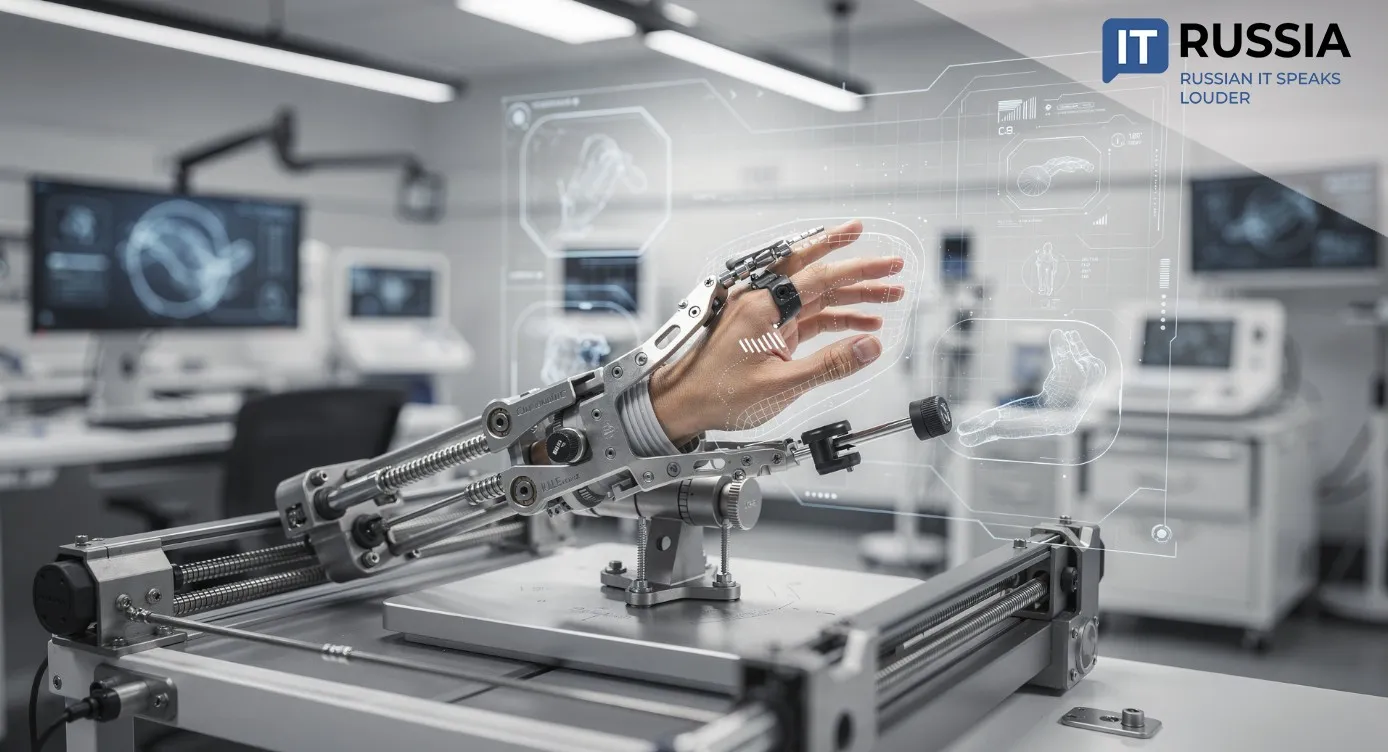
Sechenov University and Russian company NIKAMED have jointly developed an orthosis trainer to restore hand function. The device stabilizes the forearm and wrist while allowing the patient to exercise finger movements.
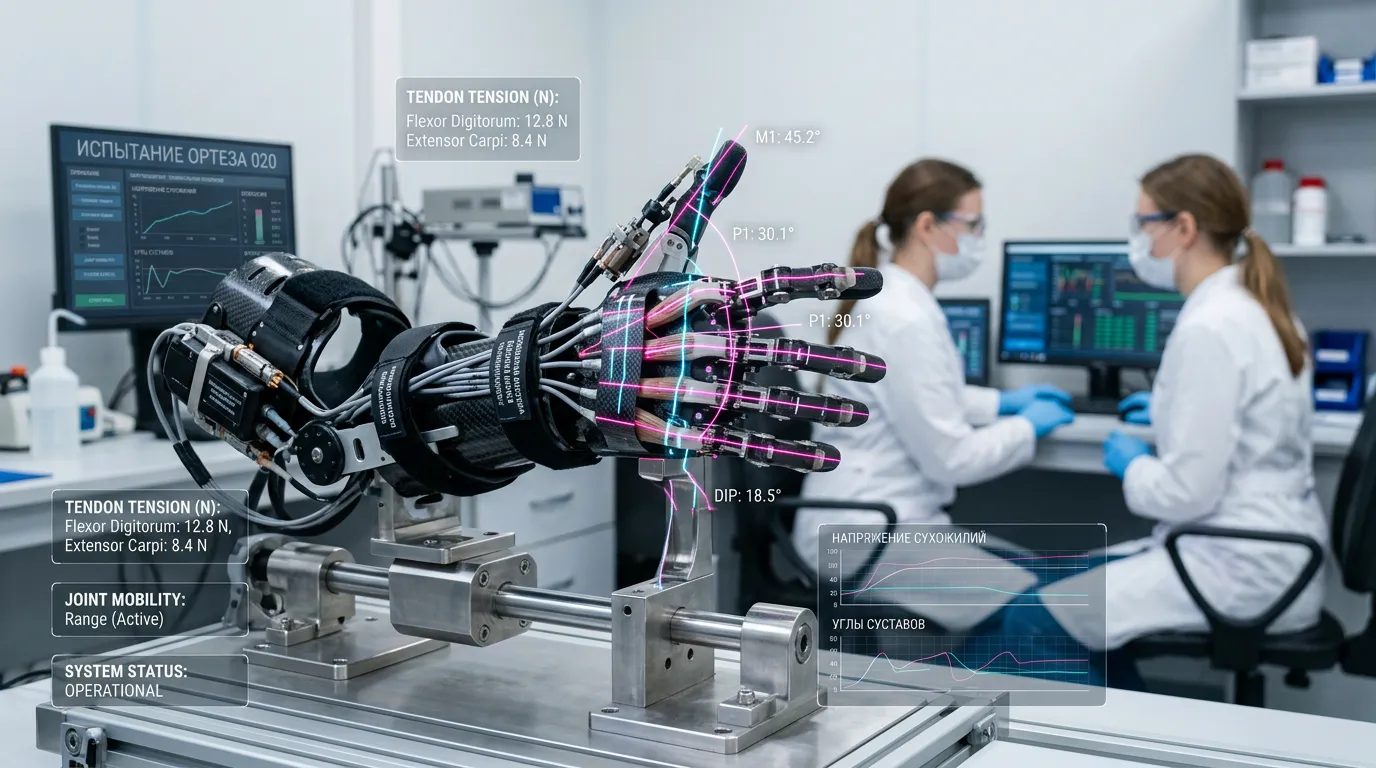
Created by researchers at one of Russia’s leading universities together with a market leader in orthopedic products, the device combines the functions of a conventional orthosis and a rehabilitation trainer. Its extended design securely stabilizes the forearm bones and wrist after osteosynthesis. An open-frame system with removable springs that work like resistance bands allows patients to gradually restore finger movement and bring the hand back into active use.
Rather than simply wearing the orthosis for stabilization, patients can exercise while wearing it. They can increase resistance, change the springs, and gradually restore mobility to joints and muscles. This combination of stabilization and active rehabilitation is what primarily sets the Russian device apart from conventional orthoses.
How the Unique Trainer Was Developed
The first device was created specifically for the patient who underwent Russia’s first successful transplantation of a donor forearm and hand. It was an exceptional case. Transplanting a hand together with the forearm is one of the most complex procedures in surgery worldwide. It requires extremely precise microsurgery because surgeons must connect the blood vessels, nerves and tendons of the donor limb to the patient’s tissues.
But reconnecting the tissues is not the final goal. The hand must regain function and ultimately become part of the patient’s everyday life. Working within a short timeframe, the team therefore prepared an orthosis design and rehabilitation program, while the manufacturer produced a working prototype.
According to Valentin Sharobaro, director of the Plastic Surgery Clinic at Sechenov University, comprehensive rehabilitation using the new orthosis trainer produced rapid results: “Just three months after surgery, the patient was able to hold objects, shake hands and return to his previous job. We plan to continue gradually increasing the load on the hand.” In effect, the patient regained the hand he had lost – and with it, the ability to live a full life, work and move without the limitations he had faced before.
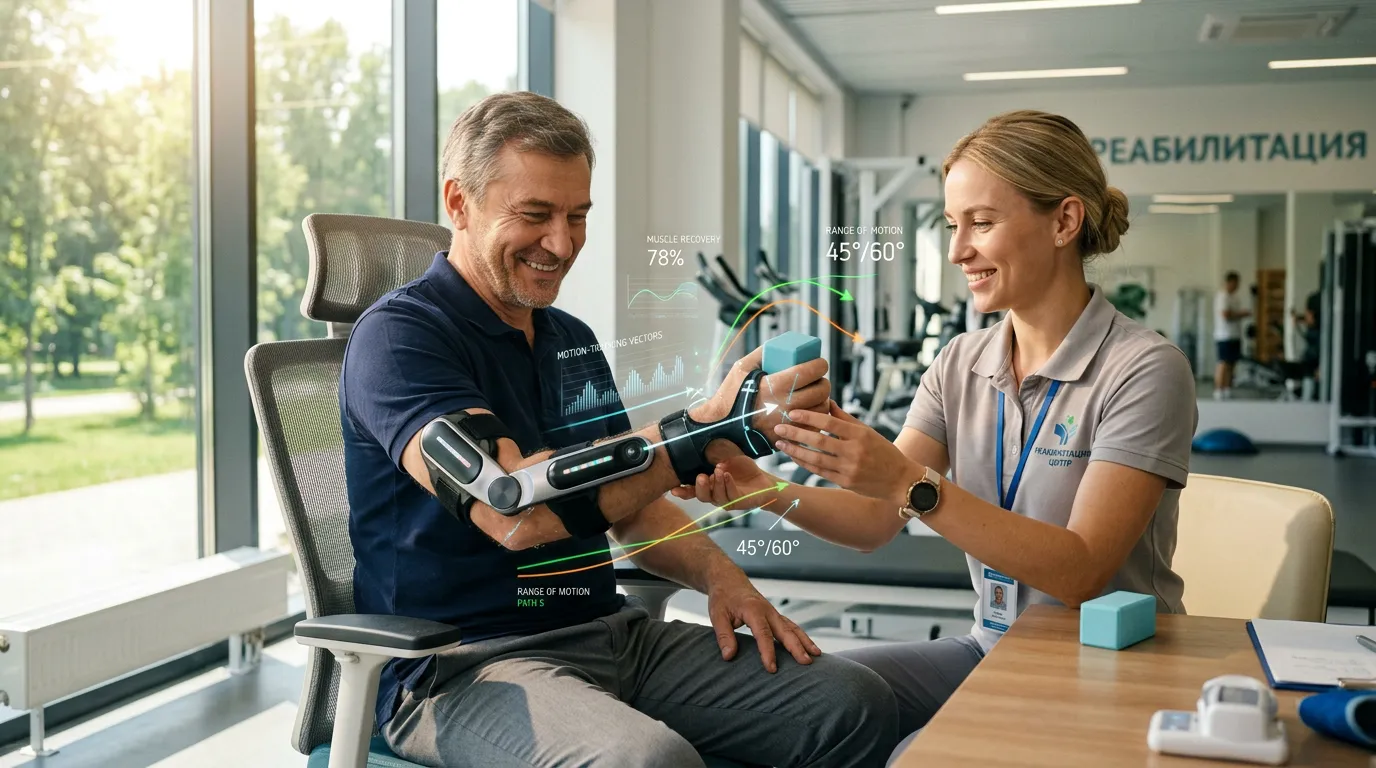
Stabilizes and Trains
Hand and forearm injuries and surgeries can involve a difficult recovery period. Tendons, muscles and joints require lengthy rehabilitation, while standard orthoses often do little more than stabilize the limb and keep it immobile.
In practice, the new orthosis trainer has shown that it can address this problem. It stabilizes the hand while allowing it to exercise, which is particularly important during the first months after surgery, when the limb is still weak. For surgeons and rehabilitation professionals, the new orthosis offers a tool for building a more effective recovery program. It can be fitted to the individual patient, while the springs can be changed to adjust resistance, allowing clinicians to control the load and track progress. The developers say the device could be useful both after limb transplantation and for patients recovering from injuries and surgery involving tendons, joints and muscles. They plan to introduce it at medical facilities across Russia.
Where Science and Medicine Work Together
For Russia, the project also shows how universities and companies can work together toward a common goal, combining scientific expertise, clinical practice and manufacturing. In that sense, Sechenov University and NIKAMED have laid the groundwork for a future mass-produced medical device. In addition, Russia’s first research and education laboratory dedicated to orthotics opened in 2025 at the Medical Rehabilitation Center of Sechenov University’s University Clinical Hospital No. 2.
The global market for orthoses and rehabilitation devices is highly competitive. The Russian device, however, stands out because it was developed for a specific clinical challenge – recovery after limb transplantation – and has already demonstrated its effectiveness in an exceptionally complex case. That could provide a significant advantage as the technology moves toward international markets.