Volga Welcomes a New Uncrewed Vessel
Volgograd-based Aqua-Volga has unveiled the Avatar 001 uncrewed catamaran – a compact vessel designed to serve as a platform that could become a new tool for monitoring rivers, delivering cargo and inspecting hydraulic structures.
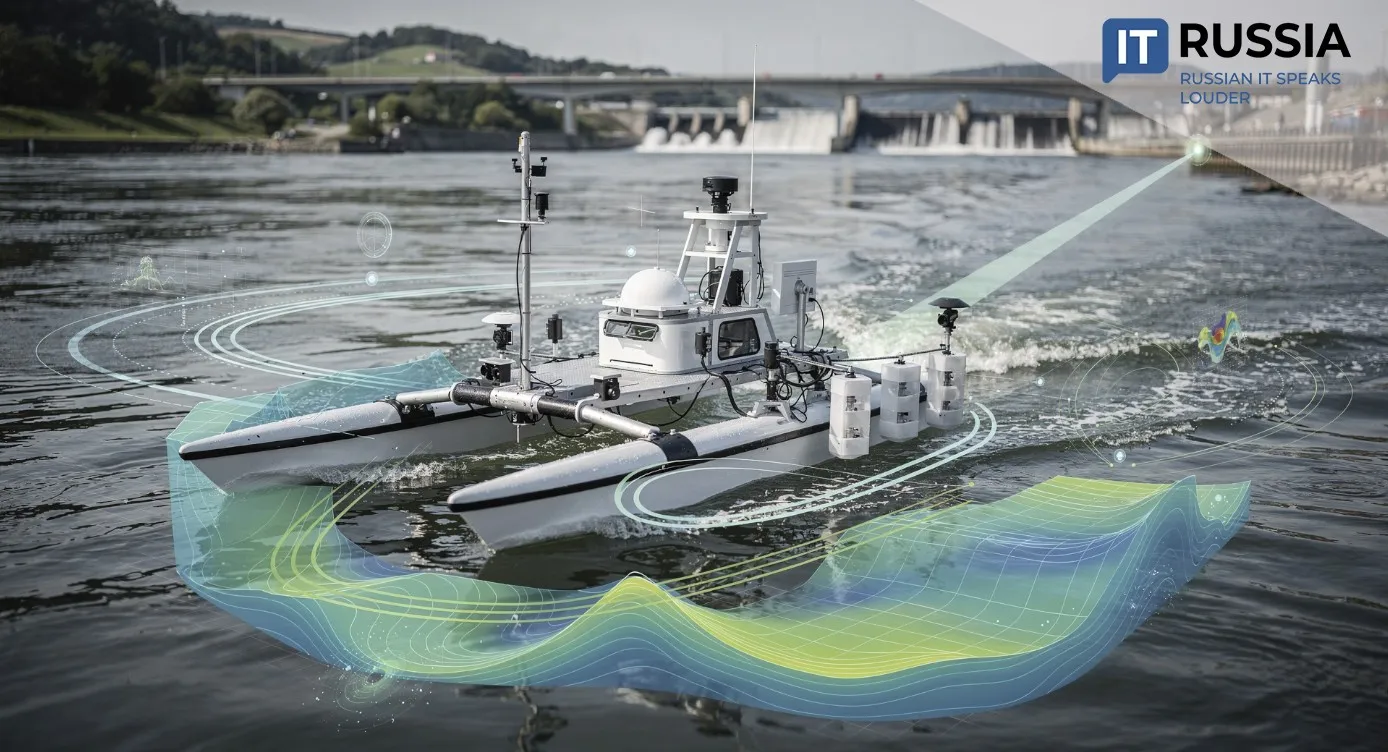
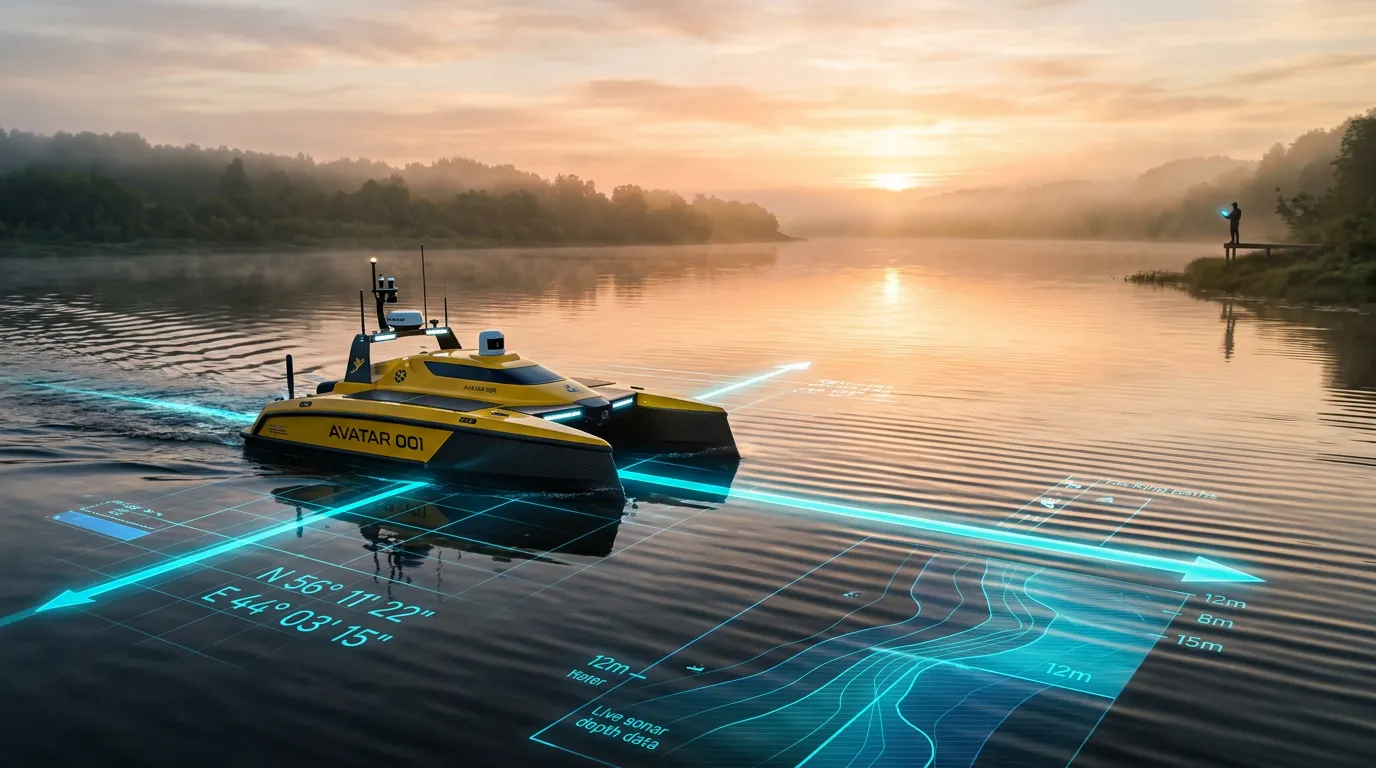
Avatar 001 is a 13-foot uncrewed catamaran that can navigate autonomously or be controlled by an operator from shore. The vessel has an electric propulsion system, can carry between 100 and 500 kilograms (220 to 1,100 pounds) of cargo and can operate for up to eight hours without recharging. Its low-density polyethylene hull with polyurethane foam filling gives the vessel greater buoyancy and resistance to damage – an important advantage on rivers with changing currents and obstacles.
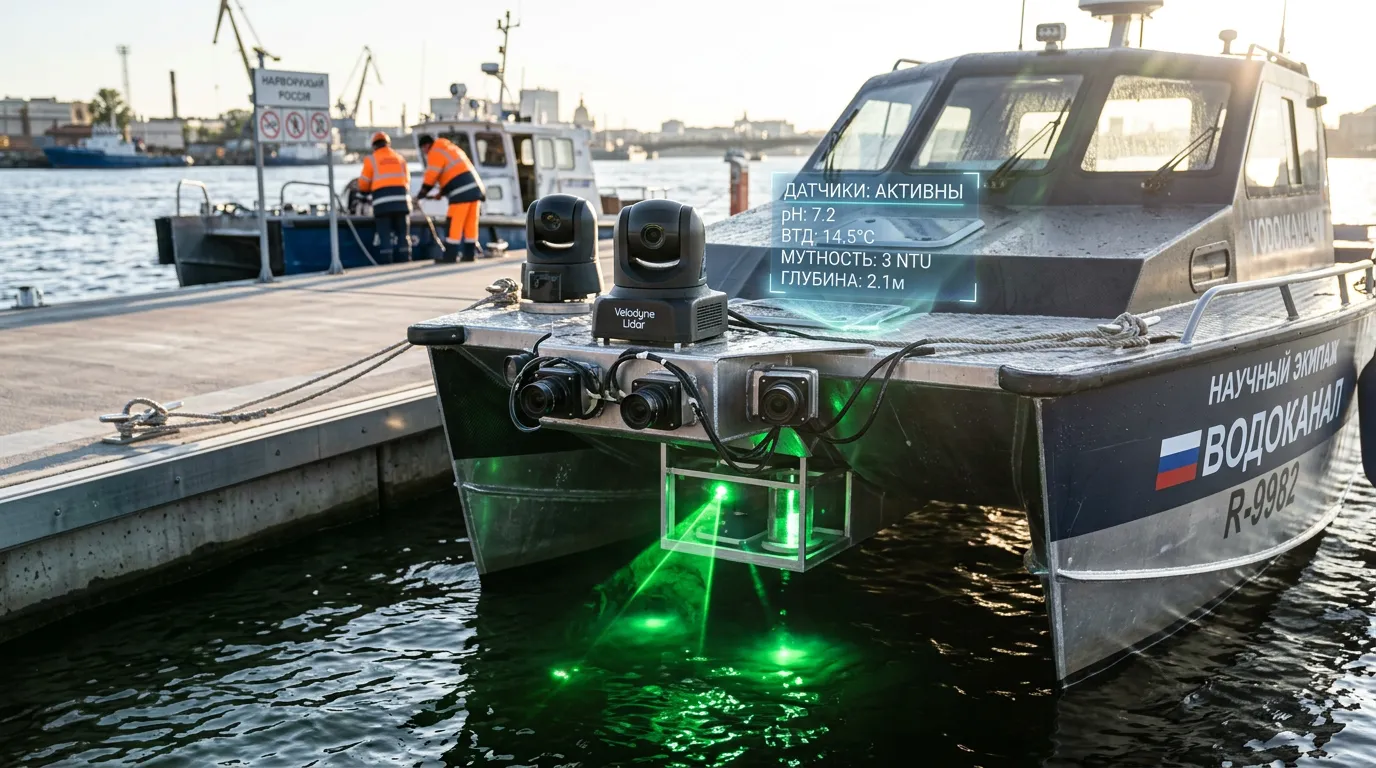
A key feature of the project is its technological maturity combined with a high degree of localization: the developers estimate that Russian-made materials and components account for 90% of the vessel. Its onboard technology includes a remote-control system, basic autopilot, GPS/GLONASS satellite navigation and the ability to program routes using waypoints. In the future, the platform could carry echo sounders, hydrochemical sensors, lidars, video cameras and data transmission equipment, effectively turning it into a mobile research module.
Where an Uncrewed Catamaran Could Be Useful
Avatar 001 is primarily aimed at practical applications where regular, precise operations matter and having a crew onboard would be unnecessary or even risky. The vessel could serve as a reliable tool for environmental monitoring of rivers and reservoirs, depth measurements and bottom mapping, inspections of hydraulic infrastructure, equipment deliveries to hard-to-reach areas, waterway patrols, and search-and-rescue operations. It could also be used in agriculture, municipal services and hydrology – anywhere that requires regular data collection or the transport of small loads by water.
Avatar 001’s export potential remains hypothetical for now. The vessel could appeal to countries with extensive river networks that need affordable, reliable ways to monitor their waterways.
A Wave of Innovation
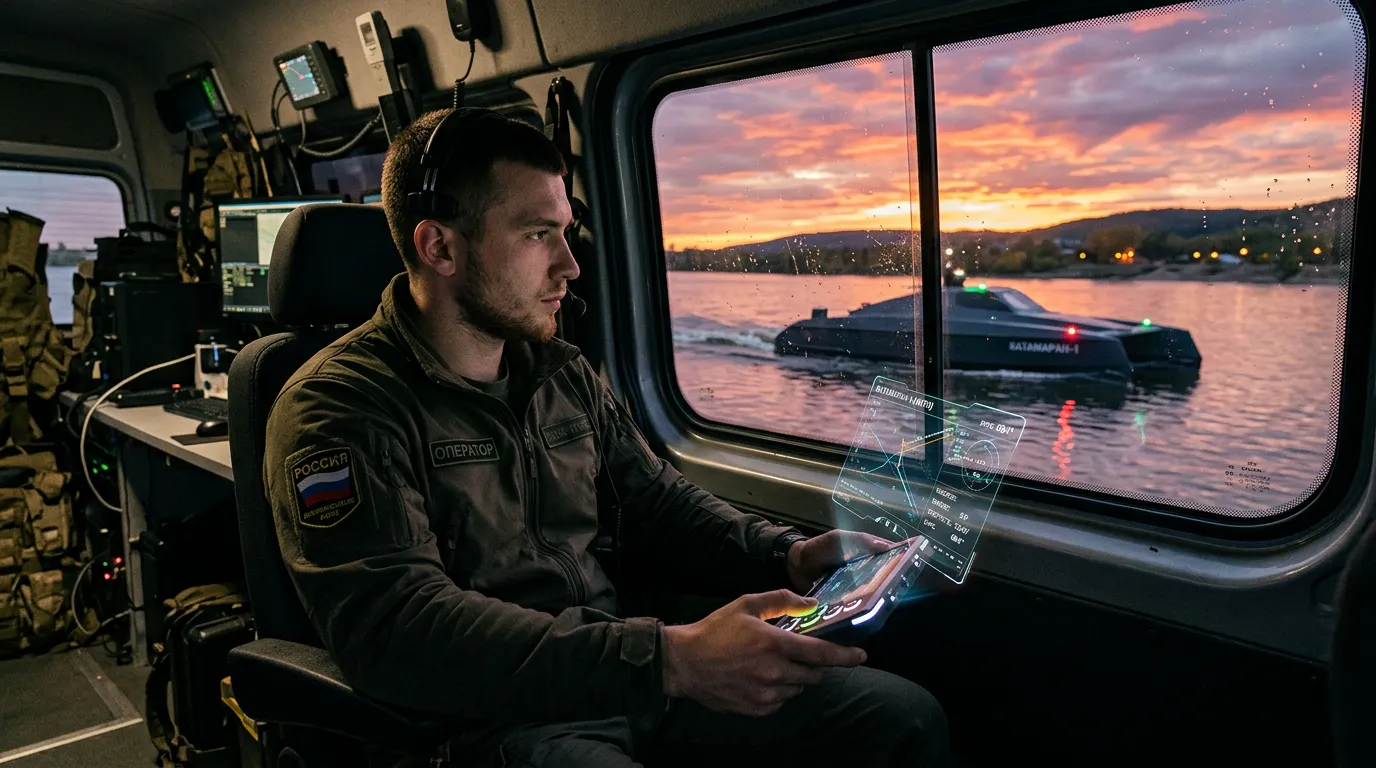
Aqua-Volga’s project builds on a growing trend toward automating water transportation and monitoring. In 2024, Petrozavodsk State University developed an uncrewed surface system for studying bodies of water. In 2025, researchers at Saint Petersburg Electrotechnical University presented a compact uncrewed vessel capable of navigating through predetermined waypoints while carrying an echo sounder, cameras and water-quality sensors. That same year, Russian University of Transport demonstrated a small autonomous vessel with capabilities for mapping, depth measurement, water monitoring and infrastructure inspection.
In parallel, the Russian government has been building the regulatory framework. The Russian Ministry of Transport approved rules for operating autonomous vessels, formally allowing automated operation using autonomous navigation systems. The sector received further support in 2026, when a dedicated autonomous navigation project was added to the updated transport digital transformation program through 2030, calling for Russian universities to regularly develop new technologies. Against that backdrop, Avatar 001 looks less like a stand-alone experiment and more like part of a coordinated effort to develop domestically produced civilian maritime and river robotics.
From Demonstrator to Working Vessel
Avatar 001 fits squarely into Russia’s broader development of civilian maritime and river robotics. Its main advantage is not a unique technology but a balanced combination of cargo capacity, autonomous navigation, remote operation and a high level of domestic content. That combination would make the vessel a potentially attractive option for government and commercial customers looking for affordable, reliable technology for routine operations on the water.
Aqua-Volga’s next task is to move from a demonstrator to pilot projects and validate the stated specifications under real-world conditions. For now, Avatar 001 is best viewed as a promising Russian regional-scale uncrewed platform. Projects like this, however, are building the foundation for large-scale adoption of autonomous transportation on inland waterways, making work on the water safer and more efficient.