Top IT Trends for 2026
Digital independence is emerging as a new priority as Russia’s IT landscape enters 2026, with technology increasingly positioned as a core driver of economic resilience and growth.

Technology Becomes a Growth Engine
The year 2026 is set to mark a turning point in the digital transformation of Russia’s economy. The era of emergency replacement of foreign software is coming to an end. Instead, both business and the state are betting on high-quality, deeply integrated domestic solutions. According to forecasts, the size of the IT market will approach 4.5 trillion rubles (about $54 billion), while the sector’s share of GDP will rise to 1.9%. More importantly, technology is no longer treated as a supporting tool. It is becoming the foundation of operational autonomy, stability, and competitiveness for Russian companies.
AI as an Autonomous Operator
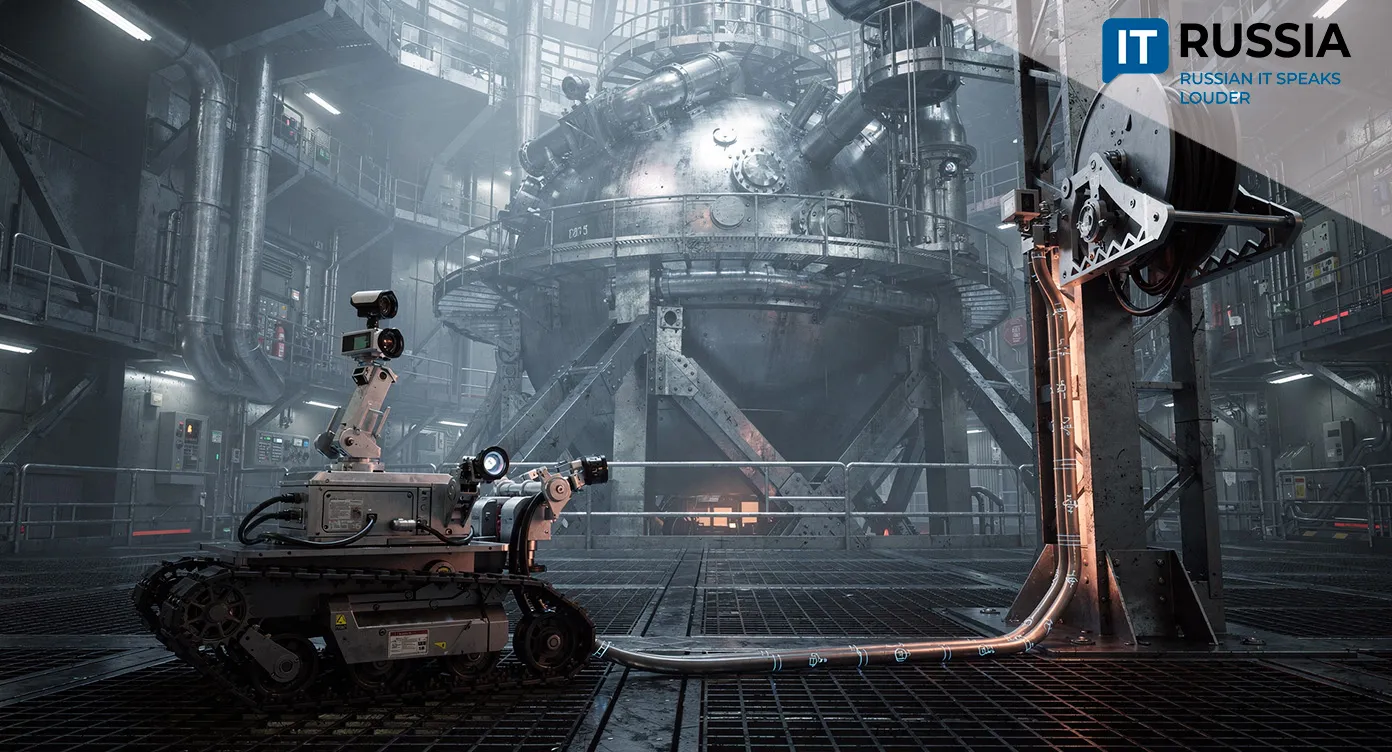
Artificial intelligence remains at the centre of attention, but its role is evolving. If AI previously functioned primarily as an assistant, by 2026 it is becoming an autonomous operator. A key development is the rise of AI agents – software systems capable not only of understanding natural-language requests but also of independently executing multi-step tasks. One agent can analyse customer inquiries, another can generate orders, while a third forecasts demand and manages inventory. Such solutions are already being deployed in retail, logistics, marketing, and customer service. Particularly promising is the architecture of AI agent teams, where each agent is responsible for a specific stage of a broader process.

Proactive Cybersecurity
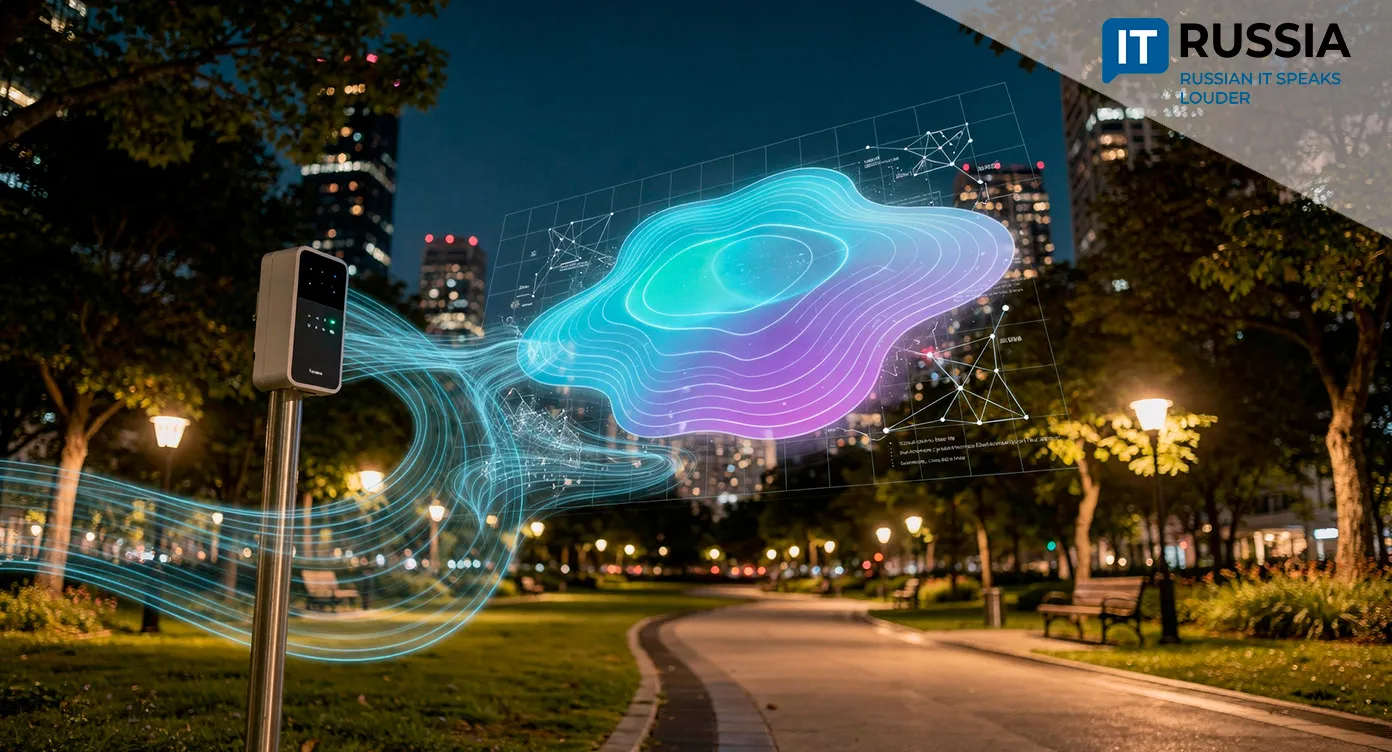
Digitalisation is advancing in parallel with rising cyber threats. In 2026, companies are expected to move from reactive defence to proactive security. Systems will identify vulnerabilities before attacks occur, model intrusion scenarios, and automatically mitigate risks. This approach relies on behavioural analysis, self-learning algorithms, and traffic anomaly detection. Zero Trust architecture moves to the forefront, with no user or device considered trustworthy without continuous verification. This model is increasingly seen as the backbone of reliable digital infrastructure protection.


From Import Substitution to Technological Autonomy
The phase of emergency replacement of foreign software is ending. The focus is shifting toward building competitive domestic ecosystems. These are not simple analogues but deeply integrated solutions across cybersecurity, cloud platforms, ERP systems, database management systems, and AI.
A decision by the Ministry of Digital Development, Communications and Mass Media of the Russian Federation to postpone the mandatory transition to Russian software for critical information infrastructure facilities until 1 January 2028 is helping to create sustained demand and encouraging vendors to invest in long-term product development. For businesses, this translates into higher quality, improved scalability, and stronger vendor support.

Removing Barriers Between Idea and Product
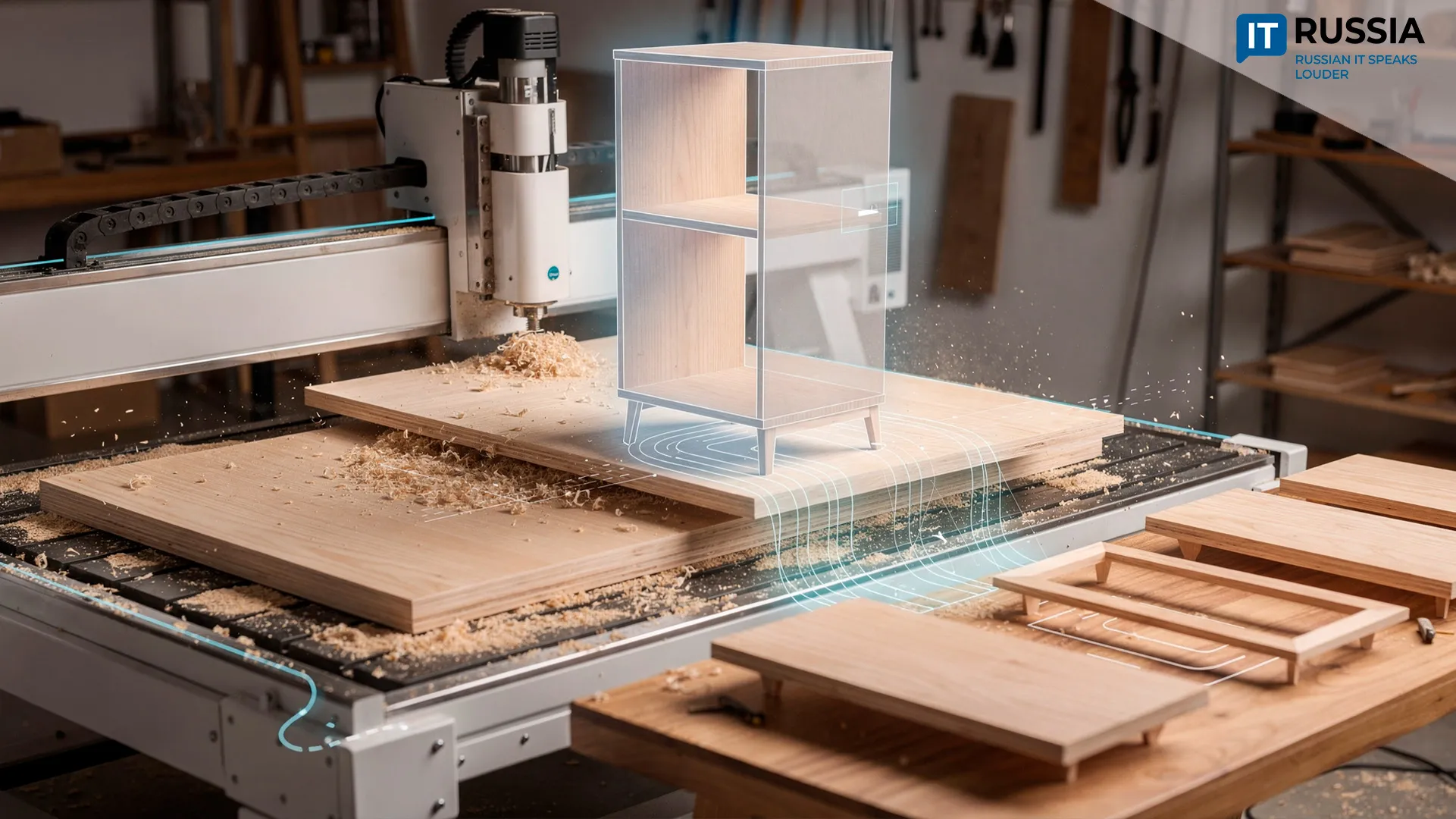
The trend toward visual development is no longer niche. No-code platforms allow applications to be built without writing a single line of code, while low-code tools combine ready-made components with custom logic. Integration with generative AI is pushing these platforms further. Systems can now translate a text description of a task directly into a working workflow. This enables business analysts, marketers, and logistics specialists to modify digital tools themselves, reducing time-to-market from months to weeks.
A Single Source of Truth
Businesses are increasingly overwhelmed by data that is often fragmented and inconsistent. In 2026, companies will continue to deploy platforms capable of integrating data from CRM, ERP, and other sources, then enriching it with context such as customer history, market trends, and geolocation.
At the same time, the use of synthetic data is expanding. These artificial datasets are statistically identical to real data but contain no personal information. They allow AI systems to be trained without privacy risks or high costs, enabling modelling of virtually any business scenario, from pricing strategies to stress testing.

Digital Autonomy in Practice
New IT trends are delivering tangible results by addressing concrete business challenges, including operational autonomy. Routine processes are increasingly running without human involvement.
Proactive security is becoming the norm, with attacks prevented before they begin, while domestic software reduces dependence on external suppliers. Development cycles are accelerating, with new features and products launched several times faster. Data-driven solutions are becoming standard, as the “single source of truth” improves forecast accuracy and personalisation. Costs are falling as automation and predictive analytics minimise downtime and losses.
Taken together, these shifts are forming a new paradigm – the digital autonomy of Russian industry. It is defined by resilience to external shocks, flexibility in responding to market changes, and the ability to outpace competitors through technology. The future of IT in Russia is no longer about localised substitutes but about a full-fledged, self-sustaining, and innovative ecosystem.