A New VR Digital Twin for Cooling Systems Helps Improve Nuclear Power Plant Safety
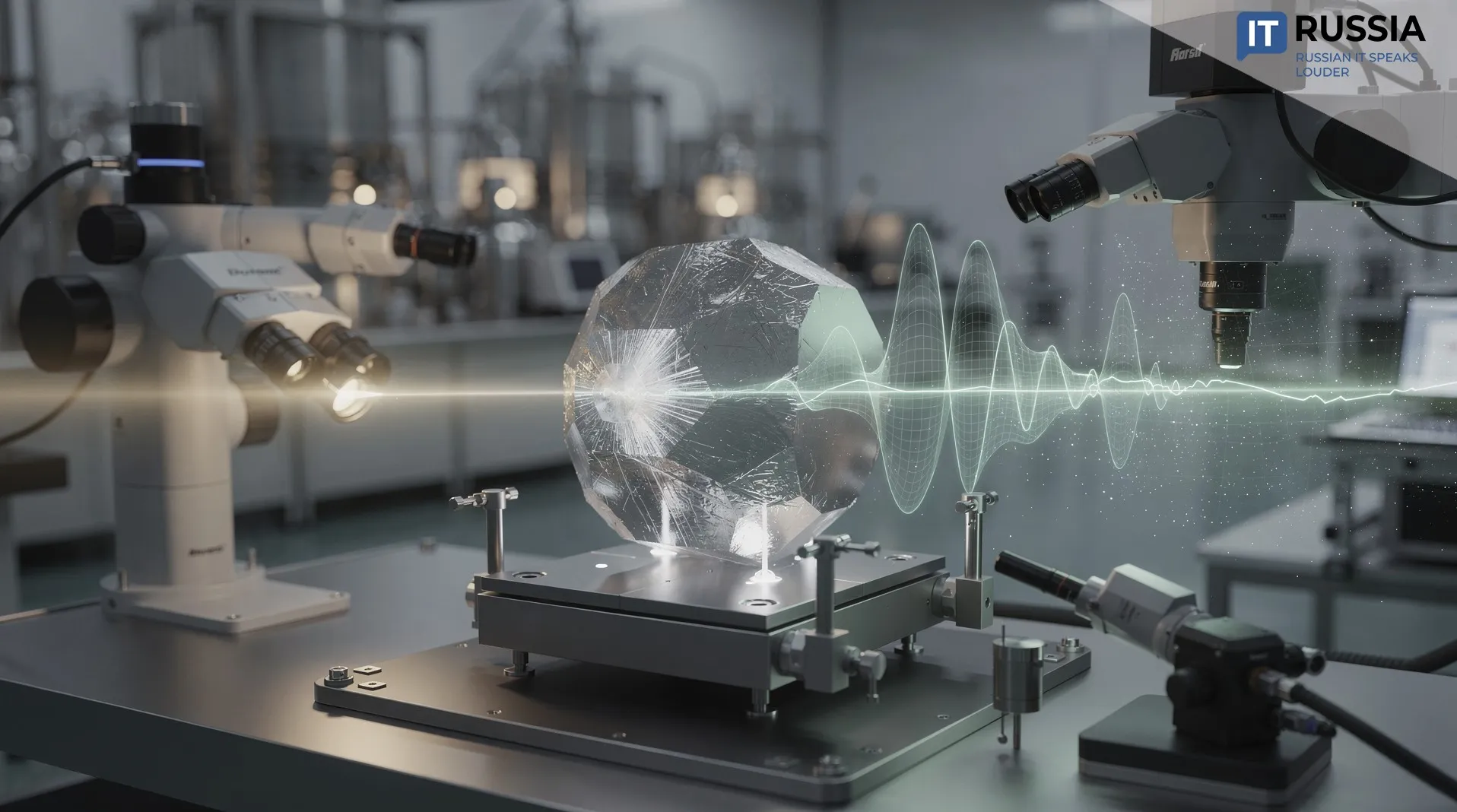
Researchers at the Nizhny Novgorod State Technical University named after R. E. Alekseev have developed a VR-based training simulator that models water flow and heating in a vertically heated channel. This is directly relevant to reactor cooling systems and heat exchangers at nuclear power plants.
What Has Been Developed at NSTU
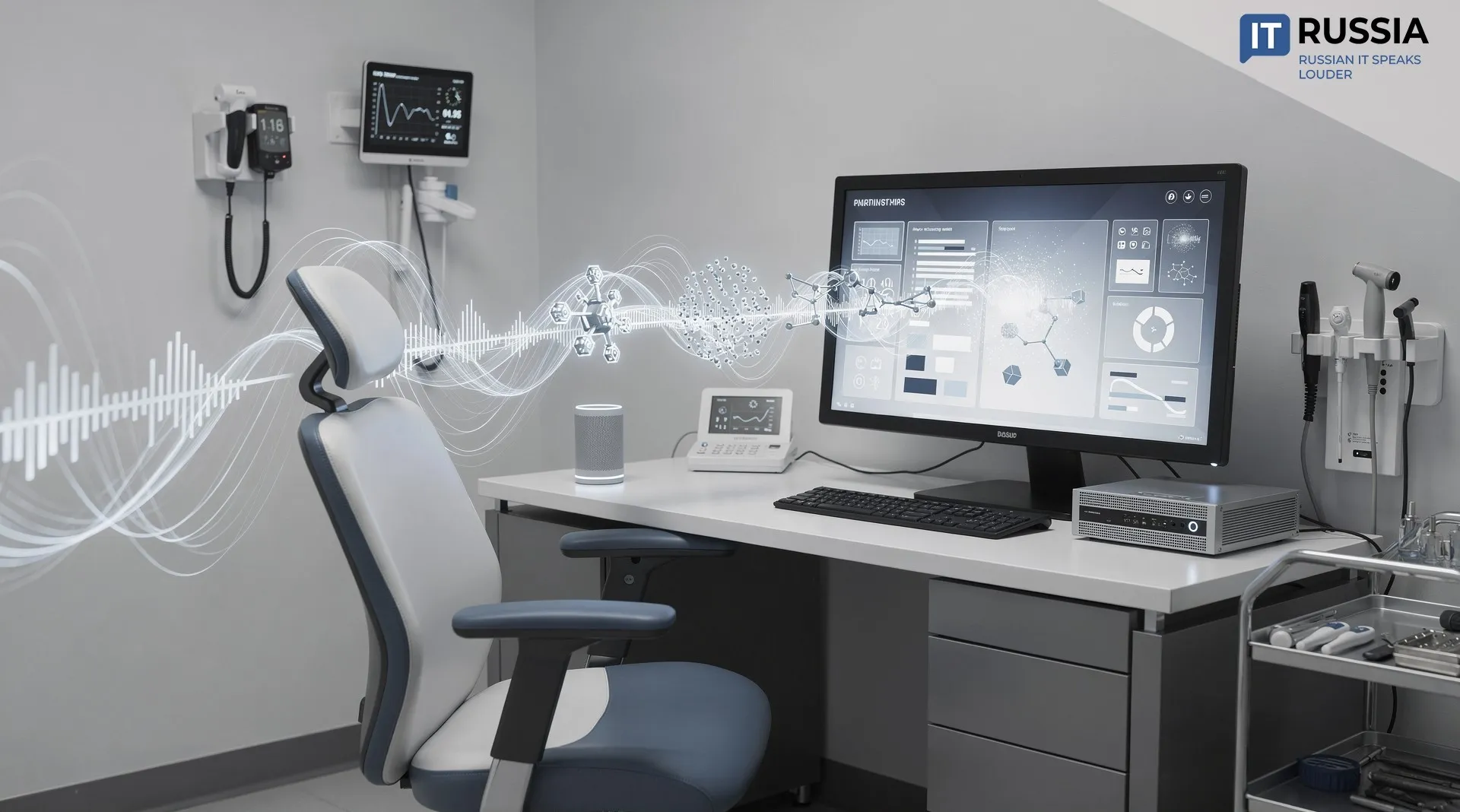
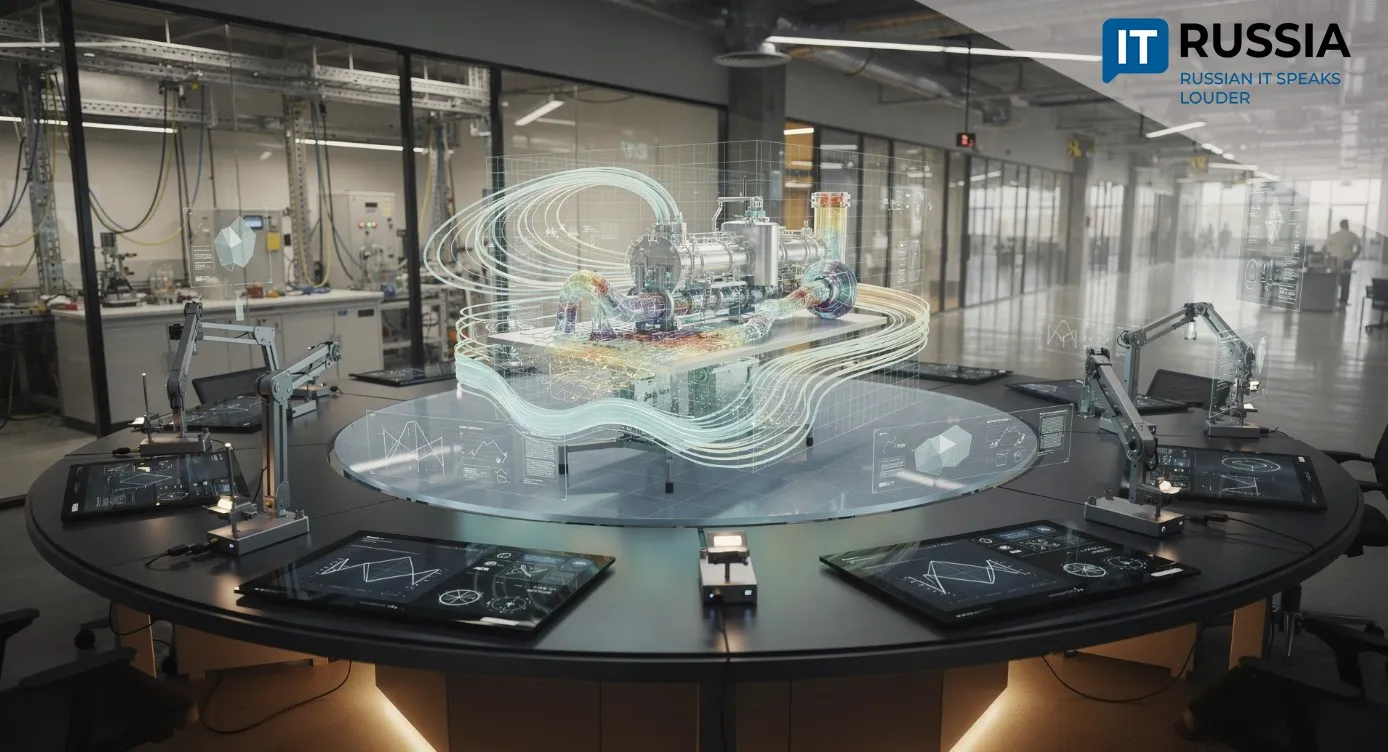
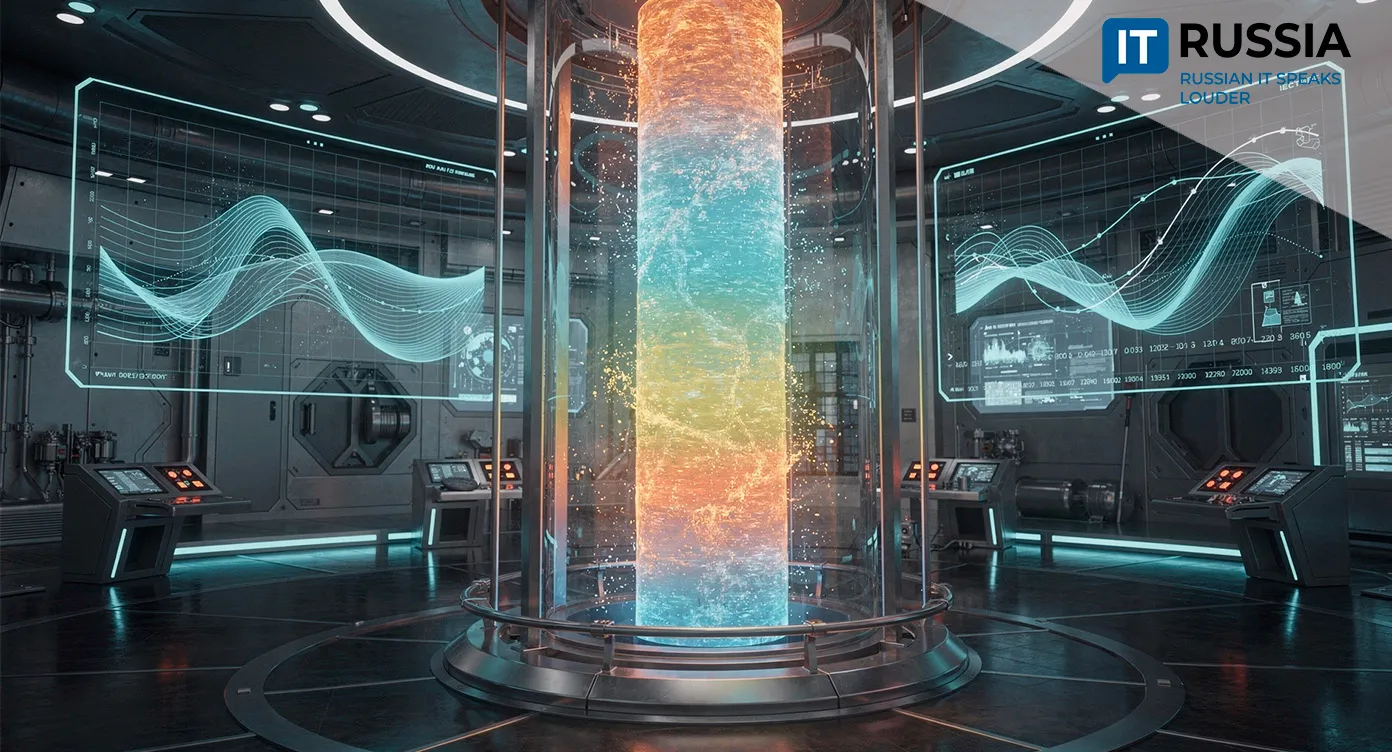
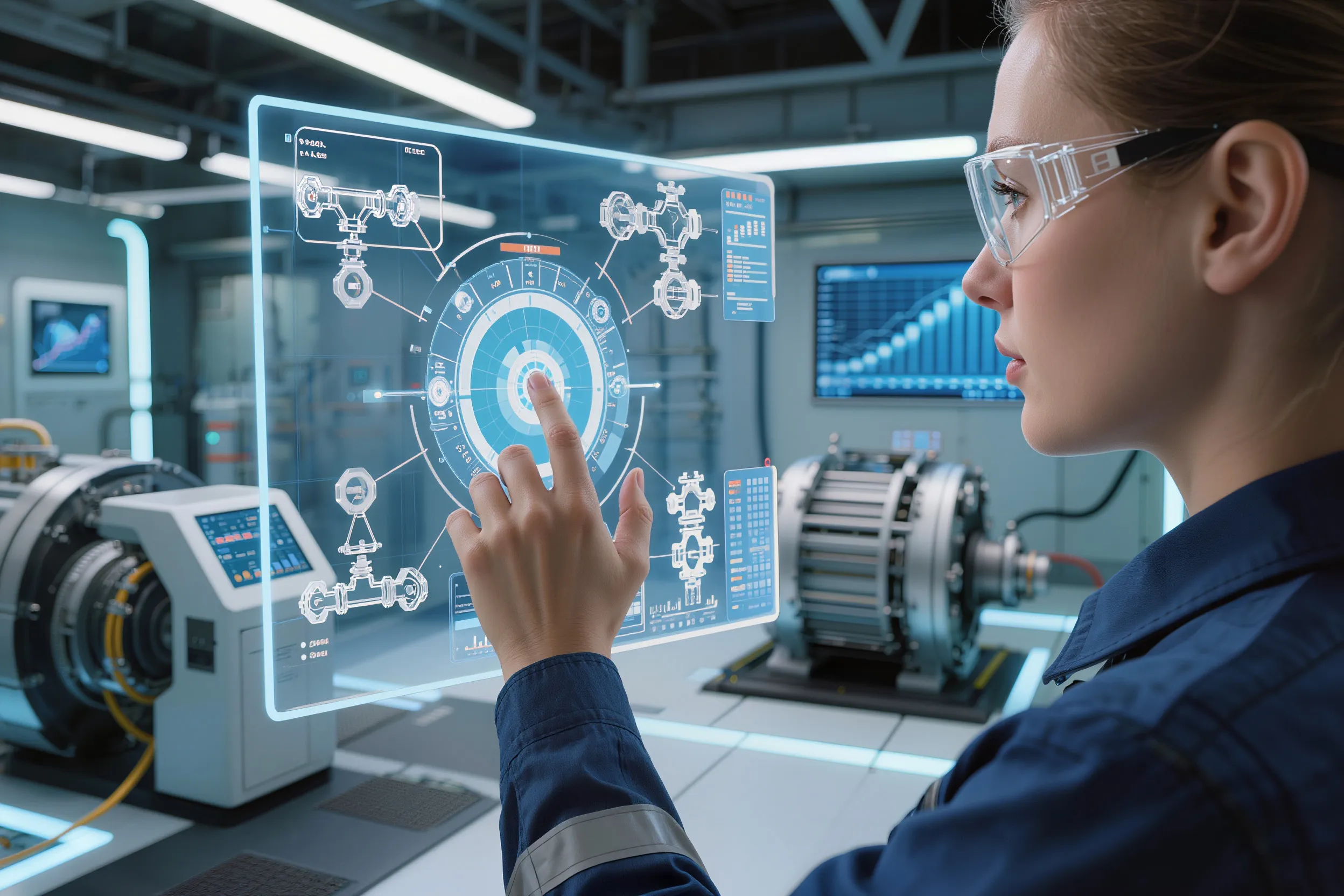
NSTU engineers have linked a high-fidelity mathematical model of fluid flow, such as those found in nuclear power plant cooling systems, with an interactive virtual environment. The simulator takes water flow parameters, heating power, and channel geometry as input. It then recalculates velocity and temperature fields in real time and displays them to the user through a virtual reality headset.
The project reproduces the behaviour of natural water circulation in a vertically heated channel. In this context, a channel refers to a pipe in which water rises and falls due to density differences caused by heating. Such configurations are used in passive reactor cooling systems and in laboratory test facilities.
Why This Matters
Natural circulation is fluid motion without the use of pumps. Water is heated at the bottom of the channel, becomes less dense, and rises upward. After cooling at the outlet, it descends again, completing the circulation loop. This principle underpins passive cooling systems at nuclear and thermal power plants.
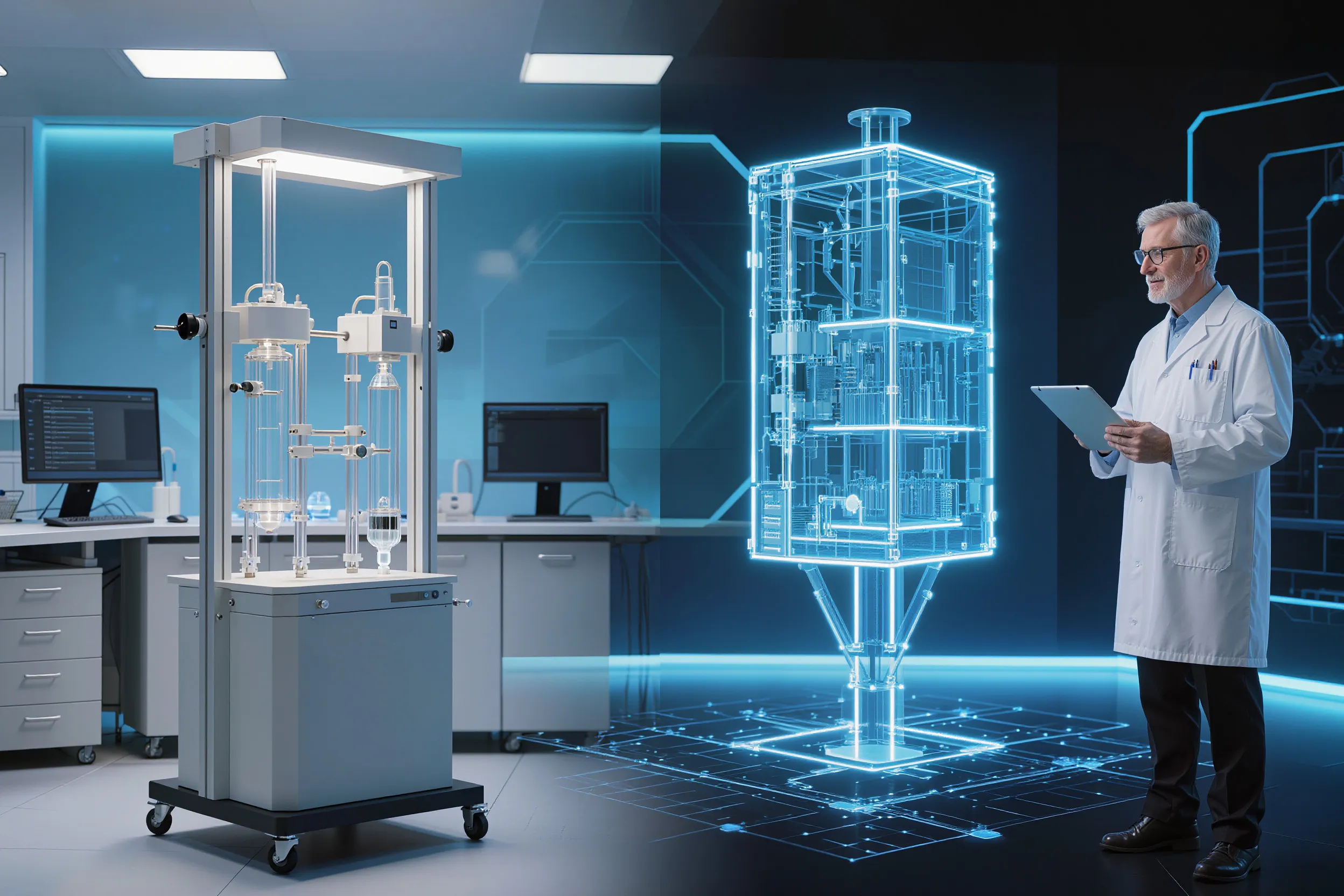
Understanding these processes is critical because degraded circulation increases the risk of local overheating. In real equipment, this can create serious accident risks. In a virtual model, however, both rare and emergency scenarios can be explored safely.


How the Simulator Works
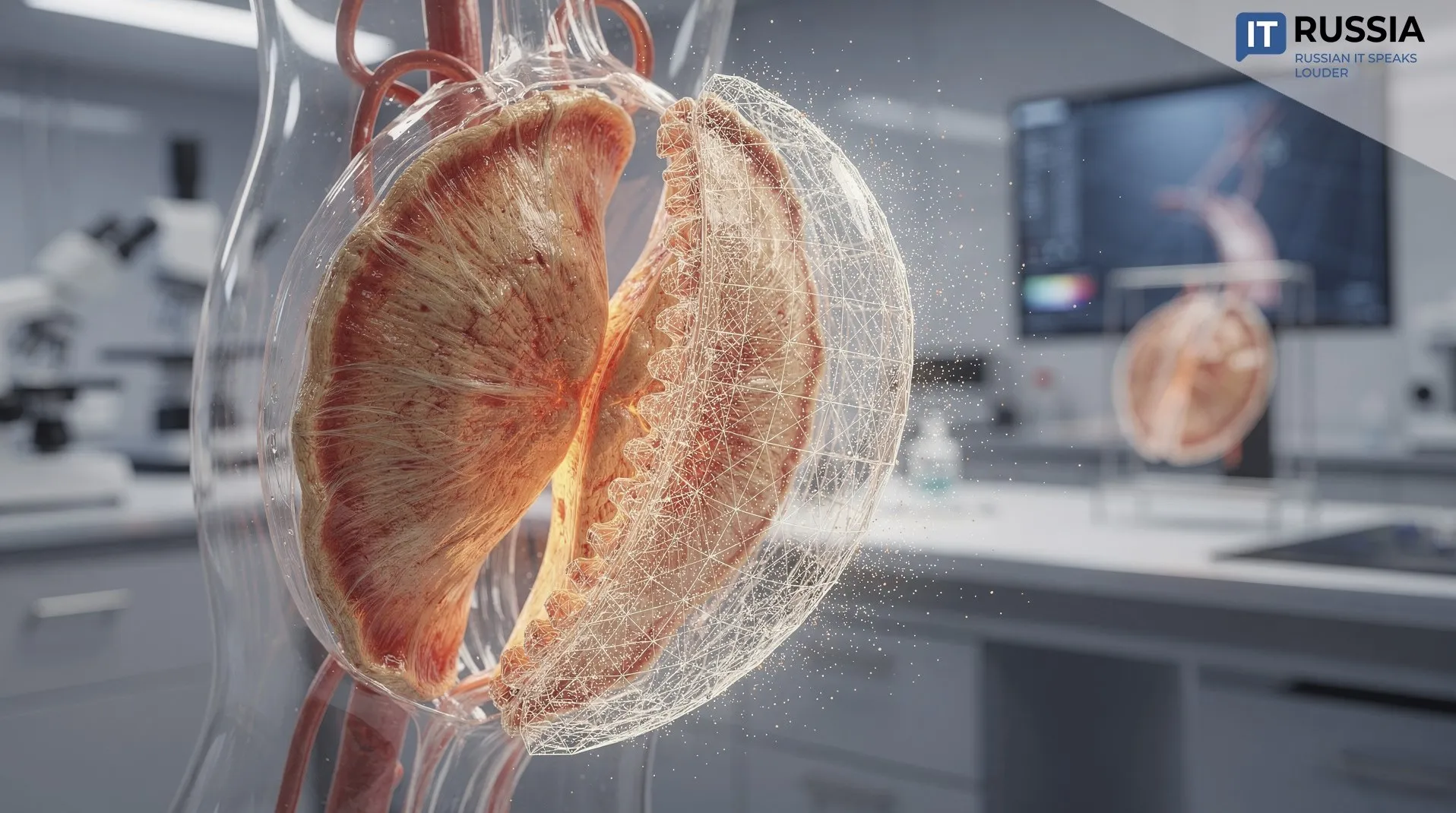
At the core of the simulator is a digital twin of the channel. The mathematical model solves equations governing flow velocity and temperature distribution. The results are visualised as three-dimensional fields in a virtual environment. Users can see where hot spots emerge and how flow direction changes.
The interactive interface allows parameters to be adjusted in real time. Changing heating power produces an immediate visual response. Modifying flow rate or channel geometry instantly updates the results. This makes the simulator well suited for experimentation and training.

Who Benefits and How
Students gain hands-on insight into the physics of heat transfer. Engineers can test design options before building physical test rigs. Operators learn to recognise early signs of circulation degradation and respond according to established procedures.
The repeatability of virtual scenarios reduces risk and conserves resources. Instead of costly full-scale tests, dozens of scenarios can first be run in a virtual environment. This accelerates development and reduces the number of expensive errors during installation and commissioning.
Scientific and Design Applications
The simulator enables rapid testing of hypotheses about flow behaviour. Researchers use it to optimise channel geometry and coolant extraction schemes. This shortens the model – prototype – test cycle and improves the quality of experimental programmes.
The platform can be integrated with other models and digital twins. In large-scale projects, this approach enables a unified virtual representation of an entire facility and allows interactions between subsystems to be tested. This is particularly important in the design of reactor components and large heat exchangers.