Agent-Tovaroved: AI Tools for B2B Procurement
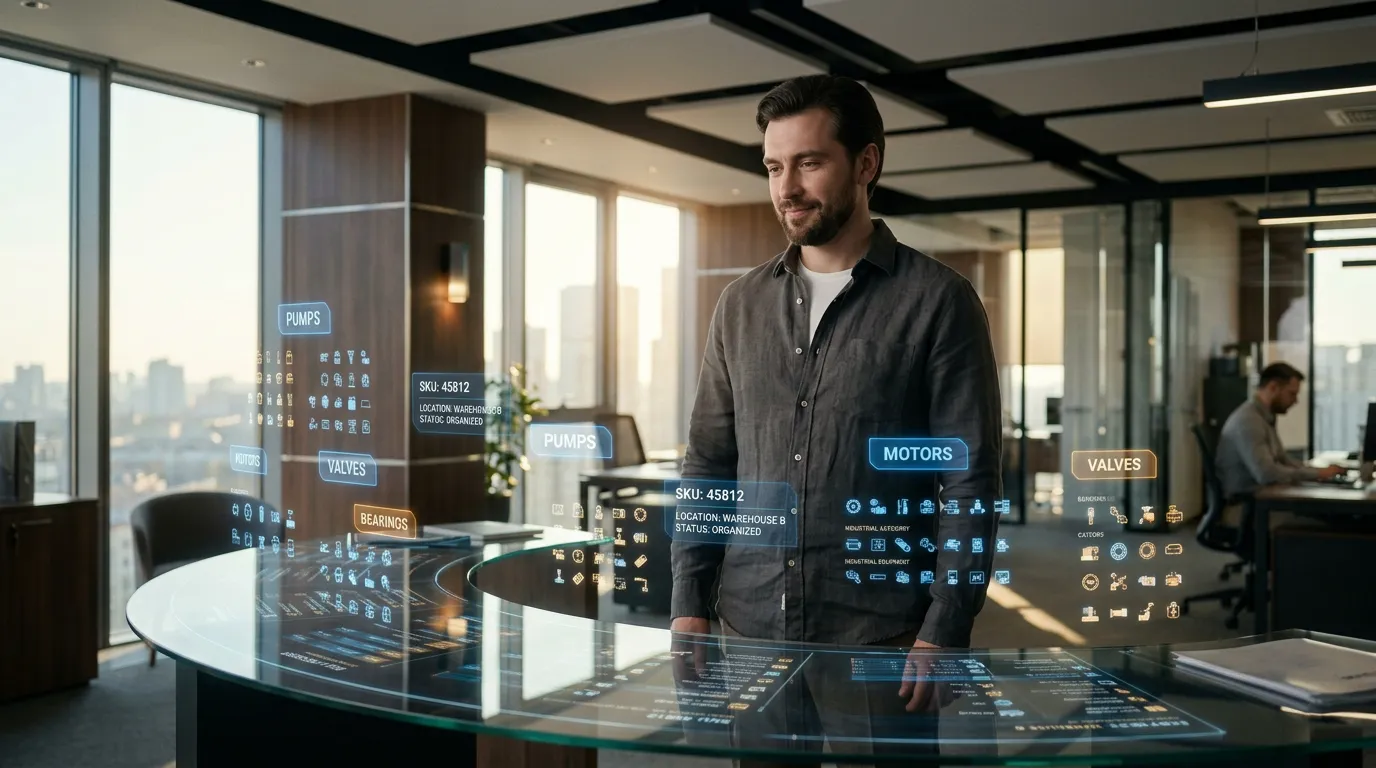
B2B electronic marketplace B2B-Center has deployed an AI agent to classify supplier products. Agent-Tovaroved (Merchandising Agent) automatically assigns product listings to categories in a unified taxonomy, making it easier for buyers to find what they need.

The categorization runs without input from buyers or suppliers and requires no action on their part. The AI agent analyzes tens of thousands of products a day and assigns them to the appropriate catalog sections with near-100% accuracy. As a result, the marketplace gets a clear structure that makes it easier for participants to navigate and find products.
Classification by Common Rules
B2B-Center is part of the Russian B2B-RTS electronic trading platform for businesses and government agencies. The system brings together a network of marketplaces for corporate sales and procurement, serving more than 592,000 companies. Its unified catalog contains more than 2.5 million products. Suppliers did not always complete product listings in full and often assigned products to the wrong categories, making them harder for buyers to find and distorting the overall picture of procurement. Agent-Tovaroved has fully addressed that problem.
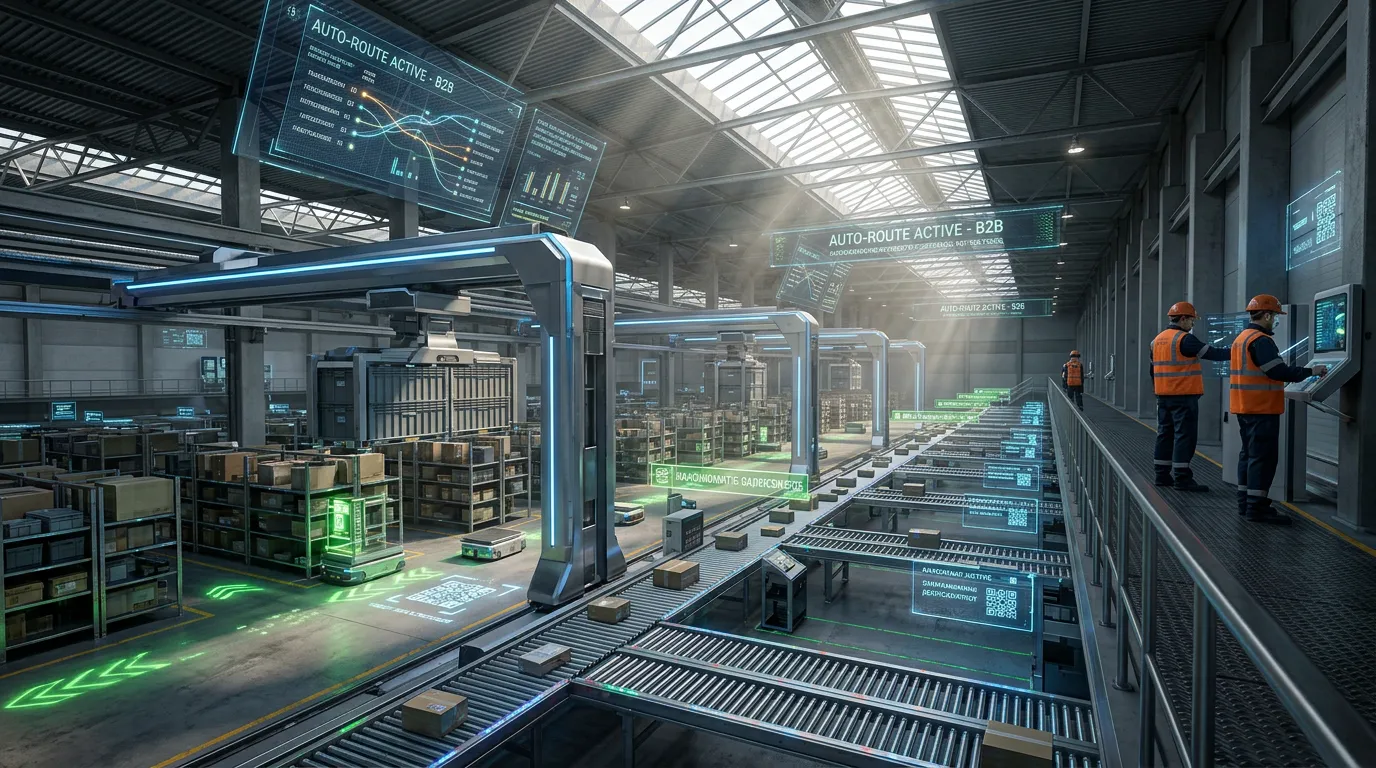
The agent analyzes product listings without human involvement, turning varied descriptions into a unified hierarchical classification. That makes it possible to run category-level analytics and automatically identify equivalent products. For buyers, this means they can find products faster in a logically organized catalog and place orders more easily. They can also analyze spending by category and allocate budgets more effectively.
Such intelligent infrastructure for B2B markets, where the speed of decision-making depends on how well data is structured and machine-readable, can improve procurement economics more broadly.

Expanding the Functionality
The AI agent's effectiveness has been demonstrated in eliminating product-listing fragmentation at industrial giants including Uralchem, Uralkali, and Togliattiazot. Agent-Tovaroved has linked three million product listings to categories in the taxonomy.
The next step could be to connect the classification system with SRM systems, demand forecasting, and automated matching of equivalent products being procured. Over the medium term, procurement AI agents that can analyze purchasing histories, identify needs, find suppliers, and prepare proposals for procurement professionals could take electronic trading to a new level of efficiency.
Market Drivers
In Russia, the COVID-19 pandemic in 2020-2021 triggered rapid growth in the electronic procurement market. Sanctions against Russia slowed that momentum in early 2022, but legislative changes adopted quickly in the procurement sector helped support the market. Electronic trading platforms focused on expanding Russian platforms and tools for working with suppliers. Import substitution became a new driver of the market's digitalization.
As digital procurement volumes grew, companies needed to automate work with large datasets. In 2023, electronic marketplaces began developing intelligent search and information-processing tools, and the trend gained further traction the following year. By 2025, ETPs were introducing more specialized tools. TEK-Torg, for example, launched digital questionnaires and automated technical evaluation, while B2B-RTS introduced an AI assistant for procurement participants. In 2026, virtual agents continue to evolve and gain new capabilities: Roseltorg introduced AI tagging for procurements, while B2B-Center deployed autonomous product classification.
Competition in Intelligent Capabilities
All of this points to a shift in Russia's electronic procurement market toward intelligent decision automation. Over the next three to four years, AI agents are expected to take on market analysis, supplier evaluation, demand forecasting, and preparation of procurement procedures. Competition among ETPs will increasingly center on intelligent capabilities rather than transactional functionality alone. That is creating demand for industry-specific AI platforms, semantic tagging tools, data-quality management systems, and technologies for orchestrating data itself.
The cases of Roseltorg and B2B-Center show that Russia's IT industry is already producing mature solutions for this market. These technologies are helping automate procurement while making the process more transparent and faster.