AI Revolution Reaches Russian Factories
Russian industry is moving beyond AI experimentation and into large-scale deployment. System integrator Ayteko is positioning itself to support that transition with a portfolio of in-house AI technologies.
Ayteko Group announced the creation of a dedicated AI Technology Center within its Industrial Digitalization Center. The new unit will develop artificial intelligence solutions designed to automate industrial processes.
The center's primary objectives include improving the productivity of internal operations, consolidating expertise and best practices in AI adoption, and developing AI solutions for industrial automation. One of its first projects will be the rollout of an enterprise search system based on Retrieval-Augmented Generation (RAG). Ayteko expects the platform to help its developers locate relevant information 60% to 80% faster. In parallel, the center is building two AI assistants – one for software development and another for preparing internal business documents.
The center will also focus on upgrading Ayteko's existing products, including the Magistral (Mainline) platform, the DES.LIMS.Pro laboratory information management system and DES.ISS.Pro, a solution designed to manage work authorization approvals at hazardous industrial facilities.
Among the longer-term initiatives are externally available products, including a machine learning system for reference data classification and normalization, an AI platform for industrial software development and a service for enterprise technical support teams. Every solution will first be tested within Ayteko's own operating environment before being released more broadly if it proves successful. Product launches are scheduled for the fourth quarter of 2026 and the first half of 2027.
Industrial AI Boom
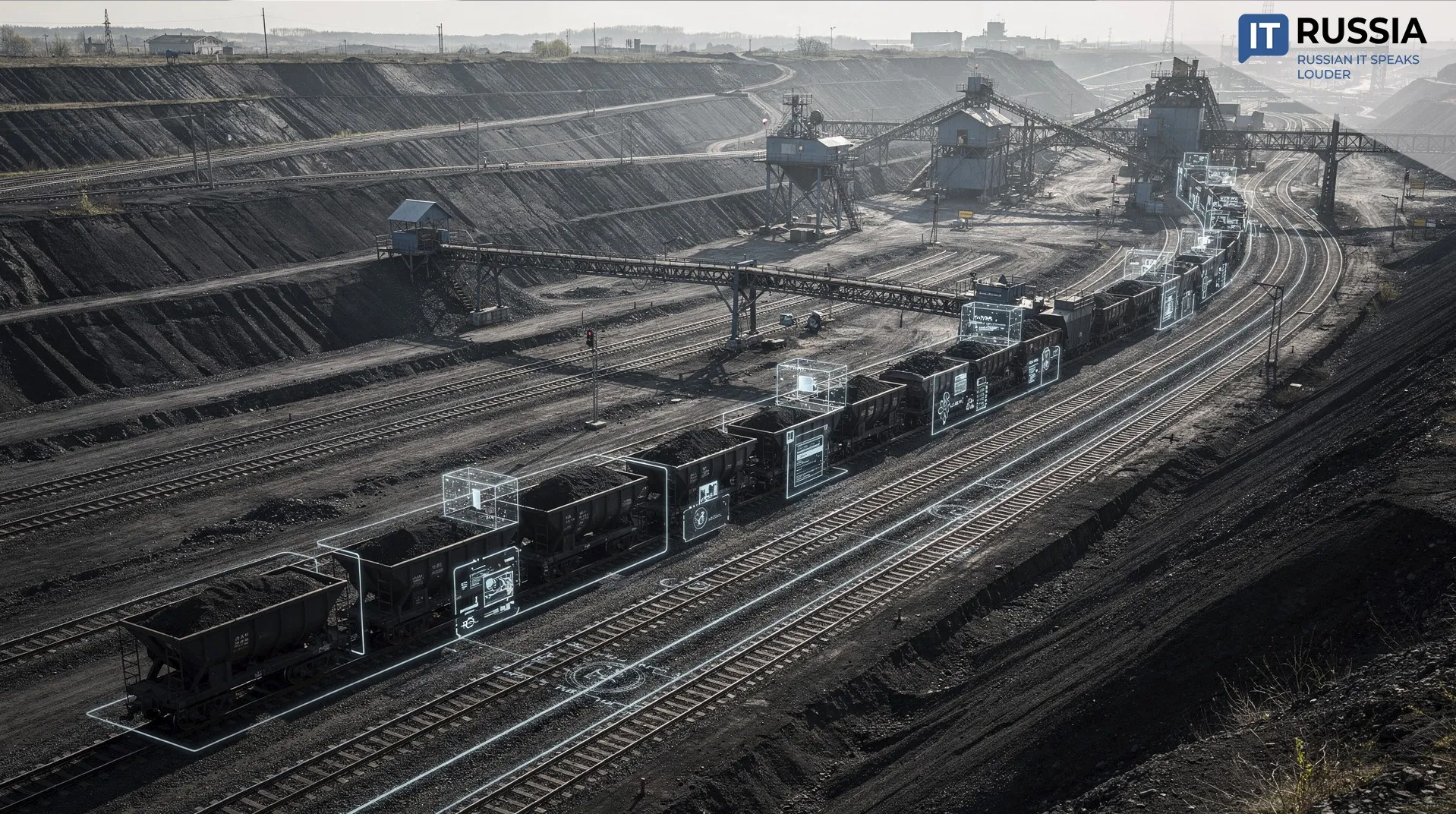
Ayteko's new center is launching amid rapidly growing demand for AI across Russian manufacturing. According to the Federal Center for Applied AI Development, 35% of industrial enterprises already have experience using neural networks, although nearly half remain at the pilot stage. Metallurgy and mining lead AI adoption, with 70% of companies already using neural networks in day-to-day operations and planning to expand their deployments. In contrast, only about one-third of companies in oil and gas, electric power and the chemical industry have moved beyond pilot projects because of more complex production chains and stricter safety requirements.
Import substitution has become another major catalyst for market growth. According to Moscow HSE University, 67% of software solutions used to deploy AI in Russia are domestically developed. Businesses value these products for their security, reliability and ease of use.
Analysts at Moscow HSE University estimate that AI deployment and utilization could contribute 11.6 trillion rubles (more than $147 billion) to the Russian economy by 2030, rising to 46.5 trillion rubles (approximately $590 billion) by 2035.
Import Substitution in Action
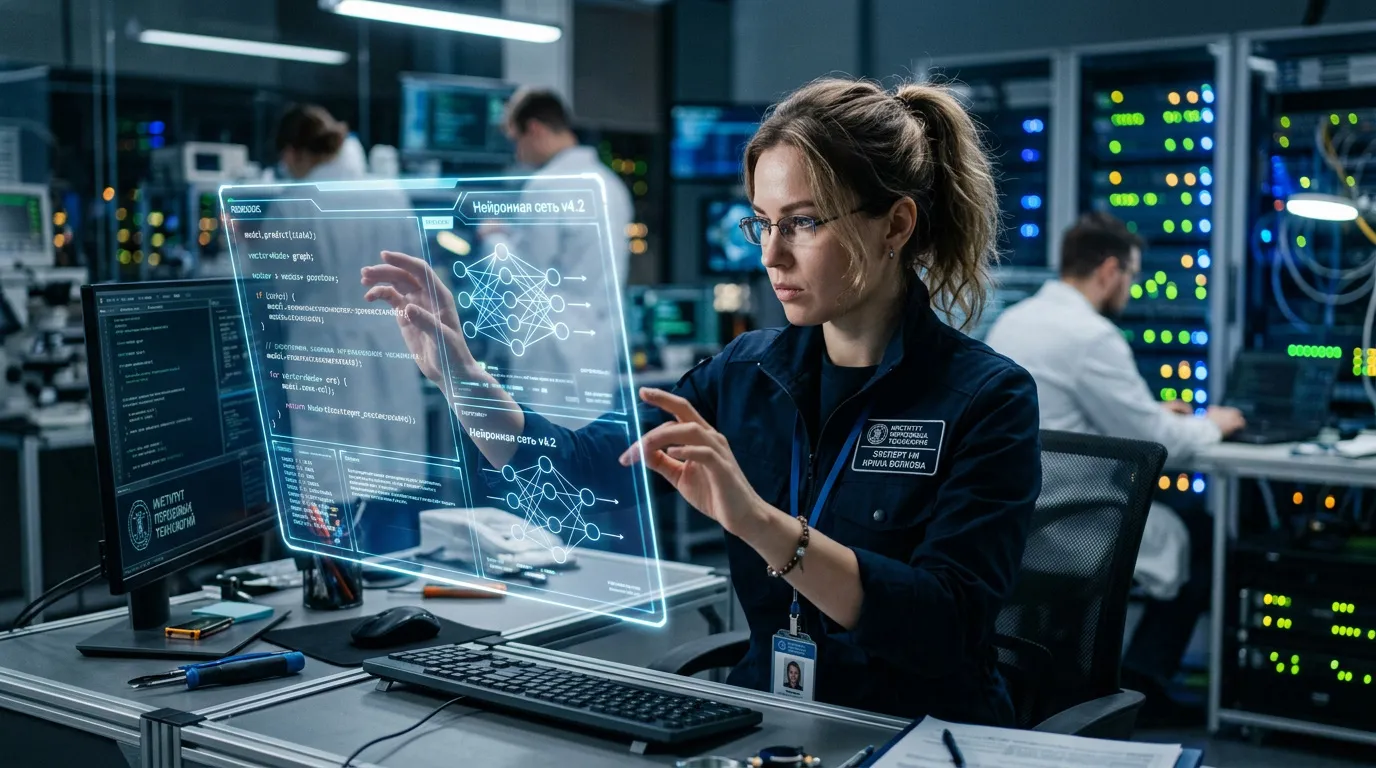
Russia's largest industrial companies are already putting neural networks to work in production. One notable example is SIBUR, which launched development of its own predictive equipment diagnostics system in 2023 after its Western technology supplier exited the market. The solution combines an enhanced Similarity-Based Modeling (SBM) algorithm with neural network autoencoder models. It operates through the company's Monitoring and Diagnostics Center, established in 2019. The platform continuously monitors thousands of pieces of equipment – including compressors, pumps and turbines – across all SIBUR production sites. Every few minutes, the models evaluate more than 600 operating parameters for each installation, including temperature, pressure, vibration and gas composition, reducing production losses by 10% to 15%.
In 2024, SIBUR, Sber and TsRT Group signed a partnership agreement to jointly develop AI products powered by GigaChat. The collaboration includes an AI assistant for diagnostic engineers, an AI advisor for procurement optimization and an AI assistant for finance teams. Within the company's R&D programs, AI will also be used to model polymers and develop materials with new properties.
Neural Networks Take Control of Production
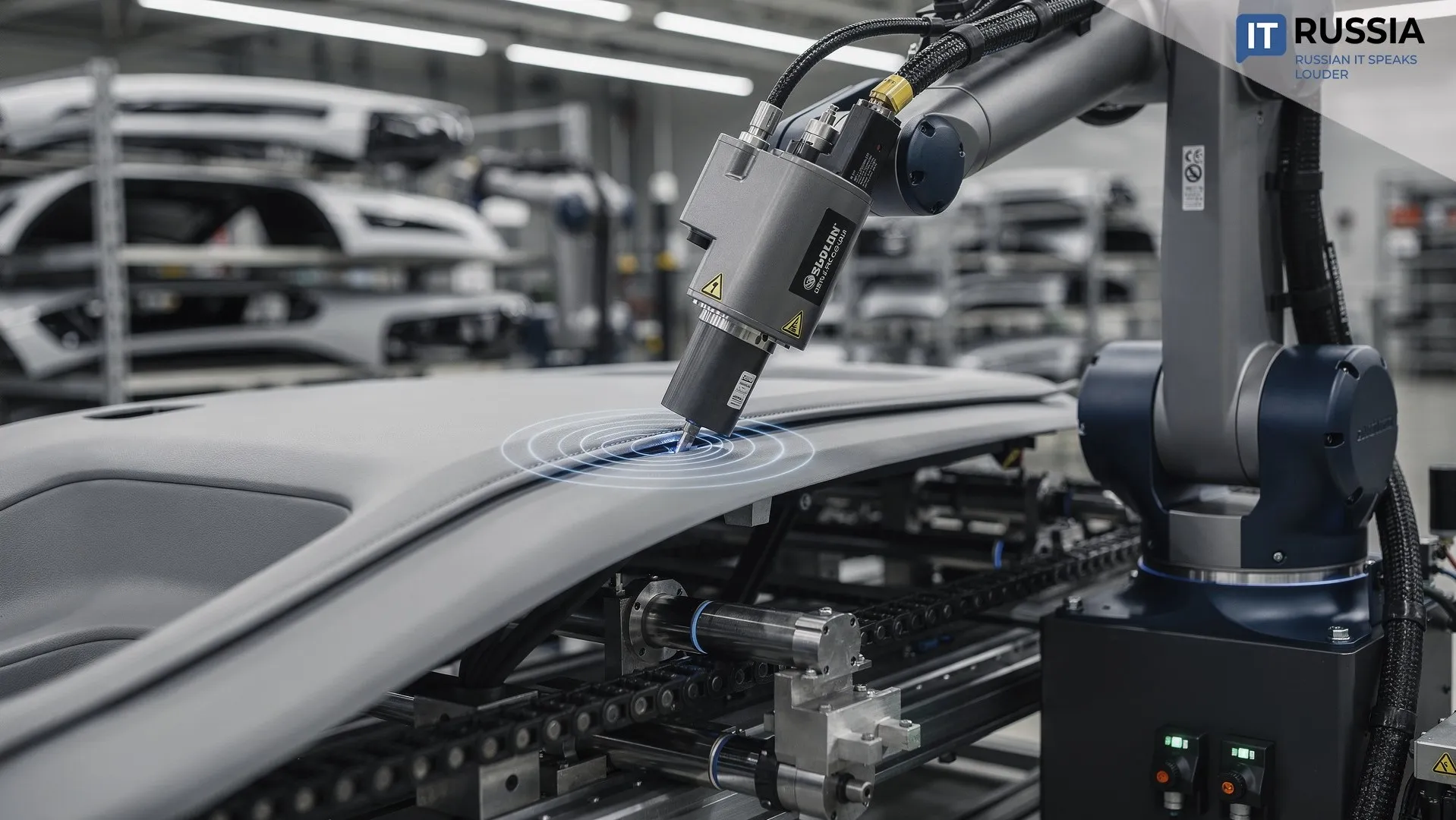
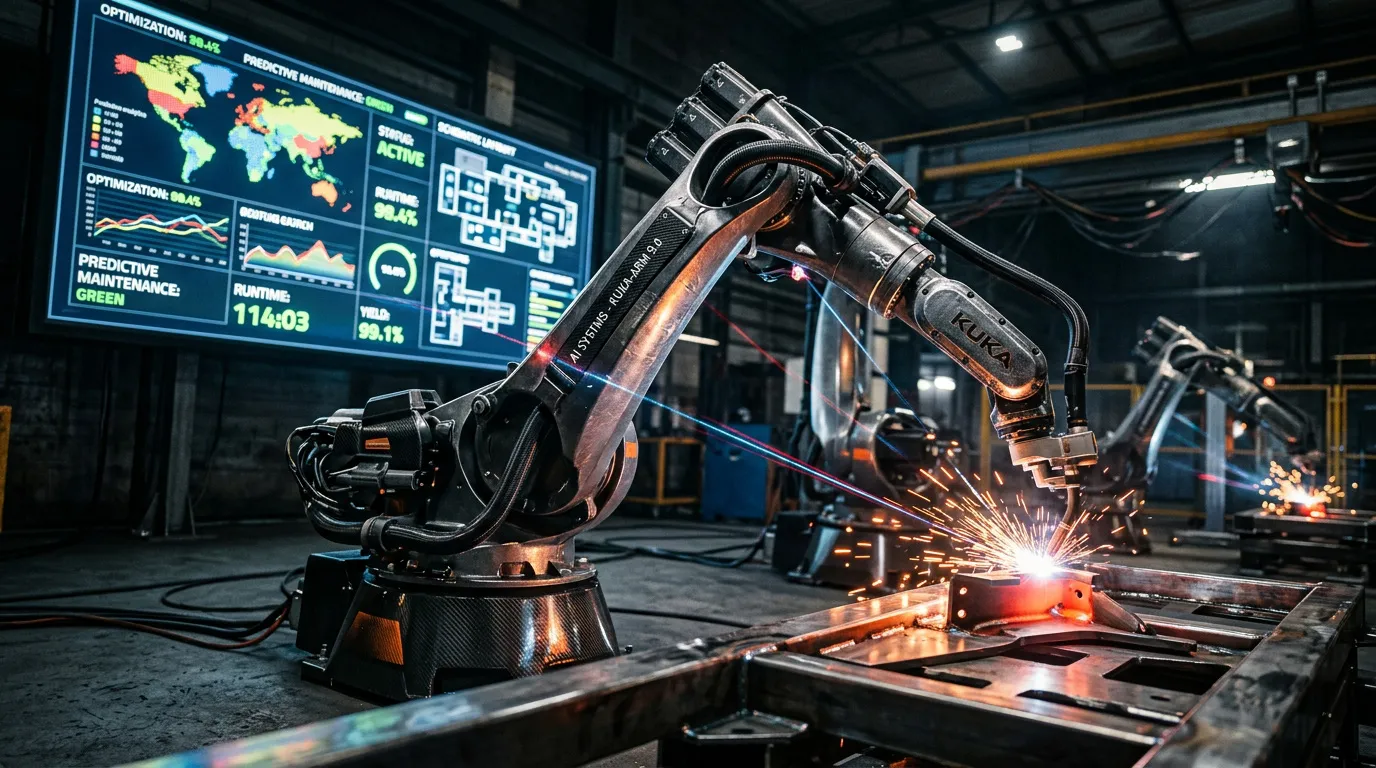
State-owned technology corporation Rostec launched its Tochka Kontrolya (Control Point) AI platform at UDK-Saturn in Rybinsk in 2024. The system automates turbine blade feeding and uses neural networks to detect microscopic defects such as cracks and weld imperfections. Two years later, the platform has entered full-scale industrial operation. It now inspects not only PD-8 engine blades but also polished compressor blades. Ultra-high-resolution cameras identify defects as small as 40 microns, while inspection results are automatically archived for further analysis.
Severstal became the first Russian steelmaker to deploy a comprehensive AI-driven product quality control system built around domestically developed alternatives to imported measurement technologies. Its Sherlock automated certification platform now covers 35 production units at the Cherepovets Steel Mill and monitors 60% of total output. Computer vision identifies visible defects, predictive models detect hidden ones and every data point is linked to each meter of rolled steel. The company expects to complete the key implementation phase by the end of 2026. Earlier, Severstal also introduced its Da Vinci generative AI platform, designed to build internal assistants that work with corporate data.
The experience of Russia's industrial leaders suggests the market is ready to scale mature AI solutions that have already proven themselves under real manufacturing conditions. Against that backdrop, Ayteko's new AI Technology Center represents a direct response to the evolving needs of Russian industry.