AI’s Growing Role in Russia’s Oil and Gas Industry
Russia’s engineering software market grew 20 percent last year, with AI spending reaching up to 15 percent of IT budgets.

Russian oil and gas companies are rapidly shifting to domestic engineering platforms and expanding the use of artificial intelligence in production. The industry is embedding digital processes across operations, from geological exploration to asset management.
Digital by the Numbers
By the end of 2025, Russia’s engineering software market reached 50–55 billion rubles (approximately $600–660 million) after growing about 20 percent year over year. Oil and gas companies now allocate between 5 and 15 percent of their IT budgets to engineering software and artificial intelligence. For the largest players, that amounts to tens and even hundreds of millions of rubles annually. The funds cover licenses, in-house product development, maintenance, and staff training.
From CAD to Digital Twins
Russian-made products are gaining ground in 2D design, BIM, and engineering document management. Companies are deploying KOMPAS-3D, T-FLEX CAD, and specialized software for modeling pipelines and process systems. At the same time, firms are expanding proprietary development, including engineering data management systems, digital twins, and geological and process modeling platforms.
AI Accelerates
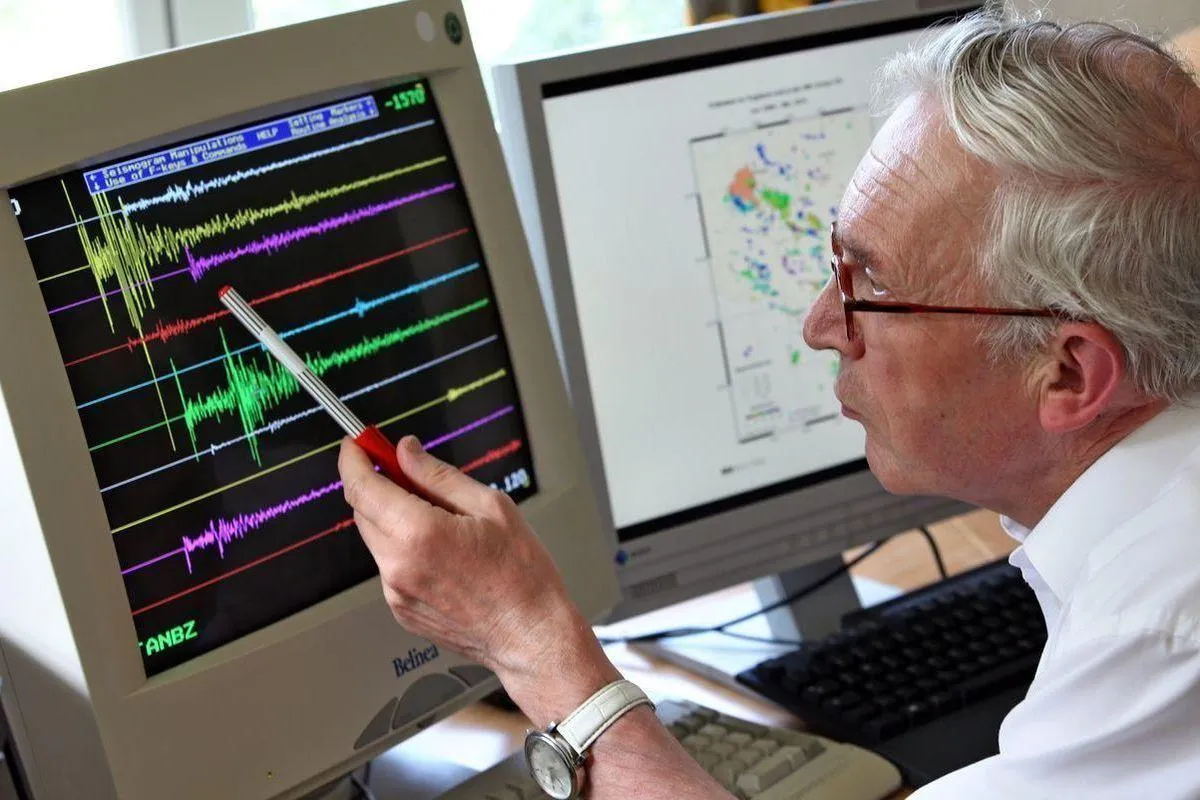
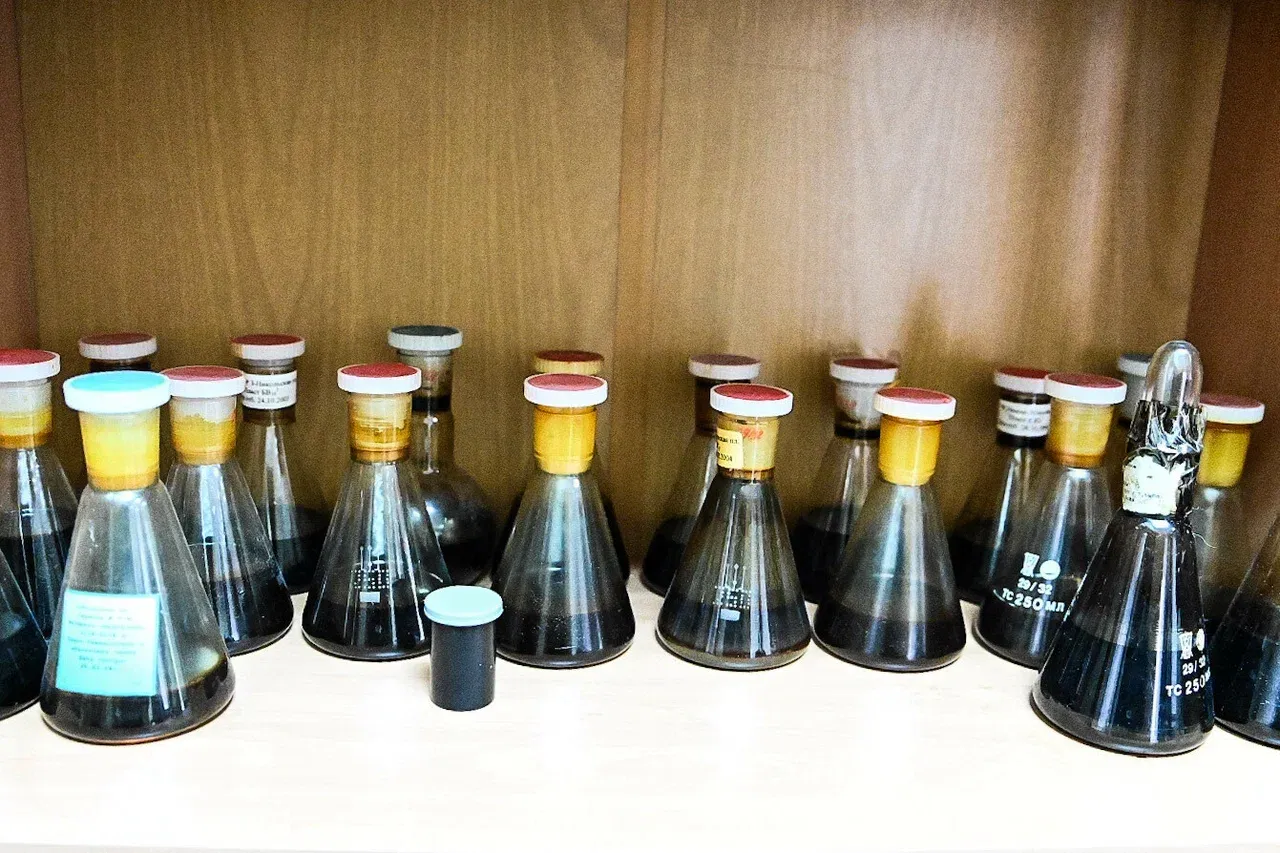
Artificial intelligence is advancing faster than traditional engineering software. The industry is moving from pilot projects to full-scale industrial deployment of AI tools. Neural networks analyze seismic data and core samples, help optimize drilling, improve oil recovery rates, and forecast equipment wear. Algorithms are also used to monitor industrial safety and prevent accidents.
According to the Ministry of Energy, the annual economic impact of AI deployment in the sector could reach 700 billion rubles (about $8.4 billion), with cumulative benefits estimated at 5.4 trillion rubles (roughly $65 billion) by 2040.