Astra Group Expert Says IT Automation Is Entering Its “Control Era”
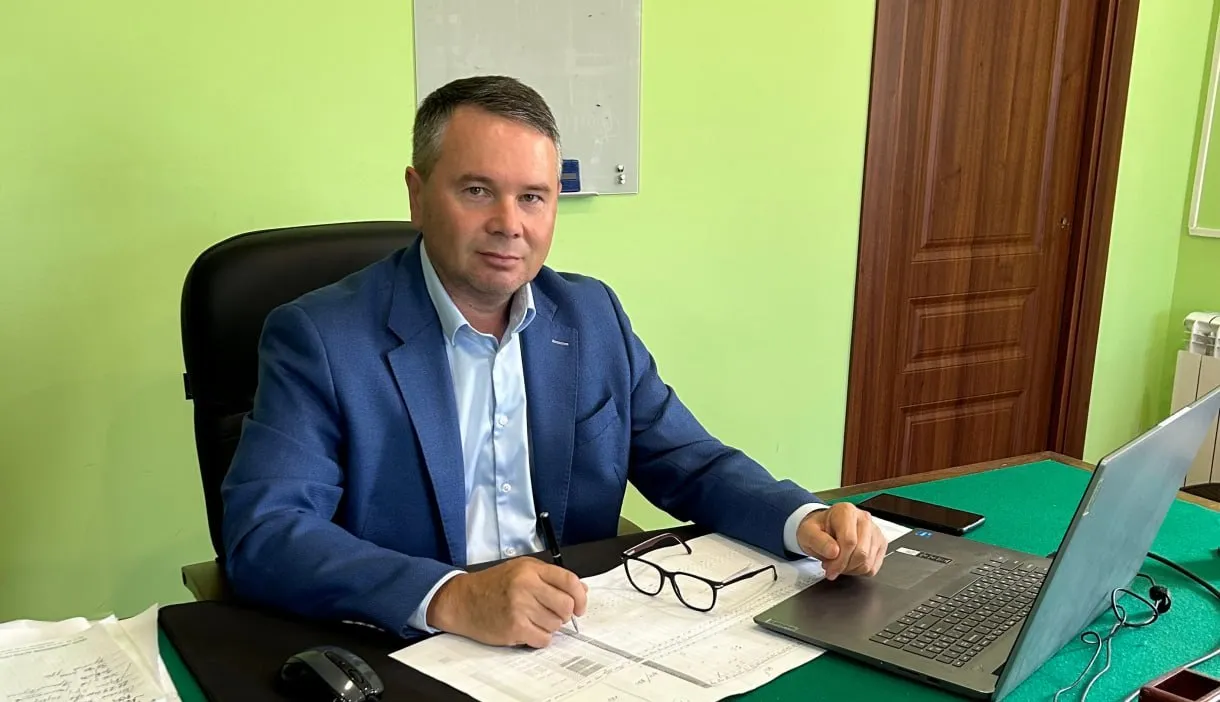
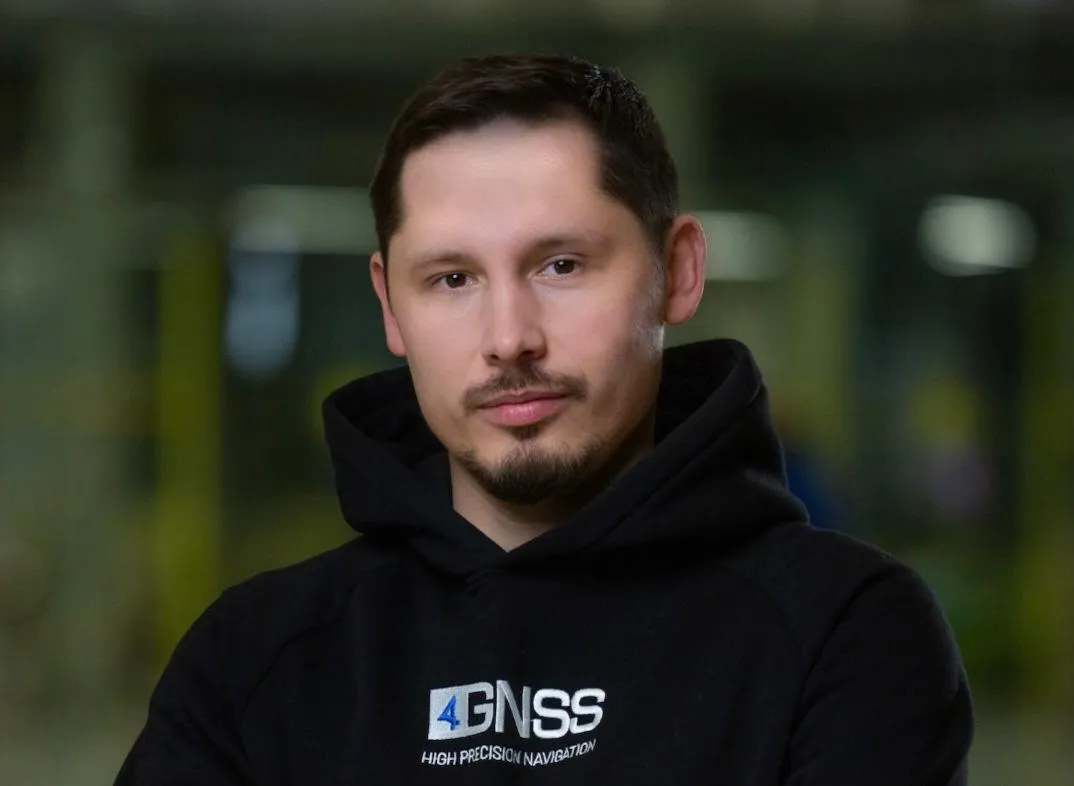
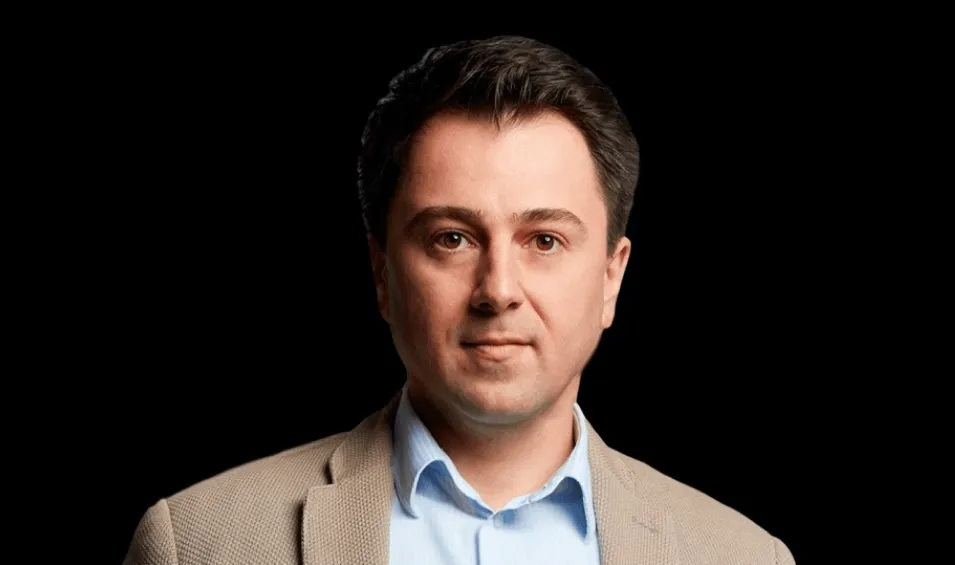
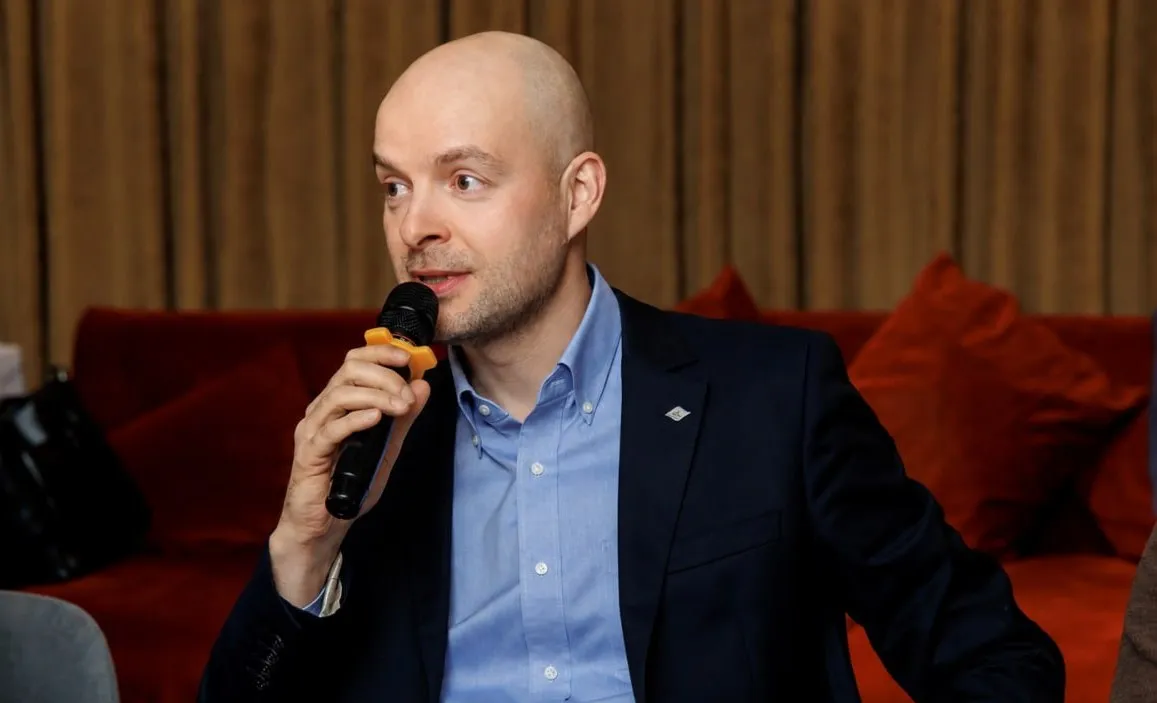
Ivan Khrulev, lead product manager for Astra Automation at Astra Group, has outlined five major trends shaping infrastructure automation in Russia’s IT market. His core argument: automation is no longer the hard part. Managing it at scale is.

According to Khrulev, the industry is moving through a pivotal transition. Automation itself has already become standard practice. What comes next is a deeper shift toward controllability and coordinated infrastructure management.
“Several years ago, companies were still adopting automation and deploying individual tools. Today, almost everyone already has automation in some form. But that creates a new class of problems tied not to executing changes, but to controlling infrastructure as a whole,” Khrulev says.
From Tools to Platforms
The first major trend is the move from standalone tools to platform-centric automation. Khrulev points to Ansible as the clearest example. According to the State of DevOps 2025 report, the technology remains one of the world’s most widely used automation platforms, including in Russia.
“Ansible has effectively become a de facto standard. Companies use it to configure servers, manage infrastructure settings, and automate routine operations. But as infrastructure grows, organizations inevitably face a new question: how do you centrally manage all these workflows instead of treating them as disconnected scripts and isolated solutions?” he explains.
The second trend is the growing risk profile that comes with scaling automation. Khrulev argues that automation alone does not guarantee resilience: “When the number of automation scenarios increases and teams operate independently, mistakes begin scaling just as fast as useful changes. Previously, an incorrect command might affect one server. Now a single faulty scenario can impact dozens or hundreds of systems simultaneously.”
That shift changes the priority. The key challenge is no longer whether automation exists, but whether organizations can govern how it is used.
Infrastructure That Reacts on Its Own
The third trend is the transition toward event-driven infrastructure management.
“Traditionally, automation relied on manually triggered workflows or scheduled execution. Now we are seeing a shift toward event-based systems, where infrastructure reacts automatically to changes,” Khrulev says.
He points to common examples: provisioning a new virtual machine, modifying configurations, or detecting deviations from predefined parameters:“In those cases, corrective actions can launch automatically without human involvement. That dramatically reduces response times and lowers operational pressure on engineering teams.”
The fourth trend is the growing importance of policies and compliance requirements.
In Russia, Khrulev says, this is especially visible because of regulatory pressure and internal standardization initiatives: “In the past, policies mostly existed as documents or procedural guidelines, and compliance depended heavily on employee discipline. Today, companies are trying to formalize those requirements so systems can automatically verify and enforce them.” That applies not only to cybersecurity controls, but also to baseline infrastructure configurations and operational standards.
Hybrid Infrastructure Changes the Rules
The fifth trend centers on the rise of hybrid infrastructure environments.
Most large organizations now operate across multiple environments simultaneously, including cloud services, own data centers, and legacy systems. “That kind of architecture inevitably makes management more complex. Different tools, different methodologies, different teams – all of it requires a unified coordination layer. Otherwise infrastructure quickly becomes opaque,” Khrulev says. According to him, this is exactly where centralized automation becomes critical.
Another important shift involves the changing role of IT specialists themselves. “The DevOps engineer is becoming less of an operator executing individual tasks and more of a process architect. The goal is no longer to connect to a server and manually configure something. The goal is to define what the system’s state should look like and how it should respond to change.” That reflects a broader industry-wide movement toward systemic infrastructure governance rather than fragmented operational management.
Overall, Khrulev believes Russian automation is entering a new phase. “Previously, companies focused mainly on speed and operational convenience. Now controllability is becoming the top priority. Organizations are beginning to understand that automation without oversight can create as many risks as the absence of automation itself. The defining trend today is the transition from automation as a collection of tools to automation as a governed system,” the Astra Automation executive concludes.







![Astra AI [Code] vs. Open Source: Why Deploying an Open Model in a Secure Environment Is Costly and Risky](https://storage.yandexcloud.net/itrussia/uploads/c3b5b6da-1bf7-49cb-817e-0bab1cea8cff.webp)