Digital Disaster Scenarios: New Model Simulates Nuclear Power Plant Accidents
Russian researchers have developed a model capable of simulating how scenarios unfold at a nuclear power unit in real time.
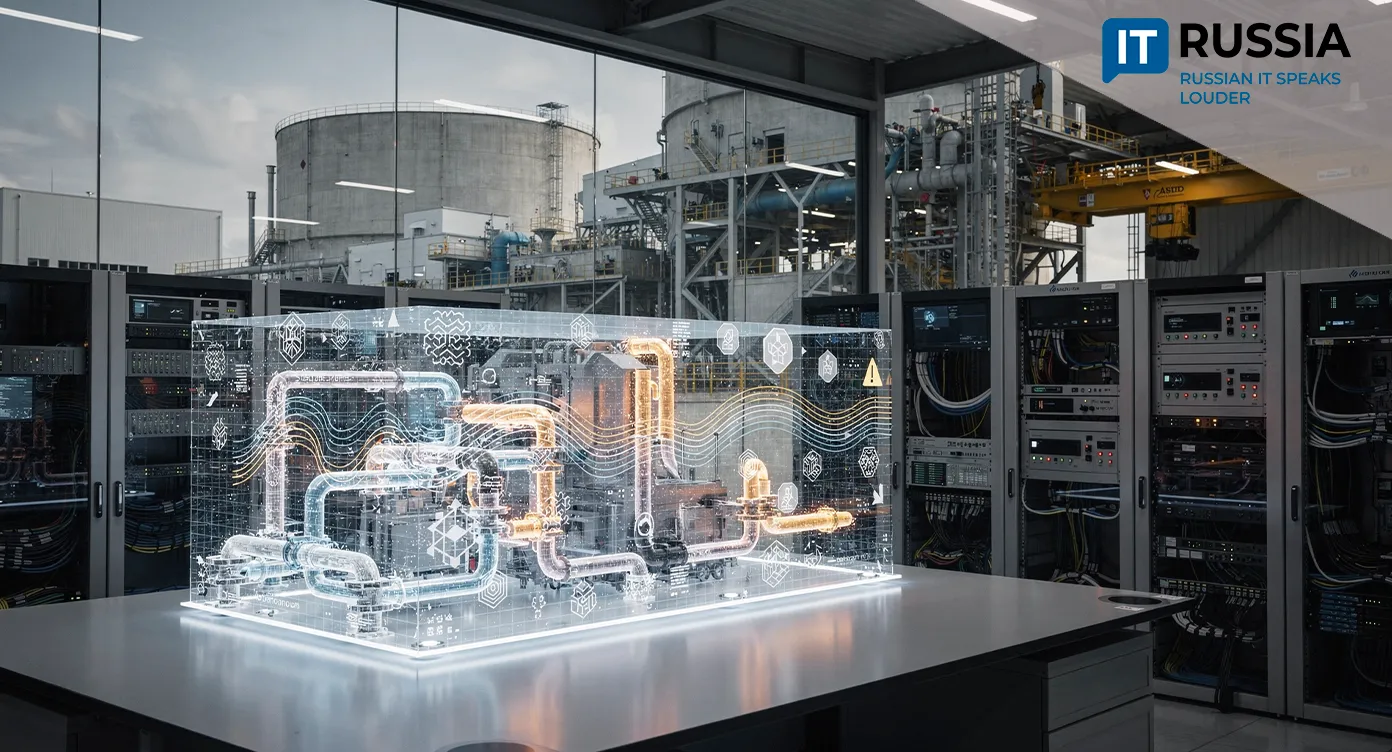
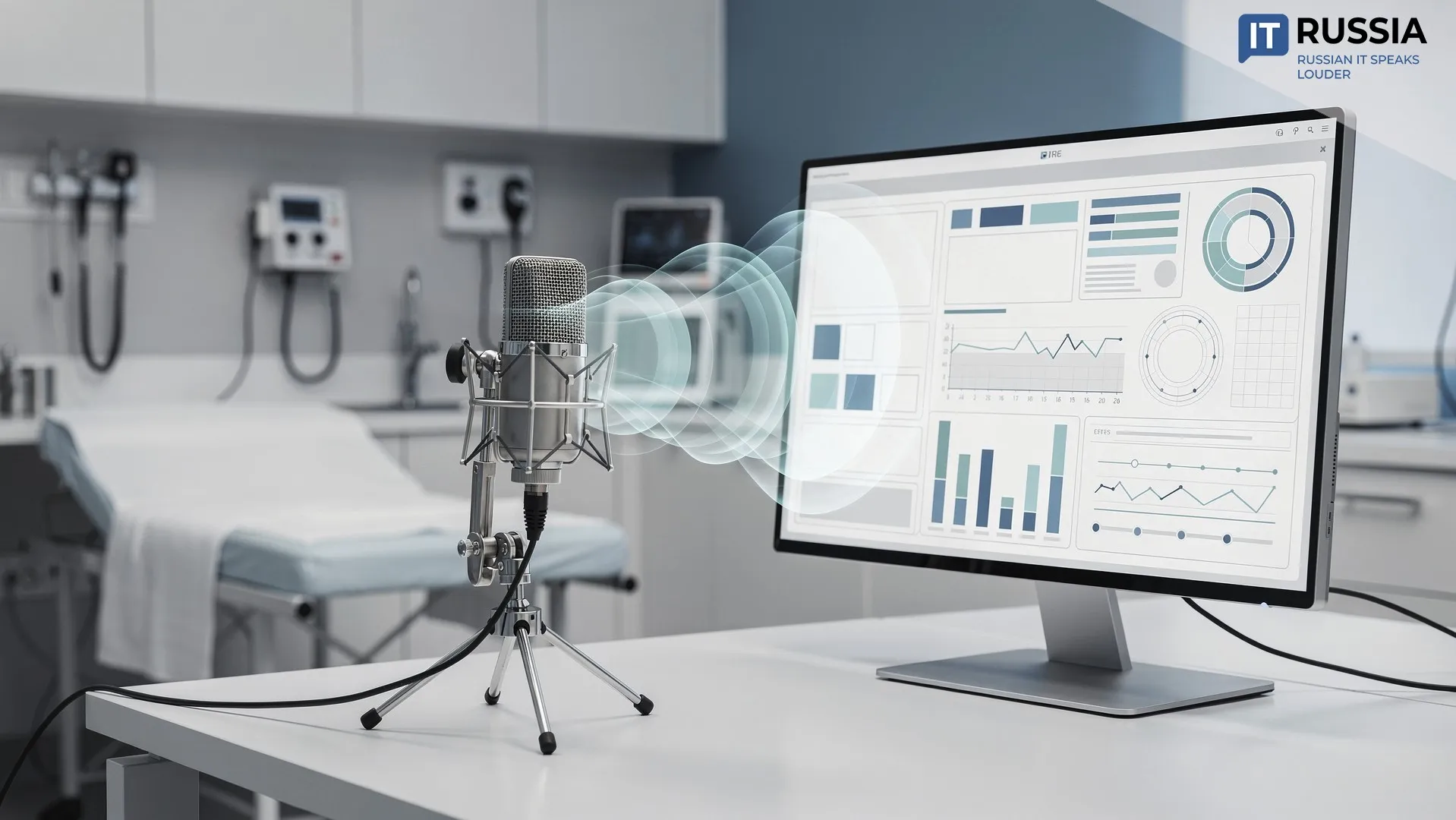
The Nuclear Safety Institute of the Russian Academy of Sciences (IBRAE RAN), together with the All-Russian Research Institute for Nuclear Power Plant Operation (VNIIAES), has created software that enables real-time simulation of power unit behavior. The system accounts for a wide range of scenarios, from normal operation to severe accidents, helping operators anticipate the consequences of different response measures. It serves as an advanced decision-support tool for nuclear safety.
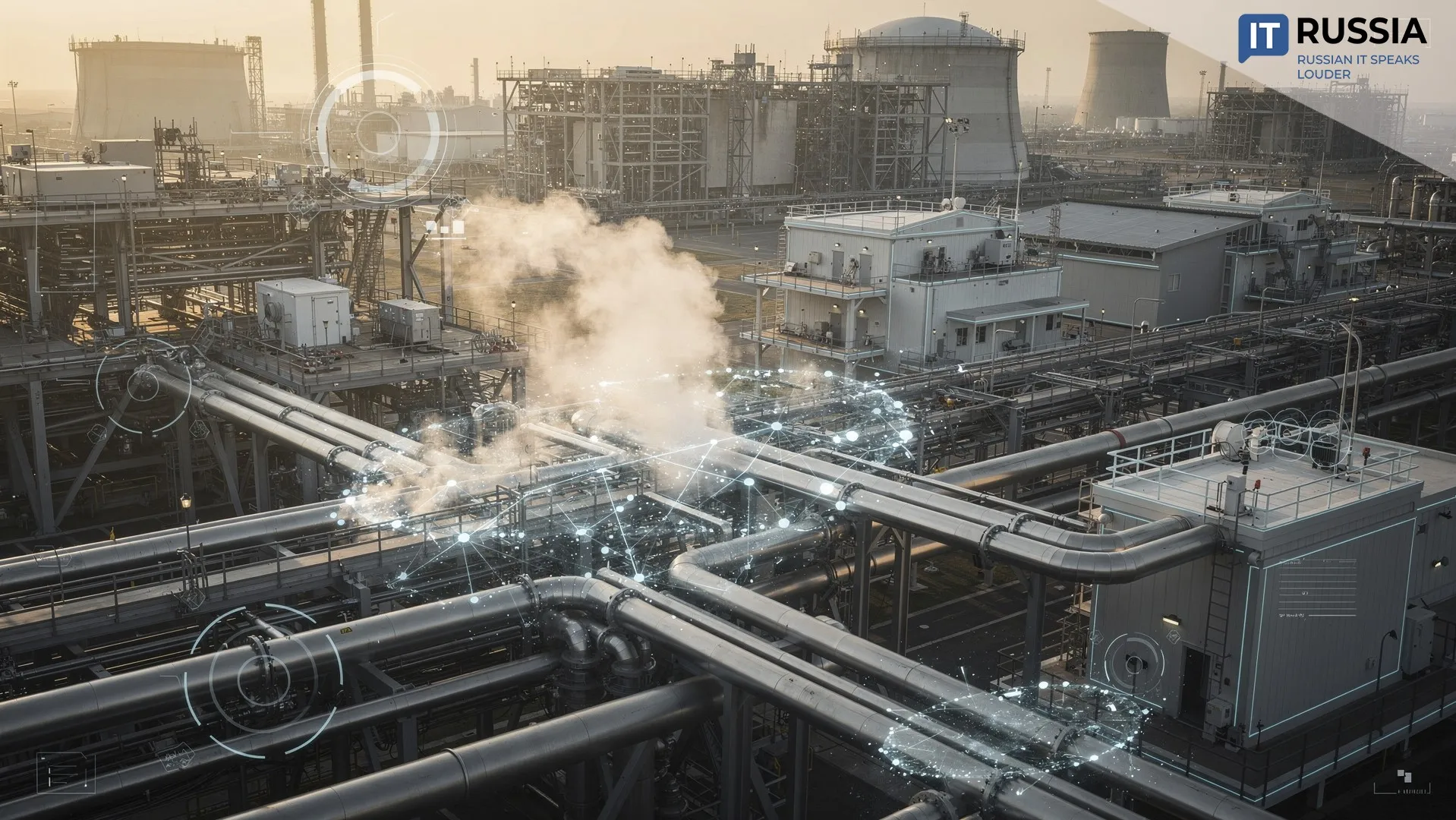
The development is part of VNIIAES’s broader work on the so-called virtual-digital nuclear power plant. Digital twins of power units, combined with supercomputer simulations, are used to test how facilities respond under normal, transient, and emergency conditions. These solutions form a distinct layer of digital infrastructure for the nuclear sector.
How It Works
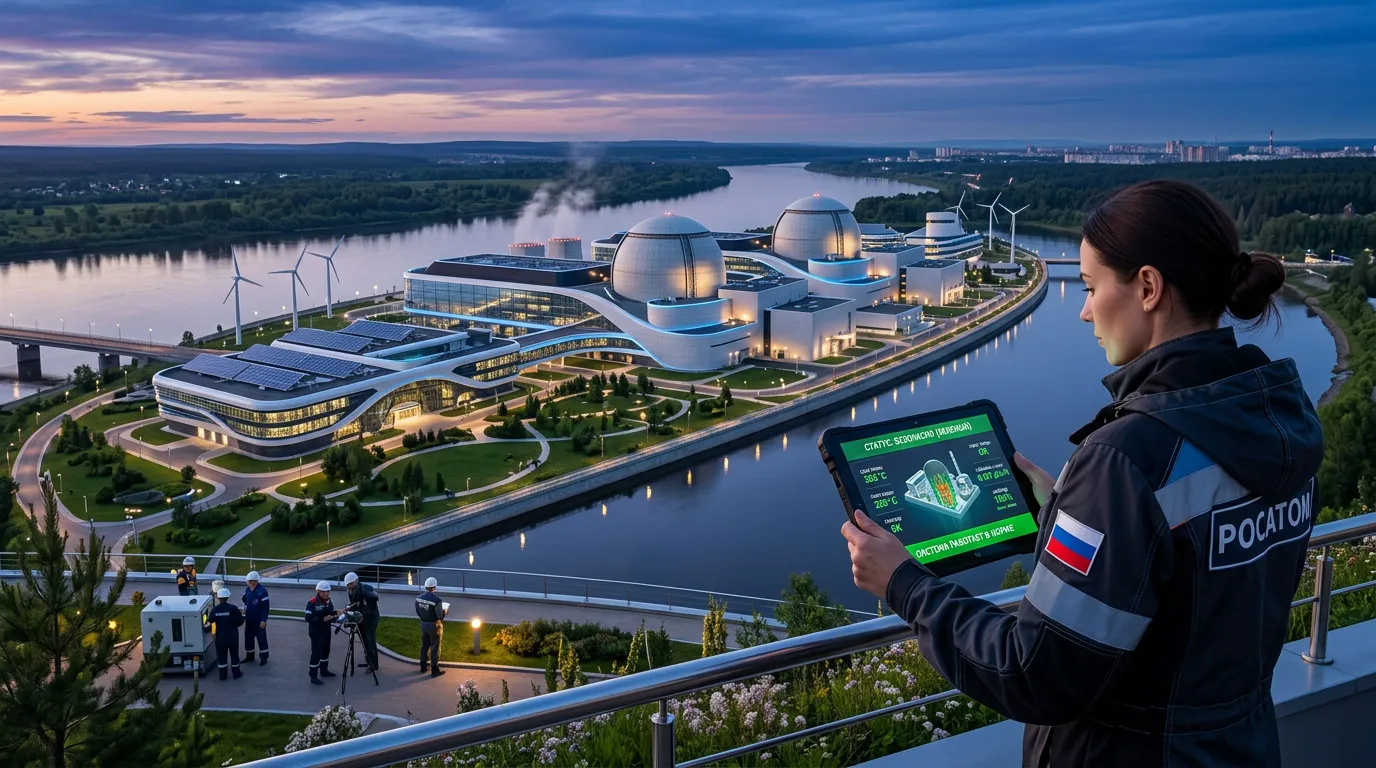
The system integrates data on reactor performance, equipment status, and control systems into a unified model. It then recalculates event progression at the unit level, showing how conditions evolve in the event of component failures, operational changes, or cascading abnormal events. This allows not only real-time monitoring but also evaluation of which mitigation measures are most effective and timely.
This creates a digital environment where multiple scenarios can be repeatedly simulated and compared. As a result, such platforms bring together computational software, digital modeling, and decision-support systems into a single integrated framework.
The Russian Academy of Sciences has also prepared a national report marking the 40th anniversary of the Chernobyl nuclear accident. The document consolidates decades of research on accident consequences, population protection measures, contaminated territories, and long-term health impacts, while offering conclusions relevant to modern nuclear energy. It highlights how safety approaches have evolved over the decades since the disaster.
Implications for the Nuclear Industry
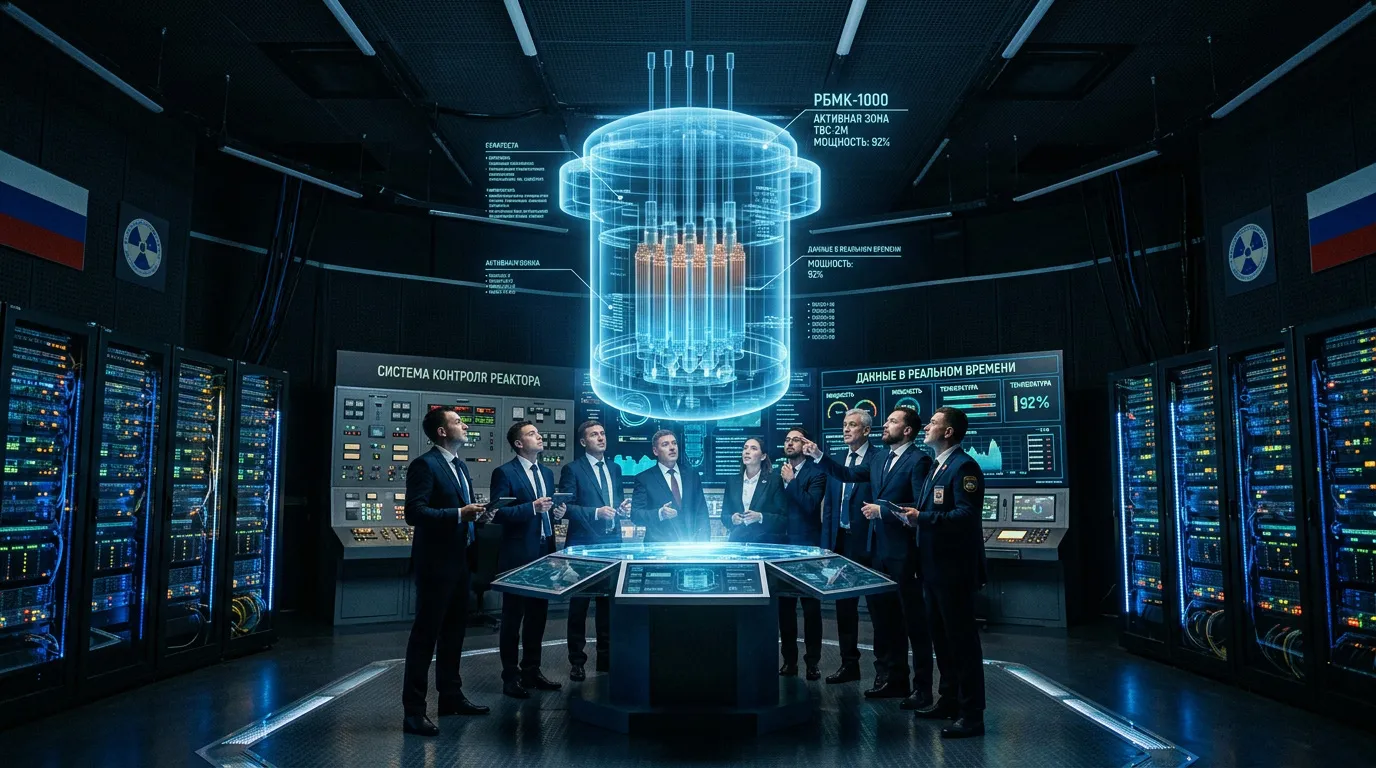
For both operating and under-construction nuclear plants, the system provides a more precise understanding of potential risks. It can be used to assess the consequences of abnormal situations in advance, select appropriate mitigation strategies, and test different response scenarios. This is particularly valuable for crisis centers, plant operators, and safety teams responsible for power unit operations.
Digital modeling technologies have already become a key component of technological sovereignty. In the nuclear sector, it is not enough to develop computational models - they must also be validated and integrated into operational procedures. In Russia, such infrastructure is already in place, with certified software libraries regularly updated.
A Culture of Predictive Safety
The next step is to expand the use of such systems across the entire lifecycle of nuclear power plants - from design and personnel training to operation, emergency preparedness, and decommissioning. VNIIAES has long been advancing the concept of the virtual-digital NPP, while IBRAE RAN develops systems for radiation environment forecasting and decision support. Together, these efforts are forming a unified digital ecosystem for nuclear safety.
If these solutions prove effective at domestic facilities, they could be included as part of the export package for international nuclear projects - alongside equipment, training, and service offerings. This would position the technology not just as an engineering tool, but as part of a broader safety culture.
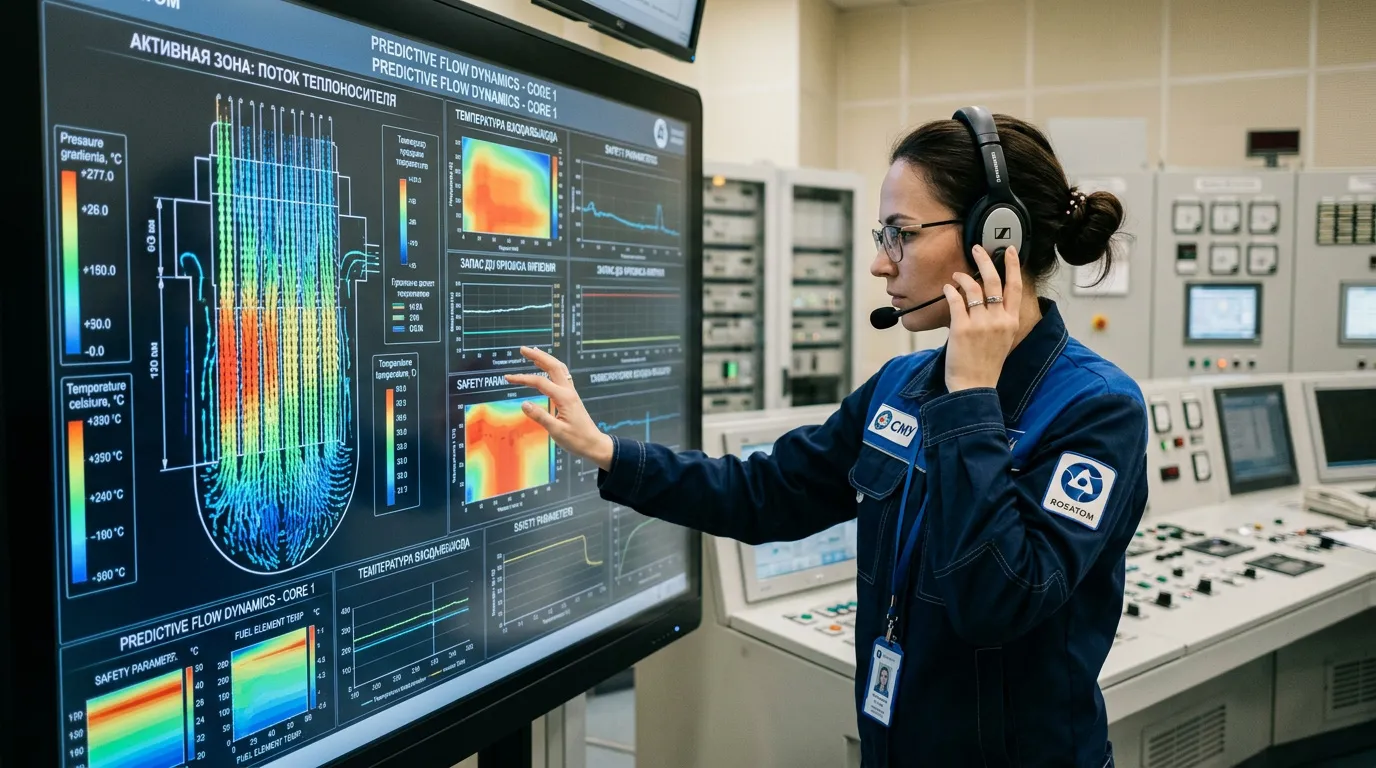
Following Chernobyl, the nuclear industry recognized that safety must be based on predictive analysis rather than reactive measures. The new system allows operators to anticipate the development of situations in advance, providing critical time to make informed decisions - one of the most valuable resources in nuclear energy.