EVRAZ Deploys AI to Optimize Thawing of Primary Ore Concentrate
At the Abagur Processing Plant, a digital system now manages the thawing of primary ore concentrate, using algorithms to calculate optimal heating regimes for each railcar batch.
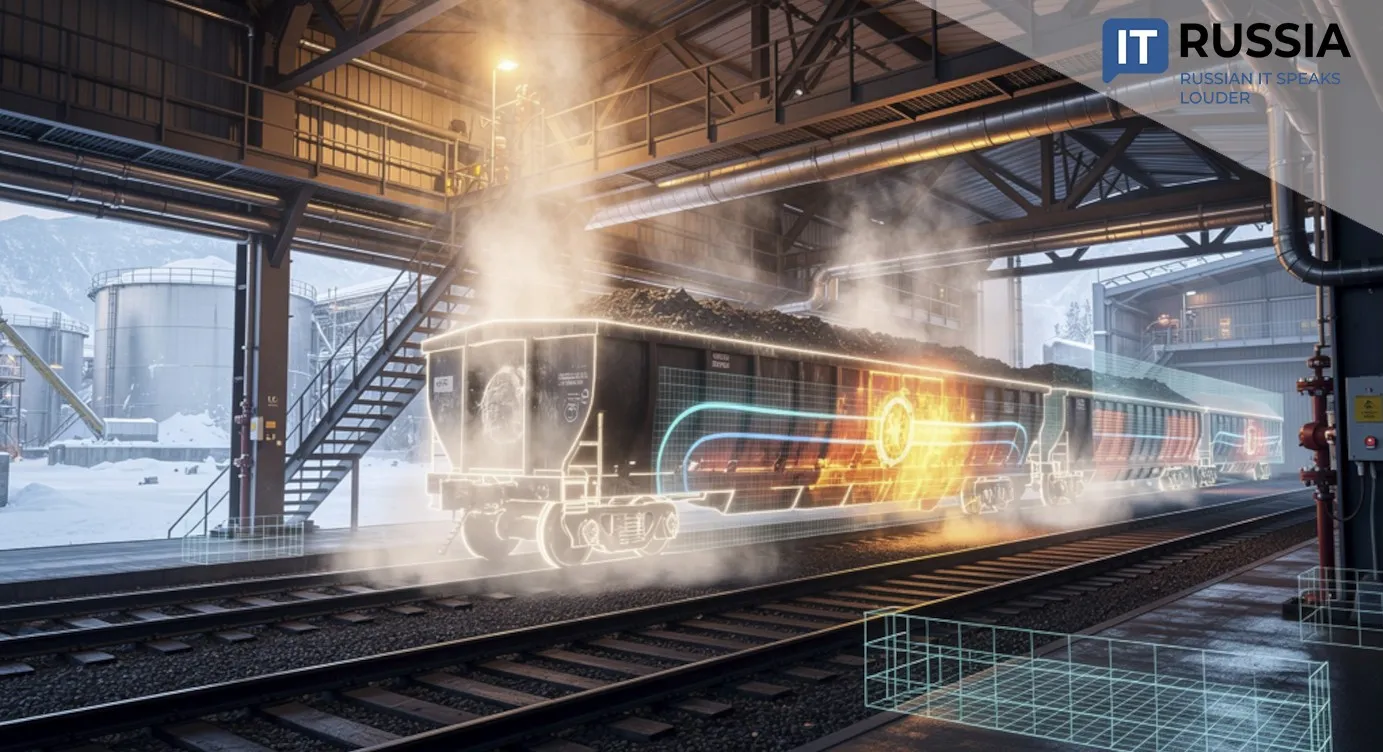
The system determines the optimal heating profile for railcars based on analysis of temperature conditions and raw material type. Processing time is calculated individually for each batch, and the system also builds a structured digital archive of operational data.
Heat Retention Drives Efficiency Gains
The operational impact is already measurable: average railcar heating time has dropped from 3.5 hours to 3 hours. In aggregate, this efficiency gain allows the plant to process up to an additional 26,000 tonnes of concentrate per month. The reported economic effect totals RUB 10.62 million annually (approximately $115,000). These results stem not only from reduced energy consumption but also from lower rolling stock downtime.
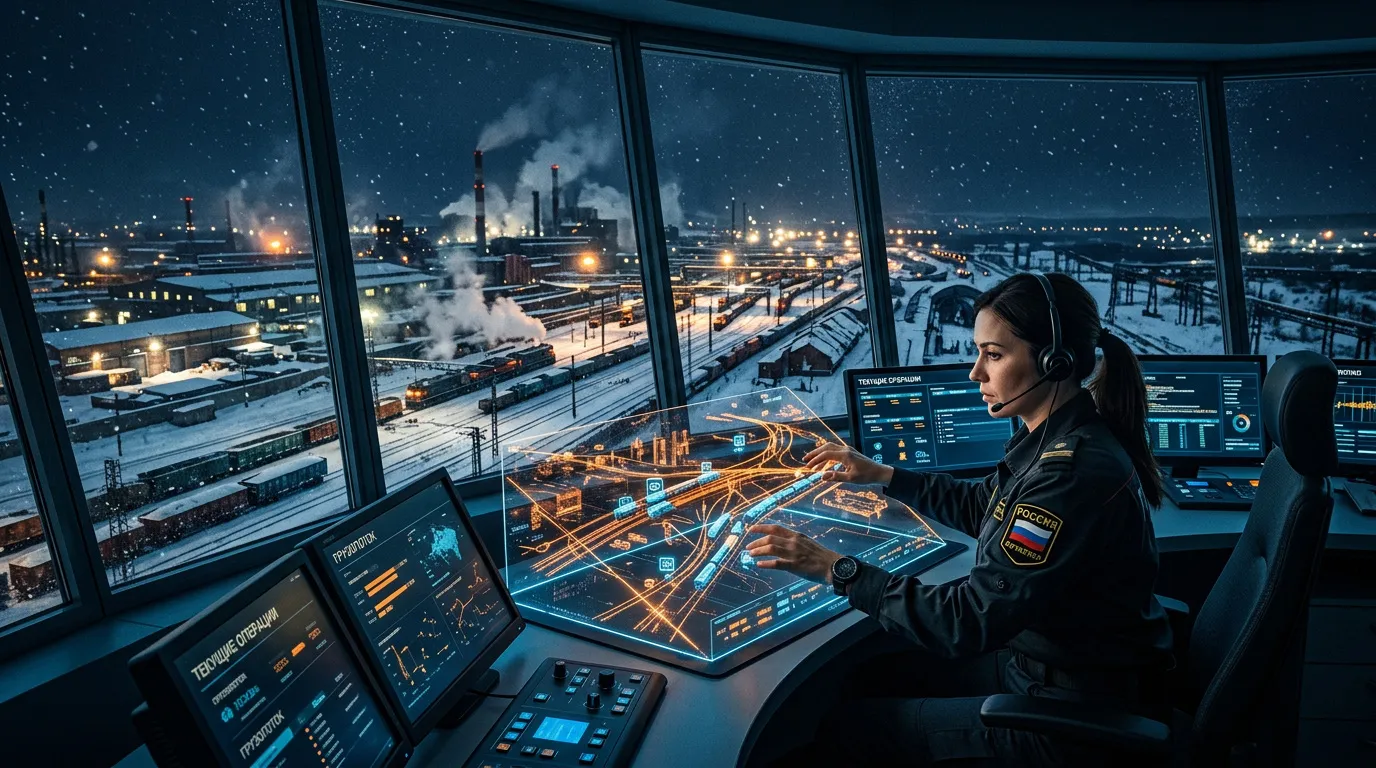
Previously, thawing operations relied on operator judgment. The absence of standardized methods and objective criteria led to delays and unpredictable preparation times for railcars. With the new system, human involvement has shifted away from direct process control, with personnel now monitoring operations remotely.
While the deployment covers a single facility, the results point to broader improvements in the stability of metallurgical supply chains and more consistent raw material delivery.
The project aligns with EVRAZ’s broader development strategy, which emphasizes large-scale digitalization of production processes. At the same Abagur plant, upcoming deployments include predictive analytics for slurry pipeline condition, dynamic control of beneficiation processes, and automated water supply management for separators.
Manual Control Gives Way to Data-Driven Operations
In industrial operations, even incremental improvements can deliver significant economic returns. In the context of rising logistics costs, equipment constraints, and pressure to reduce operating expenses, such solutions contribute to technological sovereignty by reducing reliance on manual control.
The thawing management system is designed as a scalable solution. Algorithmic control of winter operating conditions, raw material logistics, and process cycles can be applied across mining and metallurgical operations in cold climates with long transport distances. This case signals a transition from isolated digital tools to integrated, data-driven process control systems.
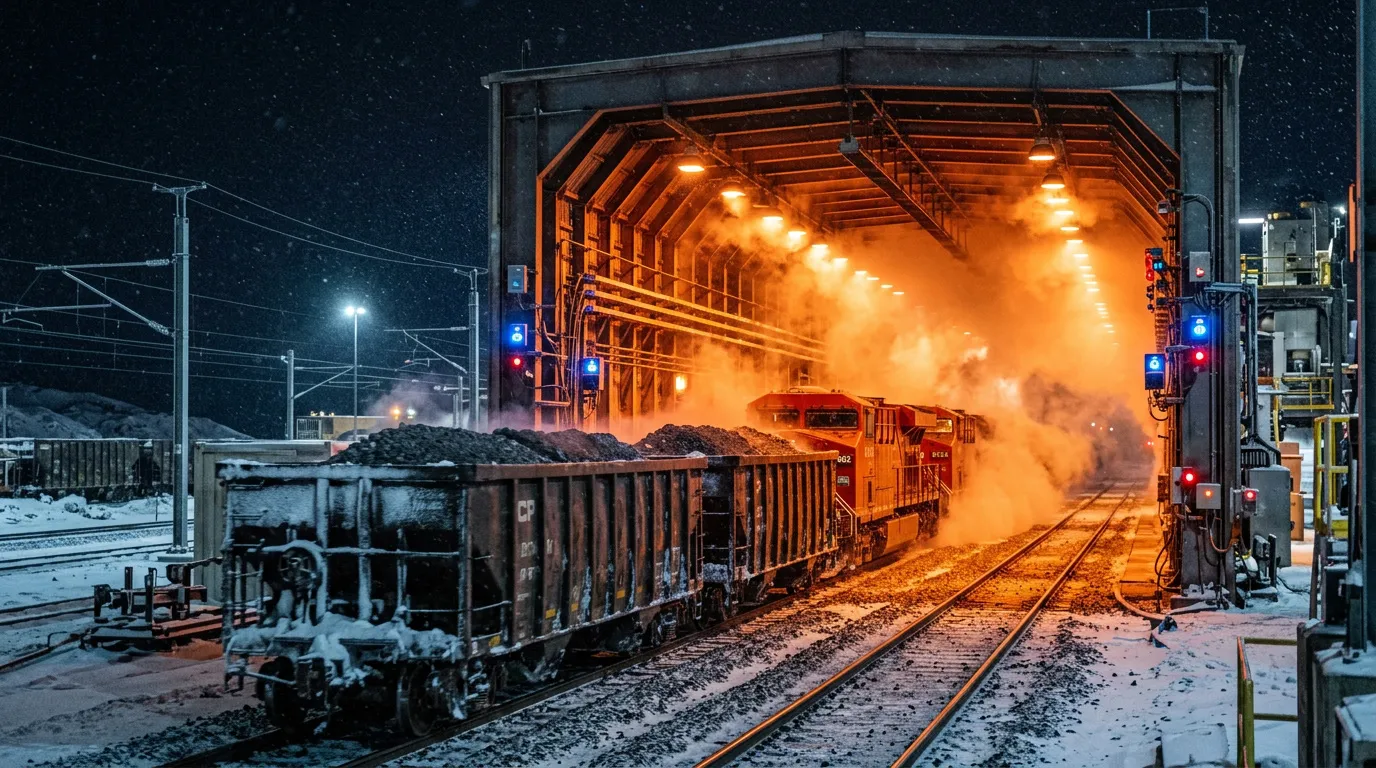
EVRAZ first introduced a digital advisory system for railcar residence time in thawing garages in 2022. That software accounted for factors such as concentrate moisture, transit time, and ambient temperature. The current project demonstrates the system’s evolution into a fully operational solution with measurable performance indicators.
Company-Wide Digital Transformation
The solution is likely to be replicated across other facilities. EVRAZ has already demonstrated this approach with its dynamic beneficiation control system at the Abagur plant, which was later scaled to other processing plants. In 2023, the company also developed a digital twin of its transport infrastructure, enabling simulation of loading and unloading volumes under varying equipment levels, operational scenarios, and track configurations. These systems could ultimately be integrated into a unified digital solution covering the full production chain from raw material intake to concentrate output.
In 2025, the same plant deployed a digital advisory system for roasting operations, which analyzes process parameters and recommends optimal settings for speed, feed volume, and temperature. Within six months, the system delivered savings of RUB 35 million (approximately $380,000).
These developments reflect a broader nationwide shift toward digital twins and algorithmic control in mining. The industry is moving toward fully data-driven operational management.