From Resorts to High Tech: Crimea Charts a New Industrial Path
Crimea is taking its first step toward building a domestic robotics industry, joining Russia’s nationwide push for industrial automation.
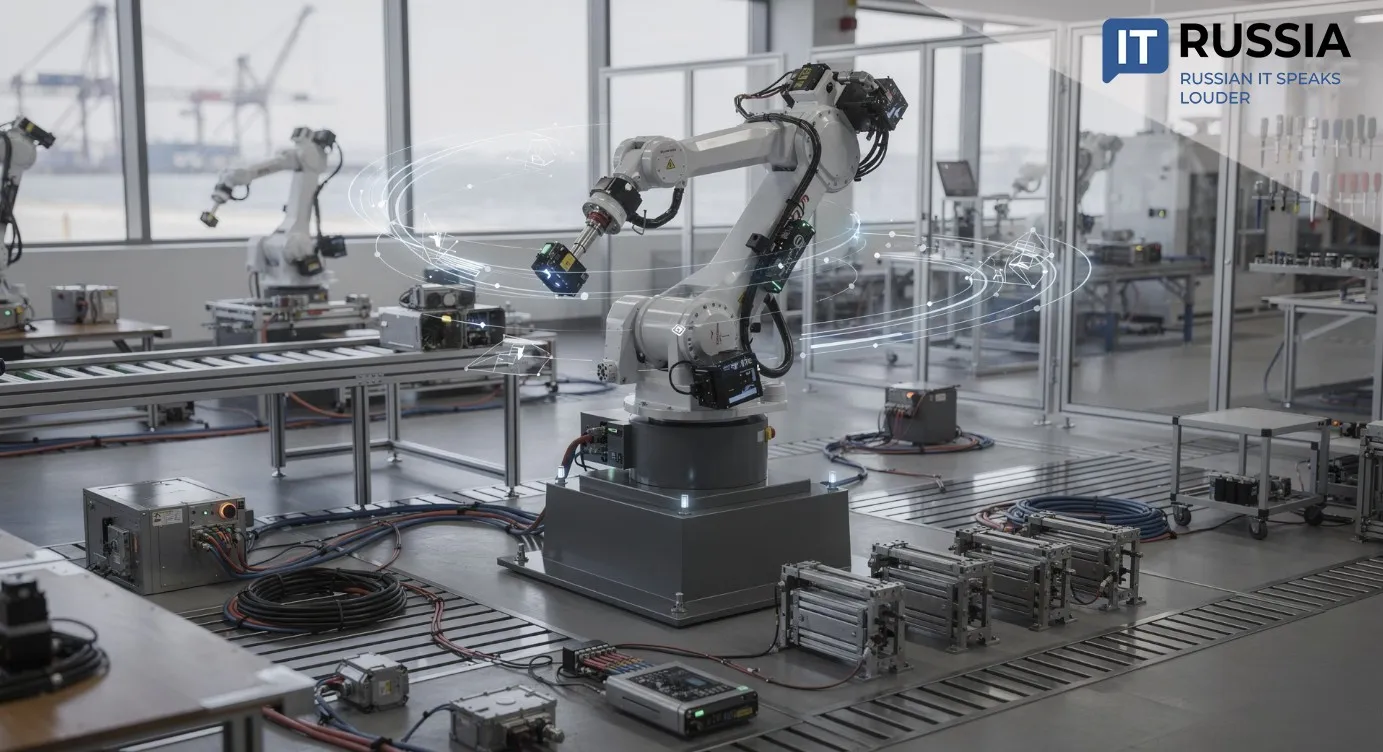
Crimea Shifts Its Industrial Profile
An ambitious project to establish local production of industrial robots has launched in the Republic of Crimea. A working group has already been formed, a roadmap is under development, and engineers are designing the first prototype. This marks the beginning of a systematic effort to modernize the peninsula’s industrial base, a sector that for years remained on the margins of digital transformation.
The project is strategic in scope. At the regional level, it aims to address a shortage of automation solutions for local manufacturers, ranging from machine building to food processing and related industries. Against the backdrop of Russia’s national robotics agenda, enshrined in government programs through 2030, Crimea is seeking not merely to catch up but to carve out its own niche within the country’s emerging industrial ecosystem.
Success will hinge on several key factors. Chief among them is access to skilled talent and scientific expertise. Cooperation with universities and research centers, along with participation in federal programs, will be critical. Equally important are investment and government support. Without them, even the most ambitious initiatives risk remaining on paper.
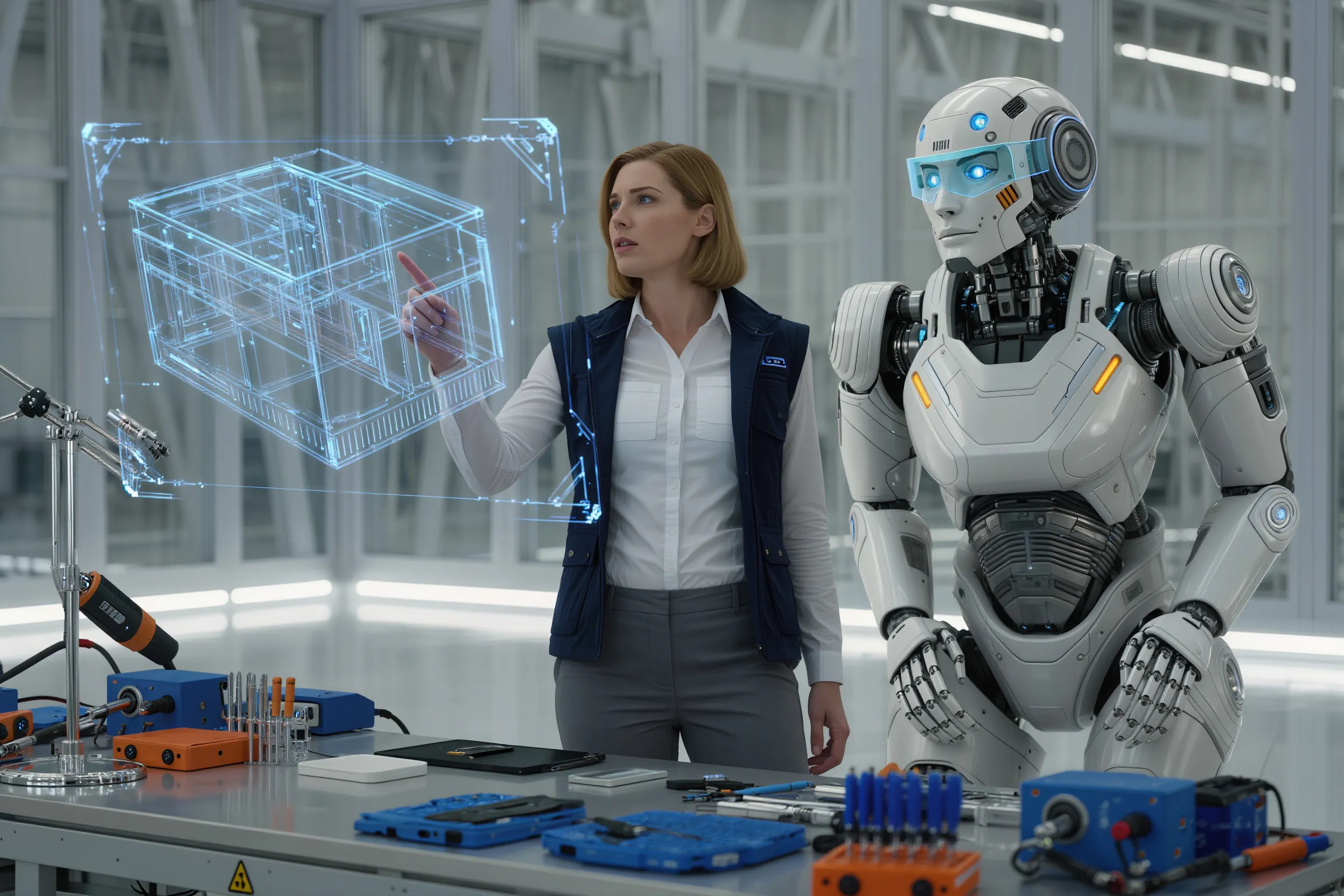
Russia Builds a Robotics Backbone
Over the next six years, Russia plans to allocate roughly $1.7 billion to robotics development.
A broad package of state support measures is designed to stimulate demand, fund research and development of new robotic systems, and build technological infrastructure. This includes the creation of thirty regional robotics development centers currently being established across the country.
In early December 2025, new support measures for domestic robotics manufacturers were announced. Russian producers of industrial robots may qualify for a reduction in the corporate profit tax rate from the standard 25 percent to 3 percent, as well as access to subsidies covering up to 70 percent of R&D costs.


Federal programs target a national robot density of 145 units per 10,000 people, and up to 230 robots per 10,000 employees at state-owned industrial enterprises. The Crimean initiative could become part of this broader trajectory.
For local residents, this means not only the creation of high-tech jobs but also reduced reliance on imported solutions, an especially important factor under ongoing sanctions pressure. At the national level, localized robot production strengthens technological sovereignty and supports the drive toward digital independence. While the project is currently regional, its potential extends well beyond Crimea. If successful, its products could find demand across the CIS and EAEU markets.
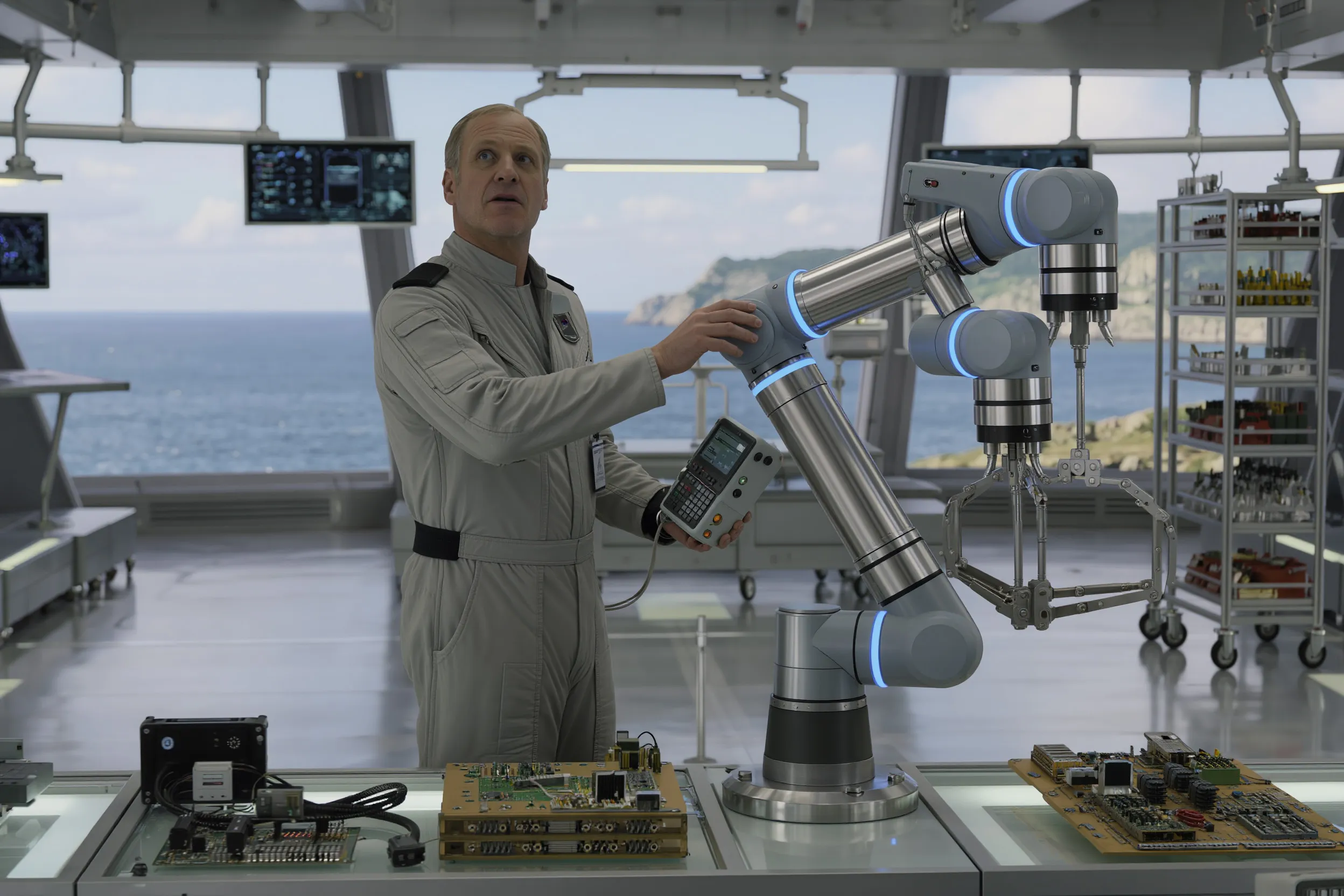
One National Course, Multiple Regions
Experience from other regions shows that such initiatives can deliver results. In Moscow, around 25 companies are engaged in the development and production of robots for a wide range of economic sectors. The city government offers developers a comprehensive support system that includes both financial and non-financial instruments. Robots produced by Moscow-based firms are used in industry, agriculture, warehousing, and emergency response. Robotics has emerged as one of the most promising high-tech sectors reshaping the city’s industrial landscape.
In 2025, Chelyabinsk launched the Industrial Robotics Development Center at South Ural State University. The facility is one of the satellite centers in a federal network coordinated under Innopolis University. The project was implemented with support from the regional governor and government, in partnership with the Chelyabinsk Forge-and-Press Plant and the company Russian Robot. The center’s mission is to deploy robotic systems in real-world manufacturing, develop innovative solutions, and train a new generation of specialists.
Laying the Groundwork for a Robotics Cluster
By drawing on the experience of other Russian regions, Crimea has an opportunity to integrate into the country’s broader robotics support infrastructure.
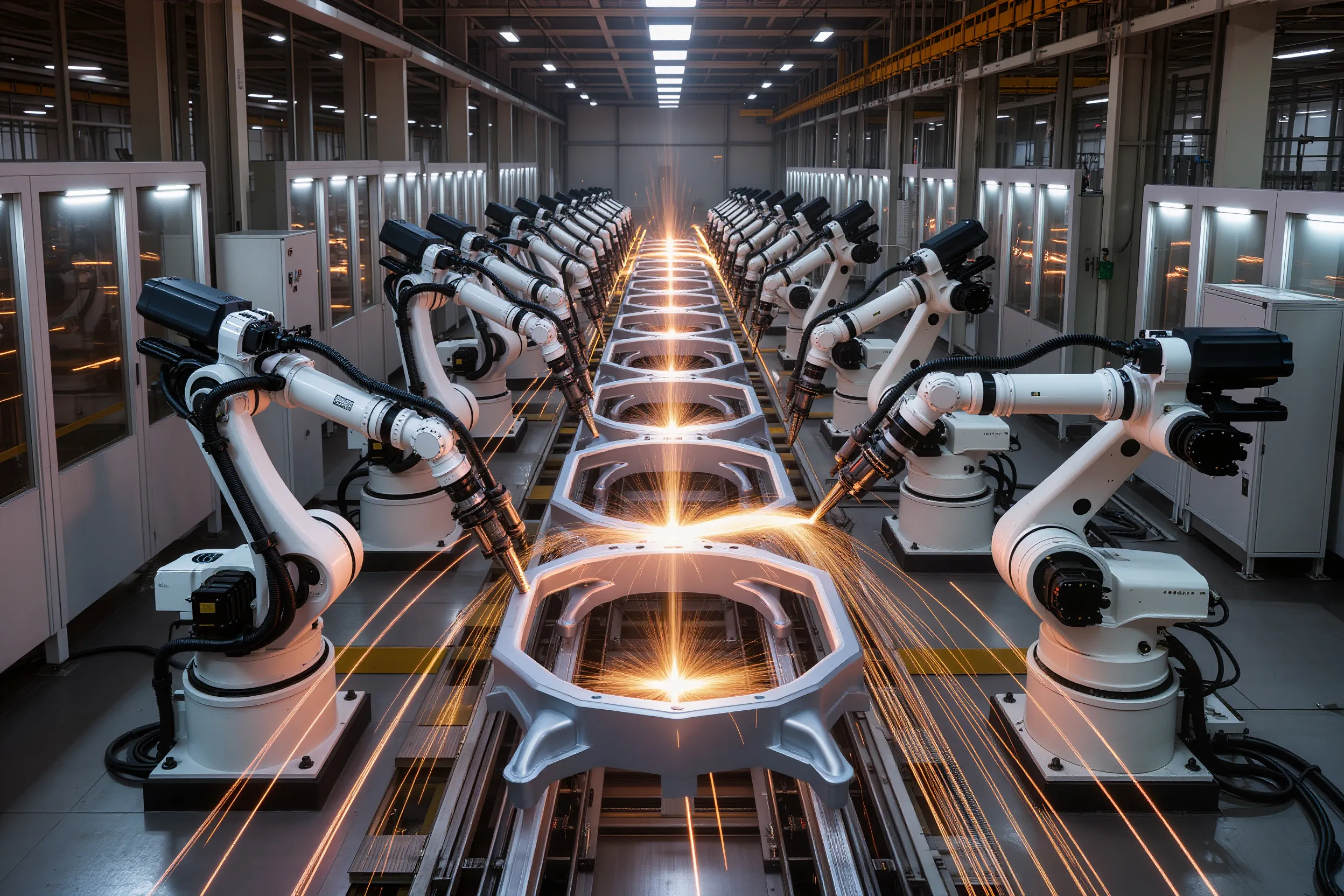
At this stage, the focus remains on building the foundations: developing a roadmap, assembling a team, and selecting technical solutions. Full-scale production has not yet begun, which is typical for the early phase of any technology project. However, if Crimea can overcome initial barriers, the region could emerge between 2026 and 2030 not just as a consumer but as a full-fledged player in the robotics market, first within Russia and eventually beyond its borders.