Moscow Region Is Digitizing Its Sports Infrastructure
This year, an AI system will begin analyzing attendance across 300 sports complexes in the Moscow region. The technology will help identify underused facilities and recommend ways to make better use of them.
At a meeting of the Collegium of the Ministry of Physical Culture and Sports of the Moscow Region, officials approved plans for large-scale digitization of the region’s sports infrastructure. A key element of the strategy is the deployment of artificial intelligence systems to monitor and analyze how sports facilities are used. The initiative aligns with the national program Sport Rossii (Sport of Russia) and is intended to make physical activity more accessible to residents across the region.
Digitalizing Sports Infrastructure
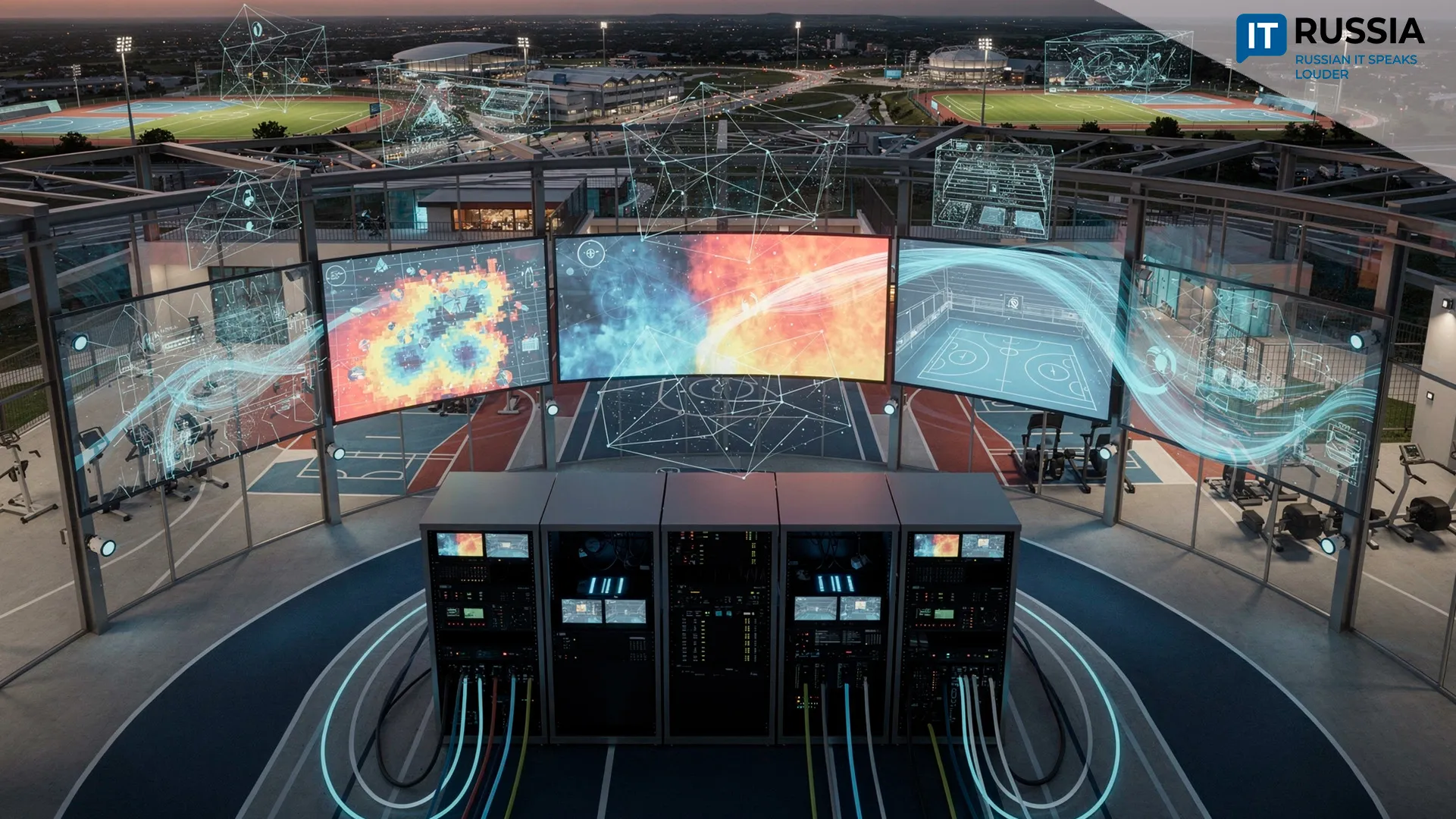
The system analyzes data from surveillance cameras in real time. Artificial intelligence counts visitors, tracks how attendance changes by hour and day of the week and identifies periods when facilities are underused or overloaded.
Based on these insights, algorithms generate recommendations for optimizing schedules. These may include redistributing training groups, adjusting the operating hours of sports sections or organizing additional events during periods of low attendance.
First Results
Analytical systems are already operating at sports facilities across the Moscow region. According to the regional ministry, the AI platform has already recorded more than 4.9 million visits to sports complexes. These data make it possible to assess real demand for different types of facilities and to guide infrastructure development based on observed usage rather than projections.

The neural network processes only anonymized information. The system identifies the number of people present and their movement patterns but does not recognize or identify individuals. This approach complies with Russian personal data protection laws. The analytics service was developed by NtechLab, a company specializing in computer vision and facial recognition technologies. Today the AI system operates at more than 600 facilities managed by Moskomsport, and similar projects are planned in several other Russian regions.
Particular attention is being paid to adaptive sports. Together with the regional Paralympic Committee, programs are underway to prepare sports facilities for people with disabilities. Artificial intelligence systems will help monitor how accessible the infrastructure is and generate recommendations for improving it.
The Dobryy Chas Program
The Moscow region also operates a program called Dobryy Chas (Kind Hour), which provides free access to 334 sports facilities for certain groups of citizens, including pensioners, members of large families, participants in the special military operation and people with disabilities.
Artificial intelligence helps evaluate how effective the program is. The system analyzes attendance during subsidized hours, identifies the most popular activities and generates recommendations for improving services for these groups.
School Sports
At the same time the Shkolnaya Liga (School League) project continues to expand. It already involves 650 educational institutions across the region. In 2026 two new disciplines will be added to the four traditional sports already included in the program: table tennis and esports.
Well-known athletes serve as ambassadors for the project, including NBA champion Timofey Mozgov. Artificial intelligence will analyze student participation in competitions, identify particularly talented young athletes and recommend additional opportunities for their development.
Regional Impact
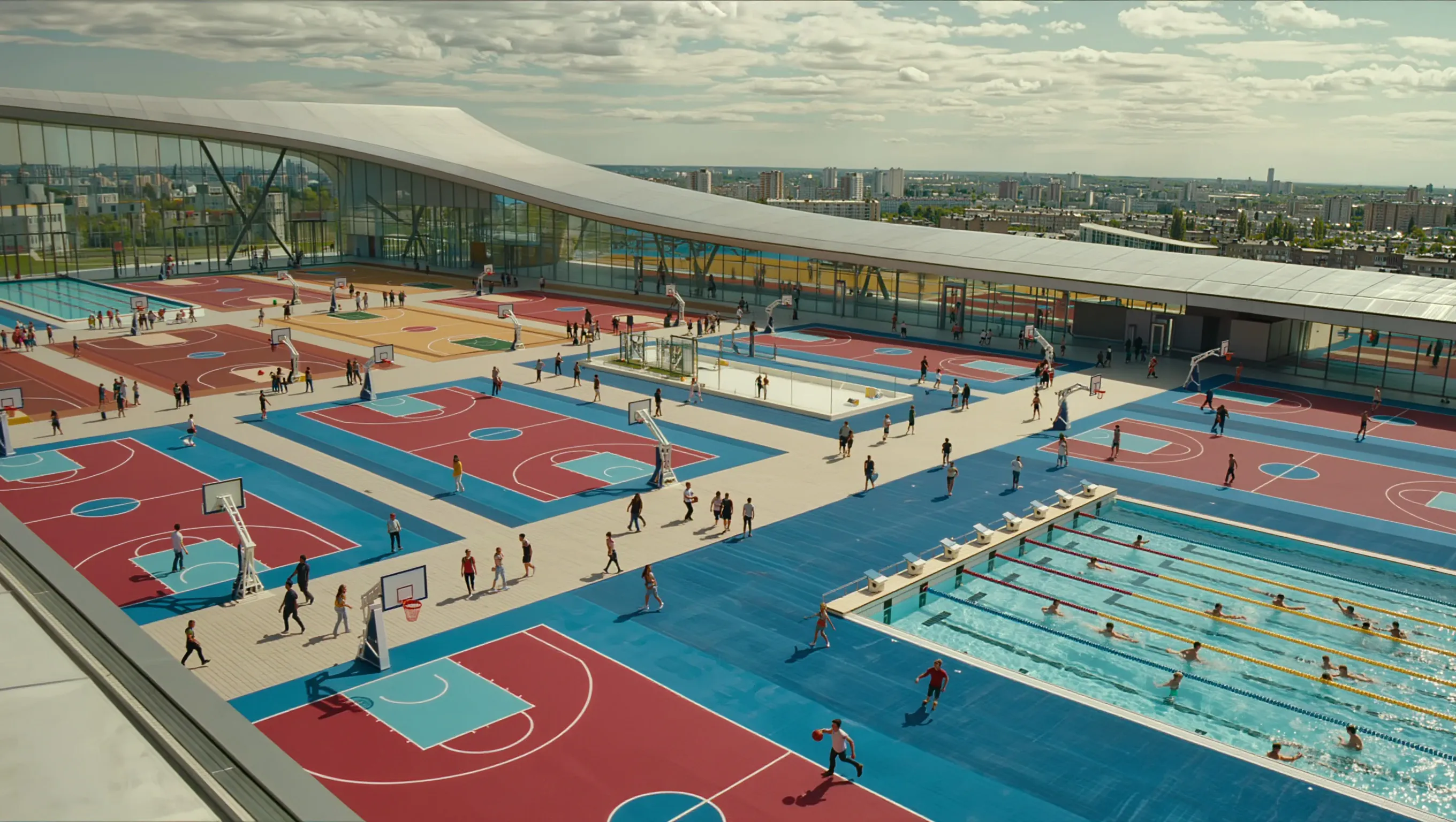
The introduction of artificial intelligence addresses a practical challenge. Many sports complexes in smaller towns across the Moscow region remain underused on weekday mornings or during working hours. The technology helps identify these gaps and propose solutions – for example, adding evening training sessions for working adults or organizing children’s sports groups during low-demand periods. This approach increases the return on investment in sports infrastructure while making sports more accessible to residents.

The project in the Moscow region is designed as a pilot that could later expand to other regions of Russia. If successful, the model for digitizing sports infrastructure could be adapted to different territories – from major cities to small settlements where efficient use of every sports facility is especially important.