Digital Guardian of the Land
The project to develop an AI system for restoring soil fertility is being advanced by Sber in the Republic of Kalmykia. The artificial intelligence–based technology is designed to combat the desertification of agricultural land.
The development and deployment of intelligent soil-restoration systems represents a shift in the philosophy of agriculture. With such tools, people do not only harvest the benefits of the land – they also repay ecological debts, help ecosystems recover, and protect them when necessary.
The developers of the Verda AI land-restoration technology received the national Agroinvestor of the Year – 2025 award in the “Socially Responsible Initiative” category. Verda (Esperanto for “green”) is a Sber project already being implemented in the Republic of Kalmykia. The system is designed to combat desertification and restore soil fertility.
“In the critical group there are 14 regions, including the Republic of Kalmykia, where the impact of desertification and soil degradation is especially severe. The Verda AI land-restoration system makes it possible not only to assess risks but also to create practical tools that help address them in specific territories,” said Anastasia Fedotova, Managing Director and Head of ESG at Sber.
Smart Assessment Based on 60 Parameters
The Verda project was launched in 2024 at the international AI Journey conference, where Sber and the Republic of Kalmykia signed a cooperation agreement. Kalmykia is one of the Russian regions with the highest risk of desertification and requires technological support to address the issue.

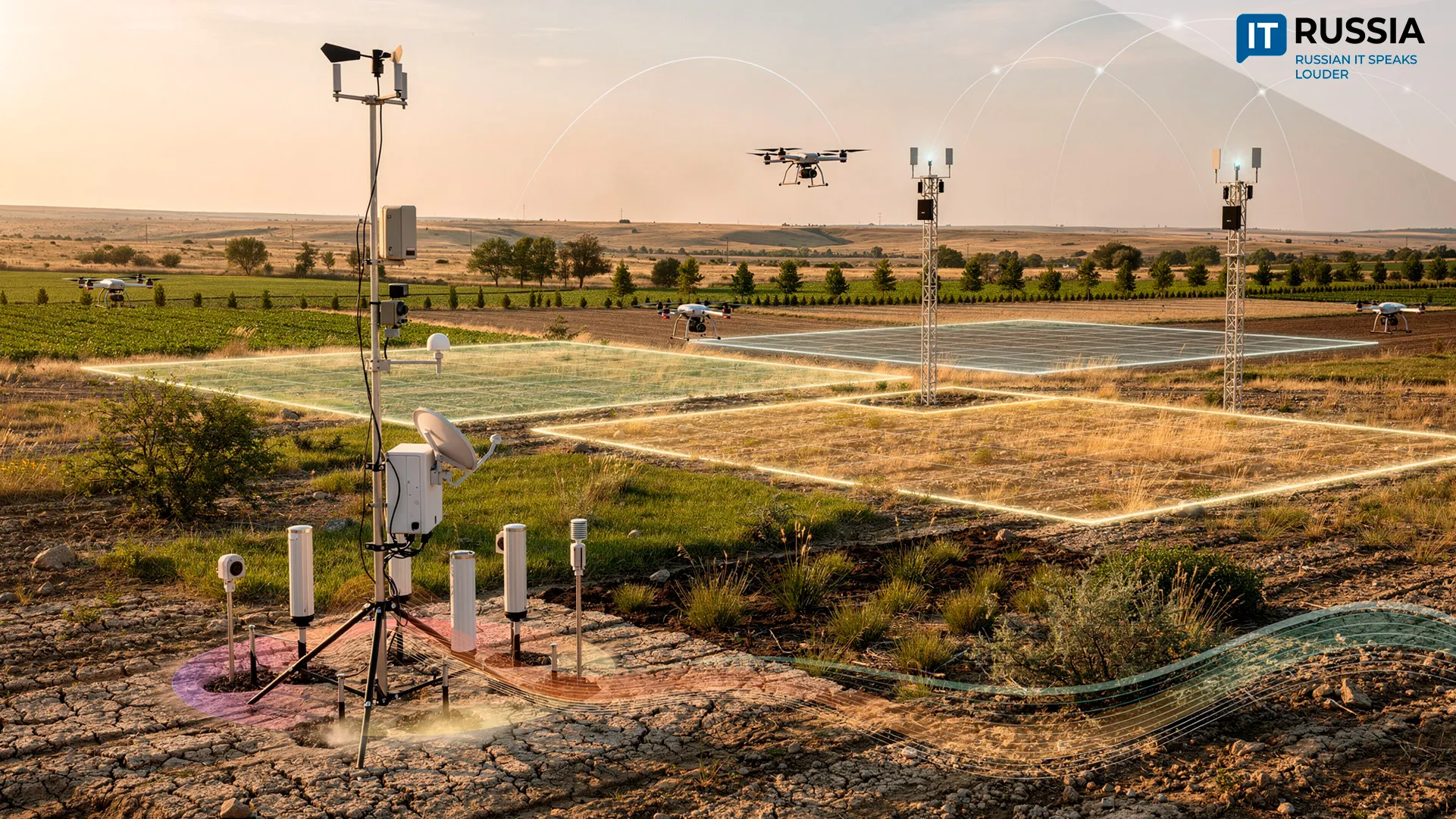
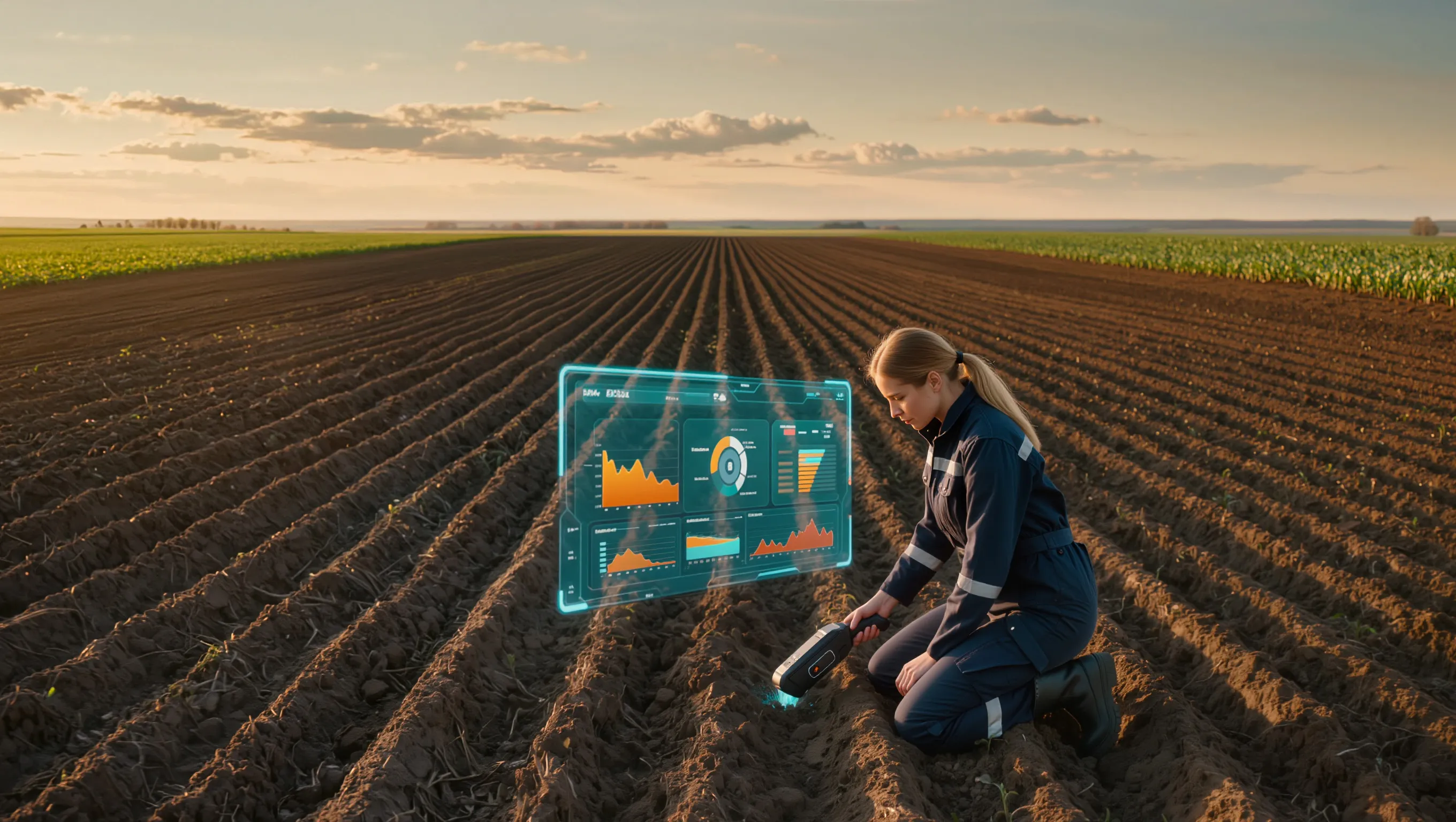
The technology enables highly precise risk assessment and planning for soil restoration. The territory is divided into 10 × 10 meter sections. AI analyzes satellite imagery and radar data in detail while also incorporating field-test results. A digital passport is then created for each plot, analyzing more than 60 characteristics. AI systems monitor and evaluate soil changes over time using machine-learning technologies. Monitoring accuracy exceeds 95 percent.
After analysis, Verda proposes solutions for comprehensive desertification control. Land is classified by degree of degradation. Based on these assessments, priority areas are identified for environmental interventions and recommended actions include planting protective forest belts and adjusting land-use practices. Ongoing observations allow the system to evaluate the effectiveness of restoration measures, forecast future conditions, and recommend additional steps to recover soil productivity. Forecast accuracy reaches 80 percent.
Supporting Up to 120 Million Hectares
The new AI system faces a vast workload in Russia. About 120 million hectares of land in the country are affected by desertification. Digital technologies provide a systematic way to address this challenge.
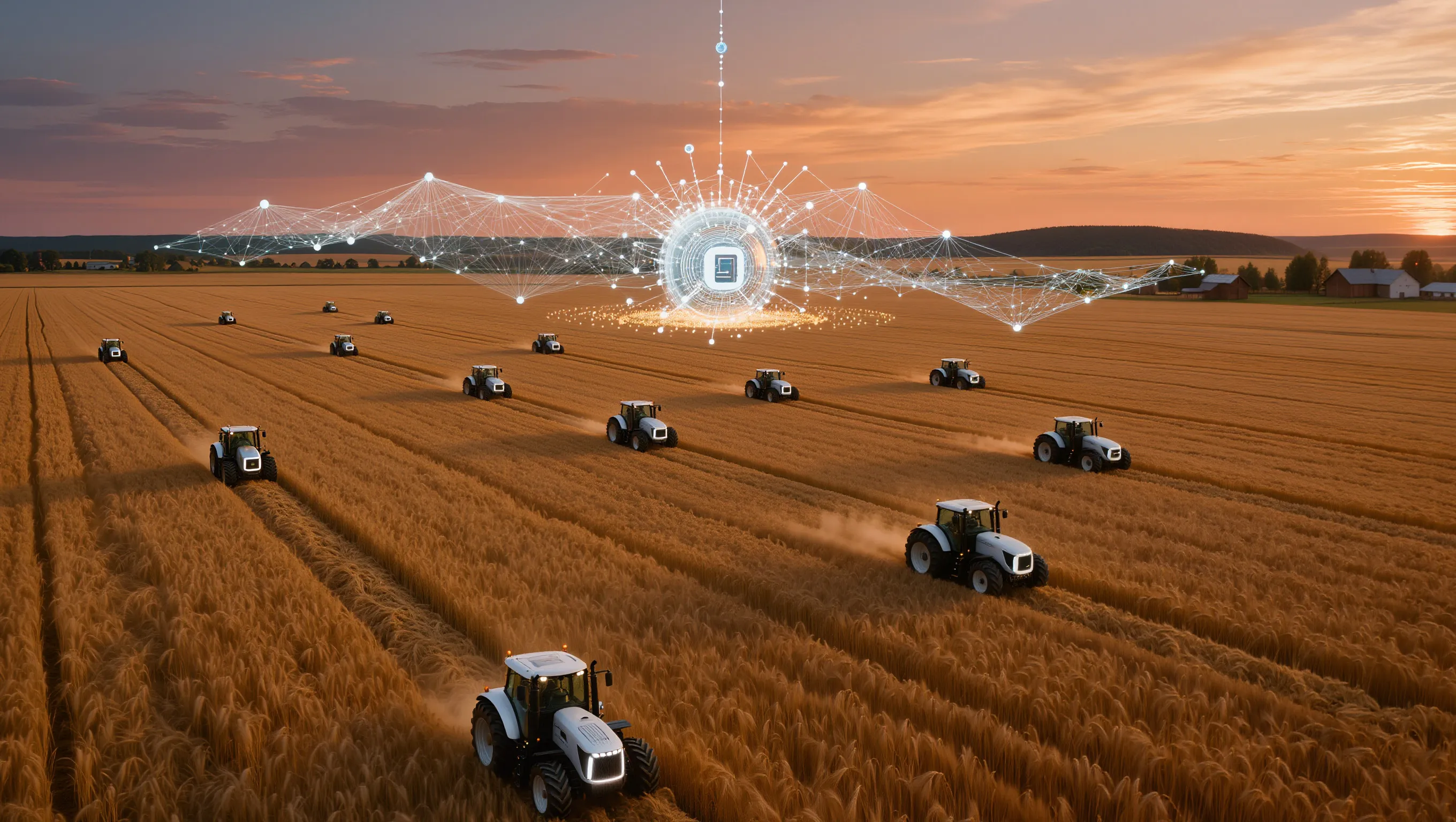
“The pilot project in Kalmykia demonstrated AI-model accuracy of more than 90 percent, and we are already seeing interest from other regions. In this context, Verda becomes a response to challenges related to both food security and environmental sustainability,” said Anastasia Fedotova, Managing Director and Head of ESG at Sber.
The use of AI technologies to restore fertile land is also economically attractive. According to the United Nations, every dollar invested in land restoration generates up to eight dollars in returns. Plans are already underway to scale the solution to other territories, and 30 Russian regions have expressed interest in the project.
“Desertification is one of the most pressing challenges in agriculture today. Although these areas account for only 7 percent of the country’s total territory, up to 80 percent of primary agricultural production is generated there. Today, 34 regions experience full or partial desertification. Sber’s product demonstrates how new technologies can address environmental challenges while advancing socially oriented sustainable development goals. I am confident that Verda will also be in demand among other regions of the country,” said Anton Nemkin, member of the State Duma Committee on Information Policy, Information Technologies and Communications.
Addressing a Global Challenge
The Verda project illustrates how investment by large Russian companies is reshaping the domestic AgTech market, including in critical segments. New AI technologies make it possible to move environmental management from a reactive model – identifying degradation after it occurs – to proactive land stewardship that anticipates risks and restores soil quality before irreversible damage happens.
Preventive action is especially important in regions with high desertification risk. Authorities can use Verda to monitor land conditions and support long-term agricultural planning. This is essential for maintaining stable agricultural production and ensuring reliable food supply.
The solution could also find demand in the global agricultural market. According to the United Nations, annual global losses from desertification reach $878 billion. Countries in Central Asia, the Middle East, Africa, and Latin America are likely to be interested in technologies capable of addressing this challenge.